Library › Prevention › Depression, stress and psychosocial factors
Depression, stress, and psychosocial factors in heart disease
Depression, anxiety, posttraumatic stress, chronic and acute stress, social isolation, and personality as risk factors and prognostic markers in adults with or without heart disease, with mental stress-induced ischemia, screening, antidepressant and psychological treatment, and psychosocial care in cardiac rehabilitation.
Depression, anxiety, posttraumatic stress disorder (PTSD), chronic stress, social isolation, and hostile or distressed personality traits raise the risk of incident coronary heart disease and worsen prognosis once it is present. Major depression is found in about 20% of patients after myocardial infarction (MI) and of patients with heart failure, and depression after MI is associated with roughly a twofold higher mortality. The American Heart Association (AHA) recommended in 2014 that depression be recognized as a risk factor for poor prognosis after acute coronary syndrome (ACS). Mental stress provokes myocardial ischemia in about 16% of patients with stable coronary disease, through vasoconstriction more than through stenosis, and that ischemia predicts cardiovascular death or MI with a hazard ratio of 2.5. Sertraline, citalopram, and escitalopram are safe in coronary disease and relieve depression; cognitive behavioral therapy, collaborative care, and exercise also reduce depressive symptoms. No large trial has shown that treating depression lowers mortality. The 2023 chronic coronary disease guideline rates screening and referral as reasonable (Class 2a). The 2024 cardiac rehabilitation core components place screening with the Patient Health Questionnaire-9 (PHQ-9) and the Generalized Anxiety Disorder-7 (GAD-7) scale at program entry and exit.
Psychosocial risk factors: definitions and the scope of cardiac psychology
Psychosocial factors are psychological states, traits, and social circumstances that influence the onset and course of cardiovascular disease. The 2021 AHA scientific statement on psychological health, well-being, and the mind-heart-body connection groups them into negative psychological states (depression, anxiety, chronic stress, anger and hostility, pessimism, dissatisfaction with life), positive psychological states (optimism, purpose in life, gratitude, happiness, mindfulness), and the social context in which both arise (Levine 2021). The 2025 European Society of Cardiology (ESC) clinical consensus statement on mental health and cardiovascular disease describes mental health as a continuum that runs from resilience and well-being through distress to mental health disorders and severe mental illness (SMI). It reserves "mental health disorder" for a clinically significant disturbance and "severe mental illness" for disorders with marked impairment of psychosocial functioning (Bueno 2025).
Depression. Major depressive disorder requires at least 2 weeks of depressed mood or loss of interest or pleasure (anhedonia) with additional symptoms such as sleep and appetite change, fatigue, guilt or worthlessness, poor concentration, psychomotor change, and thoughts of death or suicide. Many cardiac studies measure depressive symptoms on questionnaires without a diagnostic interview, and the prevalence and risk estimates differ with the method.
Anxiety. Generalized anxiety disorder, panic disorder, phobic disorders, and illness-specific anxiety (cardiac anxiety, fear of recurrence, and fear of shocks from an implantable cardioverter-defibrillator [ICD]) are distinct conditions that often coexist with depression.
Posttraumatic stress disorder. PTSD follows exposure to actual or threatened death or serious injury and consists of intrusive memories, avoidance, negative changes in mood and cognition, and hyperarousal. A cardiac event can itself be the trauma.
Psychosocial stress. Chronic stress arises at work, at home, from finances, from caregiving, and from discrimination or deprivation. Acute stressors include anger, fear, grief, and disasters, which act as short-term triggers.
Social isolation and loneliness. Social isolation is the objective scarcity of social contacts; loneliness is the subjective sense of being isolated (Cené 2022).
Personality traits. Hostility, anger, the Type A behavior pattern, and Type D (distressed) personality are stable dispositions that shape both physiology and behavior.
Cardiac psychology. Cardiac psychology, also called psychocardiology or behavioral cardiology, is the clinical discipline that applies psychological assessment and treatment to patients with heart disease and that studies the mechanisms linking the two. The 2025 ESC consensus statement proposes a Psycho-Cardio team of cardiologists, nurses, psychologists, and psychiatrists in cardiovascular services (Bueno 2025).
A bidirectional relationship. Psychological distress raises the risk of cardiovascular disease, and cardiovascular disease, its symptoms, its procedures, and its devices cause psychological distress. The 2025 AHA scientific statement on post-MI psychological distress describes distress as both a contributing factor to cardiovascular disease and a consequence of it (Levine 2025).
| Factor | Definition used in cardiac research | Common measure | Representative association |
|---|---|---|---|
| Depression | Major or minor depressive disorder by interview, or depressive symptoms above a questionnaire threshold | PHQ-9, Beck Depression Inventory-II (BDI-II), Hospital Anxiety and Depression Scale (HADS), structured interview | Incident coronary heart disease relative risk (RR) 1.30 (Gan 2014); post-MI all-cause mortality odds ratio (OR) 2.25 (Meijer 2011) |
| Anxiety | Anxiety disorder or anxiety symptoms | GAD-7, HADS anxiety subscale | Incident coronary heart disease hazard ratio (HR) 1.26; cardiac death HR 1.48 (Roest 2010) |
| PTSD | Disorder by Diagnostic and Statistical Manual of Mental Disorders, Fifth Edition (DSM-5) criteria, or clinically significant symptoms | Primary Care PTSD Screen for DSM-5 (PC-PTSD-5), PTSD Checklist | Incident coronary heart disease HR 1.55, or 1.27 after adjustment for depression (Edmondson 2013) |
| Work stress | Job strain (high demand, low control) or effort-reward imbalance | Job-content and demand-control questionnaires | Job strain HR 1.23 (Kivimäki 2012); effort-reward imbalance HR 1.16 (Dragano 2017) |
| General psychosocial stress | Stress at work or home, financial stress, life events, depression, locus of control | INTERHEART questions | Combined OR 2.67, population attributable risk 32.5% (Yusuf 2004) |
| Social isolation and loneliness | Few social contacts (objective) or perceived isolation (subjective) | Social network indexes, UCLA Loneliness Scale | Incident coronary heart disease RR 1.29; stroke RR 1.32 (Valtorta 2016) |
| Anger and hostility | Trait anger, cynical hostility | Cook-Medley Hostility Scale, anger inventories | Incident coronary heart disease HR 1.19 in healthy populations; poor prognosis HR 1.24 in established coronary disease (Chida 2009) |
| Type D personality | Negative affectivity with social inhibition | Type D Scale-14 (DS14) | Inconsistent across cohorts |
| Optimism | Generalized positive expectations about the future | Life Orientation Test-Revised | Cardiovascular events RR 0.65 (Rozanski 2019) |
Psychosocial factors studied in cardiovascular disease, with representative pooled estimates. Estimates come from observational studies and are adjusted to different degrees for conventional risk factors.
Depression in coronary heart disease and heart failure: prevalence and risk
Prevalence after myocardial infarction. In a systematic review of survivors of acute MI, structured interviews identified major depression in 19.8% of patients. A Beck Depression Inventory (BDI) score of 10 or more identified significant depressive symptoms in 31.1%, a HADS depression score of 8 or more in 15.5%, and a HADS score of 11 or more in 7.3%; depression often persisted through the first year (Thombs 2006). The SADHART report cited major depression in 15% to 23% of patients with ACS (Glassman 2002). The 2025 AHA statement estimates that up to half of patients after MI experience psychological distress in some form: depression, anxiety, stress, or PTSD (Levine 2025). The depression rate is higher in women, in younger patients, and in those with prior depression, low social support, or financial strain. The ST-elevation MI, non-ST-elevation ACS, and chronic coronary disease hubs place depression screening within secondary prevention.
Prevalence in heart failure. In a meta-analysis of 36 studies, clinically significant depression was present in 21.5% of patients with heart failure. The rate was 33.6% when depression was defined by questionnaire and 19.3% when it was defined by diagnostic interview, and it rose with severity, from 11% in New York Heart Association (NYHA) class I to 42% in class IV (Rutledge 2006). Fatigue, poor sleep, low appetite, and reduced activity are symptoms of both conditions, so questionnaires that count somatic items overestimate depression in heart failure; anhedonia, hopelessness, and guilt discriminate better. The heart failure with reduced ejection fraction (HFrEF) hub lists depression with frailty and cognitive impairment among comorbidities that worsen self-care, and the palliative care hub addresses depression in advanced disease.
Depression as a risk factor in people without heart disease. A meta-analysis of 30 prospective cohorts with 893,850 participants and 59,062 coronary events found a pooled RR of 1.30 for coronary heart disease and 1.30 for MI in people with depression. The RR was 1.36 with follow-up under 15 years and 1.09 with longer follow-up (Gan 2014). Depression is also associated with stroke: in 28 cohorts with 317,540 participants, the pooled HR was 1.45 for total stroke, 1.55 for fatal stroke, and 1.25 for ischemic stroke (Pan 2011).
Causal evidence from Mendelian randomization. Observational associations may reflect confounding by smoking, inactivity, and socioeconomic disadvantage, or reverse causation from subclinical disease. Mendelian randomization uses genetic variants associated with depression as instruments that are not affected by those confounders. One analysis drew on genome-wide association data for depression from 807,553 people and for coronary artery disease from 60,801 cases and 123,504 controls. Genetic liability to depression was associated with coronary artery disease (OR 1.14) and MI (OR 1.21), and type 2 diabetes and smoking accounted for part of the effect (Lu 2021). These results support a causal contribution of depression, partly mediated through behavior and metabolic risk.
Depression and prognosis after acute coronary syndrome and in heart failure
After MI. A meta-analysis of 29 studies with 16,889 patients followed for an average of 16 months found that depression assessed within 3 months of MI was associated with all-cause mortality (OR 2.25), cardiac mortality (OR 2.71), and cardiac events (OR 1.59). The association was stable over 25 years of research (Meijer 2011). Depressive symptoms below the threshold for major depression carry graded risk, and depression that does not respond to treatment carries more risk than depression that does.
The 2014 AHA statement. The AHA writing group reviewed 53 studies and 4 meta-analyses of depression and outcomes after ACS: 32 studies reported all-cause mortality, 12 cardiac mortality, and 22 composite outcomes. Despite heterogeneity in samples, depression measures, follow-up, and covariates, the associations were generally consistent. The statement recommended that the AHA elevate depression to the status of a risk factor for poor prognosis in patients with ACS (Lichtman 2014).
In heart failure. Depression in heart failure was associated with a higher rate of death and secondary events (RR 2.1) and with more hospitalizations and emergency visits (Rutledge 2006). Depression impairs the daily self-care on which heart failure management depends: weighing, fluid and sodium restriction, medication adherence, and recognition of worsening symptoms.
Health-related quality of life as an outcome. Depression and anxiety lower generic and disease-specific health status (36-Item Short Form Health Survey [SF-36], Seattle Angina Questionnaire, Kansas City Cardiomyopathy Questionnaire, MacNew Heart Disease Health-Related Quality of Life Questionnaire), and they predict it more strongly than objective measures of cardiac function do. Health status is the outcome that psychological treatments improve most consistently, and it is a primary end point in several depression trials (Rollman 2009; Kronish 2020).
Arrhythmia, atrial fibrillation, and sudden death. Anxiety, depression, anger, and acute stress raise sympathetic tone and lower vagal tone, which shortens refractoriness, increases ectopy, and lowers the threshold for ventricular fibrillation. Outbursts of anger are followed by a higher rate of ventricular arrhythmia (Mostofsky 2014), and sudden cardiac death rises on the day of disasters (Leor 1996). Anxiety is associated with ventricular arrhythmia in ICD recipients, a link described in the psychological consequences of electrical storm. Psychological distress is also associated with incident and symptomatic atrial fibrillation, and atrial fibrillation in turn produces anxiety about palpitations. The evidence on direction and size is less consistent than for coronary disease (Levine 2021; Bueno 2025).
Depression, cognitive impairment, and frailty in older patients. Depression, cognitive impairment, and frailty cluster in older adults with heart disease, and all three lower adherence and self-care. The Geriatrics 5Ms framework in the older adults hub places mood and cognition together under "mind." Apathy and psychomotor slowing in vascular depression can be mistaken for dementia, and screening for depression accompanies cognitive screening in older cardiac patients.
Anxiety, panic disorder, and posttraumatic stress disorder
Anxiety and incident coronary disease. In 20 cohorts of 249,846 initially healthy persons followed for a mean of 11.2 years, anxiety was associated with incident coronary heart disease (HR 1.26) and cardiac death (HR 1.48), independent of demographic factors, biological risk factors, and health behaviors (Roest 2010). Anxiety after MI is as common as depression, often coexists with it, and predicts recurrent events, rehabilitation dropout, and poor quality of life (Levine 2025).
Panic disorder and noncardiac chest pain. About 25% of 441 consecutive emergency department patients with chest pain met criteria for panic disorder. Of these patients, 44% had documented coronary disease, 25% reported thoughts of suicide in the preceding week, and physicians rarely recognized the disorder (Fleet 1996). Panic attacks produce chest pain, dyspnea, palpitations, diaphoresis, and paresthesias, often with hyperventilation, and they recur after normal cardiac testing. The chronic coronary disease differential diagnosis lists panic disorder, anxiety, and depression among psychological causes of chest pain. Panic disorder can coexist with coronary disease. After a negative cardiac evaluation, diagnosis of panic disorder and referral for cognitive behavioral therapy or a selective serotonin reuptake inhibitor (SSRI) end repeated testing.
PTSD as a risk factor. In 6 cohorts with 402,274 participants, PTSD was associated with incident coronary heart disease (HR 1.55), and the association persisted after adjustment for depression in the 5 studies that adjusted for it (HR 1.27) (Edmondson 2013). Veterans and civilian survivors of trauma and violence are the populations most studied.
PTSD caused by a cardiac event. Clinically significant PTSD symptoms followed 12% of ACS events in a meta-analysis of 24 studies with 2,383 patients. Prevalence was 16% when measured with screening instruments and 4% with clinical interviews. In the 3 studies with outcome data, ACS-induced PTSD symptoms doubled the risk of recurrent events or death (RR 2.00) (Edmondson 2012). Intrusive memories of the event, avoidance of exertion and of reminders such as the hospital, and hypervigilance to bodily sensations reduce physical activity and adherence. Cardiac arrest, ICD shocks, prolonged intensive care, emergency surgery, and spontaneous coronary artery dissection (SCAD) are frequent sources of event-induced PTSD.
Mechanisms linking psychological distress to cardiovascular disease
Psychological distress affects the cardiovascular system through behavior and through biology, and the two act together.
Behavioral pathways. Depressed patients smoke more and quit less, are less physically active, eat poorer diets, drink more alcohol, sleep poorly, and attend cardiac rehabilitation less often. The 2025 AHA statement lists these behaviors, together with obesity, inadequate social support, and decreased medication adherence, as plausible mediators of the excess risk after MI (Levine 2025). Nicotine, alcohol, and stimulants are also used to cope with stress, and the substance use hub describes their cardiovascular effects and treatment.
Nonadherence. Depression lowers adherence to aspirin, statins, beta-blockers, and lifestyle advice, and it lowers attendance at follow-up visits. Nonadherence is one of the most consistent mediators of the association between depression and events after ACS (Lichtman 2014).
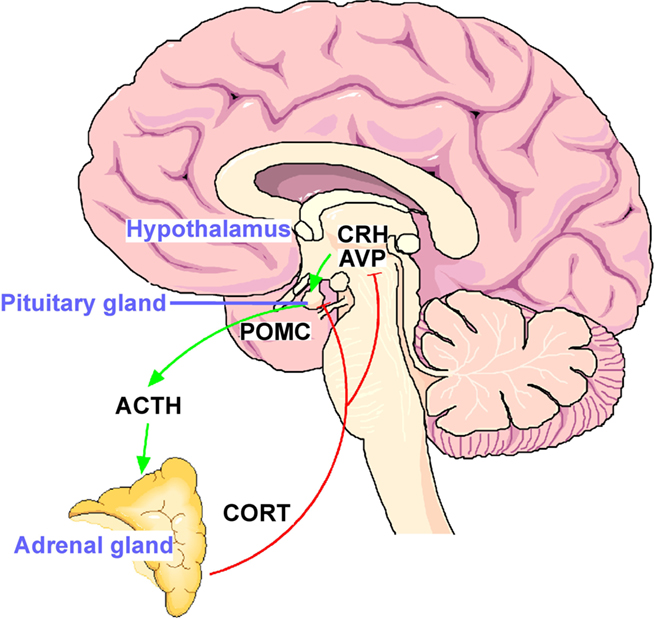
Hypothalamic-pituitary-adrenal axis. Chronic stress and depression are associated with hyperactivity of the hypothalamic-pituitary-adrenal (HPA) axis and abnormal cortisol rhythms. Corticotropin-releasing hormone and arginine vasopressin from the hypothalamus drive pituitary adrenocorticotropic hormone (ACTH) and adrenal cortisol, and glucocorticoid feedback normally restrains the axis. Sustained cortisol excess promotes visceral obesity, insulin resistance, hypertension, and dyslipidemia.

Autonomic imbalance. Depression and anxiety are associated with higher resting heart rate, lower heart rate variability, and reduced baroreflex sensitivity. In 380 depressed and 424 nondepressed patients after acute MI, 24-hour ambulatory monitoring showed lower heart rate variability in the depressed patients after adjustment for age, sex, diabetes, and smoking (Carney 2001). Low heart rate variability predicts mortality after MI and is a plausible mediator of the excess cardiac death associated with depression.
Inflammation. Depression and chronic stress are associated with higher C-reactive protein and interleukin-6, and inflammation in turn produces "sickness behavior" (fatigue, anhedonia, social withdrawal) that overlaps with depression.
Platelet activation and thrombosis. Platelets store serotonin and amplify aggregation through 5-HT2A receptors. Depressed patients show increased platelet reactivity, and women in the REMIT study had greater platelet aggregation responses to serotonin and epinephrine than men (Samad 2014). SSRIs deplete platelet serotonin, which reduces platelet activation and contributes to their bleeding risk. Acute mental stress raises blood viscosity, fibrinogen, and von Willebrand factor and shifts the balance toward thrombosis.
Endothelial dysfunction and vascular reactivity. Acute mental stress impairs flow-mediated dilation, and chronic distress is associated with endothelial dysfunction. Peripheral arterial vasoconstriction during mental stress predicts mental stress-induced ischemia (Ramadan 2013).
Brain-heart pathways. The amygdala integrates threat appraisal and drives sympathetic and HPA output. In 293 adults imaged with fluorodeoxyglucose positron emission tomography/computed tomography (PET/CT) for other reasons, resting amygdalar activity predicted cardiovascular events over a median of 3.7 years (standardized HR 1.59). The association was mediated by increased bone marrow activity and arterial inflammation, and perceived stress correlated with amygdalar activity (Tawakol 2017). This pathway links chronic stress to leukopoiesis and atherosclerotic inflammation.
Sleep. Insomnia, short sleep, and disrupted circadian rhythm accompany depression, anxiety, PTSD, and work stress and independently raise blood pressure and cardiometabolic risk. The AHA added sleep health to Life's Essential 8, and the insomnia section of the sleep apnea hub places insomnia, depression, and anxiety within psychosocial care.
| Pathway | Abnormality in depression or chronic stress | Cardiovascular consequence | Response to treatment |
|---|---|---|---|
| Health behavior | Smoking, inactivity, poor diet, alcohol, poor sleep | Atherosclerosis progression, recurrent events | Improves with treatment of depression and with rehabilitation; smoking cessation requires specific treatment |
| Adherence | Missed doses, missed visits, rehabilitation dropout | Stent thrombosis, uncontrolled risk factors, readmission | Collaborative care and rehabilitation improve attendance |
| HPA axis | Cortisol excess, flattened diurnal rhythm, impaired feedback | Visceral obesity, insulin resistance, hypertension | Partial normalization with remission |
| Autonomic nervous system | High resting heart rate, low heart rate variability, low baroreflex sensitivity | Arrhythmia, sudden death, hypertension | Exercise and sertraline tended to improve heart rate variability (Blumenthal 2012) |
| Inflammation | Higher C-reactive protein and interleukin-6 | Plaque inflammation and instability | Inconsistent |
| Platelets and coagulation | Increased reactivity to serotonin and catecholamines, higher fibrinogen | Coronary thrombosis | SSRIs reduce platelet activation |
| Endothelium and vascular tone | Impaired dilation, exaggerated vasoconstriction to stress | Mental stress-induced ischemia, hypertension | Escitalopram reduced mental stress ischemia (Jiang 2013) |
| Amygdala and bone marrow | Higher resting amygdalar activity | Leukopoiesis, arterial inflammation | No treatment trial |
Pathways from depression and chronic stress to cardiovascular disease. HPA, hypothalamic-pituitary-adrenal.
Acute emotional triggers: anger, disasters, sporting events, and bereavement
Acute emotional stress transiently raises heart rate, blood pressure, catecholamines, coronary vasomotor tone, and platelet reactivity, and these changes can trigger plaque rupture, coronary spasm, ischemia, and arrhythmia in a vulnerable patient. Case-crossover studies, in which patients serve as their own controls, quantify these short-term risks.
Anger. In 9 case-crossover studies, the rate of MI or ACS, ischemic stroke, ruptured intracranial aneurysm, and ventricular arrhythmia was higher in the 2 hours after an outburst of anger than at other times (Mostofsky 2014). The absolute risk from a single outburst is small and accumulates with frequent anger.
Bereavement and grief. In 1,985 patients interviewed in hospital after MI, the incidence of MI was elevated 21.1-fold within 24 hours of the death of a significant person and declined day by day thereafter. The absolute excess within the first week was 1 MI per 1,394 bereaved people at low (5%) 10-year risk and 1 per 320 at high (20%) 10-year risk (Mostofsky 2012). The excess risk supports continued medication and attention to symptoms in bereaved patients with coronary disease or high cardiovascular risk.
Disasters and sporting events. On the day of the 1994 Northridge earthquake in Los Angeles, sudden cardiac deaths related to atherosclerotic disease rose from a daily average of 4.6 in the preceding week to 24. They fell below baseline in the following 6 days, which suggests that the stress precipitated deaths in people already vulnerable (Leor 1996). On days when the German team played during the 2006 World Cup, cardiac emergencies in the Munich area were 2.66 times as frequent as during control periods (3.26 times in men and 1.82 times in women). Incidence was highest in the first 2 hours after the start of the match, and 47.0% of patients with coronary events had known coronary disease (Wilbert-Lampen 2008).
Takotsubo syndrome. Takotsubo syndrome is acute, usually reversible left ventricular dysfunction triggered by emotional or physical stress and mediated by catecholamine excess. In the International Takotsubo Registry of 1,750 patients, 89.8% were women, the mean age was 66.8 years, and neurologic and psychiatric disorders were more common than in age- and sex-matched patients with ACS (Templin 2015). The diagnosis, imaging, complications, and management of Takotsubo syndrome are described in the Takotsubo syndrome section of the hub on cardiovascular disease in women.
Chronic stressors: work, family, finances, and social disadvantage
INTERHEART. In the INTERHEART case-control study of first MI in 52 countries, psychosocial stress was measured with 4 simple questions about stress at work and at home, financial stress, and major life events, with additional questions on locus of control and depression. Permanent stress at work (OR 2.14), permanent stress at home (OR 2.12), several periods of general stress (OR 1.45), permanent general stress (OR 2.17), severe financial stress (OR 1.33), stressful life events (OR 1.48), and depression were all more common in cases (Rosengren 2004). Combined, psychosocial factors carried an OR of 2.67 and a population attributable risk of 32.5%, comparable to the other modifiable risk factors in the study (Yusuf 2004). The associations held in men and women, at all ages, and in all regions.
Job strain. Job strain, the combination of high psychological demands and low decision latitude, was reported by 15% of 197,473 employed participants in 13 European cohorts of the Individual-Participant-Data Meta-analysis in Working Populations (IPD-Work) consortium. The HR for incident coronary heart disease was 1.23 and persisted after exclusion of events in the first 3 or 5 years. The population attributable risk was 3.4%, much smaller than that of smoking (Kivimäki 2012). Effort-reward imbalance, a mismatch between effort spent at work and rewards received in pay, esteem, and security, was reported by 31.7% of 90,164 workers and carried an HR of 1.16 (Dragano 2017).
Long working hours and shift work. Compared with standard hours of 35 to 40 per week, working 55 hours or more was associated with incident coronary heart disease (RR 1.13) and stroke (RR 1.33) in a meta-analysis of more than 600,000 workers (Kivimäki 2015). Shift work and night work disrupt circadian rhythm and sleep and are associated with hypertension and metabolic risk, with mechanisms that overlap with those of sleep disorders. The occupational stressors section of the return-to-work hub addresses work stress in planning return to employment after a cardiac event.
Marital stress, family conflict, and caregiving. Marital strain, family conflict, and the burden of caring for an ill relative are chronic stressors associated with coronary events. Caregivers of patients with heart failure or ventricular assist devices and of survivors of cardiac arrest have high rates of depression, anxiety, sleep loss, and financial strain, as described in the caregivers section of the palliative care hub.
Socioeconomic status and financial stress. Low income, low education, unemployment, and financial insecurity are associated with higher cardiovascular incidence and mortality through material deprivation, poorer access to care, adverse health behavior, and chronic psychological stress. INTERHEART identified severe financial stress as an independent correlate of MI (Rosengren 2004). Cost-related nonadherence to cardiovascular drugs is a direct pathway from financial stress to events.
Early-life adversity. Adverse childhood experiences (abuse, neglect, and household dysfunction such as parental separation, substance use, or mental illness) affect at least half of US adults. Adults with 4 or more adverse childhood experiences have more than twice the risk of cardiovascular disease of those with none, through chronic activation of the stress response, adverse health behaviors, and earlier onset of conventional risk factors (Godoy 2021).
Discrimination and structural racism. Experienced discrimination is a chronic stressor associated with hypertension and cardiovascular risk, and structural racism shapes neighborhood, income, education, and access to care. The AHA has described structural racism as a fundamental driver of cardiovascular health disparities (Churchwell 2020). In the individual patient, discrimination is assessed as one of the stressors that affect mental health and adherence.
Stress and blood pressure. Acute mental stress raises blood pressure, and chronic stress, anxiety, and low socioeconomic status are associated with incident hypertension. The 2025 AHA/American College of Cardiology (ACC) hypertension guideline states that stress reduction through transcendental meditation, and through other approaches such as breathing control and yoga, may be reasonable as an adjunct to lifestyle or drug treatment to prevent or treat elevated blood pressure and hypertension (Class 2b) (Jones 2025). The lifestyle section of the hypertension hub summarizes these measures.
Social isolation, loneliness, and social support
The 2022 AHA scientific statement on objective and perceived social isolation found the most consistent evidence for an association of social isolation and loneliness with coronary heart disease and stroke mortality. Data for heart failure and dementia were sparser. It noted that the effect estimates are small, that unmeasured confounding may contribute, and that no intervention study had tested whether reducing isolation or loneliness improves cardiovascular or brain health (Cené 2022). In a meta-analysis of 16 longitudinal datasets from high-income countries, poor social relationships were associated with a 29% higher risk of incident coronary heart disease (RR 1.29) and a 32% higher risk of stroke (RR 1.32), without a difference by sex (Valtorta 2016).
Mechanisms. Isolated and lonely people are more often physically inactive, smoke, sleep poorly, and have higher blood pressure and inflammatory markers. They have fewer people to recognize symptoms, encourage adherence, call for help, and provide transportation to appointments and rehabilitation.
Social support after a cardiac event. Low perceived social support predicts mortality after MI independently of depression. The Enhancing Recovery in Coronary Heart Disease Patients (ENRICHD) trial enrolled patients with depression, low perceived social support, or both, and measured support with the ENRICHD Social Support Instrument (Berkman 2003). Living alone after MI or with heart failure is a reason to arrange home follow-up, telemonitoring, and early rehabilitation.
Assessment. Social isolation is assessed by asking whom the patient lives with, how often the patient is in contact with family and friends, and who would help in an emergency; loneliness is assessed by asking how often the patient feels lonely or left out. The core components table of the cardiac rehabilitation hub includes social isolation in the psychosocial assessment.
Personality: hostility, anger, Type A behavior, and Type D personality
Type A behavior pattern. The Type A behavior pattern (competitiveness, time urgency, impatience, and hostility) was proposed in the 1950s and 1960s as a coronary risk factor. Later cohorts and trials did not confirm the global pattern, and analysis of its components identified hostility and anger as the elements associated with risk.
Hostility and anger. A meta-analysis of 25 studies in healthy populations and 19 studies in patients with coronary disease found that anger and hostility were associated with incident coronary events (HR 1.19) and with poor prognosis in established coronary disease (HR 1.24). The association in healthy populations was stronger in men than in women (Chida 2009).
Type D personality. Type D (distressed) personality is the joint tendency to experience negative emotions (negative affectivity) and to inhibit their expression in social interaction (social inhibition). The DS14 contains 7 negative affectivity and 7 social inhibition items, and a score of 10 or more on both subscales defines Type D. With that cutoff, 21% of the general population, 28% of patients with coronary heart disease, and 53% of patients with hypertension were classified as Type D (Denollet 2005). Early studies from single centers associated Type D with mortality and recurrent events in coronary patients. Later and larger cohorts found weaker or null associations, and Type D is treated as a marker of distress, and its role as an independent risk factor is not established.
Vital exhaustion and burnout. Vital exhaustion is a state of excessive fatigue, demoralization, and irritability measured with the 21-item Maastricht Questionnaire. In the Atherosclerosis Risk in Communities (ARIC) cohort of 12,895 adults followed for up to 13 years, the highest quartile of vital exhaustion predicted MI or fatal coronary disease (HR 1.69 adjusted for age, sex, and race-center, and 1.46 after further adjustment for conventional risk factors) (Williams 2010). Occupational burnout overlaps with vital exhaustion and depression.
Positive psychological health: optimism, purpose, and well-being
Positive psychological states are associated with lower cardiovascular risk independently of the absence of distress. In a meta-analysis of 15 cohorts with 229,391 participants followed for a mean of 13.8 years, optimism was associated with fewer cardiovascular events (RR 0.65) and lower all-cause mortality (RR 0.86), with high heterogeneity (Rozanski 2019). Purpose in life, gratitude, life satisfaction, and mindfulness show similar associations in observational studies (Levine 2021). Optimistic people are more physically active, eat better, smoke less, and adhere better to treatment, and they have lower inflammatory markers and healthier lipid profiles.
The 2021 AHA statement concluded that the preponderance of data suggests that interventions to improve psychological health can benefit cardiovascular health. It advised that psychological health be considered in the evaluation and management of patients with or at risk for cardiovascular disease (Levine 2021). Positive psychology interventions (gratitude exercises, optimism training, acts of kindness) improve well-being and health behaviors in small trials in cardiac patients; no trial has shown an effect on cardiovascular events.
Psychological health and Life's Essential 8. The 2022 AHA presidential advisory on Life's Essential 8 described psychological health and well-being as foundational to cardiovascular health but did not include them as a scored metric because the indicators that most affect cardiovascular health were uncertain (Lloyd-Jones 2022). In 21,183 US adults from the National Health and Nutrition Examination Survey (NHANES), adding a ninth psychological health metric based on the 2-item Patient Health Questionnaire (PHQ-2) or the PHQ-9 produced a score with mortality prediction equivalent to Life's Essential 8 (C-statistic 0.843 versus 0.842). High versus low scores on the two enhanced versions were associated with 69% and 70% lower mortality, compared with 65% for Life's Essential 8 (Dinh 2024).
Mental stress-induced myocardial ischemia
Definition and prevalence
Mental stress-induced myocardial ischemia (MSIMI) is myocardial ischemia provoked in the laboratory by a standardized psychological stressor in a patient with coronary heart disease. It is defined by a new or worsened perfusion defect on myocardial perfusion imaging, a new or worsened regional wall motion abnormality, a fall in left ventricular ejection fraction (LVEF), or ischemic ST-segment depression. REMIT defined it as development or worsening of a regional wall motion abnormality, an LVEF reduction of 8% or more, or horizontal or down-sloping ST depression of 1 mm or more in 2 or more leads lasting 3 or more consecutive beats. A finding during any of 3 mental stress tasks qualified (Jiang 2013).
In the Mental Stress Ischemia Prognosis Study (MIPS) of 695 patients with stable coronary disease, the prevalence of MSIMI by technetium-99m sestamibi imaging during a public speaking task was 16.1%, compared with 34.7% for ischemia with conventional exercise or pharmacologic stress. Of the patients, 22.9% had conventional stress ischemia only, 4.2% had MSIMI only, and 11.8% had both; obstructive coronary disease was not more common in patients with MSIMI than in those without it (Hammadah 2017). Older studies reported higher prevalence because they enrolled patients selected for exercise-induced ischemia and used less specific definitions. MSIMI is usually painless and occurs at a lower rate-pressure product than exercise ischemia.
Women and young patients. In young survivors of MI, MSIMI occurred in 52% of women 50 years or younger compared with 25% of age-matched men, with no sex difference in ischemia from conventional stress (Vaccarino 2014). In REMIT, women had more MSIMI than men (57% versus 41%), expressed more negative and less positive emotion during stress, and had greater platelet aggregation, whereas men had larger blood pressure responses (Samad 2014). The psychosocial stress section of the hub on cardiovascular disease in women places these findings among sex-specific risk factors.
Mental stress testing protocols
Mental stress testing is a research procedure, and no guideline recommends it for clinical decision-making. The protocols share 4 elements: a resting baseline, a standardized stressor lasting minutes, ischemia detection by imaging or ECG during the stressor, and continuous blood pressure and heart rate monitoring.
| Stressor | Procedure | Strengths | Limitations |
|---|---|---|---|
| Public speaking (speech task) | The patient is given a stressful personal scenario, prepares briefly, and speaks about it to an evaluative audience or camera; the radiotracer is injected during the speech | Most standardized and most provocative task; used in MIPS and the Myocardial Infarction and Mental Stress Study 2 (MIMS2); reproduces social-evaluative threat | Requires an audience, staging, and timed tracer injection |
| Mental arithmetic | Serial subtraction under time pressure, often with harassment for errors | Simple, repeatable | Less potent in some patients; performance anxiety varies |
| Anger recall | The patient describes a recent event that caused anger | Engages anger, a recognized trigger of events | Depends on the patient's account |
| Mirror tracing and Stroop color-word task | Tracing a figure seen only in a mirror; naming the ink color of incongruent color words | Standard cognitive stressors, combined with others in REMIT-type batteries | Weaker hemodynamic responses |
Laboratory mental stressors used to provoke mental stress-induced myocardial ischemia. Ischemia is detected with technetium-99m sestamibi single-photon emission computed tomography (SPECT), PET, echocardiography, radionuclide ventriculography, or ECG.
Mechanisms: vasoconstriction and microvascular dysfunction
Exercise ischemia results from a rise in myocardial oxygen demand across a flow-limiting stenosis. MSIMI arises at a lower rate-pressure product and is driven by a fall in supply: catecholamine-mediated constriction of epicardial and microvascular coronary arteries, particularly at sites of endothelial dysfunction, and a rise in afterload from peripheral vasoconstriction. In 384 patients with angiographically documented coronary disease, the severity and extent of coronary disease did not differ between patients with and without MSIMI but were greater in patients with conventional stress ischemia. Digital microvascular constriction during the speech task, measured by peripheral arterial tonometry, was the only independent predictor of MSIMI (pulse wave amplitude ratio 0.55 versus 0.76) (Ramadan 2013). MSIMI therefore resembles ischemia with no obstructive coronary arteries and coronary microvascular dysfunction more than it resembles stenosis-driven ischemia. Coronary function testing, including provocation of vasospasm, belongs to the evaluation of ischemia with no obstructive coronary arteries.
Prognosis and its relation to exercise-induced ischemia
In the Psychophysiological Investigations of Myocardial Ischemia (PIMI) study of 196 patients with exercise-induced ischemia, new or worsened wall motion abnormalities during a speech task were present in 40% of patients who later died compared with 19% of survivors, and they predicted death (rate ratio 3.0); ST changes and chest pain during the speech did not (Sheps 2002). A meta-analysis of 5 small prospective studies with 555 patients found that MSIMI doubled the risk of cardiac events or death (RR 2.24) (Wei 2014).
The largest analysis pooled MIPS and MIMS2, 918 patients with stable coronary disease tested with a public speaking task and with conventional stress, all imaged with SPECT. MSIMI was present in 16% and conventional stress ischemia in 31%. Over a median follow-up of 5 years, cardiovascular death or MI occurred at 6.9 per 100 patient-years in patients with MSIMI and 2.6 per 100 patient-years in those without it (adjusted HR 2.5), and MSIMI predicted events independently of conventional stress ischemia (Vaccarino 2021).
Treatment of mental stress-induced ischemia
REMIT randomized 127 patients with stable coronary disease and laboratory-diagnosed MSIMI to escitalopram (5 mg/day titrated to 20 mg/day over 3 weeks) or placebo for 6 weeks. Absence of MSIMI at 6 weeks was more frequent with escitalopram (34.2% versus 17.5%; OR 2.62); exercise-induced ischemia did not differ (45.8% versus 52.5%) (Jiang 2013). REMIT is the only randomized trial of a treatment for MSIMI, it was not powered for clinical events, and it did not require depression for enrollment. Beta-blockers blunt the heart rate and blood pressure response to mental stress but have not been tested against MSIMI in a randomized trial. Stress management, exercise training, and the treatment of depression and anxiety are directed at the same pathways.
| Feature | Mental stress-induced ischemia | Conventional (exercise or pharmacologic) stress ischemia |
|---|---|---|
| Prevalence in stable coronary disease (MIPS) | 16.1% | 34.7% |
| Relation to stenosis severity | Not related to angiographic burden | Related to angiographic severity and extent |
| Dominant mechanism | Coronary and peripheral vasoconstriction, microvascular dysfunction, fall in supply | Rise in demand across a flow-limiting stenosis |
| Rate-pressure product at ischemia | Lower | Higher |
| Symptoms | Usually painless | Angina more often |
| Sex and age | More frequent in young women after MI | No sex difference in young MI survivors |
| Prognosis | Cardiovascular death or MI, adjusted HR 2.5, independent of conventional ischemia | Established predictor |
| Randomized treatment evidence | Escitalopram reduced its occurrence (REMIT) | Antianginal therapy and revascularization relieve symptoms |
| Clinical testing | Research only | Guideline-based testing |
Mental stress-induced ischemia compared with conventional stress ischemia (Hammadah 2017; Ramadan 2013; Vaccarino 2014; Vaccarino 2021; Jiang 2013).
Psychological distress after acute cardiac events, devices, and cardiac arrest
Post-MI psychological distress. The 2025 AHA scientific statement groups depression, anxiety, psychosocial stress, and PTSD after MI under the term post-MI psychological distress. It reports that distress is associated with future cardiac events and that the data on whether its treatment improves cardiac prognosis are mixed and of variable quality, with the least evidence for anxiety, stress, and PTSD. It states that multiple interventions reduce distress and improve emotional well-being and quality of life, and that the goal is to treat the person as well as the disease (Levine 2025).
Cardiac anxiety, fear of recurrence, and illness perceptions. Heart-focused anxiety is preoccupation with cardiac sensations, fear that they signal a new event, and avoidance of exertion, sex, travel, and being alone. Illness perceptions (beliefs about the cause, controllability, and consequences of the disease) predict return to work and rehabilitation attendance more strongly than infarct size. Catastrophic beliefs, such as the belief that any exertion will cause another heart attack, respond to education, graded exercise in rehabilitation, and cognitive behavioral therapy.
Implantable cardioverter-defibrillators. In a systematic review of 45 studies of ICD recipients, the 3 small studies that used structured diagnostic interviews identified a depressive disorder in 11% to 28% and an anxiety disorder in 11% to 26%. Questionnaires found elevated anxiety symptoms in 8% to 63% and depressive symptoms in 5% to 41%, and the evidence comparing shocked with non-shocked patients was inconsistent (Magyar-Russell 2011). In clinical series, multiple shocks and electrical storm are followed by anxiety, avoidance behavior, and posttraumatic stress symptoms. Psychological care includes preparation before implantation, explanation of what a shock means, screening at follow-up, and programming that avoids unnecessary shocks, as detailed in the psychological effects section of the ICD hub and in rehabilitation of ICD recipients.
Cardiac arrest survivors. About 1 in 4 survivors of cardiac arrest and their caregivers experience emotional distress, and anxiety, depression, PTSD, and cognitive deficits are part of survivorship care after cardiac arrest.
Mechanical circulatory support and transplantation. Psychosocial evaluation is part of candidacy for a durable left ventricular assist device and for heart transplantation. The 2023 International Society for Heart and Lung Transplantation (ISHLT) guidelines recommend screening for depressive symptoms with instruments such as the PHQ-9 before and after transplantation (Class I) (Velleca 2023). The long-term transplant care hub describes antidepressant choice in the presence of immunosuppressants.
Sexual function, return to work, and participation in life. Depression after ACS impairs sexual function, and so do several antidepressants. Fear of triggering another event or a shock, anxiety, and changed body image after sternotomy or device implantation are the most frequent reasons for reduced sexual activity; partners are often more anxious than patients. Depression is associated with detachment from employment after MI (OR 1.77) (Smedegaard 2017), and fear of shocks delays return to work after ICD implantation more than physical capacity does. The return-to-work section and the sexual concerns section of the return-to-work hub describe these issues and the screening for depression and anxiety that accompanies them. Participation in family, social, and leisure roles is a separate outcome and part of the rehabilitation plan.
Caregivers and family. Family members share the trauma of the event, the vigilance after discharge, and the burden of care. Including the partner in education, rehabilitation, and decisions reduces the partner's anxiety and improves the patient's adherence.
Women, young adults, and survivors of spontaneous coronary artery dissection
Depression, anxiety, PTSD, social isolation, and caregiver strain are more common in women with coronary disease, especially young women. Young women also recover more slowly than young men after MI, with more angina, depression, and poorer health status. Emotional stress precedes a large share of Takotsubo syndrome and SCAD events. These sex-specific aspects are described in the psychosocial stress section of the hub on cardiovascular disease in women. Anxiety, depression, and PTSD are frequent after SCAD, including pregnancy-associated SCAD, and are treated within rehabilitation, as described in recovery and rehabilitation of women after SCAD. Depression and anxiety are also barriers to rehabilitation that are more frequent in women.
Severe mental illness and the cardiometabolic effects of psychotropic drugs
Cardiovascular risk in severe mental illness. Schizophrenia, bipolar disorder, and severe major depression shorten life expectancy, and cardiovascular disease is the leading cause of the excess deaths. A meta-analysis of 3,211,768 patients with SMI and 113,383,368 controls found a pooled cardiovascular disease prevalence of 9.9% at a mean age of 50 years; in longitudinal studies, SMI was associated with incident cardiovascular disease (HR 1.78), coronary heart disease (HR 1.54), and cerebrovascular disease (HR 1.64) (Correll 2017). The 2025 ESC consensus statement cites life expectancy about 14.5 years lower in schizophrenia and 8 to 12 years lower in bipolar disorder, and all-cause mortality more than 2.5 times that of the general population (Bueno 2025). Smoking, obesity, diabetes, dyslipidemia, physical inactivity, poverty, and lower rates of preventive treatment and revascularization contribute, together with the metabolic effects of antipsychotic drugs.
Monitoring. The 2025 ESC consensus statement advises that patients with SMI be monitored actively for modifiable risk factors at baseline, after 12 weeks, and at least annually, with risk factors reassessed at 6 and 12 weeks after a new antipsychotic is started. It advises an ECG at baseline, after 1 week, and at 6 and 12 weeks, then annually, when an antipsychotic with cardiovascular adverse effects is started. It advises weight reduction at a body mass index of 25 kg/m² or more or a waist circumference of 88 cm or more in women and 102 cm or more in men, and metformin as first-line treatment for antipsychotic-associated weight gain (Bueno 2025). The 2004 consensus of the American Diabetes Association and American Psychiatric Association set the earlier US standard for weight, glucose, and lipid monitoring during antipsychotic treatment (ADA 2004).
QT prolongation with antipsychotics. The ESC consensus statement describes a QTc of 470 ms or more in men or 480 ms or more in women as intermediate prolongation that prompts dose reduction or a switch. It describes a QTc above 500 ms or an increase of more than 60 to 70 ms from baseline as a reason to stop the drug and obtain urgent advice. Starting treatment with a baseline QTc above 470 ms is generally not recommended without an individual risk-benefit assessment (Bueno 2025). Drug-induced QT prolongation and torsades de pointes are described in the drug-induced long QT section.
Clozapine and lithium. Clozapine causes myocarditis, usually in the first 4 weeks; the monitoring protocol of troponin and C-reactive protein is described in the clozapine section of the drug-induced cardiovascular disease hub. Clozapine also causes persistent sinus tachycardia (17% to 33% of patients) and orthostatic hypotension. Lithium causes sinus node dysfunction and T-wave changes, and its clearance falls with thiazides, loop diuretics, renin-angiotensin system inhibitors, and nonsteroidal anti-inflammatory drugs, as listed in the pharmacodynamic interactions section. The 2025 European Journal of Heart Failure expert consensus document on drugs that cause or worsen heart failure states that lithium is contraindicated in HFrEF. It lists lithium among drugs to avoid in heart failure with mildly reduced ejection fraction and to use with caution in heart failure with preserved ejection fraction, and it identifies valproate or lamotrigine as safer mood stabilizers (Abdin 2025).
Smoking and psychotropic drug levels. Tobacco smoke induces cytochrome P450 (CYP) 1A2, and smoking cessation raises concentrations of clozapine and olanzapine, which requires dose monitoring when a patient with SMI stops smoking (Bueno 2025).
Screening for depression, anxiety, and PTSD in cardiac patients
Recommendations for screening
2008 AHA science advisory. The AHA science advisory on depression and coronary heart disease, endorsed by the American Psychiatric Association, recommended routine screening with the PHQ-2, followed by the PHQ-9 when either item is positive. It recommended referral of patients with positive screens to a professional qualified to diagnose and manage depression (Lichtman 2008).
2023 chronic coronary disease guideline. In patients with chronic coronary disease, targeted discussions and screening for mental health are reasonable to assess and refer for additional mental health evaluation and management (Class 2a). Treatment of mental health conditions with pharmacologic or nonpharmacologic therapies, or both, is reasonable to improve cardiovascular outcomes (Class 2a) (Virani 2023). The guideline lists the PHQ-2 as a suggested tool.
2022 heart failure guideline. Screening for depression, social isolation, frailty, and low health literacy as risk factors for poor self-care is reasonable to improve management (Class 2a), and screening for social determinants of health that affect self-care is reasonable (Class 2a) (Heidenreich 2022).
2024 cardiac rehabilitation core components. Psychosocial management is a core component: validated screening for depression, anxiety, and stress at entry and exit, assessment of social isolation and sleep, and counseling, stress management, or referral (Brown 2024).
Primary care recommendations. The 2019 American Academy of Family Physicians (AAFP) guideline recommends screening for depression with a standardized tool in patients with a recent ACS (weak recommendation, low-quality evidence) and confirming the diagnosis after a positive screen. It recommends treating confirmed depression with an antidepressant (preferably an SSRI or a serotonin-norepinephrine reuptake inhibitor [SNRI]), cognitive behavioral therapy, or both (strong recommendation, moderate-quality evidence) (AAFP 2019). The US Preventive Services Task Force (USPSTF) recommends screening all adults for depression and adults younger than 65 years for anxiety disorders (B recommendations); it found the evidence insufficient for screening for suicide risk in adults and for anxiety screening in adults 65 years or older (USPSTF 2023a; USPSTF 2023b).
2025 ESC consensus statement. Screening for depression, anxiety, and PTSD is advised as part of cardiovascular risk assessment: after a new cardiovascular diagnosis, event, or procedure (possibly during hospitalization), at follow-up (for example, annually), and whenever clinical judgment indicates. It advises the PHQ-2 followed by the PHQ-9 when positive and the 2-item Generalized Anxiety Disorder scale (GAD-2) followed by the GAD-7 when positive (Bueno 2025).
Screening instruments and cut points
| Instrument | Items and content | Positive screen or severity bands | Use in cardiac practice |
|---|---|---|---|
| Whooley questions | 2 yes-or-no questions on depressed mood and loss of interest in the past month | Yes to either; sensitivity 95%, specificity 65% | Fastest first step; requires follow-up assessment |
| PHQ-2 | Depressed mood and anhedonia in the past 2 weeks, with both items scored 0 to 3 | 3 or more: sensitivity 83%, specificity 92% for major depression (Kroenke 2003); 2 or more raises sensitivity to 97% with specificity 48% | First step of the AHA two-step approach |
| PHQ-9 | 9 DSM criteria, scored 0 to 3 per item (0 to 27) | 5 mild, 10 moderate, 15 moderately severe, 20 severe; 10 or more: sensitivity 88%, specificity 88% (Kroenke 2001) | Diagnosis support and monitoring; item 9 asks about thoughts of death or self-harm |
| PHQ-4 | PHQ-2 plus GAD-2 | 3 or more on either 2-item subscale | Combined ultrabrief screen (Kroenke 2009) |
| GAD-2 and GAD-7 | 7 items on generalized anxiety in the past 2 weeks (0 to 21); GAD-2 is the first 2 items | GAD-7: 5 mild, 10 moderate, 15 severe; GAD-2: sensitivity 91%, specificity 37% | Anxiety screening at rehabilitation entry and exit (Spitzer 2006) |
| HADS | 14 items, 7 anxiety and 7 depression, without somatic items | 8 to 10 possible, 11 or more probable, on either subscale | Useful when somatic symptoms of heart failure confound other scales |
| BDI-II | 21 items (0 to 63) | 14 to 19 mild, 20 to 28 moderate, 29 or more severe | Used in COPES, CODIACS, and Hearts in Rhythm; preferred by the AAFP for its supporting data |
| PC-PTSD-5 | Trauma exposure question plus 5 yes-or-no symptom items | A score of 3 maximized sensitivity and a score of 4 maximized efficiency in veterans (Prins 2016) | After cardiac arrest, ICD shocks, SCAD, prolonged intensive care |
| DS14 | 7 negative affectivity and 7 social inhibition items | 10 or more on both subscales defines Type D (Denollet 2005) | Research and distress profiling |
| Perceived Stress Scale | 10 items on appraisal of stress in the past month | No diagnostic cut point; higher scores indicate more stress | Rehabilitation stress assessment |
Screening instruments for psychological distress in adults with cardiovascular disease. Sensitivity and specificity for the Whooley questions, PHQ-2 at 2 or more, and GAD-2 are those cited in the 2025 ESC consensus statement (Bueno 2025). A positive screen is not a diagnosis; diagnosis requires clinical assessment.
The debate over routine depression screening
Screening improves cardiac or psychological outcomes only if positive screens lead to accurate diagnosis and effective treatment. A 2008 systematic review found no randomized trial showing that depression screening improves outcomes in cardiovascular patients, and it noted that treatment trials had shown only modest effects on depression and none on cardiac events (Thombs 2008). CODIACS-QoL tested screening itself in 1,500 patients without known depression 2 to 12 months after ACS. They were randomized to screening with notification of primary care and centralized stepped depression care for positive screens, screening with notification only, or no screening. Only 7.1% of screened patients had elevated scores on the 8-item Patient Health Questionnaire (PHQ-8), and quality-adjusted life-years, depression-free days, and harms did not differ among the groups (Kronish 2020). The low yield reflects the exclusion of patients with known depression and the timing of screening months after the event.
Screening remains recommended by the AHA, ACC, AAFP, USPSTF, and ESC because depression is common, prognostically important, frequently missed, and treatable, and because the instruments are brief and free. Screening without a pathway for diagnosis and treatment adds work without benefit, and the guideline statements pair screening with referral.
Pathway after a positive screen, including suicide risk
A positive PHQ-2 is followed by the PHQ-9. A PHQ-9 of 10 or more is followed by clinical assessment that confirms the diagnosis, excludes bipolar disorder, substance use, and medical causes such as hypothyroidism, anemia, and drug effects, and assesses severity and preference. Any positive response to PHQ-9 item 9 requires same-day assessment of suicide risk: current ideation, intent, plan, means, prior attempts, and protective factors. Imminent risk calls for emergency psychiatric evaluation and not for routine referral; in the United States, the 988 Suicide and Crisis Lifeline provides immediate support.
| Step | Finding | Action |
|---|---|---|
| 1. Screen | PHQ-2 (and GAD-2) at the index hospitalization or first outpatient visit, at rehabilitation entry and exit, and at follow-up | Negative: rescreen at follow-up or with clinical change. Positive: step 2 |
| 2. Measure severity | PHQ-9 (and GAD-7); PC-PTSD-5 after traumatic events | PHQ-9 under 10: education, activity, rehabilitation, rescreen. 10 or more: step 3 |
| 3. Assess risk | PHQ-9 item 9 positive or other concern for safety | Same-day suicide risk assessment; emergency evaluation for imminent risk |
| 4. Confirm diagnosis | Clinical interview by the cardiac team, primary care, or mental health clinician | Exclude bipolar disorder, substance use, and medical causes |
| 5. Treat | Mild to moderate depression or anxiety | Cognitive behavioral therapy or problem-solving therapy, exercise and rehabilitation, collaborative care |
| 5. Treat | Moderate to severe depression, patient preference, or no access to psychotherapy | SSRI (sertraline, escitalopram, or citalopram within dose limits), with psychotherapy when available |
| 6. Monitor and step up | PHQ-9 at 6- to 8-week intervals | Less than 50% improvement: adjust dose, add or switch treatment, refer to psychiatry |
Stepped pathway from screening to treatment of depression and anxiety in cardiac patients, combining the 2008 AHA advisory, the 2025 ESC consensus statement, and the stepped-care trials (Lichtman 2008; Bueno 2025; Davidson 2010; Davidson 2013).
Social determinants of health. Screening for food insecurity, housing instability, transportation, cost of medications, and social support identifies barriers to self-care. In heart failure, screening for social determinants that affect self-care is reasonable (Class 2a), and positive findings lead to referral to social work, community resources, and medication assistance programs (Heidenreich 2022).
Antidepressant trials in coronary disease and heart failure
SADHART. SADHART randomized 369 patients with major depression after acute MI or unstable angina to sertraline 50 to 200 mg/day or placebo for 24 weeks. Sertraline did not change LVEF (54% at baseline and week 16), ventricular premature complex runs (13.1% versus 12.9%), or QTc above 450 ms (12% versus 13%). Severe cardiovascular adverse events occurred in 14.5% with sertraline and 22.4% with placebo, a difference the trial was not powered to test. Sertraline improved the Clinical Global Impression scale but not the Hamilton Depression Rating Scale in the whole sample; the benefit was clear in patients with recurrent, more severe depression (Glassman 2002). SADHART established the cardiac safety of sertraline in ACS.
MIND-IT. Among 2,177 patients screened after MI, 331 with depression were randomized to an antidepressant strategy (mirtazapine, with open citalopram for nonresponse) or usual care. At 18 months, depression scores did not differ, and cardiac events occurred in 14% and 13% (OR 1.07) (van Melle 2007).
CREATE. CREATE randomized 284 patients with coronary disease and major depression in a 2 × 2 factorial design to citalopram 20 to 40 mg/day or placebo and to interpersonal psychotherapy plus clinical management or clinical management alone for 12 weeks. Citalopram reduced Hamilton scores by 3.3 points more than placebo, with higher response (52.8% versus 40.1%) and remission (35.9% versus 22.5%) rates; interpersonal psychotherapy added no benefit (Lespérance 2007).
EsDEPACS. EsDEPACS randomized 300 patients with recent ACS and depression in Korea to escitalopram 5 to 20 mg/day or placebo for 24 weeks and followed all of them for a median of 8.1 years. Major adverse cardiac events (death, MI, or percutaneous coronary intervention) occurred in 40.9% with escitalopram and 53.6% with placebo (HR 0.69), driven by fewer MIs (8.7% versus 15.2%); all-cause mortality (20.8% versus 24.5%) and cardiac death did not differ significantly (Kim 2018). EsDEPACS is the only placebo-controlled antidepressant trial with a long-term reduction in cardiac events, and it was a single-center trial of modest size.
Heart failure: SADHART-CHF and MOOD-HF. In SADHART-CHF, 469 patients with heart failure and depression were randomized to sertraline or placebo; sertraline was safe but did not reduce depression more than placebo at 12 weeks or improve cardiovascular status (O'Connor 2010). In MOOD-HF, 372 patients with HFrEF and depression were randomized to escitalopram 10 to 20 mg/day or placebo; death or hospitalization occurred in 63% and 64% (HR 0.99), and depression scores did not differ at 12 weeks (Angermann 2016). These trials, and cognitive behavioral therapy in heart failure, are summarized in the depression section of the palliative care hub. The 2021 ESC prevention guideline does not recommend SSRIs, SNRIs, or tricyclic antidepressants in patients with heart failure and major depression (Class III, level B) (Visseren 2021). The 2025 ESC consensus statement advises antidepressants in heart failure only for severe depression and identifies SSRIs as the safer class (Bueno 2025).
| Trial | Population | Intervention | Depression outcome | Cardiac outcome |
|---|---|---|---|---|
| SADHART (Glassman 2002) | 369, major depression after MI or unstable angina | Sertraline 50–200 mg/day vs placebo, 24 weeks | Clinical Global Impression improved; benefit in recurrent, severe depression | No change in LVEF, arrhythmia, or QTc; severe events 14.5% vs 22.4% (not significant) |
| MIND-IT (van Melle 2007) | 331, depression after MI | Mirtazapine, then citalopram, vs usual care | No difference at 18 months | Events 14% vs 13% |
| CREATE (Lespérance 2007) | 284, coronary disease and major depression | Citalopram 20–40 mg/day vs placebo; interpersonal psychotherapy vs clinical management | Citalopram superior (3.3 points); psychotherapy not | Not powered |
| EsDEPACS (Kim 2018) | 300, depression after ACS | Escitalopram 5–20 mg/day vs placebo, 24 weeks | Improved at 24 weeks | MACE 40.9% vs 53.6% over 8.1 years (HR 0.69) |
| REMIT (Jiang 2013) | 127, stable coronary disease with mental stress ischemia | Escitalopram up to 20 mg/day vs placebo, 6 weeks | Secondary | Freedom from mental stress ischemia 34.2% vs 17.5% |
| SADHART-CHF (O'Connor 2010) | 469, heart failure and depression | Sertraline vs placebo, 12 weeks | No difference from placebo | No improvement in cardiovascular status; safe |
| MOOD-HF (Angermann 2016) | 372, HFrEF and depression | Escitalopram 10–20 mg/day vs placebo | No difference at 12 weeks | Death or hospitalization 63% vs 64% (HR 0.99) |
| Roose 1998 | 81, ischemic heart disease and major depression | Paroxetine 20–30 mg/day vs nortriptyline, 6 weeks | Similar response (61% vs 55%) | Serious cardiac adverse events 2% vs 18%; nortriptyline raised heart rate by 11% |
Randomized antidepressant trials in coronary heart disease and heart failure. HFrEF, heart failure with reduced ejection fraction; LVEF, left ventricular ejection fraction; MACE, major adverse cardiac events.
Cardiac safety, interactions, and choice of antidepressant
Selective serotonin reuptake inhibitors. Sertraline, escitalopram, and citalopram are the antidepressants with randomized safety data in coronary disease and heart failure, and they have fewer pharmacokinetic interactions than fluoxetine, fluvoxamine, and paroxetine (Bueno 2025). SSRIs have little effect on contractility, conduction, heart rate, and blood pressure, and they cause less orthostatic hypotension and tachycardia than older antidepressants (Bueno 2025). Their cardiac concerns are QT prolongation with citalopram and escitalopram, bleeding with antithrombotic drugs, hyponatremia, and interactions through cytochrome P450 inhibition.
QT prolongation with citalopram and escitalopram. Citalopram prolongs the QT interval in a dose-dependent manner; its labeled maximum is 40 mg/day, or 20 mg/day in patients older than 60 years or with hepatic impairment, in CYP2C19 poor metabolizers, and in patients taking cimetidine or another CYP2C19 inhibitor. Escitalopram also prolongs the QT interval in a dose-dependent way, and its US labeled maximum dose is 20 mg/day. The 2025 ESC consensus statement advises that in patients with ventricular arrhythmias, antidepressants that prolong the QTc interval, such as tricyclic antidepressants and possibly citalopram or escitalopram at doses above 20 mg/day, may be switched to antidepressants with better safety profiles (Bueno 2025). These drugs are listed with other QT-prolonging drugs in the drug-induced long QT section.
Bleeding with antiplatelet and anticoagulant therapy. SSRIs deplete platelet serotonin. In 27,058 patients discharged on antiplatelet therapy after MI, an SSRI with aspirin raised the risk of bleeding compared with aspirin alone (HR 1.42), and an SSRI with dual antiplatelet therapy raised it compared with dual antiplatelet therapy alone (HR 1.57) (Labos 2011). SSRIs with warfarin or a direct oral anticoagulant also raise the risk of major bleeding (Bueno 2025). The bleeding risk does not contraindicate an SSRI when depression requires treatment; it supports the shortest effective duration of combined antithrombotic therapy, a proton pump inhibitor when indicated, and avoidance of nonsteroidal anti-inflammatory drugs. The interaction is described in the pharmacodynamic interactions section and in warfarin drug interactions.
Pharmacokinetic interactions. Fluoxetine, paroxetine, and bupropion are strong CYP2D6 inhibitors that raise exposure to metoprolol, carvedilol, propranolol, flecainide, and propafenone several-fold, producing bradycardia, hypotension, and fatigue (CYP enzymes and transporters). Fluvoxamine and fluoxetine inhibit CYP2C19, the enzyme that activates clopidogrel; sertraline, citalopram, and escitalopram are preferred in patients taking clopidogrel. SSRIs and thiazides together cause hyponatremia, particularly in older women.
Tricyclic antidepressants. Tricyclic antidepressants block sodium channels, alpha-1 receptors, muscarinic receptors, and potassium channels, causing sinus tachycardia, orthostatic hypotension, QRS and QT prolongation, and atrioventricular block, and they are lethal in overdose. In 81 depressed patients with ischemic heart disease, paroxetine and nortriptyline were equally effective, but nortriptyline raised heart rate by 11%, reduced heart rate variability, and caused serious cardiac adverse events in 18% compared with 2% with paroxetine (Roose 1998). The AAFP advises that tricyclics not be used in patients with heart disease (AAFP 2019). The ECG signs of tricyclic toxicity are described in the sodium channel blockade section of the ECG hub.
Serotonin-norepinephrine reuptake inhibitors. Venlafaxine raises blood pressure in a dose-dependent manner, with sustained diastolic hypertension in 3% of patients below 100 mg/day and 13% above 300 mg/day in premarketing studies. It blunts the effect of antihypertensive drugs, and its label also reports clinically relevant rises in serum cholesterol with long-term treatment. The 2025 ESC consensus statement advises caution with venlafaxine and duloxetine in heart failure (Bueno 2025).
Bupropion. Bupropion is a norepinephrine-dopamine reuptake inhibitor used for depression and for smoking cessation. It can raise blood pressure, lowers the seizure threshold, and is a strong CYP2D6 inhibitor. It rarely causes sexual dysfunction, and weight loss is more common than weight gain. In the EAGLES cardiovascular safety analysis, major adverse cardiovascular events did not differ among varenicline, bupropion, nicotine patch, and placebo (Benowitz 2018). Depression lowers quit rates but does not preclude varenicline or bupropion. Cessation pharmacotherapy is described in the substance use hub.
Mirtazapine. Mirtazapine was the first-line drug of the MIND-IT treatment strategy (van Melle 2007), and the ISHLT guidelines prefer it, with citalopram, after heart transplantation (Velleca 2023). It causes sedation, increased appetite, and weight gain, which can be useful in cachexia and insomnia and harmful in obesity and diabetes. Its US label also warns of QTc prolongation, with caution in patients with cardiovascular disease or other QT-prolonging drugs, and of increases in serum cholesterol and triglycerides.
Trazodone, monoamine oxidase inhibitors, and benzodiazepines. Trazodone, often used at low doses for sleep, causes orthostatic hypotension through alpha-1 blockade. Monoamine oxidase inhibitors cause orthostatic hypotension and hypertensive reactions with tyramine and sympathomimetics and are avoided in heart failure (Bueno 2025). Benzodiazepines are not first-line treatment for anxiety or depression in cardiac patients, and long-term use is associated with higher mortality (Bueno 2025).
Drug treatment of anxiety disorders. SSRIs, such as sertraline, and SNRIs, such as extended-release venlafaxine, are first-line drug treatment for generalized anxiety disorder, social anxiety disorder, and panic disorder. Cognitive behavioral therapy is the psychotherapy with the most evidence (Szuhany 2022). The 2025 ESC consensus statement identifies antidepressants as the first-line drug treatment for anxiety and PTSD in cardiovascular disease and advises that long-term benzodiazepine users be assessed for a switch to an SSRI (Bueno 2025). In cardiac patients, the QT, bleeding, interaction, and blood pressure cautions for SSRIs and SNRIs apply to anxiety treatment as well.
Buspirone is labeled for anxiety disorders, including generalized anxiety disorder. Verapamil and diltiazem inhibit CYP3A4 and raise buspirone exposure 3.4-fold and 5.5-fold, respectively. Use of buspirone with a monoamine oxidase inhibitor, or within 14 days of one, is contraindicated because of serotonin syndrome and elevated blood pressure (buspirone prescribing information). Pregabalin is approved for generalized anxiety disorder in the European Union but not in the United States. Its US label reports peripheral edema in 6% of patients, compared with 2% with placebo, and more weight gain and edema when it is combined with a thiazolidinedione. The label advises caution in NYHA class III or IV heart failure because data are limited (Lyrica prescribing information). The European Journal of Heart Failure expert consensus document advises cautious use in heart failure, particularly HFrEF, with close monitoring of fluid status (Abdin 2025).
Hydroxyzine, an antihistamine labeled for anxiety, prolongs the QT interval. US labels contraindicate it in patients with a prolonged QT interval and advise caution after recent MI, in uncompensated heart failure and bradyarrhythmias, and with other QT-prolonging drugs (hydroxyzine prescribing information). The European Medicines Agency limits the adult dose to 100 mg/day, and to 50 mg/day in older adults when use cannot be avoided. It contraindicates hydroxyzine in patients with risk factors for QT prolongation, including cardiovascular disease (EMA 2015).
| Drug or class | Cardiac evidence | Principal cardiovascular concerns | Position in cardiac patients |
|---|---|---|---|
| Sertraline | SADHART, SADHART-CHF, UPBEAT | Bleeding with antithrombotics; hyponatremia; minimal QT effect | First-line |
| Escitalopram | EsDEPACS, MOOD-HF, REMIT | Dose-dependent QT prolongation; bleeding | First-line within dose limits |
| Citalopram | CREATE | Dose-dependent QT prolongation; maximum 40 mg/day, 20 mg/day above age 60 | First-line within dose limits |
| Fluoxetine, paroxetine, fluvoxamine | Paroxetine safe vs nortriptyline (Roose 1998) | CYP2D6 inhibition (fluoxetine, paroxetine); CYP2C19 inhibition (fluvoxamine, fluoxetine) | Second-line because of interactions |
| Mirtazapine | MIND-IT | Weight gain, sedation, raised cholesterol and triglycerides, QTc prolongation | Alternative; preferred after heart transplantation with citalopram |
| Venlafaxine, duloxetine | No cardiac outcome trials | Blood pressure and heart rate rise; cholesterol rise with venlafaxine | Caution in hypertension and heart failure |
| Bupropion | EAGLES (smoking cessation) | Blood pressure rise, seizures, CYP2D6 inhibition | Alternative; also treats tobacco dependence |
| Tricyclic antidepressants | Nortriptyline caused more cardiac events than paroxetine | Tachycardia, orthostasis, QRS and QT prolongation, atrioventricular block, lethal overdose | Avoided |
| Monoamine oxidase inhibitors | None | Orthostasis, hypertensive reactions | Avoided |
| Benzodiazepines | None | Falls, sedation, dependence, higher mortality with long-term use | Not first-line; short-term use only |
| Buspirone | No cardiac outcome trials | Exposure raised by verapamil and diltiazem; contraindicated with monoamine oxidase inhibitors | Labeled for anxiety disorders; not first-line |
| Pregabalin | No cardiac outcome trials | Peripheral edema (6% vs 2% with placebo), weight gain, worsening heart failure | Not approved for anxiety in the United States; caution in NYHA class III–IV heart failure and HFrEF |
| Hydroxyzine | None | QT prolongation and torsades de pointes; sedation | Contraindicated with a prolonged QT interval; European maximum 100 mg/day, 50 mg/day in older adults |
Antidepressant and anxiolytic choice in adults with cardiovascular disease (Glassman 2002; Lespérance 2007; Kim 2018; Angermann 2016; Roose 1998; Bueno 2025; Szuhany 2022; Abdin 2025; EMA 2015; buspirone, Lyrica, and hydroxyzine prescribing information).
Psychotherapy, collaborative care, exercise, and stress management
Cognitive behavioral therapy and ENRICHD
Cognitive behavioral therapy identifies and modifies distorted thoughts (such as catastrophic interpretation of symptoms) and avoidant behavior, and it adds behavioral activation, problem solving, and relapse prevention. ENRICHD, the largest trial of psychological treatment after MI, enrolled 2,481 patients with depression, low perceived social support, or both within 28 days of MI. Patients were randomized to usual care or to cognitive behavioral therapy, which began a median of 17 days after MI and consisted of a median of 11 individual sessions over 6 months, with group therapy when feasible. An SSRI was added for patients with a Hamilton score above 24 or less than 50% improvement after 5 weeks. Depression improved more with the intervention (Hamilton change −10.1 versus −8.4), and so did social support. After an average follow-up of 29 months, event-free survival (death or recurrent MI) was the same (75.8% versus 75.9%) (Berkman 2003). The small difference in depression, the improvement in the usual care group, and the delay of treatment after the event are the main explanations given for the null result.
Cognitive behavioral therapy in heart failure. In Hearts in Rhythm, 158 outpatients with heart failure and major depression were randomized to cognitive behavioral therapy plus enhanced usual care or enhanced usual care alone. At 6 months, BDI scores were lower with cognitive behavioral therapy (12.8 versus 17.3), and remission was more frequent (46% versus 19%), with lower anxiety and fatigue and better quality of life (Freedland 2015).
Stress management in secondary prevention. In SUPRIM, 362 patients discharged after a coronary event within the preceding 12 months were randomized to usual care or usual care plus a cognitive behavioral stress management program of 20 two-hour group sessions over 1 year. During a mean of 94 months, the intervention group had 41% fewer fatal and nonfatal first recurrent cardiovascular events (HR 0.59) and 45% fewer recurrent MIs (HR 0.55), with a dose-response relation to attendance; all-cause mortality was not significantly lower (HR 0.72) (Gulliksson 2011). In ENHANCED, 151 patients randomized to cardiac rehabilitation with stress management training had greater reductions in stress and fewer clinical events over a median of 3.2 years than those randomized to rehabilitation alone (18% versus 33%; HR 0.49) (Blumenthal 2016).
M-HART: a nursing intervention with possible harm in women. The Montreal Heart Attack Readjustment Trial (M-HART) randomized 1,376 patients after MI to monthly telephone screening for psychological distress with home nursing visits for distressed patients, or to usual care. The program had no overall effect on survival and was associated with nonsignificantly higher cardiac mortality in women (9.4% versus 5.0%, P = 0.064) (Frasure-Smith 1997). The trial is cited as evidence that psychological interventions need to be specific, delivered by trained clinicians, and tested.
Collaborative and stepped care
Collaborative care places a care manager, usually a nurse or social worker, between the patient, the primary care or cardiac clinician, and a supervising psychiatrist, with measurement-based follow-up and stepped intensification.
COPES. COPES randomized 157 patients with ACS whose depressive symptoms persisted 3 months after the event to stepped care based on patient preference (problem-solving therapy, pharmacotherapy, or both) or usual care for 6 months. Satisfaction with depression care was higher (54% versus 19%), BDI scores fell more (−5.7 versus −1.9 points), and major adverse cardiac events occurred in 4% versus 13% (Davidson 2010).
CODIACS vanguard. In 150 patients with BDI scores of 10 or more 2 to 6 months after ACS, centralized stepped care delivered by telephone or the internet reduced BDI scores by 3.5 points more than usual care, without a significant difference in total health care costs (Davidson 2013).
Bypassing the Blues. In 302 depressed patients after coronary artery bypass grafting, 8 months of nurse-delivered telephone collaborative care improved mental health-related quality of life (SF-36 Mental Component Summary +3.2 points), physical functioning (Duke Activity Status Index +4.6), and mood (Hamilton +3.1). Response (50% or greater decline in Hamilton score) was more frequent (50.0% versus 29.6%; number needed to treat 4.9). Men benefited most (Rollman 2009).
Exercise training
In UPBEAT, 101 outpatients with coronary heart disease and elevated depressive symptoms were randomized to aerobic exercise 3 times a week, sertraline 50 to 200 mg/day, or placebo for 16 weeks. Exercise (−7.5 points) and sertraline (−6.1 points) reduced Hamilton scores more than placebo (−4.5 points), with no difference between them, and both tended to improve heart rate variability (Blumenthal 2012). Exercise treats depression, and cardiac rehabilitation delivers it under supervision. In HF-ACTION, exercise training produced a modest decline in depressive symptoms at 3 and 12 months (Bueno 2025).
Mindfulness, meditation, yoga, and digital care
Mindfulness-based stress reduction, meditation, breathing techniques, and yoga reduce perceived stress, anxiety, and blood pressure modestly. The Yoga-CaRe trial randomized 3,959 patients after acute MI at 24 centers in India to a yoga-based rehabilitation program or enhanced standard care. Major adverse cardiovascular events occurred in 6.7% and 7.4% (HR 0.90, not significant), self-rated health improved slightly (mean difference 1.5 points), and return to preinfarct activities was greater with yoga (Prabhakaran 2020). The 2025 hypertension guideline states that these practices may be reasonable as adjuncts for blood pressure control (Class 2b) (Jones 2025).
Telehealth and internet-delivered care. Telephone and internet delivery extend access to collaborative care and cognitive behavioral therapy (Rollman 2009; Davidson 2013). In U-CARE Heart, 239 patients with mild to moderate anxiety or depression after MI were randomized to 14 weeks of therapist-guided internet-based cognitive behavioral therapy or usual care, with no significant effect on HADS scores at 14 weeks; low adherence to the program limited its effect (Humphries 2021). In 88 patients with MI with nonobstructive coronary arteries or Takotsubo syndrome and elevated stress or anxiety, internet-delivered cognitive behavioral therapy did not significantly increase normalization of stress and anxiety (OR 2.37), although secondary analyses favored treatment, especially in Takotsubo syndrome (Leissner 2026).
Meta-analytic evidence for psychological interventions
The 2017 Cochrane review of psychological interventions for coronary heart disease included 35 trials with 10,703 patients, mainly men after MI or revascularization. Interventions were delivered alone or with cardiac rehabilitation and compared with usual care that included rehabilitation where available. Psychological interventions did not reduce total mortality (RR 0.90), revascularization, or nonfatal MI (RR 0.82). They reduced cardiac mortality by 21% (RR 0.79) and improved depression (standardized mean difference [SMD] −0.27), anxiety (SMD −0.24), and stress (SMD −0.56), with low to very low certainty. Interventions combined with pharmacotherapy for an underlying disorder were more effective for depression, and interventions targeted at people with a disorder were more effective for anxiety (Richards 2017). The 2025 ESC consensus statement expresses the cardiac mortality effect as a fall from 7.3% to 5.5% (Bueno 2025).
The 2024 Cochrane review of trials published since 2009 included 21 trials with 2,591 patients with coronary heart disease or heart failure. Psychological interventions probably reduce depression (SMD −0.36) and anxiety (SMD −0.57) at 6 to 12 months (moderate certainty) and may improve mental health-related quality of life (SMD 0.63, low certainty). They showed no effect on physical quality of life, all-cause mortality, or major adverse cardiovascular events, and interventions designed to target anxiety were more effective than nontargeted interventions (Ski 2024).
| Trial or review | Population | Intervention | Psychological outcome | Cardiac outcome |
|---|---|---|---|---|
| ENRICHD (Berkman 2003) | 2,481 after MI with depression or low support | Cognitive behavioral therapy, SSRI if severe | Modest improvement | Event-free survival 75.8% vs 75.9% |
| Hearts in Rhythm (Freedland 2015) | 158 with heart failure and major depression | Cognitive behavioral therapy | Remission 46% vs 19% | Not powered |
| COPES (Davidson 2010) | 157 with persistent depression after ACS | Stepped, preference-based care | BDI −5.7 vs −1.9 | MACE 4% vs 13% |
| CODIACS vanguard (Davidson 2013) | 150 with BDI 10 or more after ACS | Centralized stepped care by telephone or internet | BDI −3.5 points vs usual care | Not powered; costs neutral |
| Bypassing the Blues (Rollman 2009) | 302 depressed after CABG | Telephone collaborative care | Response 50.0% vs 29.6% | Not powered |
| UPBEAT (Blumenthal 2012) | 101 with coronary disease and depressive symptoms | Aerobic exercise vs sertraline vs placebo | Exercise and sertraline better than placebo | Not powered |
| SUPRIM (Gulliksson 2011) | 362 after coronary events | Group cognitive behavioral stress management | Not primary | Recurrent CVD events HR 0.59 |
| ENHANCED (Blumenthal 2016) | 151 in cardiac rehabilitation | Rehabilitation plus stress management training | Greater stress reduction | Events 18% vs 33% (HR 0.49) |
| M-HART (Frasure-Smith 1997) | 1,376 after MI | Distress screening with nursing home visits | Small effect | No benefit; nonsignificantly higher cardiac mortality in women (9.4% vs 5.0%) |
| Yoga-CaRe (Prabhakaran 2020) | 3,959 after MI | Yoga-based rehabilitation | Self-rated health +1.5 | MACE 6.7% vs 7.4% (HR 0.90) |
| Cochrane 2017 (Richards 2017) | 35 trials, 10,703 patients | Psychological interventions | Depression SMD −0.27; anxiety −0.24; stress −0.56 | Cardiac mortality RR 0.79; total mortality RR 0.90 |
| Cochrane 2024 (Ski 2024) | 21 trials, 2,591 patients | Psychological interventions | Depression SMD −0.36; anxiety −0.57 | No effect on mortality or MACE |
Randomized trials and meta-analyses of psychological, collaborative, exercise, and stress management interventions in coronary heart disease and heart failure. CABG, coronary artery bypass grafting; CVD, cardiovascular disease; MACE, major adverse cardiac events; SMD, standardized mean difference.
Does treating depression improve cardiac outcomes?
Treatment of depression in cardiac patients relieves depression, improves quality of life, and is safe with SSRIs, psychotherapy, collaborative care, and exercise. Whether it lowers cardiac events and mortality remains unproven. ENRICHD, the only trial powered for hard end points, was neutral, as were MIND-IT and MOOD-HF. EsDEPACS, COPES, SUPRIM, and ENHANCED showed fewer events, but they were small, single-center, or not powered for those end points. The Cochrane reviews found a reduction in cardiac mortality without a reduction in total mortality in 2017 and no effect on mortality or major events in 2024 (Richards 2017; Ski 2024). The 2025 AHA statement describes the data as mixed and of variable quality (Levine 2025).
Several observations support continued treatment and further trials. Depression that does not respond to treatment carries more cardiac risk than depression that does, so a trial that produces small differences in depression cannot test the hypothesis. The usual care groups in trials improved substantially, because the depression of many patients remits spontaneously after an acute event and because trial participation is itself supportive. Interventions began weeks to months after the event, and the trials enrolled heterogeneous mixtures of persistent and transient depression. The 2023 chronic coronary disease guideline nonetheless rates treatment of mental health conditions as reasonable to improve cardiovascular outcomes (Class 2a) (Virani 2023). The 2021 ESC prevention guideline states that patients with coronary heart disease and moderate to severe major depression should be considered for antidepressant treatment with an SSRI (Class IIa, level B). It recommends against SSRIs, SNRIs, and tricyclic antidepressants in heart failure with major depression (Class III, level B) (Visseren 2021).
Psychosocial care within cardiac rehabilitation
Psychosocial assessment and management form one of the core components of cardiac rehabilitation (Brown 2024), and Medicare program requirements include psychosocial assessment within the individualized treatment plan. The program screens for depression, anxiety, and stress with validated instruments such as the PHQ-9 and GAD-7 at entry and exit. It assesses social isolation, sleep, and substance use and delivers counseling and stress management, with referral for psychological or psychiatric care when needed. The structure of the component is shown in the core components table, and screening and treatment within the program are described in the psychosocial health section of the rehabilitation hub.
Effects of rehabilitation on distress. Supervised exercise reduces depressive and anxiety symptoms, and group sessions reduce isolation. The Cochrane reviews include trials in which psychological treatment was delivered with rehabilitation, and their estimates apply to psychological treatment added to rehabilitation where it was available (Richards 2017; Ski 2024). ENHANCED showed that adding structured stress management to comprehensive rehabilitation reduced stress more and was followed by fewer events than rehabilitation alone (Blumenthal 2016).
Distress as a barrier. Depression, anxiety, low perceived benefit, and lack of social support reduce referral, enrollment, and completion, and the effect is larger in women (participation barriers). Screening at the index hospitalization, direct referral with a scheduled first appointment, home-based or hybrid programs, and outreach to patients who miss sessions address this barrier.
Integrated psychocardiology care and stepped models
The 2025 ESC consensus statement proposes that cardiovascular care address mental health as part of overall health. It encourages services to aspire to a multidisciplinary Psycho-Cardio team that includes mental health professionals, psychologists, or psychiatrists to assess, support, and manage patients and their caregivers. It organizes implementation by the ACTIVE principles: acknowledge the importance of mental health, check systematically (screen for mental health symptoms at cardiovascular visits and for cardiovascular risk factors at mental health visits), use tools, implement care pathways, venture beyond traditional roles, and evaluate. It also describes stepped care that adapts treatment intensity to symptom severity, patient preference, and resources (Bueno 2025). The 2021 ESC prevention guideline recommends evidence-based mental health care and interdisciplinary cooperation for patients with atherosclerotic cardiovascular disease and mental disorders (Class I, level B). It recommends intensified attention and support to improve adherence to lifestyle changes and drug treatment in patients with mental disorders (Class I, level C). It also recommends that mental disorders with significant functional impairment or decreased use of health care systems be considered to influence total cardiovascular risk (Class I, level C) (Visseren 2021).
In US practice, the collaborative care model tested in COPES, CODIACS, and Bypassing the Blues provides the same structure: a care manager tracks PHQ-9 scores, a psychiatrist supervises, and treatment is stepped up when scores do not fall (Davidson 2010; Davidson 2013; Rollman 2009). Cardiac rehabilitation programs, heart failure clinics, ICD clinics, and transplant and ventricular assist device programs are the settings where embedded psychologists or social workers reach the most patients.
Levels of care. The first level, delivered by the cardiac team, is screening, education about the normal emotional response to a cardiac event, involvement of family, exercise and rehabilitation, and attention to sleep. The second level, for persistent mild to moderate symptoms, is brief psychological treatment (cognitive behavioral therapy, problem-solving therapy, stress management) by trained staff or by telephone or internet. The third level, for moderate to severe or persistent disorders, is antidepressant treatment combined with psychotherapy under collaborative care. The fourth level, for SMI, suicide risk, bipolar disorder, substance use disorders, or nonresponse, is specialist psychiatric care.
Guideline recommendations on psychosocial factors
| Document | Recommendation or statement | Class or strength |
|---|---|---|
| AHA science advisory 2008 | Screen patients with coronary heart disease with the PHQ-2, then the PHQ-9 when positive; refer positive screens for evaluation and treatment | Advisory |
| AHA scientific statement 2014 | Depression elevated to the status of a risk factor for poor prognosis after ACS | Statement |
| AHA scientific statement 2021 | Psychological health considered in the evaluation and management of patients with or at risk for cardiovascular disease, with simple screening measures | Statement |
| AHA scientific statement 2022 | Social isolation and loneliness are associated with coronary heart disease and stroke; interventions untested | Statement |
| AHA scientific statement 2025 | Post-MI psychological distress is common and prognostic; treatment improves psychological health and quality of life; cardiac benefit unproven | Statement |
| ACC/AHA chronic coronary disease 2023 | Targeted discussions and screening for mental health, with referral | 2a |
| ACC/AHA chronic coronary disease 2023 | Treatment of mental health conditions with pharmacologic or nonpharmacologic therapies, or both, to improve cardiovascular outcomes | 2a |
| AHA/ACC/HFSA heart failure 2022 | Screening for social determinants of health that affect self-care | 2a |
| AHA/ACC hypertension 2025 | Transcendental meditation and other stress reduction, such as breathing control and yoga, may be reasonable as adjuncts to prevent or treat elevated blood pressure | 2b |
| AHA/AACVPR core components 2024 | Validated screening for depression, anxiety, and stress at rehabilitation entry and exit, with counseling and referral | Core component |
| AAFP 2019 | Screen for depression after ACS with a standardized tool | Weak, low-quality evidence |
| AAFP 2019 | Treat confirmed depression with an antidepressant (preferably an SSRI or SNRI), cognitive behavioral therapy, or both; avoid tricyclics | Strong, moderate-quality evidence |
| USPSTF 2023 | Screen adults for depression; screen adults younger than 65 years for anxiety disorders | B |
| ESC prevention 2021 | Stress symptoms and psychosocial stressors modify cardiovascular risk; assessment of these stressors should be considered | IIa, level B |
| ESC prevention 2021 | Mental disorders with significant functional impairment or decreased use of health care systems are considered to influence total cardiovascular risk | I, level C |
| ESC prevention 2021 | Intensified attention and support to improve adherence to lifestyle changes and drug treatment in patients with mental disorders | I, level C |
| ESC prevention 2021 | Evidence-based mental health care and interdisciplinary cooperation in patients with atherosclerotic cardiovascular disease and mental disorders | I, level B |
| ESC prevention 2021 | Referral to psychotherapeutic stress management in patients with atherosclerotic cardiovascular disease and stress, to improve cardiovascular outcomes and reduce stress symptoms | IIa, level B |
| ESC prevention 2021 | Antidepressant treatment with an SSRI in coronary heart disease with moderate to severe major depression | IIa, level B |
| ESC prevention 2021 | SSRIs, SNRIs, and tricyclic antidepressants in heart failure with major depression (not recommended) | III, level B |
| ESC consensus statement 2025 | Screen for depression, anxiety, and PTSD as part of cardiovascular risk assessment; Psycho-Cardio team; stepped care; antidepressants in heart failure only for severe depression; avoid benzodiazepines as first-line | Consensus |
US and European recommendations on psychosocial factors in cardiovascular disease (Lichtman 2008; Lichtman 2014; Levine 2021; Cené 2022; Levine 2025; Virani 2023; Heidenreich 2022; Brown 2024; AAFP 2019; USPSTF 2023a; USPSTF 2023b; Visseren 2021; Bueno 2025; Jones 2025). The European documents differ from US guidance chiefly on antidepressants in heart failure: the 2021 ESC prevention guideline recommends against SSRIs, SNRIs, and tricyclic antidepressants in heart failure with major depression, and the 2025 ESC consensus statement reserves antidepressants in heart failure for severe depression. AACVPR, American Association of Cardiovascular and Pulmonary Rehabilitation; HFSA, Heart Failure Society of America.
Sources of error in the recognition and management of psychological distress
- Attributing fatigue, poor sleep, and low appetite in heart failure to depression without asking about anhedonia, hopelessness, and guilt, or dismissing depression as a normal reaction to illness.
- Screening without a pathway to diagnosis and treatment, so that positive screens are recorded and not acted on.
- Failing to read PHQ-9 item 9 and to assess suicide risk the same day when it is positive.
- Prescribing citalopram above 20 mg/day in a patient older than 60 years, or combining it with other QT-prolonging drugs without an ECG.
- Starting paroxetine or fluoxetine in a patient taking metoprolol or flecainide without anticipating the rise in beta-blocker or antiarrhythmic exposure.
- Using a tricyclic antidepressant for depression or neuropathic pain in a patient with ischemic heart disease or conduction disease.
- Withholding an SSRI from a depressed patient on dual antiplatelet therapy because of bleeding risk, instead of managing the risk with a proton pump inhibitor and avoidance of nonsteroidal anti-inflammatory drugs.
- Labeling recurrent chest pain after normal testing as noncardiac without recognizing and treating panic disorder, and labeling panic in a patient with coronary disease as noncardiac without excluding ischemia.
- Prescribing benzodiazepines as maintenance treatment for anxiety after a cardiac event.
- Prescribing hydroxyzine for anxiety or sleep to a patient with a prolonged QT interval or taking other QT-prolonging drugs, or prescribing pregabalin to a patient with advanced heart failure without monitoring weight and edema.
- Ignoring PTSD after cardiac arrest, ICD shocks, or SCAD, and interpreting avoidance of exercise and follow-up as nonadherence.
- Omitting cardiometabolic monitoring, ECG monitoring, and smoking-related dose review in patients taking antipsychotics.
- Promising patients that treatment of depression will prevent another heart attack, a benefit not shown in large trials, instead of explaining the proven benefits for mood, function, and quality of life.
References
- Levine GN, Carney RM, Cohen BE, et al. Post-myocardial infarction psychological distress: a scientific statement from the American Heart Association. Circulation. 2025;152:e298–e310. doi:10.1161/CIR.0000000000001381
- Lichtman JH, Froelicher ES, Blumenthal JA, et al. Depression as a risk factor for poor prognosis among patients with acute coronary syndrome: systematic review and recommendations: a scientific statement from the American Heart Association. Circulation. 2014;129:1350–1369. doi:10.1161/CIR.0000000000000019
- Lichtman JH, Bigger JT Jr, Blumenthal JA, et al. Depression and coronary heart disease: recommendations for screening, referral, and treatment: a science advisory from the American Heart Association, endorsed by the American Psychiatric Association. Circulation. 2008;118:1768–1775. doi:10.1161/CIRCULATIONAHA.108.190769
- Levine GN, Cohen BE, Commodore-Mensah Y, et al. Psychological health, well-being, and the mind-heart-body connection: a scientific statement from the American Heart Association. Circulation. 2021;143:e763–e783. doi:10.1161/CIR.0000000000000947
- Cené CW, Beckie TM, Sims M, et al. Effects of objective and perceived social isolation on cardiovascular and brain health: a scientific statement from the American Heart Association. J Am Heart Assoc. 2022;11:e026493. doi:10.1161/JAHA.122.026493
- Bueno H, Deaton C, Farrero M, et al. 2025 ESC clinical consensus statement on mental health and cardiovascular disease. Eur Heart J. 2025;46:4156–4225. doi:10.1093/eurheartj/ehaf191
- Visseren FLJ, Mach F, Smulders YM, et al. 2021 ESC guidelines on cardiovascular disease prevention in clinical practice. Eur Heart J. 2021;42:3227–3337. doi:10.1093/eurheartj/ehab484
- Virani SS, Newby LK, Arnold SV, et al. 2023 AHA/ACC/ACCP/ASPC/NLA/PCNA guideline for the management of patients with chronic coronary disease: a report of the American Heart Association/American College of Cardiology Joint Committee on Clinical Practice Guidelines. Circulation. 2023;148:e9–e119. doi:10.1161/CIR.0000000000001168
- Heidenreich PA, Bozkurt B, Aguilar D, et al. 2022 AHA/ACC/HFSA guideline for the management of heart failure: a report of the American College of Cardiology/American Heart Association Joint Committee on Clinical Practice Guidelines. Circulation. 2022;145:e895–e1032 (corrections 2022;145:e1033, 2022;146:e185, and 2023;147:e674). doi:10.1161/CIR.0000000000001063
- Brown TM, Pack QR, Aberegg E, et al. Core components of cardiac rehabilitation programs: 2024 update: a scientific statement from the American Heart Association and the American Association of Cardiovascular and Pulmonary Rehabilitation. Circulation. 2024;150:e328–e347. Correction: Circulation. 2025;151:e965–e966. doi:10.1161/CIR.0000000000001289
- US Preventive Services Task Force; Barry MJ, Nicholson WK, Silverstein M, et al. Screening for depression and suicide risk in adults: US Preventive Services Task Force recommendation statement. JAMA. 2023;329:2057–2067. doi:10.1001/jama.2023.9297
- US Preventive Services Task Force; Barry MJ, Nicholson WK, Silverstein M, et al. Screening for anxiety disorders in adults: US Preventive Services Task Force recommendation statement. JAMA. 2023;329:2163–2170. doi:10.1001/jama.2023.9301
- American Academy of Family Physicians. Depression following acute coronary syndrome events: screening and treatment guidelines from the AAFP. Am Fam Physician. 2019;99(12). aafp.org
- Glassman AH, O'Connor CM, Califf RM, et al. Sertraline treatment of major depression in patients with acute MI or unstable angina (SADHART). JAMA. 2002;288:701–709. doi:10.1001/jama.288.6.701
- Berkman LF, Blumenthal J, Burg M, et al. Effects of treating depression and low perceived social support on clinical events after myocardial infarction: the Enhancing Recovery in Coronary Heart Disease Patients (ENRICHD) randomized trial. JAMA. 2003;289:3106–3116. doi:10.1001/jama.289.23.3106
- van Melle JP, de Jonge P, Honig A, et al. Effects of antidepressant treatment following myocardial infarction (MIND-IT). Br J Psychiatry. 2007;190:460–466. doi:10.1192/bjp.bp.106.028647
- Lespérance F, Frasure-Smith N, Koszycki D, et al. Effects of citalopram and interpersonal psychotherapy on depression in patients with coronary artery disease: the Canadian Cardiac Randomized Evaluation of Antidepressant and Psychotherapy Efficacy (CREATE) trial. JAMA. 2007;297:367–379. doi:10.1001/jama.297.4.367
- Kim JM, Stewart R, Lee YS, et al. Effect of escitalopram vs placebo treatment for depression on long-term cardiac outcomes in patients with acute coronary syndrome: a randomized clinical trial (EsDEPACS). JAMA. 2018;320:350–358. doi:10.1001/jama.2018.9422
- O'Connor CM, Jiang W, Kuchibhatla M, et al. Safety and efficacy of sertraline for depression in patients with heart failure: results of the SADHART-CHF trial. J Am Coll Cardiol. 2010;56:692–699. doi:10.1016/j.jacc.2010.03.068
- Angermann CE, Gelbrich G, Störk S, et al. Effect of escitalopram on all-cause mortality and hospitalization in patients with heart failure and depression: the MOOD-HF randomized clinical trial. JAMA. 2016;315:2683–2693. doi:10.1001/jama.2016.7635
- Roose SP, Laghrissi-Thode F, Kennedy JS, et al. Comparison of paroxetine and nortriptyline in depressed patients with ischemic heart disease. JAMA. 1998;279:287–291. doi:10.1001/jama.279.4.287
- Labos C, Dasgupta K, Nedjar H, Turecki G, Rahme E. Risk of bleeding associated with combined use of selective serotonin reuptake inhibitors and antiplatelet therapy following acute myocardial infarction. CMAJ. 2011;183:1835–1843. doi:10.1503/cmaj.100912
- Davidson KW, Rieckmann N, Clemow L, et al. Enhanced depression care for patients with acute coronary syndrome and persistent depressive symptoms: Coronary Psychosocial Evaluation Studies (COPES) randomized controlled trial. Arch Intern Med. 2010;170:600–608. doi:10.1001/archinternmed.2010.29
- Davidson KW, Bigger JT, Burg MM, et al. Centralized, stepped, patient preference-based treatment for patients with post-acute coronary syndrome depression: CODIACS vanguard randomized controlled trial. JAMA Intern Med. 2013;173:997–1004. doi:10.1001/jamainternmed.2013.915
- Rollman BL, Belnap BH, LeMenager MS, et al. Telephone-delivered collaborative care for treating post-CABG depression: a randomized controlled trial (Bypassing the Blues). JAMA. 2009;302:2095–2103. doi:10.1001/jama.2009.1670
- Freedland KE, Carney RM, Rich MW, Steinmeyer BC, Rubin EH. Cognitive behavior therapy for depression and self-care in heart failure patients: a randomized clinical trial (Hearts in Rhythm). JAMA Intern Med. 2015;175:1773–1782. doi:10.1001/jamainternmed.2015.5220
- Blumenthal JA, Sherwood A, Babyak MA, et al. Exercise and pharmacological treatment of depressive symptoms in patients with coronary heart disease: results from the UPBEAT (Understanding the Prognostic Benefits of Exercise and Antidepressant Therapy) study. J Am Coll Cardiol. 2012;60:1053–1063. doi:10.1016/j.jacc.2012.04.040
- Blumenthal JA, Sherwood A, Smith PJ, et al. Enhancing cardiac rehabilitation with stress management training: a randomized, clinical efficacy trial. Circulation. 2016;133:1341–1350. doi:10.1161/CIRCULATIONAHA.115.018926
- Gulliksson M, Burell G, Vessby B, et al. Randomized controlled trial of cognitive behavioral therapy vs standard treatment to prevent recurrent cardiovascular events in patients with coronary heart disease: Secondary Prevention in Uppsala Primary Health Care project (SUPRIM). Arch Intern Med. 2011;171:134–140. doi:10.1001/archinternmed.2010.510
- Frasure-Smith N, Lespérance F, Prince RH, et al. Randomised trial of home-based psychosocial nursing intervention for patients recovering from myocardial infarction. Lancet. 1997;350:473–479. doi:10.1016/S0140-6736(97)02142-9
- Prabhakaran D, Chandrasekaran AM, Singh K, et al. Yoga-based cardiac rehabilitation after acute myocardial infarction: a randomized trial. J Am Coll Cardiol. 2020;75:1551–1561. doi:10.1016/j.jacc.2020.01.050
- Humphries SM, Wallert J, Norlund F, et al. Internet-based cognitive behavioral therapy for patients reporting symptoms of anxiety and depression after myocardial infarction: U-CARE Heart randomized controlled trial twelve-month follow-up. J Med Internet Res. 2021;23:e25465. doi:10.2196/25465
- Leissner P, Sundelin R, Rondung E, et al. Randomized controlled trial of internet-delivered cognitive behavioral therapy after myocardial infarction with nonobstructive coronary arteries or Takotsubo syndrome. J Am Heart Assoc. 2026;15:e047311. doi:10.1161/JAHA.125.047311
- Richards SH, Anderson L, Jenkinson CE, et al. Psychological interventions for coronary heart disease. Cochrane Database Syst Rev. 2017;4:CD002902. doi:10.1002/14651858.CD002902.pub4
- Ski CF, Taylor RS, McGuigan K, et al. Psychological interventions for depression and anxiety in patients with coronary heart disease, heart failure or atrial fibrillation. Cochrane Database Syst Rev. 2024;4:CD013508. doi:10.1002/14651858.CD013508.pub3
- Thombs BD, de Jonge P, Coyne JC, et al. Depression screening and patient outcomes in cardiovascular care: a systematic review. JAMA. 2008;300:2161–2171. doi:10.1001/jama.2008.667
- Kronish IM, Moise N, Cheung YK, et al. Effect of depression screening after acute coronary syndromes on quality of life: the CODIACS-QoL randomized clinical trial. JAMA Intern Med. 2020;180:45–53. doi:10.1001/jamainternmed.2019.4518
- Jiang W, Velazquez EJ, Kuchibhatla M, et al. Effect of escitalopram on mental stress-induced myocardial ischemia: results of the REMIT trial. JAMA. 2013;309:2139–2149. doi:10.1001/jama.2013.5566
- Hammadah M, Al Mheid I, Wilmot K, et al. The Mental Stress Ischemia Prognosis Study: objectives, study design, and prevalence of inducible ischemia. Psychosom Med. 2017;79:311–317. doi:10.1097/PSY.0000000000000442
- Vaccarino V, Almuwaqqat Z, Kim JH, et al. Association of mental stress-induced myocardial ischemia with cardiovascular events in patients with coronary heart disease. JAMA. 2021;326:1818–1828. doi:10.1001/jama.2021.17649
- Vaccarino V, Shah AJ, Rooks C, et al. Sex differences in mental stress-induced myocardial ischemia in young survivors of an acute myocardial infarction. Psychosom Med. 2014;76:171–180. doi:10.1097/PSY.0000000000000045
- Wei J, Rooks C, Ramadan R, et al. Meta-analysis of mental stress-induced myocardial ischemia and subsequent cardiac events in patients with coronary artery disease. Am J Cardiol. 2014;114:187–192. doi:10.1016/j.amjcard.2014.04.022
- Sheps DS, McMahon RP, Becker L, et al. Mental stress-induced ischemia and all-cause mortality in patients with coronary artery disease: results from the Psychophysiological Investigations of Myocardial Ischemia study. Circulation. 2002;105:1780–1784. doi:10.1161/01.cir.0000014491.90666.06
- Ramadan R, Sheps D, Esteves F, et al. Myocardial ischemia during mental stress: role of coronary artery disease burden and vasomotion. J Am Heart Assoc. 2013;2:e000321. doi:10.1161/JAHA.113.000321
- Samad Z, Boyle S, Ersboll M, et al. Sex differences in platelet reactivity and cardiovascular and psychological response to mental stress in patients with stable ischemic heart disease: insights from the REMIT study. J Am Coll Cardiol. 2014;64:1669–1678. doi:10.1016/j.jacc.2014.04.087
- Thombs BD, Bass EB, Ford DE, et al. Prevalence of depression in survivors of acute myocardial infarction. J Gen Intern Med. 2006;21:30–38. doi:10.1111/j.1525-1497.2005.00269.x
- Meijer A, Conradi HJ, Bos EH, et al. Prognostic association of depression following myocardial infarction with mortality and cardiovascular events: a meta-analysis of 25 years of research. Gen Hosp Psychiatry. 2011;33:203–216. doi:10.1016/j.genhosppsych.2011.02.007
- Rutledge T, Reis VA, Linke SE, Greenberg BH, Mills PJ. Depression in heart failure: a meta-analytic review of prevalence, intervention effects, and associations with clinical outcomes. J Am Coll Cardiol. 2006;48:1527–1537. doi:10.1016/j.jacc.2006.06.055
- Gan Y, Gong Y, Tong X, et al. Depression and the risk of coronary heart disease: a meta-analysis of prospective cohort studies. BMC Psychiatry. 2014;14:371. doi:10.1186/s12888-014-0371-z
- Lu Y, Wang Z, Georgakis MK, Lin H, Zheng L. Genetic liability to depression and risk of coronary artery disease, myocardial infarction, and other cardiovascular outcomes. J Am Heart Assoc. 2021;10:e017986. doi:10.1161/JAHA.120.017986
- Pan A, Sun Q, Okereke OI, Rexrode KM, Hu FB. Depression and risk of stroke morbidity and mortality: a meta-analysis and systematic review. JAMA. 2011;306:1241–1249. doi:10.1001/jama.2011.1282
- Roest AM, Martens EJ, de Jonge P, Denollet J. Anxiety and risk of incident coronary heart disease: a meta-analysis. J Am Coll Cardiol. 2010;56:38–46. doi:10.1016/j.jacc.2010.03.034
- Fleet RP, Dupuis G, Marchand A, et al. Panic disorder in emergency department chest pain patients: prevalence, comorbidity, suicidal ideation, and physician recognition. Am J Med. 1996;101:371–380. doi:10.1016/S0002-9343(96)00224-0
- Edmondson D, Kronish IM, Shaffer JA, Falzon L, Burg MM. Posttraumatic stress disorder and risk for coronary heart disease: a meta-analytic review. Am Heart J. 2013;166:806–814. doi:10.1016/j.ahj.2013.07.031
- Edmondson D, Richardson S, Falzon L, et al. Posttraumatic stress disorder prevalence and risk of recurrence in acute coronary syndrome patients: a meta-analytic review. PLoS One. 2012;7:e38915 (correction 2019;14:e0213635). doi:10.1371/journal.pone.0038915
- Yusuf S, Hawken S, Ounpuu S, et al. Effect of potentially modifiable risk factors associated with myocardial infarction in 52 countries (the INTERHEART study): case-control study. Lancet. 2004;364:937–952. doi:10.1016/S0140-6736(04)17018-9
- Rosengren A, Hawken S, Ounpuu S, et al. Association of psychosocial risk factors with risk of acute myocardial infarction in 11119 cases and 13648 controls from 52 countries (the INTERHEART study): case-control study. Lancet. 2004;364:953–962. doi:10.1016/S0140-6736(04)17019-0
- Valtorta NK, Kanaan M, Gilbody S, Ronzi S, Hanratty B. Loneliness and social isolation as risk factors for coronary heart disease and stroke: systematic review and meta-analysis of longitudinal observational studies. Heart. 2016;102:1009–1016. doi:10.1136/heartjnl-2015-308790
- Kivimäki M, Nyberg ST, Batty GD, et al. Job strain as a risk factor for coronary heart disease: a collaborative meta-analysis of individual participant data. Lancet. 2012;380:1491–1497. doi:10.1016/S0140-6736(12)60994-5
- Kivimäki M, Jokela M, Nyberg ST, et al. Long working hours and risk of coronary heart disease and stroke: a systematic review and meta-analysis of published and unpublished data for 603,838 individuals. Lancet. 2015;386:1739–1746. doi:10.1016/S0140-6736(15)60295-1
- Dragano N, Siegrist J, Nyberg ST, et al. Effort-reward imbalance at work and incident coronary heart disease: a multicohort study of 90,164 individuals. Epidemiology. 2017;28:619–626. doi:10.1097/EDE.0000000000000666
- Chida Y, Steptoe A. The association of anger and hostility with future coronary heart disease: a meta-analytic review of prospective evidence. J Am Coll Cardiol. 2009;53:936–946. doi:10.1016/j.jacc.2008.11.044
- Denollet J. DS14: standard assessment of negative affectivity, social inhibition, and Type D personality. Psychosom Med. 2005;67:89–97. doi:10.1097/01.psy.0000149256.81953.49
- Williams JE, Mosley TH Jr, Kop WJ, et al. Vital exhaustion as a risk factor for adverse cardiac events (from the Atherosclerosis Risk In Communities [ARIC] study). Am J Cardiol. 2010;105:1661–1665. doi:10.1016/j.amjcard.2010.01.340
- Mostofsky E, Penner EA, Mittleman MA. Outbursts of anger as a trigger of acute cardiovascular events: a systematic review and meta-analysis. Eur Heart J. 2014;35:1404–1410. doi:10.1093/eurheartj/ehu033
- Mostofsky E, Maclure M, Sherwood JB, et al. Risk of acute myocardial infarction after the death of a significant person in one's life: the Determinants of Myocardial Infarction Onset Study. Circulation. 2012;125:491–496. doi:10.1161/CIRCULATIONAHA.111.061770
- Leor J, Poole WK, Kloner RA. Sudden cardiac death triggered by an earthquake. N Engl J Med. 1996;334:413–419. doi:10.1056/NEJM199602153340701
- Wilbert-Lampen U, Leistner D, Greven S, et al. Cardiovascular events during World Cup soccer. N Engl J Med. 2008;358:475–483. doi:10.1056/NEJMoa0707427
- Templin C, Ghadri JR, Diekmann J, et al. Clinical features and outcomes of takotsubo (stress) cardiomyopathy. N Engl J Med. 2015;373:929–938. doi:10.1056/NEJMoa1406761
- Rozanski A, Bavishi C, Kubzansky LD, Cohen R. Association of optimism with cardiovascular events and all-cause mortality: a systematic review and meta-analysis. JAMA Netw Open. 2019;2:e1912200. doi:10.1001/jamanetworkopen.2019.12200
- Lloyd-Jones DM, Allen NB, Anderson CAM, et al. Life's Essential 8: updating and enhancing the American Heart Association's construct of cardiovascular health: a presidential advisory from the American Heart Association. Circulation. 2022;146:e18–e43. doi:10.1161/CIR.0000000000001078
- Dinh VT, Hosalli R, Mullachery PH, et al. Enhancing the cardiovascular health construct with a psychological health metric for predicting mortality risk. JACC Adv. 2024;3:101112. doi:10.1016/j.jacadv.2024.101112
- Tawakol A, Ishai A, Takx RA, et al. Relation between resting amygdalar activity and cardiovascular events: a longitudinal and cohort study. Lancet. 2017;389:834–845. doi:10.1016/S0140-6736(16)31714-7
- Carney RM, Blumenthal JA, Stein PK, et al. Depression, heart rate variability, and acute myocardial infarction. Circulation. 2001;104:2024–2028. doi:10.1161/hc4201.097834
- Godoy LC, Frankfurter C, Cooper M, et al. Association of adverse childhood experiences with cardiovascular disease later in life: a review. JAMA Cardiol. 2021;6:228–235. doi:10.1001/jamacardio.2020.6050
- Churchwell K, Elkind MSV, Benjamin RM, et al. Call to action: structural racism as a fundamental driver of health disparities: a presidential advisory from the American Heart Association. Circulation. 2020;142:e454–e468. doi:10.1161/CIR.0000000000000936
- Correll CU, Solmi M, Veronese N, et al. Prevalence, incidence and mortality from cardiovascular disease in patients with pooled and specific severe mental illness: a large-scale meta-analysis of 3,211,768 patients and 113,383,368 controls. World Psychiatry. 2017;16:163–180. doi:10.1002/wps.20420
- Kroenke K, Spitzer RL, Williams JB. The PHQ-9: validity of a brief depression severity measure. J Gen Intern Med. 2001;16:606–613. doi:10.1046/j.1525-1497.2001.016009606.x
- Kroenke K, Spitzer RL, Williams JB. The Patient Health Questionnaire-2: validity of a two-item depression screener. Med Care. 2003;41:1284–1292. doi:10.1097/01.MLR.0000093487.78664.3C
- Spitzer RL, Kroenke K, Williams JB, Löwe B. A brief measure for assessing generalized anxiety disorder: the GAD-7. Arch Intern Med. 2006;166:1092–1097. doi:10.1001/archinte.166.10.1092
- Kroenke K, Spitzer RL, Williams JB, Löwe B. An ultra-brief screening scale for anxiety and depression: the PHQ-4. Psychosomatics. 2009;50:613–621. doi:10.1176/appi.psy.50.6.613
- Prins A, Bovin MJ, Smolenski DJ, et al. The Primary Care PTSD Screen for DSM-5 (PC-PTSD-5): development and evaluation within a veteran primary care sample. J Gen Intern Med. 2016;31:1206–1211. doi:10.1007/s11606-016-3703-5
- Smedegaard L, Numé AK, Charlot M, et al. Return to work and risk of subsequent detachment from employment after myocardial infarction: insights from Danish nationwide registries. J Am Heart Assoc. 2017;6:e006486. doi:10.1161/JAHA.117.006486
- American Diabetes Association, American Psychiatric Association, American Association of Clinical Endocrinologists, North American Association for the Study of Obesity. Consensus development conference on antipsychotic drugs and obesity and diabetes. Diabetes Care. 2004;27:596–601. doi:10.2337/diacare.27.2.596
- Jones DW, Ferdinand KC, Taler SJ, et al. 2025 AHA/ACC/AANP/AAPA/ABC/ACCP/ACPM/AGS/AMA/ASPC/NMA/PCNA/SGIM guideline for the prevention, detection, evaluation and management of high blood pressure in adults: a report of the American College of Cardiology/American Heart Association Joint Committee on Clinical Practice Guidelines. Circulation. 2025;152:e114–e218. doi:10.1161/CIR.0000000000001356
- Magyar-Russell G, Thombs BD, Cai JX, et al. The prevalence of anxiety and depression in adults with implantable cardioverter defibrillators: a systematic review. J Psychosom Res. 2011;71:223–231. doi:10.1016/j.jpsychores.2011.02.014
- Benowitz NL, Pipe A, West R, et al. Cardiovascular safety of varenicline, bupropion, and nicotine patch in smokers: a randomized clinical trial. JAMA Intern Med. 2018;178:622–631. doi:10.1001/jamainternmed.2018.0397
- Velleca A, Shullo MA, Dhital K, et al. The International Society for Heart and Lung Transplantation (ISHLT) guidelines for the care of heart transplant recipients. J Heart Lung Transplant. 2023;42:e1–e141. doi:10.1016/j.healun.2022.10.015
- Abdin A, Bauersachs J, Abdelhamid M, et al. Pharmacologic pitfalls in heart failure: a guide to drugs that may cause or exacerbate heart failure. A European Journal of Heart Failure expert consensus document. Eur J Heart Fail. 2025;27:2671–2690. doi:10.1002/ejhf.70087
- Szuhany KL, Simon NM. Anxiety disorders: a review. JAMA. 2022;328:2431–2445. doi:10.1001/jama.2022.22744
- LYRICA (pregabalin) capsules and oral solution: US prescribing information. Viatris Specialty; revised April 2025. DailyMed
- Buspirone hydrochloride tablets: US prescribing information. Advagen Pharma; revised January 2026. DailyMed
- Hydroxyzine hydrochloride: US prescribing information. Advagen Pharma; revised October 2026. DailyMed
- European Medicines Agency. Hydroxyzine-containing medicines: Article 31 referral (EMA/149624/2015). 2015. ema.europa.eu