Library › Special populations and systemic disease › Palliative care in cardiovascular disease
Palliative care in cardiovascular disease
Palliative and end-of-life care for adults with heart failure and other cardiovascular disease, from symptom treatment and communication through hospice, device deactivation, and withdrawal of treatment in the cardiac ICU.
Palliative care in cardiovascular disease is needs-based care for symptoms, communication, and decisions, delivered alongside disease-directed therapy at any stage. The 2022 AHA/ACC/HFSA guideline recommends palliative and supportive care for all patients with heart failure (Class 1). Hospice is the subset of palliative care for patients with an expected survival of 6 months or less. Withdrawal of an implanted device at the request of a patient or surrogate is ethically and legally the withdrawal of a life-sustaining treatment.
Palliative care, hospice, and primary versus specialist palliative care
Palliative care is interdisciplinary care that anticipates, prevents, and treats suffering and supports decision-making for patients with serious illness and their families. The AHA and American Stroke Association define it as patient- and family-centered care that optimizes quality of life. They state that it belongs in the care of all patients with advanced cardiovascular disease early in the course, alongside treatment intended to prolong life (Braun 2016). The 2025 AHA statement on advanced cardiovascular disease frames four components (communication, shared decision-making, age-friendly care, and advance care planning) that support four domains: symptom management, quality of life, spiritual and psychological support, and bereavement support (Graven 2025). Eligibility rests on need. It does not depend on prognosis or on the failure of other treatment.
Hospice is a model and a payment benefit for patients near the end of life. In the United States, the Medicare hospice benefit requires certification of a prognosis of 6 months or less if the illness runs its normal course. The patient also elects comfort-focused care for the terminal illness in place of Medicare payment for treatment directed at it (CMS, 42 CFR 418). Palliative care has no prognostic threshold and no such election: a patient awaiting transplantation, on a left ventricular assist device (LVAD), or receiving guideline-directed therapy titration can receive specialist palliative care at the same time.
Primary palliative care is the palliative work done by the treating cardiovascular team: eliciting goals, conveying prognosis, managing common symptoms, completing advance care planning, and discussing device settings. Specialist (secondary) palliative care is delivered by clinicians trained and certified in palliative medicine, who are consulted for complex symptoms, conflict, difficult decisions, transitions to hospice, and bereavement support (Graven 2025). The specialist workforce is small relative to need, so most palliative care for cardiovascular patients is primary palliative care delivered by cardiology clinicians, with specialist consultation reserved for defined triggers. The 2022 heart failure guideline distinguishes the two tiers: its Class 1 recommendation of palliative and supportive care for all patients with heart failure corresponds to primary palliative care, and specialist consultation for selected patients is Class 2a (Heidenreich 2022; Blum 2023).
| Feature | Primary palliative care | Specialist palliative care | Hospice |
|---|---|---|---|
| Who delivers it | Cardiology, heart failure, electrophysiology, cardiac intensive care unit (CICU), and primary care teams | Interdisciplinary palliative medicine team (physician or advanced practice clinician, nurse, social worker, chaplain) | Medicare-certified hospice interdisciplinary team, usually at home or in a nursing facility |
| Prognostic requirement | None | None | Certified prognosis of 6 months or less |
| Disease-directed therapy | Continues | Continues | Patient elects comfort-focused care for the terminal illness; therapies that relieve symptoms continue |
| Typical tasks | Goals of care, prognosis, advance care planning, routine symptom control, device-deactivation discussion | Refractory symptoms, conflict, complex decisions (LVAD, extracorporeal membrane oxygenation [ECMO], withdrawal), caregiver distress, preparedness planning | Home symptom management, equipment and drugs related to the terminal illness, caregiver support, bereavement follow-up |
| Payment | Standard clinical services | Consultation and follow-up services | Daily rate by level of care under the Medicare hospice benefit |
Palliative care, specialist palliative care, and hospice compared. Sources: Braun 2016; Graven 2025; CMS hospice regulations (42 CFR 418).
Guideline and policy recommendations for palliative care in cardiovascular disease
Of the 2022 AHA/ACC/HFSA and 2021 ESC heart failure guidelines, only the AHA/ACC/HFSA guideline issues formal, graded recommendations on the provision of palliative care. The 2021 ESC heart failure guideline links palliative care mainly to advanced heart failure and the end of life and gives detailed symptom guidance without graded recommendations on provision (Blum 2023). The 2020 ESC Heart Failure Association position paper describes a palliative approach for the chronic, crisis, and terminal phases of heart failure, including drug deprescription and device deactivation (Hill 2020). Device-specific recommendations come from the arrhythmia and valve guidelines, the HRS consensus statement, and mechanical circulatory support guidance. A 2025 HFSA consensus statement sets out how primary and specialty palliative care, quality measurement, reimbursement, and hospice care are organized within heart failure programs (Chuzi 2025).
| Source | Recommendation or requirement | Strength |
|---|---|---|
| 2022 AHA/ACC/HFSA heart failure guideline | For all patients with heart failure, palliative and supportive care, including high-quality communication, conveyance of prognosis, clarification of goals of care, shared decision-making, symptom management, and caregiver support, should be provided to improve quality of life and relieve suffering | Class 1 |
| 2022 AHA/ACC/HFSA heart failure guideline | For patients being considered for or treated with life-extending therapies, the option for discontinuation is anticipated and discussed through the continuum of care, including at initiation, and reassessed as medical conditions and goals change | Class 1 |
| 2022 AHA/ACC/HFSA heart failure guideline | Specialist palliative care consultation can be useful for stage D patients being evaluated for advanced therapies, patients requiring inotropic or temporary mechanical support, and those with uncontrolled symptoms, major medical decisions, multimorbidity, frailty, or cognitive impairment | Class 2a |
| 2022 AHA/ACC/HFSA heart failure guideline | Execution of advance directives can be useful to improve documentation of treatment preferences, delivery of patient-centered care, and dying in the preferred place | Class 2a |
| 2022 AHA/ACC/HFSA heart failure guideline | In advanced heart failure with expected survival of less than 6 months, timely referral to hospice can be useful to improve quality of life | Class 2a |
| 2022 AHA/ACC/HFSA heart failure guideline | Continuous intravenous inotropic support may be considered as palliative therapy in stage D heart failure when mechanical support and transplantation are not options | Class 2b |
| 2017 AHA/ACC/HRS ventricular arrhythmia guideline | Patients are informed at implantation, at generator replacement, and during advance care planning that implantable cardioverter-defibrillator (ICD) shocks can be deactivated; deactivation is discussed with patients who have refractory heart failure, refractory ventricular arrhythmia, or approaching death from another illness | Class 1 |
| 2020 ACC/AHA valve guideline | Palliative care is recommended after shared decision-making when predicted survival after aortic valve replacement is less than 12 months or minimal improvement in quality of life is expected | Class 1 |
| 2010 HRS expert consensus | A patient with decision-making capacity, or a legal surrogate, may refuse or request withdrawal of any device therapy; withdrawal is neither physician-assisted suicide nor euthanasia; an objecting clinician transfers care and does not abandon the patient | Consensus |
| CMS coverage for ventricular assist devices | The multidisciplinary team managing a patient with a ventricular assist device includes a palliative care specialist | Coverage requirement |
| 2016 AHA/ASA policy statement | Palliative care is integrated early in the course of advanced cardiovascular disease and stroke, with attention to communication, shared decision-making, advance care planning, and physical, emotional, spiritual, and psychological distress | Policy |
| 2025 AHA scientific statements | Palliative care extends beyond end-of-life care across the disease course (Graven 2025); strategies integrate palliative principles into care of critical cardiovascular illness (Bohula 2025) | Scientific statement |
Recommendations and requirements that govern palliative care in adult cardiovascular disease. Sources: Heidenreich 2022; Al-Khatib 2018; Otto 2021; Lampert 2010; CMS National Coverage Determination 20.9.1; Braun 2016; Graven 2025; Bohula 2025. Scientific statements do not assign classes of recommendation.
The 2023 ISHLT guideline for mechanical circulatory support places palliative care within the evaluation for durable support and the care of supported patients (Saeed 2023). The Joint Commission requires palliative care consultation before ventricular assist device implantation at certified programs; the requirement does not extend to listing for heart transplantation (Graven 2025). Palliative pharmacotherapy, including evidence on de-escalation and deprescribing of guideline-directed drugs in coronary, valvular, pulmonary arterial hypertension, and heart failure care, is summarized in a 2024 AHA statement (Di Palo 2024).
Underuse of palliative care and barriers in cardiology
Advanced cardiovascular disease is the most common source of palliative care need, ahead of cancer, yet the number of people who need palliative care far exceeds the number who receive it (Graven 2025). Patients with advanced heart failure report greater symptom burden and depression and lower spiritual well-being than patients with advanced cancer (Graven 2025). In data cited by the HFSA, only 34% of patients with heart failure were referred to any form of palliative care in the last 3 months of life, and the mean interval from referral to death was less than 2 weeks (Fang 2015). Among Medicare beneficiaries discharged with home health care after a heart failure hospitalization who died within 6 months, 48.2% were receiving hospice care at death. Use was lower among some racial and ethnic groups and among patients with lower socioeconomic status (Jones 2024). In an Italian multicenter registry of cardiogenic shock from decompensated heart failure, palliative care teams were engaged for 13.7% of patients, and do-not-resuscitate orders were documented in only 5 of 12 centers (Sacco 2024).
The barriers are structural, clinical, and cultural:
- The heart failure trajectory is unpredictable, and clinicians wait for a prognostic certainty that rarely arrives.
- Disease-directed therapy and palliative care are perceived as alternatives, so referral is delayed until treatment has failed.
- Patients overestimate their survival. In SWAP-HF, treating physicians anticipated death within a year for 64% of patients, while 84% of the same patients predicted a life expectancy longer than 5 years (O'Donnell 2018).
- Cardiology training has emphasized procedures and drug titration over communication, and the specialist palliative workforce is small (Graven 2025).
- Palliative clinicians may be unfamiliar with devices, inotropes, and heart failure drugs, and hospices may decline costly cardiac therapies.
- Symptom relief from guideline-directed therapy is itself palliative, which blurs the point at which a palliative approach begins.
Illness trajectory and prognostic uncertainty in advanced cardiovascular disease
Heart failure classically follows a course of gradual functional decline punctuated by decompensations that are followed by incomplete recovery, with death that can come suddenly at any point or after a terminal decline. Cancer more often follows a period of relatively preserved function and then a predictable decline over weeks to months. Frailty and dementia follow a slow, prolonged dwindling. Patients with cardiovascular disease often combine these courses: an older patient with heart failure, chronic kidney disease, and frailty may decline along all three. The 2025 AHA statement describes the course of advanced cardiovascular disease as undulating and sometimes unpredictable, which calls for early and repeated palliative involvement (Graven 2025).
Mode of death shifts with disease severity. In patients with mild symptoms, a large proportion of deaths are sudden and arrhythmic; as functional class worsens, progressive pump failure becomes the dominant mode. This shift matters to patients with defibrillators, whose device protects against a mode of death that becomes less likely as heart failure advances. It also matters to families, who are better prepared when told that death in advanced heart failure more often follows progressive breathlessness, low output, and organ failure than a sudden arrest. Among patients whose ICDs were explanted after death, arrhythmic death was the primary cause in 13%, and congestive heart failure was the most common cause (37%) (Kinch Westerdahl 2014).
Events that mark a change in trajectory include repeated hospitalization for heart failure, intolerance of guideline-directed therapy because of hypotension or kidney dysfunction, escalating diuretic requirements, persistent hyponatremia, cardiac cachexia, a need for inotropes, and loss of independence in activities of daily living. The clinical indicators of advanced heart failure are the same events that prompt a palliative review.
Prognostic models and their limits
Multivariable models estimate survival from clinical, laboratory, and treatment data. The Seattle Heart Failure Model estimates 1-, 2-, and 3-year survival and the effect of adding therapies; the MAGGIC score applies across the range of ejection fraction; other models address hospitalized patients, transplant candidates, and LVAD recipients. These models were derived largely from trial and registry populations, discriminate moderately, and calibrate poorly in the sickest patients, in whom they tend to overestimate survival; these shortcomings are among the documented limitations of heart failure risk models. In palliative care, a model estimate is used to start a conversation and to calibrate expectations. It does not decide eligibility for comfort care.
The surprise question
The surprise question asks the clinician, "Would I be surprised if this patient died in the next 12 months?" A "no" answer identifies a population at high risk of death who might benefit from palliative assessment. In a meta-analysis of 16 studies (17 cohorts, 11,621 patients), the surprise question predicted death at 6 to 18 months with a pooled sensitivity of 67.0%, specificity of 80.2%, positive predictive value of 37.1%, and negative predictive value of 93.1%. Discrimination was worse in noncancer illness than in cancer (area under the summary curve 0.77 versus 0.83), and most studies had a moderate to high risk of bias (Downar 2017). The question is therefore a screening trigger for a needs assessment and a goals-of-care conversation. It is not a prognostic test. A "no" answer (the clinician would not be surprised) does not by itself establish hospice eligibility. A "yes" answer does not rule out palliative needs, because those needs exist independently of prognosis.
Identifying palliative care needs and triggers for specialist referral
Palliative needs are identified by structured assessment of symptoms, function, psychological state, social circumstances, and understanding of illness, repeated at transitions in care. Instruments used in cardiovascular populations include the Edmonton Symptom Assessment System (a 0 to 10 rating of common symptoms); the Kansas City Cardiomyopathy Questionnaire (KCCQ), which measures heart failure-specific health status and was the primary end point in PAL-HF, ENABLE CHF-PC, and CASA; the Patient Health Questionnaire 9 (PHQ-9) for depression; the Generalized Anxiety Disorder 7 scale; the Functional Assessment of Chronic Illness Therapy-Palliative Care scale (FACIT-Pal); and the Integrated Palliative care Outcome Scale. Needs-assessment tools prompt the clinician to review physical, psychological, social, spiritual, and caregiver domains. Function is recorded with the Palliative Performance Scale or the Karnofsky Performance Status, which hospice eligibility criteria also use.
The 2022 heart failure guideline names the populations in whom specialist consultation can be useful (Class 2a). Most programs translate these into triggers that prompt a consultation order or a palliative review by the treating team.
| Setting | Triggers for specialist palliative consultation or structured palliative review |
|---|---|
| Outpatient and ward | Stage D heart failure or evaluation for transplantation or durable LVAD; repeated hospitalization for heart failure; home or continuous inotropes; symptoms that persist despite optimized therapy; a "no" answer to the surprise question; multimorbidity, frailty, or cognitive impairment; caregiver distress; a request for information about prognosis or dying |
| Device decisions | Consideration of ICD generator replacement in a patient with limited prognosis; request for deactivation of an ICD, pacemaker, or LVAD; recurrent shocks in advanced disease; serious LVAD complication such as disabling stroke |
| Structural and non-heart failure disease | Severe aortic stenosis when valve replacement is futile or declined; advanced pulmonary arterial hypertension, including parenteral prostacyclin; advanced adult congenital heart disease; refractory angina; chronic limb-threatening ischemia without revascularization options; cardiac amyloidosis with advanced heart failure |
| Cardiac ICU | Cardiogenic shock requiring temporary mechanical support or ECMO; coma after cardiac arrest; prolonged mechanical ventilation; multiorgan failure; disagreement about goals between family members or between family and team; a surrogate without a clear understanding of the patient's values |
Common triggers for palliative consultation in cardiovascular care. Sources: Heidenreich 2022; Bohula 2025; Graven 2025; Fang 2015.
Continuing guideline-directed therapy as palliation
In heart failure, much disease-directed therapy is also symptom-directed therapy. Loop diuretics relieve congestion until death. Beta-blockers control rate in atrial fibrillation and relieve angina. Angiotensin receptor-neprilysin inhibitors, mineralocorticoid receptor antagonists, and sodium-glucose cotransporter 2 (SGLT2) inhibitors improve health status and reduce hospitalization, and a hospitalization avoided is time at home. Cardiac resynchronization therapy (CRT) relieves symptoms in responders. The palliative approach therefore does not stop guideline-directed therapy at a fixed point; it asks of a drug whether its benefit within the patient's remaining time and goals exceeds its burden.
As disease advances, drugs are reduced or stopped when they cause symptomatic hypotension, worsening kidney function, hyperkalemia, or a pill burden the patient does not accept, or when the patient cannot swallow.
Breathlessness: decongestion, opioids, oxygen, and nondrug measures
Dyspnea is the cardinal symptom of advanced heart failure and pulmonary hypertension. Its relief starts with treatment of the cause: decongestion with loop diuretics, sequential nephron blockade, and treatment of pleural effusion, anemia, atrial fibrillation, ischemia, and infection. The management of diuretic resistance is the same in palliative care.
Breathlessness that persists after the cause is treated is managed with nondrug measures first. A handheld fan directed at the face reduced breathlessness compared with a fan directed at the leg in a randomized crossover trial of 50 patients with advanced disease (Galbraith 2010). Positioning upright, pacing activities, breathing techniques, and cognitive and behavioral strategies for the panic that accompanies breathlessness are standard. Oxygen relieves dyspnea in patients who are hypoxemic. In patients who are not, oxygen offers no advantage over medical air. In a double-blind trial of 239 patients with refractory dyspnea and a PaO2 above 7.3 kPa (about 55 mm Hg), oxygen and room air at 2 L/min through nasal cannula produced the same improvement in breathlessness over 7 days (Abernethy 2010). A fan and air movement achieve the same effect with less burden.
Opioids for refractory dyspnea
Opioids act on central perception of breathlessness. Evidence for regular, long-term opioids in chronic breathlessness is weak. A pilot crossover trial in 10 patients with New York Heart Association (NYHA) class III or IV heart failure found that oral morphine 5 mg four times daily (2.5 mg when creatinine exceeded 200 µmol/L) reduced breathlessness scores over 4 days, with more sedation and constipation (Johnson 2002). A larger crossover trial of oral morphine, oral oxycodone, and placebo in 39 patients with class III or IV heart failure found no difference between active drug and placebo (Oxberry 2011). In chronic obstructive pulmonary disease, regular extended-release morphine at 8 or 16 mg daily did not reduce worst breathlessness at 1 week (BEAMS; Ekström 2022). The MABEL trial randomized 143 adults with chronic breathlessness from cardiorespiratory conditions to long-acting morphine 5 to 10 mg twice daily or placebo for 56 days. Worst breathlessness at day 28 did not differ (adjusted mean difference 0.09 on a 0 to 10 scale), and the morphine group had more adverse events (251 versus 162), more serious adverse events (15 versus 3), and more withdrawals (Johnson 2025).
These trials do not support routine, regular low-dose opioids for chronic breathlessness in ambulatory patients. Opioids are the drug treatment for severe dyspnea at rest that persists after decongestion, for dyspnea in the last days of life, and for the anticipatory treatment of dyspnea during withdrawal of ventilation or mechanical support. In these settings the goal is relief of distress, and the evidence comes from practice and consensus. Doses start low, are titrated to effect, and are given with a laxative. In acute cardiogenic pulmonary edema treated with curative intent, morphine is not used routinely: in a trial stopped early after enrolling 111 patients, serious adverse events were more frequent with morphine than with midazolam (42.9% versus 18.2%) (Domínguez-Rodríguez 2022).
Kidney function determines the choice of opioid. Morphine-3-glucuronide and morphine-6-glucuronide accumulate when kidney function is reduced and cause sedation, myoclonus, and respiratory depression. Fentanyl and methadone depend least on kidney clearance; methadone carries a boxed warning for QT prolongation that matters in patients taking antiarrhythmic drugs.
| Drug | Typical starting dose in an opioid-naive adult | Kidney dysfunction | Cardiovascular considerations |
|---|---|---|---|
| Morphine, oral immediate-release | 2.5 to 5 mg at 4-hour intervals as needed | Avoided when estimated glomerular filtration rate (eGFR) is below about 30 mL/min/1.73 m²; metabolites accumulate | Histamine release can cause hypotension with intravenous boluses |
| Morphine, subcutaneous or intravenous | 1 to 2 mg at 1- to 2-hour intervals as needed; continuous infusion once requirement is established | Avoided when eGFR is below about 30 mL/min/1.73 m² | Used during withdrawal of ventilation or support, titrated to respiratory rate and distress |
| Oxycodone, oral | 2.5 mg at 4-hour intervals as needed | Reduced dose and longer interval | Metabolized by CYP3A4; levels rise with strong inhibitors |
| Hydromorphone, oral | 0.5 to 1 mg at 4-hour intervals as needed | Preferred to morphine at reduced dose | Potent; dosing errors with concentrated forms |
| Hydromorphone, subcutaneous or intravenous | 0.2 to 0.4 mg at 2- to 4-hour intervals as needed | Preferred to morphine at reduced dose | Suitable for continuous subcutaneous infusion |
| Fentanyl, intravenous or subcutaneous | 12.5 to 25 µg as needed | No active metabolites; preferred in severe kidney failure and dialysis | Short duration after bolus; transdermal patch only for opioid-tolerant patients (at least 60 mg oral morphine per day or equivalent for 1 week or longer) |
| Methadone | Specialist initiation only | Not dependent on kidney clearance | QT prolongation and torsades de pointes; many drug interactions |
Opioids used for dyspnea and pain in advanced cardiovascular disease. The morphine starting dose matches the regimen used in a heart failure trial (Johnson 2002); other starting doses are conventional palliative care practice and are reduced in frail older adults. A laxative is prescribed with any regular opioid.
Benzodiazepines treat the anxiety that accompanies breathlessness and are used at the end of life for distress that persists after opioids, but they are not a primary treatment for dyspnea. Lorazepam and midazolam are the usual agents; respiratory depression is additive with opioids.
Pain management in cardiovascular disease and NSAID avoidance
Pain is common and underrecognized in advanced heart disease. Sources include angina, hepatic capsular stretch from congestion, edema, gout precipitated by diuretics, musculoskeletal and neuropathic pain, post-sternotomy pain, ischemic rest pain and wounds in peripheral artery disease, neuropathy in amyloidosis and diabetes, and procedure-related pain. Pain also amplifies breathlessness, anxiety, and insomnia.
Nonsteroidal anti-inflammatory drugs (NSAIDs) are avoided in heart failure. They cause sodium and water retention, blunt diuretic response, raise blood pressure, and worsen kidney function, and they increase the risk of hospitalization for heart failure. Selective cyclooxygenase-2 inhibitors share these effects, and both are among the drug-induced causes of heart failure. Topical NSAIDs produce low systemic levels and are an option for localized joint pain.
Acetaminophen is the first-line nonopioid analgesic, with a lower maximum daily dose in hepatic congestion, malnutrition, or alcohol use. Neuropathic pain is treated with gabapentin or pregabalin at doses reduced for kidney function; both cause sedation and dizziness, and pregabalin causes peripheral edema and is used with caution in NYHA class III and IV heart failure. Tricyclic antidepressants are avoided because of orthostatic hypotension, conduction effects, and arrhythmia. Tramadol lowers the seizure threshold, interacts with serotonergic drugs, and causes hyponatremia. Opioids are used for moderate to severe pain, chosen by kidney function as for dyspnea. Gout is treated with colchicine at reduced doses or intra-articular or short-course systemic corticosteroids, with attention to fluid retention. Anginal pain that persists despite maximal anti-anginal therapy is managed as refractory angina, with opioids added when other measures fail.
Depression and anxiety as palliative symptoms
Depression and anxiety are frequent in advanced cardiovascular disease and are associated with worse quality of life, more hospitalization, and higher mortality. Screening uses the PHQ-2 followed by the PHQ-9, with the caution that fatigue, insomnia, and poor appetite overlap with heart failure; anhedonia, hopelessness, guilt, and a wish to hasten death distinguish depression. Anxiety is often specific: fear of suffocation, of shocks, of sudden death, or of being a burden.
Antidepressant trials in heart failure have been negative. In SADHART-CHF, 469 patients with heart failure and depression were randomized to sertraline or placebo; sertraline was safe but did not reduce depression more than placebo at 12 weeks or improve cardiovascular status (O'Connor 2010). In MOOD-HF, 372 patients with heart failure with reduced ejection fraction and depression were randomized to escitalopram 10 to 20 mg or placebo; death or hospitalization occurred in 63% and 64% (hazard ratio 0.99), and depression scores did not differ at 12 weeks (Angermann 2016). Cognitive behavioral therapy was effective. In 158 outpatients with heart failure and major depression, cognitive behavioral therapy plus enhanced usual care produced lower 6-month depression scores than enhanced usual care alone (Beck Depression Inventory 12.8 versus 17.3) and more remissions (46% versus 19%). Anxiety and fatigue were lower and quality of life was better (Freedland 2015).
In palliative practice, psychological therapy, collaborative care, and attention to spiritual and social distress come first. An antidepressant is used for moderate to severe depression, when the patient prefers one, or when psychological treatment is not available. Sertraline has the most safety data in heart failure. Citalopram causes dose-dependent QT prolongation, and its labeled maximum is 20 mg daily above age 60. Mirtazapine improves sleep and appetite and causes weight gain. Selective serotonin reuptake inhibitors cause hyponatremia, particularly with diuretics, and add to bleeding risk with anticoagulants. Benzodiazepines are reserved for short-term use and for distress in the last days of life.
Fatigue, anorexia, nausea, and cardiac cachexia
Fatigue is among the most burdensome symptoms of advanced heart failure. Reversible contributors are sought first: anemia and iron deficiency, hypothyroidism, depression, sleep-disordered breathing, overdiuresis and hypotension, hypokalemia or hyponatremia, excessive beta-blockade or chronotropic incompetence, sedating drugs, and deconditioning. Intravenous iron improves symptoms and functional capacity in iron-deficient patients with heart failure with reduced ejection fraction. Exercise or rehabilitation adapted to function, energy conservation, and scheduling of valued activities at the time of day with the most energy help when the cause is not reversible.
Anorexia, early satiety, and nausea in advanced heart failure arise from bowel wall edema, hepatic congestion and ascites, poor gastric emptying, constipation, uremia, hyponatremia, drug effects (opioids, digoxin toxicity, antibiotics, iron), and low cardiac output. Decongestion improves appetite in many patients. Metoclopramide treats gastric stasis and carries a boxed warning for tardive dyskinesia with prolonged use. Low-dose haloperidol treats opioid- and uremia-related nausea; both haloperidol and ondansetron prolong the QT interval. Constipation is anticipated with opioids and treated with stimulant and osmotic laxatives; magnesium-containing laxatives and phosphate enemas are avoided in kidney failure, and methylnaltrexone is an option for opioid-induced constipation.
Cardiac cachexia is involuntary, nonedematous loss of weight and of muscle and fat mass in chronic heart failure. It is driven by neurohormonal activation, inflammation, gut congestion, anorexia, and inactivity, and it carries a poor prognosis independent of ejection fraction. Weight is an unreliable measure because edema masks tissue loss, so arm muscle bulk, grip strength, and temporal wasting are followed. Nutritional supplements add calories but do not reverse cachexia. Corticosteroids increase appetite briefly at the cost of fluid retention and hyperglycemia, and megestrol acetate increases appetite at the cost of fluid retention and thromboembolism, so neither is used routinely. Enteral and parenteral nutrition do not prolong life or improve comfort at the end of heart failure and are discussed as treatments that can be declined. Families are told that loss of appetite near death is part of the illness. It does not cause the decline.
Congestion, edema, and diuretics at home
Congestion is the most treatable source of suffering in end-stage heart failure, so loop diuretics continue to the end of life. Oral bioavailability of furosemide is variable and falls with gut edema; torsemide and bumetanide are more consistently absorbed. When oral therapy fails, options that avoid hospitalization include intravenous diuretics given by home infusion or in an outpatient infusion clinic, and subcutaneous furosemide. A furosemide product for subcutaneous use is approved in the United States for edema in adults with chronic heart failure or chronic kidney disease. It is given as 80 mg either by an on-body infusor (30 mg over the first hour, then 12.5 mg per hour for the next 4 hours) or by an autoinjector that delivers the dose in about 10 seconds. It is not for chronic use and is replaced by oral diuretics when practical (FDA Furoscix label). Continuous subcutaneous furosemide infusion by syringe driver is used in palliative practice outside the label. Metolazone or chlorothiazide added to a loop diuretic overcomes resistance at the cost of hypokalemia, hyponatremia, and kidney dysfunction, which matter less as goals shift but still cause cramps, weakness, and delirium.
The target changes from a dry weight to comfort. A patient who prefers some edema to frequent urination, cramps, or thirst is managed accordingly. Edema of the legs and scrotum causes pain, weeping skin, and immobility; leg elevation, skin care, and gentle compression (when arterial perfusion is adequate) help. Large pleural effusions are drained by thoracentesis, and an indwelling pleural catheter allows home drainage of recurrent effusions. Tense ascites from right heart failure is relieved by paracentesis, and a tunneled peritoneal catheter allows drainage at home. Ultrafiltration and dialysis are life-sustaining treatments with their own burdens and are decided under the goals of care, as with conservative kidney management.
Fluid and sodium liberalization, thirst, and dry mouth
Fluid restriction causes thirst, one of the most distressing symptoms reported by patients with heart failure. In FRESH-UP, 504 outpatients with chronic heart failure were randomized to advice for liberal fluid intake or fluid restriction to 1,500 mL per day. Health status at 3 months did not differ significantly (KCCQ overall summary 74.0 versus 72.2), thirst distress was greater with restriction, and safety events did not differ (Herrmann 2025). In SODIUM-HF, 806 outpatients with NYHA class II or III heart failure were randomized to a diet with less than 1,500 mg of sodium daily or usual care, and the diet did not reduce clinical events (Ezekowitz 2022). In palliative care, fluid and sodium restriction are relaxed in favor of food and drink that the patient enjoys, with diuretic doses adjusted to symptoms. Dry mouth from mouth breathing, oxygen, opioids, and anticholinergic drugs is treated with frequent mouth care, ice chips, sips, saliva substitutes, sugar-free gum, and lip balm.
Sleep disturbance, insomnia, and delirium
Sleep in advanced heart failure is broken by orthopnea, paroxysmal nocturnal dyspnea, nocturia from diuretics, pain, anxiety, and sleep-disordered breathing. Diuretics are given in the morning and early afternoon. Obstructive sleep apnea is treated with continuous positive airway pressure when it relieves symptoms. Adaptive servo-ventilation is avoided in heart failure with reduced ejection fraction and predominantly central sleep apnea: in SERVE-HF, among 1,325 patients with an ejection fraction of 45% or less, it increased all-cause and cardiovascular mortality (Cowie 2015). Low-dose mirtazapine and melatonin are used for insomnia; benzodiazepines and sedating antihistamines worsen confusion and falls in older adults.
Delirium is common in hospitalized patients with advanced heart failure, after cardiac surgery, and in the CICU, and it is frequently hypoactive and missed. Causes include low cardiac output, hyponatremia, uremia, hypercapnia, infection, urinary retention, constipation, pain, sleep deprivation, and drugs (opioids, benzodiazepines, anticholinergics, corticosteroids, digoxin). Treatment addresses the causes; restores orientation, sleep, and mobility; provides glasses and hearing aids; and involves the family. Antipsychotics are used only for distressing agitation, hallucinations, or danger, at the lowest dose and with an ECG when QT-prolonging drugs are combined. In the last days of life, terminal agitation that does not respond to these measures is treated with midazolam or another sedative titrated to comfort. The CICU approach to sedation and delirium applies to critically ill patients.
Medication routes at the end of life
As swallowing fails, drugs are reduced to those that relieve symptoms, and the route changes. Concentrated oral morphine solution and other liquid opioids can be given sublingually or buccally in small volumes. The subcutaneous route is the mainstay at home and in hospice: intermittent doses through an indwelling subcutaneous cannula, or a continuous infusion by a portable syringe driver or infusion pump. Drugs commonly given subcutaneously include morphine, hydromorphone, midazolam, haloperidol, glycopyrrolate, and furosemide. An existing central line, such as the line used for home inotropes, allows intravenous administration. Rectal acetaminophen and some rectal opioid formulations are alternatives when no other route is available. Serum fentanyl concentrations level off 12 to 24 hours after the first transdermal patch, and steady state is reached only after the second 72-hour application. Concentrations fall by about half 20 to 27 hours after removal, so the patch does not suit rapidly changing symptoms in the last days.
Respiratory secretions that cause noisy breathing in the last hours of life (the "death rattle") distress families more than patients. Repositioning, gentle oral suctioning, and stopping intravenous fluids are first steps; anticholinergic drugs such as glycopyrrolate or sublingual atropine reduce new secretion but do not clear secretions already present, and they cause dry mouth and urinary retention.
Deprescribing and anticoagulation decisions near the end of life
Deprescribing is the planned withdrawal of drugs whose benefit no longer exceeds their burden. The decision weighs time to benefit against expected survival, the drug's role in symptom control, the risk of harm from withdrawal, pill burden, cost, and the patient's priorities (Di Palo 2024). In a randomized trial of 381 patients with an estimated life expectancy of 1 month to 1 year, discontinuation of statins did not significantly change the proportion who died within 60 days (23.8% versus 20.3%) and was associated with better quality of life and lower costs (Kutner 2015). The stepwise method for deprescribing cardiovascular drugs in older adults and the evidence for statin discontinuation at the end of life apply.
| Drug class | Usual approach as goals become comfort-focused | Withdrawal considerations |
|---|---|---|
| Loop diuretics | Continue; dose to comfort; change route when oral fails | Withdrawal causes pulmonary edema and dyspnea |
| Beta-blockers | Continue for rate control or angina at tolerated dose; reduce for hypotension or low output | Abrupt withdrawal can cause rebound angina and tachyarrhythmia |
| ACE inhibitor, ARB, ARNI, MRA | Continue while tolerated and swallowing; reduce or stop for hypotension, hyperkalemia, or kidney dysfunction | Hypotension and kidney failure are common end-of-life triggers for stopping |
| SGLT2 inhibitors | Continue while eating and drinking | Hold when oral intake fails because of ketoacidosis risk |
| Statins and other lipid-lowering drugs | Stop when life expectancy is short | No withdrawal syndrome; 60-day mortality not changed by stopping (Kutner 2015) |
| Aspirin for primary prevention | Stop | Bleeding risk without near-term benefit |
| Antiplatelet therapy after recent stent or acute coronary syndrome | Individualized; aspirin often continued | Stent thrombosis causes painful infarction |
| Anticoagulants | Individualized by indication, bleeding, and goals | Near-term thrombotic risk of stopping is higher with mechanical valves and LVADs than with atrial fibrillation |
| Antiarrhythmic drugs | Continue when they control symptomatic arrhythmia; stop surveillance laboratory testing | Recurrent atrial fibrillation or ventricular tachycardia can cause distress; ICD shocks deactivated separately |
| Glucose-lowering drugs | Relax targets; avoid hypoglycemia | Insulin and sulfonylureas cause hypoglycemia when intake falls |
| Inotropes | Continue or stop by explicit decision | Stopping can precipitate low output and death; framed as withdrawal of life-sustaining treatment |
Approach to cardiovascular drugs near the end of life. Sources: Di Palo 2024; Kutner 2015; Hill 2020. ACE, angiotensin-converting enzyme; ARB, angiotensin receptor blocker; ARNI, angiotensin receptor-neprilysin inhibitor; MRA, mineralocorticoid receptor antagonist.
Anticoagulation decisions turn on the indication. For atrial fibrillation, the stroke reduction from anticoagulation accrues over months to years, while bleeding, monitoring, injections, and drug interactions are immediate. Stopping is therefore reasonable when life expectancy is short, bleeding occurs, oral intake fails, or platelets fall. A recent pulmonary embolism, a left ventricular thrombus, or a recent stroke raises the near-term thrombotic risk, and continuation for comfort (to prevent a painful or frightening event) is a legitimate choice. A mechanical heart valve carries a high risk of valve thrombosis, heart failure, and stroke if anticoagulation stops, and the consequences are explained before the decision. In an LVAD, anticoagulation is part of pump function: stopping it leads to pump thrombosis and is a form of withdrawal of the device. The approach to anticoagulation near the end of life and in hospice care in patients with cancer follows the same principles. The decision is documented, and patients who stop are told that symptoms of recurrence will be treated for comfort.
Serious illness communication: frameworks for prognosis and goals of care
Serious illness conversations are a clinical procedure with a method, and the method can be taught. The best-studied frameworks share a sequence: prepare, establish what the patient understands and wants to know, share information in plain language with a pause for emotion, explore what matters most, make a recommendation that fits those priorities, and document the plan. The Serious Illness Conversation Guide structures this as a set of scripted questions about understanding, information preferences, goals, fears, sources of strength, critical abilities, trade-offs, and family involvement (Bernacki 2019). REMAP (Reframe, Expect emotion, Map out what matters, Align with values, Propose a plan) moves the conversation from news to a treatment plan (Childers 2017). SPIKES structures the delivery of serious news (Baile 2000).
| Framework | Purpose | Steps |
|---|---|---|
| SPIKES | Delivering serious news | Setting; Perception (what the patient understands); Invitation (how much the patient wants to know); Knowledge (information in small pieces, without jargon); Emotions and empathic response; Strategy and summary |
| REMAP | Moving from news to goals of care | Reframe why the situation has changed; Expect emotion and respond; Map what matters (values, hopes, worries); Align with those values; Propose a treatment plan that fits them, including a recommendation |
| Serious Illness Conversation Guide | Advance care planning in outpatients with serious illness | Set up the conversation; assess understanding and preferences; share prognosis with a "wish, worry, wonder" or "hope, worry" statement; explore goals, fears, sources of strength, critical abilities, trade-offs, and family; close with a recommendation; document |
| Ask-tell-ask | Information exchange in any conversation | Ask what the patient knows or wants to know; tell in plain language; ask what the patient understood or what questions remain |
| NURSE | Responding to emotion | Name the emotion; express Understanding; Respect the patient's effort or strength; Support ("we will continue to care for you"); Explore further |
| VALUE | Family meetings in intensive care | Value what the family says; Acknowledge emotion; Listen; Understand the patient as a person; Elicit questions |
Communication frameworks for serious illness conversations. Sources: Baile 2000; Childers 2017; Bernacki 2019; Lautrette 2007.
The Serious Illness Care Program combined clinician training, the conversation guide, reminders, and system changes. In a cluster randomized trial in outpatient oncology (91 clinicians, 278 patients), it did not change the coprimary outcomes of goal-concordant care and peacefulness. Fewer patients in the intervention group had moderate to severe anxiety (5.0% versus 10.2%) and depressive symptoms (10.6% versus 20.8%) at 14 weeks. Median conversation length was 19 minutes (Bernacki 2019). Programs in cardiology adapt the guide to heart failure triggers.
Communicating prognosis and life expectancy
Prognosis is offered on the patient's terms: the clinician asks how much the patient wants to know and whether the patient prefers numbers or general terms. When given, prognosis is stated as a range with its uncertainty, in time units the patient can use ("weeks to months," "months to a few years"). The statement includes the most likely course and, in heart failure, the possibility of sudden death. "Hope and worry" statements ("I hope the new medicine helps you feel better; I worry that your heart is weaker than it was, and that time may be shorter than we would want") hold optimism and realism together. Patients with heart failure overestimate their survival, and correcting this requires repeated conversations. In SWAP-HF, a social worker-led palliative intervention that began in hospital increased physician documentation of care preferences at 6 months (65% versus 33%), and surviving patients were more likely to revise their prognostic estimate toward the physician's (94% versus 26%) (O'Donnell 2018). Prognosis is revisited after a hospitalization, device decision, or loss of function.
Goals-of-care discussions
A goals-of-care discussion establishes what the patient values and fears and then translates those priorities into a recommended treatment plan. It differs from a menu of interventions offered one by one ("Do you want a breathing tube? Dialysis?"), which shifts the burden of medical judgment onto the patient. Questions that elicit useful answers include what the patient understands about the illness, what the patient is hoping for, what worries the patient most, what abilities are so critical that the patient cannot imagine living without them, and how much the patient is willing to go through for the possibility of more time. The clinician then makes a recommendation ("Given what you have told me about being at home and not wanting to return to the ICU, I recommend...") and links the elements of care (resuscitation, hospitalization, devices, inotropes, dialysis) to the stated goals. The broader shared decision-making in advanced heart failure applies these steps to transplantation, LVAD, and medical therapy.
Advance care planning, surrogates, and decision-making capacity
Advance care planning is the process of understanding and sharing personal values, life goals, and preferences regarding future care. The 2022 heart failure guideline states that execution of advance directives can be useful to improve documentation of preferences, delivery of patient-centered care, and dying in the preferred place (Class 2a). Its outputs are a named health care agent, a record of values and preferences, and, for patients with serious illness or frailty, portable medical orders.
- Health care agent. A durable power of attorney for health care names the person who decides when the patient cannot. Without one, state law establishes a default surrogate hierarchy, which may not match the person the patient would have chosen, and patients are told this.
- Advance directive (living will). A written statement of preferences for future treatment. It guides surrogates but is often too general to direct specific treatments in cardiac illness, so preferences about resuscitation, mechanical ventilation, dialysis, inotropes, mechanical support, and device deactivation are discussed and recorded explicitly.
- Portable medical orders. Physician (or provider) orders for life-sustaining treatment (POLST and state equivalents) translate preferences into actionable orders that travel with the patient across settings and are honored by emergency medical services. They are intended for patients with serious illness or frailty. They are not intended for healthy adults.
- Do-not-resuscitate orders and devices. A do-not-resuscitate order does not deactivate an ICD. Device therapy is addressed by an explicit order and reprogramming.
Decision-making capacity is decision-specific and is assessed by the treating clinician: the patient communicates a choice, understands the relevant information, appreciates how it applies to the patient's own situation, and reasons about the options. Low cardiac output, hypoxemia, hyponatremia, sedating drugs, and delirium impair capacity transiently, so decisions are deferred when possible until reversible causes are corrected. When the patient lacks capacity, the surrogate decides by substituted judgment (what the patient would have chosen, based on known values and prior statements) or, when the patient's wishes are unknown, by the patient's best interests. Surrogates who are asked "What would your father want?" carry less burden than those asked "What do you want us to do?"
Shared decision-making and decision aids
Shared decision-making combines the clinician's knowledge of options, benefits, burdens, and probabilities with the patient's values. It applies to the preference-sensitive decisions in advanced cardiovascular disease: durable LVAD versus medical therapy, ICD implantation or generator replacement, palliative inotropes, transcatheter valve therapy in frail patients, dialysis, and resuscitation. The 2012 AHA statement on decision making in advanced heart failure set out an annual heart failure review and "milestone" conversations after sentinel events (Allen 2012).
Decision aids present options in balanced form and help patients clarify what matters to them. DECIDE-LVAD, a stepped-wedge trial at six US LVAD centers that enrolled 248 patients considering destination therapy, combined clinician education with pamphlet and video decision aids. Knowledge and concordance between stated values and the chosen treatment improved, and patients in the intervention period were less likely to choose an LVAD; concordance between values and the treatment received at 6 months did not improve (Allen 2018).
Durable mechanical circulatory support as destination therapy and the total artificial heart raise decisions with unusual stakes: the device can extend life for years, but it brings driveline care, the risks of stroke, bleeding, and infection, dependence on a caregiver and on equipment, and the prospect of deciding later whether to stop the device. These conversations include what the patient would want after a disabling stroke, during multiorgan failure, or if the device could not be exchanged. Biventricular support and the total artificial heart call for the same preparedness planning.
Code status and outcomes of resuscitation in advanced cardiac disease
Cardiopulmonary resuscitation was developed for sudden, reversible arrest. Its outcomes in patients with advanced heart failure and multiorgan disease are poor. In the Swedish resuscitation registry, crude 5-year survival after in-hospital cardiac arrest was 9.6% in patients with heart failure alone, 12.9% in those with heart failure and acute myocardial infarction, and 34.6% in those with myocardial infarction alone. Compared with infarction alone, the adjusted odds of 30-day survival were 0.66 for heart failure alone (Aune 2022). Among survivors with heart failure, 92% had a good neurologic outcome. Resuscitation rarely succeeds in advanced disease, and survivors often return only to their previous state of health.
Code status follows from the goals of care. The clinician describes what resuscitation involves (chest compressions, defibrillation, intubation, intensive care), its likely outcome for this patient, and a recommendation. Orders that allow drugs but forbid compressions, or intubation but not defibrillation, rarely match a coherent goal and are avoided unless the patient's values support them. A do-not-resuscitate order does not mean "do not treat": diuretics, antibiotics, inotropes, and hospitalization are all decided by the goals. In a patient with an active ICD, the do-not-resuscitate discussion includes the device, because shocks are a form of resuscitation.
Device deactivation at the end of life: ethics and law across ICD, pacemaker, CRT, and LVAD
The ethical and legal basis for device deactivation is the same across implanted therapies. A patient with decision-making capacity may refuse any treatment, including one already started, and a surrogate may exercise that right for a patient without capacity. Withholding and withdrawing a treatment are ethically equivalent. Withdrawal of device therapy at the patient's request is neither physician-assisted suicide nor euthanasia: the intent is to remove a treatment the patient no longer wants, and the underlying disease causes death. A clinician with a conscientious objection is not compelled to deactivate a device but does not abandon the patient and arranges for another clinician to do so. Ethics consultation is not required when a capacitated patient makes a clear, informed request; it is useful when surrogates disagree, when the patient's wishes are unclear, or when the team is in conflict (Lampert 2010).
Despite this consensus, some clinicians and patients regard deactivation of an implanted device differently from stopping dialysis or ventilation, because the device is inside the body and replaces a physiologic function. Pacemaker deactivation after atrioventricular node ablation and withdrawal of mechanical support before active dying raise the most disagreement (Graven 2025). Unilateral deactivation by clinicians without consent of the patient or surrogate is not supported and could be construed as battery (Graven 2025). For these reasons, deactivation is discussed at implantation, as part of informed consent, and revisited as goals change. The 2017 AHA/ACC/HRS guideline recommends informing patients at implantation, at generator replacement, and during advance care planning that shocks can be deactivated (Class 1).
| Device or therapy | Effect of deactivation | Expected time course | Preparation |
|---|---|---|---|
| ICD tachyarrhythmia therapy (shocks and antitachycardia pacing) | Prevents shocks; does not stop the heart or cause pain | No immediate effect; death occurs from the underlying disease, sometimes from an untreated arrhythmia | Patient told that pacing continues; magnet available for emergencies; therapies turned off documented |
| Bradycardia pacing without pacing dependence | Little change with an adequate escape rhythm; possible fatigue or presyncope | No immediate effect | Usually left on unless the patient requests otherwise |
| Bradycardia pacing, pacing-dependent | Asystole or slow escape rhythm with low output | Death can follow within minutes; some patients have an escape rhythm and live longer with worse heart failure symptoms | Symptom plan, family present if desired, sedation available |
| Cardiac resynchronization therapy | Loss of resynchronization; heart failure symptoms may worsen | Hours to days of worsening congestion in responders | Usually left on because it relieves symptoms; CRT-D shocks deactivated separately |
| Durable LVAD | Loss of pump support; regurgitant flow through the outflow graft | Most deaths within an hour, nearly all within a day | ICD deactivated first; alarms silenced; dyspnea and anxiety premedicated; family prepared |
| Continuous inotrope infusion | Fall in cardiac output | Hours to days | Symptom plan; decision whether to stop at hospice enrollment or continue |
| Implanted hemodynamic sensor or cardiac contractility modulation | Loss of monitoring or stimulation; no immediate physiologic effect | None | Remote monitoring alerts and data review stopped when they no longer guide care |
Physiologic effects of withdrawing cardiac device therapies at the end of life. Sources: Lampert 2010; Graven 2025; Dunlay 2016.
ICD shocks at the end of life
Shocks at the end of life are frequent, painful, and frightening for patients and families. In an analysis of 125 ICDs explanted after death, 35% of patients had ventricular tachyarrhythmia in the last hour of life, 24% had an arrhythmic storm, and 31% received a shock during the last 24 hours. Half of the patients (52%) had a do-not-resuscitate order, and 65% of them still had shock therapy active 24 hours before death (Kinch Westerdahl 2014). In a survey of next of kin of 100 patients with ICDs who died, clinicians had discussed deactivation in only 27 cases, mostly in the last days of life, and 8 patients were shocked in the minutes before death (Goldstein 2004).
The conversation about deactivation is triggered by hospice enrollment, a do-not-resuscitate order, a decision against further hospitalization, refractory heart failure or ventricular arrhythmia, a terminal noncardiac illness, recurrent shocks in a dying patient, and an elective generator replacement in a patient whose goals have changed. Declining generator replacement is a form of withholding the therapy and follows the same principles. In electrical storm in end-stage disease, deactivation together with sedation and analgesia is often the most compassionate option.
The technical steps belong to the device team: tachyarrhythmia detection and therapies are turned off with a programmer, the record names the therapies turned off, and a magnet taped over the generator suspends tachyarrhythmia therapy in most ICDs until programming is available. The magnet does not change bradycardia or resynchronization pacing in most ICDs and CRT-D devices, so pacing continues. Over a pacemaker, a magnet produces asynchronous pacing at the magnet rate while it is in place and does not turn pacing off. Pacing is changed or turned off only by reprogramming (Özkartal 2022). Programming, magnet behavior, and documentation follow the standard procedures for ICD deactivation at the end of life and ICD magnet response. Hospices and home care teams are told whom to call, because many hospices have no programmer and patients at home may need a device clinic visit, a manufacturer-supported visit under clinician direction, or a magnet.
Pacemaker deactivation and pacing dependence
A request to deactivate pacing is ethically the same as any other withdrawal request, but its consequences depend on the underlying rhythm. In a pacing-dependent patient (for example, after atrioventricular node ablation or with complete heart block and no escape rhythm), deactivation can be followed by death within minutes. In a patient with a slow escape rhythm, deactivation can produce worse fatigue, presyncope, and heart failure symptoms without hastening death (Graven 2025). The device is interrogated to establish dependence and the escape rhythm before the conversation, the likely outcome is explained, symptom treatment is prepared, and the patient may choose to reduce the pacing rate instead of stopping pacing. Pacing that relieves symptoms is usually continued when shocks are turned off. The shared decision-making for pacemaker therapy at the end of life follows the same principles.
Cardiac resynchronization therapy at the end of life
Resynchronization pacing improves symptoms in responders, and turning it off can worsen congestion and dyspnea, so CRT is usually continued when shocks are deactivated in a CRT-D device. In the pacing-dependent patient with resynchronization therapy, deactivation has the consequences described for pacemakers and requires the same interrogation before any change. Generator replacement for battery depletion in a CRT device is reconsidered when the patient's prognosis is short: a CRT-D may be replaced with a CRT pacemaker, or replacement may be declined, according to goals.
LVAD deactivation and the bedside process
Withdrawal of LVAD support at the request of the patient or surrogate is accepted as withdrawal of a life-sustaining treatment. Requests most often follow a disabling stroke, multiorgan failure, refractory infection, progressive right ventricular failure, or a cumulative burden of complications. Among 89 patients who died with a destination-therapy LVAD at one center, median time from implantation to death was 14 months; the most common causes of death were multiorgan failure (26%), hemorrhagic stroke (24%), and progressive heart failure (21%). Forty-nine patients had the device deactivated before death, almost all in hospital; most died within an hour of deactivation and all within 26 hours. Only 15% enrolled in hospice, a median of 11 days before death, and 78% died in hospital (Dunlay 2016).
| Step | Content |
|---|---|
| Decision | Capacitated patient or surrogate confirms the request after a goals-of-care discussion; reasons, prognosis, and alternatives (such as continued support with hospice) documented; LVAD team, palliative care, and nursing informed |
| Setting and timing | Inpatient unit, CICU, or home with hospice and an LVAD clinician; time chosen for family, chaplain, or rituals the patient wants |
| Before deactivation | ICD tachyarrhythmia therapy deactivated; do-not-resuscitate order written; monitoring and laboratory testing stopped; intravenous access secured |
| Symptom premedication | Opioid and benzodiazepine given before the pump is stopped and titrated to comfort, because reduced circulation after deactivation slows the delivery of drugs given later |
| Deactivation | Alarms silenced, controller disconnected from power according to the manufacturer procedure, and the driveline managed by the LVAD clinician |
| After deactivation | Bedside clinician titrates drugs to dyspnea and agitation; family told that death usually follows within minutes to hours but can take longer when native function is preserved |
| After death | Equipment handled per program policy; bereavement contact; staff debriefing |
Bedside process for LVAD deactivation. Sources: Graven 2025; Dunlay 2016.
Palliative preparedness planning before durable mechanical circulatory support
Preparedness planning is a structured palliative conversation before durable LVAD or total artificial heart implantation. It records the patient's goals, the outcomes the patient would consider unacceptable (for example, permanent dependence on a ventilator, a disabling stroke, or inability to return home), the person who will decide if the patient cannot, preferences for resuscitation and ICD settings, and the circumstances in which the patient would want the device stopped. It also prepares the caregiver, who must be trained and available around the clock after discharge. CMS coverage requires a palliative care specialist on the team managing patients with a ventricular assist device, and The Joint Commission requires palliative consultation before implantation at certified programs. Analyses of these consultations show high variability and limited discussion of preparedness for complications and expectations for quality of life after implantation (Graven 2025). The plan is revisited after a major complication and at the transition to transplant listing or destination therapy. The conversation draws on expected survival and quality of life after LVAD implantation.
Palliative inotropes and hospice
Continuous home inotropes may be considered as palliative therapy for symptom control and functional status in stage D heart failure when mechanical support and transplantation are not options (Class 2b). Long-term use of continuous or intermittent intravenous inotropes for reasons other than palliative care or as a bridge to advanced therapies is potentially harmful (Class 3: Harm) (Heidenreich 2022). The palliative decision includes an explicit statement that the infusion is meant to relieve symptoms and allow time at home, without the aim of prolonging life; a plan for the ICD, because inotropes increase ventricular arrhythmia; a plan for line infection; and a decision in advance about whether the infusion continues if the patient enrolls in hospice and what happens if it is stopped. Hospice coverage is the practical barrier: the hospice daily rate must cover drugs related to the terminal illness, so some hospices decline patients receiving inotropes while others, often described as open-access hospices, accept them. Selection criteria, outcomes, and dosing follow the evidence for palliative inotropes in advanced heart failure and home inotrope therapy.
Hospice eligibility criteria for heart disease
Medicare hospice eligibility requires certification that the patient is terminally ill, with a medical prognosis of 6 months or less if the illness runs its normal course; the hospice physician and the attending physician (if any) sign the initial certification, and the hospice physician signs later recertifications (CMS, 42 CFR 418). Medicare administrative contractors publish local coverage determinations that list clinical findings supporting that prognosis. The criteria for heart disease derive from guidance developed by the national hospice organization and are applied with the general criteria for decline.
| Domain | Criterion | Role |
|---|---|---|
| Treatment | The patient is or has been optimally treated for heart disease, or is not a candidate for a surgical procedure or has declined a procedure | Required |
| Symptoms | NYHA class IV, with significant symptoms of heart failure or angina at rest | Required |
| Ejection fraction | Significant heart failure may be documented by an ejection fraction of 20% or less; a new measurement is not required when none is available | Supporting |
| Supporting factors | Treatment-resistant symptomatic supraventricular or ventricular arrhythmias; history of cardiac arrest or resuscitation; history of unexplained syncope; brain embolism of cardiac origin; concomitant HIV disease | Supporting, not required |
| General baseline | Karnofsky Performance Status or Palliative Performance Scale below 70%, and dependence on assistance for two or more activities of daily living | Applied with disease criteria; not sufficient alone |
| Decline in clinical status | Documented progression, such as decline in performance status, repeated hospitalization or emergency visits, weight loss, or worsening symptoms; no specific number of findings is required | Supports a prognosis of 6 months or less |
Clinical findings that support a prognosis of 6 months or less in heart disease under a Medicare local coverage determination (L34538, Hospice: Determining Terminal Status). Contractor determinations are similar but not identical.
These criteria were developed for chronic heart failure and do not capture many patients who die within 6 months, including those with preserved ejection fraction, advanced aortic stenosis, pulmonary arterial hypertension, cardiac amyloidosis, or multimorbidity. Certification rests on the physician's clinical judgment, and documentation of decline (hospitalizations, function, weight, symptoms) supports it. A patient who lives longer than 6 months remains eligible if the physician continues to certify a prognosis of 6 months or less.
Hospice benefit rules, open access, and live discharge in heart failure
The Medicare hospice benefit is organized in two 90-day benefit periods followed by an unlimited number of 60-day periods. Recertification for the third and later periods requires a face-to-face encounter by a hospice physician or nurse practitioner documenting that the prognosis remains 6 months or less. The patient signs an election statement and waives Medicare payment for treatment of the terminal illness and related conditions, except through the hospice. Care is provided at four levels: routine home care, continuous home care during crises, general inpatient care for symptoms that cannot be managed at home, and inpatient respite care for up to 5 consecutive days to relieve the caregiver. Medicare pays the hospice a daily rate by level of care, which covers the team, drugs, equipment, and supplies related to the terminal illness (CMS, 42 CFR 418).
Four features of the benefit apply to cardiovascular patients:
- Drugs that relieve symptoms continue. Diuretics, beta-blockers for rate or angina, and other drugs that control symptoms are part of hospice care for heart failure. Intravenous or subcutaneous diuretics at home avoid admissions.
- Costly therapies strain the daily rate. Inotropes, parenteral prostacyclins, and LVAD support may be declined by smaller hospices. Open-access hospices accept patients on such therapies, and the decision about continuing them is made before enrollment.
- Devices need a plan. ICD deactivation is discussed before or at enrollment, the hospice is told how to reach the device service, and LVAD patients need a hospice willing to work with the LVAD team.
- Revocation is possible. A patient may revoke the election to pursue treatment (for example, hospitalization for decompensation) and re-elect later.
Live discharge, in which a patient leaves hospice alive, is more frequent in heart failure than in cancer because of the unpredictable course. At a large urban hospice, 30% of home hospice patients with heart failure were discharged alive, most often after a 911 call that led to hospitalization. Younger patients, Black and Hispanic patients, and patients with higher function (Palliative Performance Scale 50% to 70%) were more likely to be hospitalized, and interviews identified poor understanding of hospice and prognosis and limited home support as contributors (Russell 2019). Preparation reduces crisis transfers: a written emergency plan, a hospice telephone number to call before 911, home supplies of diuretic and opioid, and caregiver teaching about expected symptoms.
Place of death and dying at home
Most patients with serious illness prefer to die at home, but patients with cardiovascular disease have historically died in hospital more often than patients with cancer. Among US deaths from cardiovascular disease, deaths at home rose from 21.3% in 2003 to 30.9% in 2017, and hospital deaths fell from 36.5% to 27.3%, making home the most common place of death. Nonwhite decedents were less likely to die at home, and patients with aortic stenosis or stroke were more likely to die in hospital (Cross 2019). Patients with destination-therapy LVADs remain an exception: 78% died in hospital, most in intensive care (Dunlay 2016). Death at home depends on early discussion of preferences, a caregiver able to provide care, hospice enrollment with enough time to build a plan, anticipatory medications in the home, device deactivation arranged in advance, and a plan for the moment of death (whom to call, what to expect). Place of death is a quality indicator only when it reflects the patient's preference.
Randomized trials of palliative care in heart failure
Randomized trials of palliative care interventions in heart failure differ in setting, staffing, and intensity, and most enrolled patients with advanced symptoms. Benefits for quality of life and symptoms appear in some trials and not in others; effects on hospitalization and survival are neutral.
| Trial | Population and intervention | Main results |
|---|---|---|
| PAL-HF (Rogers 2017) | 150 patients with advanced heart failure at one center; interdisciplinary palliative care added to evidence-based heart failure care | At 6 months, KCCQ improved by 9.49 points and FACIT-Pal by 11.77 points versus usual care; depression, anxiety, and spiritual well-being improved; rehospitalization and mortality unchanged |
| CASA (Bekelman 2018) | 314 outpatients with symptomatic heart failure; nurse symptom management and social worker psychosocial care in collaboration with a team | No significant improvement in KCCQ at 6 months; depressive symptoms and fatigue improved; mortality unchanged |
| ENABLE CHF-PC (Bakitas 2020) | 415 patients aged 50 years or older with NYHA class III to IV or stage C to D heart failure; 54.5% African American, 26.0% rural; in-person palliative consultation, 6 weekly nurse-coach telephone sessions, and monthly follow-up for 48 weeks | No difference in KCCQ, FACIT-Pal-14, or mood at 16 weeks; pain intensity and interference improved |
| SWAP-HF (O'Donnell 2018) | 50 patients after heart failure hospitalization with high-risk features; social worker-led palliative intervention | Documentation of care preferences 65% versus 33%; more patients aligned their prognostic expectations with the physician's |
| DECIDE-LVAD (Allen 2018) | 248 patients considering destination LVAD at six centers; clinician education and decision aids | Better knowledge and values-choice concordance; fewer chose LVAD; no change in concordance with treatment received |
Randomized trials of palliative care delivery in heart failure. KCCQ, Kansas City Cardiomyopathy Questionnaire; FACIT-Pal, Functional Assessment of Chronic Illness Therapy-Palliative Care.
Outcomes of palliative care: quality of life, symptoms, use of care, and costs
In-person interdisciplinary specialist care (PAL-HF) improved health status and quality of life; lower-intensity telehealth in patients with relatively good baseline quality of life (ENABLE CHF-PC) did not. No trial reduced survival, and none reduced hospitalization. In a US national readmissions database of cardiogenic shock admissions, 8.6% of survivors received palliative care after cardiogenic shock. Their 30-day readmission rate was lower (11.6% versus 21.9%; adjusted odds ratio 0.46; 95% CI 0.41 to 0.52), an observational association (Feng 2021). Statin discontinuation in palliative care reduced medication costs (Kutner 2015). The trial evidence is concentrated in heart failure; non-heart failure cardiovascular populations have few trials (Graven 2025).
Models of palliative care delivery in cardiology
Programs combine several models, matched to local resources:
- Primary palliative care by the cardiology team, with communication training and templates for goals-of-care documentation, deactivation discussions, and symptom assessment.
- Embedded palliative cardiology clinics, in which palliative clinicians see patients within the heart failure, LVAD, transplant, or pulmonary hypertension clinic, with shared records and joint visits.
- Inpatient consultation triggered by criteria such as repeated admission, inotrope initiation, or LVAD evaluation.
- Nurse-led and telehealth models, in which nurses trained in palliative care deliver structured coaching by telephone or video, extending reach to rural patients (ENABLE CHF-PC).
- Social worker-led and collaborative care models that address prognostic understanding, psychosocial needs, and depression (SWAP-HF, CASA).
- Home-based palliative care, which brings symptom management, diuretic adjustment, and advance care planning to patients who cannot easily travel, and connects to hospice when eligibility is met.
- Triggered consultation in the CICU, built into protocols for temporary mechanical support, ECMO, and post-arrest care.
Caregiver burden and bereavement support
Care partners, usually spouses or adult children, monitor symptoms, manage complex drug regimens and devices, coordinate appointments, and provide emotional support, often without training or pay. Caregiving in advanced cardiovascular disease fluctuates, with periods of low demand punctuated by crises, and it is particularly intense for patients with LVADs, where programs require a care partner for training and around-the-clock availability for the first several weeks after implantation (Graven 2025). Caregiver depression, anxiety, sleep loss, financial strain, and health decline are common, and few interventions have improved caregiver outcomes consistently. Assessment of the caregiver's capacity and needs is part of the palliative plan.
Bereavement support is part of palliative and hospice care. The Medicare hospice benefit includes bereavement services for the family for up to 1 year after the death (CMS, 42 CFR 418). Outside hospice, follow-up is inconsistent: in a study of bereaved care partners, only half received a follow-up contact at 3 to 6 weeks and one-quarter at 6 months (Graven 2025). A condolence call or letter from the cardiology team, information about bereavement resources, and attention to complicated grief after sudden or ICU deaths are standard elements.
Spiritual, existential, and cultural care in end-of-life decisions
Spiritual distress includes loss of meaning, fear of death, guilt, unresolved relationships, and religious struggle, and it affects quality of life and decisions about treatment. A brief spiritual history (for example, asking whether faith or spirituality is important, how it bears on the illness, whether the patient belongs to a community, and how the team should address it) identifies needs, and chaplains provide specialist spiritual care. Palliative interventions that include spiritual support have improved quality of life in advanced heart failure (Graven 2025).
Cultural and religious values shape preferences about disclosure of prognosis, who makes decisions, and which treatments may be withheld or withdrawn. In some families, decisions are made collectively, and patients may prefer that serious news be shared first with relatives; the clinician asks the patient how information and decisions should be handled. Some faith traditions distinguish withholding from withdrawing treatment, or continuous from intermittent therapies, in ways that affect decisions about ventilation, dialysis, nutrition, and devices, and religious leaders chosen by the family can help. Professional medical interpreters are used for patients and families with limited English proficiency; family members are not used as interpreters for serious conversations. Cultural humility means asking the patient. It avoids assumptions based on group membership.
Disparities in access to palliative and hospice care
Access to palliative and hospice care is unequal. Nonwhite decedents with cardiovascular disease are less likely to die at home and more likely to die in hospital (Cross 2019). Among Medicare beneficiaries with heart failure, hospice use at death was lower in some racial and ethnic groups and among patients with lower socioeconomic status (Jones 2024). Black and Hispanic patients in home hospice for heart failure had two to three times the adjusted odds of live discharge through hospitalization (Russell 2019). Contributors include mistrust rooted in historical and present discrimination, differences in information and communication, limited access to specialist services in rural and under-resourced areas, and hospice policies on costly therapies. Research has been limited by underrepresentation, inconsistent recording of race and ethnicity, and reliance on retrospective inpatient data (Graven 2025). ENABLE CHF-PC deliberately enrolled a majority African American and largely rural population, which is one model for closing the evidence gap (Bakitas 2020).
Palliative care for older adults with frailty and multimorbidity
Most patients with advanced cardiovascular disease are older, and many have frailty, cognitive impairment, sensory loss, and several chronic diseases. The age-friendly "4Ms" framework (what matters, medication, mentation, and mobility) integrates with palliative care: what matters drives goals of care, medication review drives deprescribing, mentation addresses cognition, delirium, and capacity, and mobility addresses function and falls (Graven 2025). Which preventive therapies remain worthwhile depends on competing risks and on goals of care, life expectancy, and time to benefit in older adults. Advance care planning is completed while the patient can participate, because cognitive decline may remove that opportunity.
Palliative care in the cardiac intensive care unit
The CICU population has shifted toward older patients with end-stage cardiovascular disease and noncardiac comorbidity, and many experience major morbidity, physical and psychological suffering, and death during the acute illness despite advanced support (Bohula 2025). Most deaths in the CICU follow a decision to limit or withdraw treatment, and many survivors leave with functional and cognitive limitation. In a large CICU registry, 10% of patients died in the unit, most after transition from full code to comfort measures only within 24 hours of death, and palliative care consultation was offered to fewer than half of those who died. Uptake of formal palliative care in the CICU is below 5% to 10%, varies widely between patients and hospitals, and is low even in acute myocardial infarction complicated by cardiogenic shock (Bohula 2025; Vallabhajosyula 2019). The 2025 AHA statement on critical cardiovascular illness describes palliative care as part of CICU care from admission: symptom relief, communication, alignment of treatment with values, and planning for both survival and death (Bohula 2025). Primary palliative care is delivered by the CICU team, and specialist consultation is added by trigger or for complexity, as part of the CICU approach to palliative care and withdrawal of life-sustaining treatment.
Triggers for palliative consultation in the CICU
Automatic or protocol triggers reduce delay and remove the implication that palliative consultation means giving up. Commonly used triggers include cardiogenic shock requiring escalating vasoactive support or temporary mechanical support, initiation of venoarterial ECMO or extracorporeal cardiopulmonary resuscitation, coma after cardiac arrest, consideration of durable LVAD or transplantation from the CICU, prolonged mechanical ventilation, new dialysis, multiorgan failure, a CICU stay beyond the expected course, readmission to the CICU, advanced comorbid illness such as metastatic cancer or dementia, and conflict about goals. The Extracorporeal Life Support Organization (ELSO) guideline for venoarterial ECMO states that early involvement of palliative care should be considered for all patients on venoarterial ECMO (Lorusso 2021), as part of goals of care on temporary support.
Time-limited trials
A time-limited trial is an agreement between the clinicians and the patient or surrogate to use a therapy for a defined period to see whether the patient improves according to agreed clinical markers (Quill 2011). It fits critical cardiovascular illness because many supports are bridges whose destination is unknown at the start: to recovery, to a durable device, to transplantation, or to a decision.
| Element | Content |
|---|---|
| Problem and prognosis | The clinical problem, the therapy offered, and the best estimate of outcomes with and without it, including uncertainty |
| Patient goals | What the patient would consider an acceptable outcome, based on the patient's stated values or the surrogate's knowledge of them |
| Markers of improvement | Objective, prespecified markers: lactate clearance, decreasing vasoactive-inotropic requirement, recovery of kidney and liver function, neurologic examination, native ventricular function, candidacy for durable therapy |
| Duration | A period long enough for the therapy to show its effect, chosen to match its expected time course |
| Plan at the end of the trial | Continue or escalate if markers improve; transition to comfort-focused care if they do not; earlier review if a complication (such as intracranial hemorrhage) changes the prognosis |
| Documentation and communication | Trial terms recorded in the chart and shared with consultants and covering teams so that the plan survives changes in staffing |
Elements of a time-limited trial in the CICU. Sources: Quill 2011; Bohula 2025.
Family meetings and communication in the CICU
Critical care guidelines recommend routine interdisciplinary family conferences to improve family satisfaction and trust and to reduce conflict (Davidson 2017). A family meeting is prepared in advance: the team agrees on the medical facts, the prognosis, and the recommendation, and decides who will lead. At the meeting, the leader introduces participants, asks what the family understands, gives information in plain language, pauses for emotion, asks what the patient valued and would say if able to join, makes a recommendation that follows from those values, and agrees on the plan and the next meeting. Surrogates are asked to use substituted judgment ("what would he choose?") so that the decision rests on the patient's values.
Evidence supports the approach. In a trial in 22 French ICUs, a proactive end-of-life conference using the VALUE strategy plus a bereavement brochure produced longer conferences (median 30 versus 20 minutes) and reduced symptoms of post-traumatic stress, anxiety, and depression in relatives 90 days after the death (Lautrette 2007). In a trial of 1,420 patients, a family-support intervention delivered by the ICU team did not reduce surrogates' psychological symptoms at 6 months. It improved ratings of communication quality and patient- and family-centeredness, and shortened ICU stay (6.7 versus 7.4 days), mainly among patients who died (White 2018).
Withdrawal of life-sustaining treatment in the CICU
Withdrawal of ventilation, vasoactive drugs, dialysis, or mechanical support is a procedure that requires preparation, anticipatory symptom treatment, and attention to the family (Truog 2008; Bohula 2025). Withholding and withdrawing are ethically equivalent, and the treatments are stopped because they no longer serve the patient's goals. The intent is not to cause death.
| Phase | Actions |
|---|---|
| Before withdrawal | Goals-of-care decision documented; do-not-resuscitate order; organ procurement organization notified when death is anticipated and the patient may be a donor; chaplain and family support offered; family told what to expect and invited to be present; the time chosen with the family |
| Stop nonbeneficial care | Laboratory testing, imaging, routine vital signs, monitor alarms in the room, feeding, and drugs without comfort value stopped; paralytic agents discontinued with time for their effect to wear off |
| Devices | ICD tachyarrhythmia therapy deactivated; pacing addressed by the patient's goals; intra-aortic balloon pump, microaxial pump, ECMO, or LVAD stopped according to the device plan after premedication |
| Anticipatory symptom treatment | Opioid bolus and infusion titrated to respiratory rate and signs of distress; benzodiazepine for anxiety; anticholinergic for secretions; drugs given before any step that can cause dyspnea |
| Vasoactive drugs | Stopped, or tapered over minutes when abrupt cessation would cause distress |
| Ventilation | Terminal extubation after premedication, or terminal weaning of oxygen and pressure support; choice based on expected secretions, stridor, and family preference |
| Dialysis | Continuous renal replacement stopped; death from kidney failure is preceded by fluid overload and uremia, treated symptomatically |
| After death | Death pronounced; family time; bereavement contact; team debriefing |
Process for withdrawal of life-sustaining treatment in the CICU. Sources: Truog 2008; Bohula 2025.
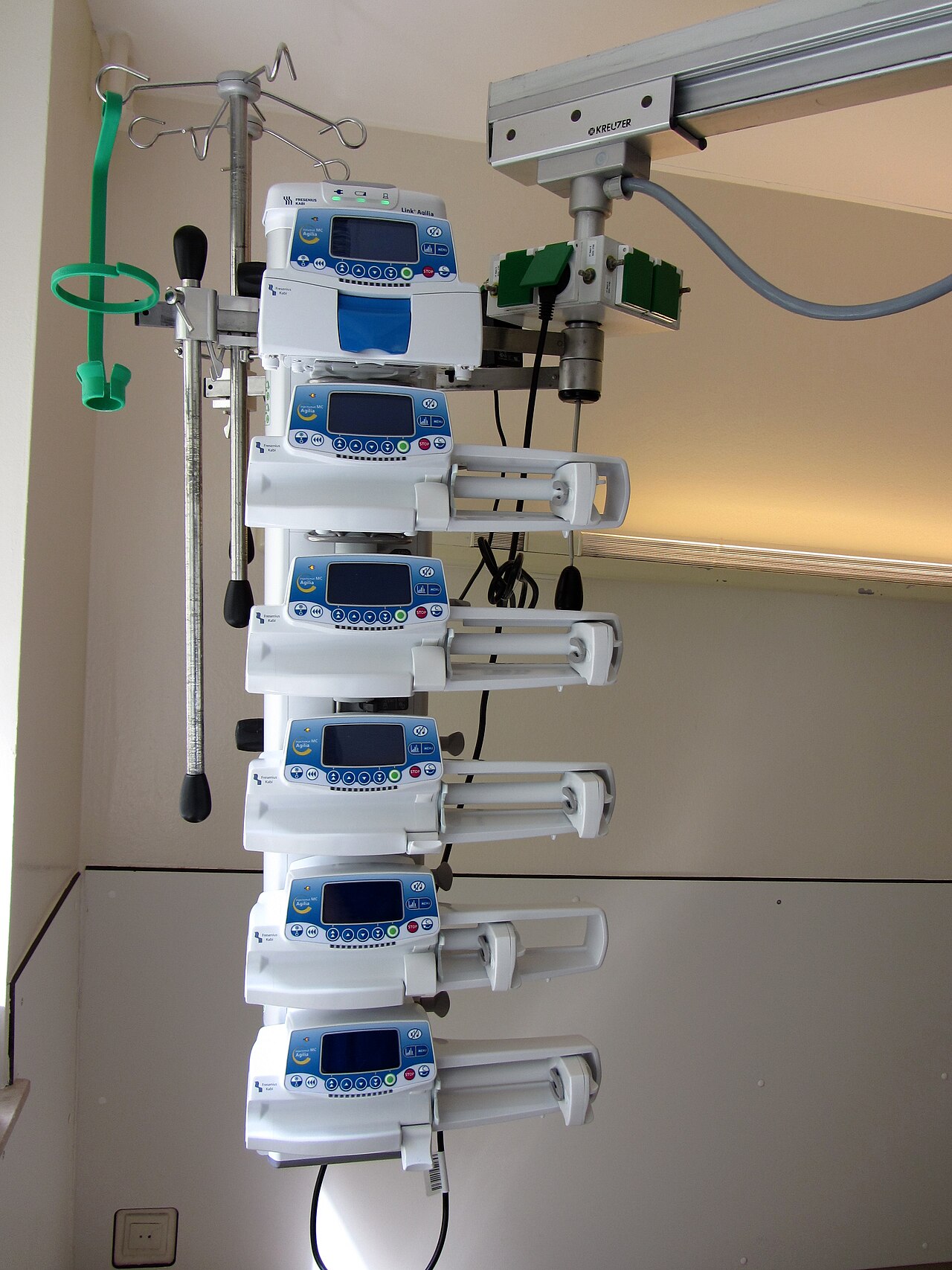

Drugs for comfort are titrated to observed distress (tachypnea, accessory muscle use, grimacing, agitation). They are not titrated to a fixed dose or to a target time of death. Increasing doses in response to distress is ethically supported by the principle of double effect, under which relief of suffering is the intended effect and hastening of death, if it occurs, is foreseen but not intended.
Withdrawal of temporary mechanical support and ECMO
Temporary devices are often placed within minutes, before neurologic status, organ reversibility, and candidacy for durable therapy are known, so the placement is a time-limited trial. A "bridge to nowhere" exists when the patient on support has not recovered native function and is not a candidate for a durable LVAD or transplantation, or when a complication such as intracranial hemorrhage or irreversible multiorgan failure has removed all exits. Discussing these outcomes with the surrogate before or soon after cannulation makes later withdrawal a continuation of the agreed plan. When venoarterial ECMO or a microaxial pump supports nearly all of the circulation, death can follow within minutes of stopping, and reduced circulation limits delivery of drugs given afterward, so opioids and sedatives are given before flow is reduced (Graven 2025). The device-specific weaning and decannulation steps belong to the venoarterial ECMO and temporary support weaning protocols; withdrawal is planned with the palliative team, with time for family to be present.
Comfort-focused care and palliative sedation
Comfort-focused care at the end of life treats dyspnea, pain, agitation, secretions, thirst, and anxiety, and stops interventions that do not contribute to comfort. Palliative sedation is the use of sedatives to reduce consciousness when a dying patient has refractory symptoms that cannot be controlled by other means. Proportionate sedation, usually with midazolam, is titrated to the lowest level that relieves suffering; continuous deep sedation is reserved for the last days of life and refractory distress. Palliative sedation differs from euthanasia in intent (relief of suffering), method (titration to symptom relief), and outcome measure (comfort). The outcome measure in euthanasia is death. Medical aid in dying, legal in some US jurisdictions under specific statutes, is a separate practice; device deactivation and withdrawal of life-sustaining treatment are not forms of it.
Moral distress, clinician conflict, conscientious objection, and ethics consultation
Moral distress arises when clinicians believe they know the ethically right action but cannot carry it out, as when a family insists on continuing support that the team believes causes suffering without benefit, or when a team member objects to withdrawing a device. Nurses and trainees, who deliver the care, often carry the heaviest burden. Prevention includes early goals-of-care discussions, shared team understanding of the plan before family meetings, structured debriefing after deaths, and access to ethics consultation. A clinician with a conscientious objection may step aside only after arranging timely transfer to a willing clinician (Lampert 2010). Ethics consultation helps when surrogates disagree, when the surrogate's decisions appear to depart from the patient's known values, when no surrogate exists, and when clinicians and family disagree about whether a treatment is appropriate.
Medical futility and potentially inappropriate treatment
Critical care societies recommend the term "potentially inappropriate" for treatments that have at least some chance of accomplishing the effect sought by the patient or surrogate but that clinicians believe are not justified by competing ethical considerations. They reserve "futile" for treatments that cannot accomplish their intended physiologic goal. Disputes about potentially inappropriate treatment are resolved by a fair process: expert consultation, notice to the surrogate, a second medical opinion, review by an interdisciplinary hospital committee, an offer of transfer to another institution, and, if those steps fail, the opportunity for external review (Bosslet 2015). In cardiology, examples include continuing ECMO in a patient with irreversible multiorgan failure and no exit strategy, and resuscitation of a patient with end-stage heart failure whose heart has not responded to maximal support. Policies permitting unilateral do-not-resuscitate orders do not extend to deactivation of an implanted device without consent (Graven 2025).
Palliative care in cardiogenic shock and after cardiac arrest
Cardiogenic shock and resuscitated cardiac arrest present with high mortality and an uncertain outcome that clarifies over days. Palliative care in this setting supports surrogates through uncertainty, establishes the patient's values early, frames escalation as time-limited, and prepares the family for either outcome. After cardiac arrest, decisions to withdraw treatment on neurologic grounds wait for multimodal neuroprognostication, and premature withdrawal is avoided; the timing and methods follow the standards for neuroprognostication after cardiac arrest. Withdrawal for refractory shock, multiorgan failure, or a life-limiting comorbidity is distinguished from withdrawal for perceived neurologic prognosis. Exit strategies after cardiogenic shock include the transition to durable therapy or to palliative care.
Death by neurologic criteria and donation after circulatory death
Some patients with anoxic brain injury after cardiac arrest progress to death by neurologic criteria, which is death itself and is not a prognosis; its determination follows the neurologic determination of death after cardiac arrest. When a decision has been made to withdraw life-sustaining treatment in a patient who does not meet neurologic criteria, donation after circulatory death may be possible. US hospitals notify the organ procurement organization of imminent deaths, and the procurement organization or a trained designated requester approaches the family about donation. The treating team does not. The decision to withdraw is made first and independently of donation, the treating team does not participate in organ recovery, and comfort care continues during withdrawal. Cardiac patients, including those with heart failure, can donate other organs, and hearts from donors after circulatory death are transplanted with ex vivo perfusion or normothermic regional perfusion.
Palliative care in non-heart failure cardiovascular disease
Palliative needs are not confined to heart failure. The 2025 AHA statement identifies refractory angina, advanced peripheral artery disease, arrhythmias treated with implanted devices, and severe valve disease as underserved populations, and notes that trials outside heart failure are scarce (Graven 2025).
Severe aortic stenosis and futility of TAVR
When predicted survival after aortic valve replacement is less than 12 months, or minimal improvement in quality of life is expected, the 2020 ACC/AHA valve guideline recommends palliative care after shared decision-making (Class 1). Transcatheter aortic valve replacement (TAVR) is not recommended when life expectancy is less than 1 year even with a successful procedure or when the chance of survival with benefit at 2 years is less than 25% (Otto 2021). Severe frailty that will not improve with valve replacement; advanced dementia; severe lung, liver, or kidney disease; and multiorgan failure predict futility. Palliative management treats congestion with cautious diuresis (preload-dependent patients develop hypotension and syncope with overdiuresis), controls atrial fibrillation, uses opioids for refractory dyspnea or angina, and includes advance care planning and hospice. Balloon aortic valvuloplasty can relieve symptoms for months as palliation. Patients with aortic stenosis are more likely than other cardiovascular decedents to die in hospital (Cross 2019).
Pulmonary hypertension
Advanced pulmonary arterial hypertension causes dyspnea, fatigue, edema, exertional syncope, chest pain, and anxiety about sudden death, and its terminal course is right ventricular failure, arrhythmia, or, less often, hemoptysis. Palliative care is introduced early in high-risk patients and alongside evaluation for lung transplantation. Specific decisions include whether to start or continue parenteral prostacyclin therapy, which requires a permanent central line and pump and whose abrupt interruption can cause rebound pulmonary hypertension and death. Stopping it is planned as withdrawal of a life-sustaining treatment, with premedication for dyspnea and anxiety. Hospice enrollment with parenteral prostacyclins requires a hospice willing to accept the cost. Families of patients at risk of massive hemoptysis are prepared, with dark towels, positioning, and a sedative available. Atrial septostomy and transplantation belong to the management of advanced pulmonary hypertension and end-of-life care in pulmonary arterial hypertension therapy.
Adult congenital heart disease
Adults with complex congenital heart disease, including Fontan circulation, Eisenmenger syndrome, and failing systemic right ventricles, die younger than their peers, often in hospital after aggressive treatment. In a series of 48 adults with congenital heart disease who died in hospital (mean age 37 years), most had complex disease and were in the end stage, but only a minority had documented end-of-life discussions before the terminal admission, and most received continuing aggressive treatment until death (Tobler 2012). Their palliative needs reflect younger age: education, work, relationships, fertility and pregnancy decisions, the meaning of a lifelong illness, and parents who remain closely involved. Transplantation options are limited by prior surgery, sensitization, and liver disease in Fontan circulation. Advance care planning begins in stable periods, revisits decisions at transitions (from pediatric to adult care, before high-risk surgery, at the onset of heart failure), and addresses device therapy and the place of death. Eisenmenger syndrome brings the risks of hemoptysis and sudden death, and Fontan failure brings protein-losing enteropathy, ascites, and liver disease, all with specific palliative needs.
Heart transplant candidates and recipients
Patients evaluated for or listed for heart transplantation face uncertainty about whether and when an organ will arrive, may deteriorate or die while waiting, and may be delisted. Professional recommendations support integrating palliative care into their care before and after transplantation, but palliative consultation is not required for listing, and its role is center-specific (Graven 2025). Palliative care for candidates addresses symptoms, the meaning of hoping for an organ while preparing for the possibility that none will come, advance care planning for death on the waiting list or on temporary support, and caregiver strain. After transplantation, palliative needs arise with severe primary graft dysfunction, chronic rejection or allograft vasculopathy without retransplant options, post-transplant malignancy, and kidney failure. Candidacy for listing turns on the contraindications to heart transplantation.
Refractory angina and coronary artery disease
Refractory angina, chronic angina from ischemia that persists despite maximal anti-anginal therapy and is not amenable to revascularization, causes recurrent pain, activity restriction, depression, and frequent emergency visits. Palliative management continues and optimizes anti-anginal drugs, uses cardiac rehabilitation and psychological approaches to fear and catastrophizing, and adds opioids when other measures fail. Interventional and device options for refractory angina and the sequencing of anti-anginal drugs for refractory symptoms are part of this plan. Advance care planning addresses whether to seek revascularization during an acute coronary syndrome, given prior anatomy.
Cardiac amyloidosis and other non-heart failure cardiac diseases
Cardiac amyloidosis combines heart failure with orthostatic hypotension, neuropathic pain, gastrointestinal dysmotility, and, in light-chain disease, kidney failure and the burdens of chemotherapy. Orthostatic hypotension limits guideline-directed therapy and diuretic doses; compression garments, midodrine, and droxidopa may be used for symptomatic hypotension; neuropathic pain responds to gabapentinoids at reduced doses. Disease-modifying therapies for transthyretin amyloidosis slow progression over months to years, so their continuation in advanced disease and at hospice enrollment is a goals-of-care decision, informed by cardiac amyloidosis staging. End-stage hypertrophic cardiomyopathy with systolic dysfunction behaves like advanced heart failure, with the added burden of a heritable disease and an ICD often implanted at a young age. Patients with both cancer and heart disease carry two disease trajectories, so cardiology, oncology, and palliative care coordinate goals and decisions about cardiotoxic therapy.
Kidney failure and dialysis decisions in cardiorenal disease
Advanced heart failure and advanced kidney disease often coexist, and decisions about starting, continuing, or stopping dialysis are central to palliative planning. In older adults with high comorbidity, particularly heart failure, dialysis may add little survival and substantial time in treatment, and conservative kidney management is a recognized alternative. Withdrawal of dialysis is followed by death, usually within days to weeks, with symptoms of fluid overload, uremia, and hyperkalemia; ultrafiltration may be continued briefly for dyspnea when consistent with goals. ICD deactivation is discussed when dialysis is withdrawn. Fentanyl and methadone are the preferred opioids, hydromorphone is used at one-quarter to one-half the usual starting dose, and morphine is avoided.
Chronic limb-threatening ischemia and peripheral artery disease
Chronic limb-threatening ischemia without revascularization options causes ischemic rest pain, nonhealing wounds, infection, and gangrene, and carries high mortality. In patients with limited life expectancy, nonambulatory status, dementia, or severe frailty, primary amputation may not restore function and may not heal, while palliative wound care (control of pain, infection, odor, and exudate) with opioids and neuropathic agents can keep the patient comfortable. Decisions about amputation turn on the patient's goals: relief of pain, avoidance of sepsis, preservation of mobility, or avoidance of surgery. Compression is avoided when arterial perfusion is poor.
Quality indicators for cardiac palliative care and clinician training
Quality measurement in palliative care uses structure, process, and outcome indicators. The American Academy of Hospice and Palliative Medicine and the Hospice and Palliative Nurses Association selected 10 cross-cutting indicators: comprehensive assessment, screening for physical symptoms, pain treatment, dyspnea screening and management, discussion of emotional or psychological needs, discussion of spiritual or religious concerns, documentation of a surrogate, documentation of treatment preferences, care consistent with documented preferences, and a global measure of patient and family perception of care (Dy 2015). No validated indicator set exists for cardiovascular intensive care; proposed domains include symptom palliation, patient- and family-centered decision-making, continuity of care, and support for clinicians, with structural indicators, palliative screening at admission, and integration of palliative teams (Takaoka 2022).
| Domain | Examples of cardiology-specific measures |
|---|---|
| Communication and planning | Documented surrogate and goals-of-care discussion in patients with stage D heart failure, LVAD, or CICU admission; preparedness plan before durable mechanical support; family meeting within the first days of a prolonged CICU stay |
| Devices | ICD deactivation discussion documented at hospice enrollment or do-not-resuscitate order; shocks in the last 24 hours of life; deactivation discussion before generator replacement in patients with limited prognosis |
| Symptoms | Dyspnea, pain, and depression screened with a standard instrument and treated; bowel regimen with regular opioids |
| End-of-life care | Hospice enrollment and its timing; live discharge from hospice; ICU days and procedures in the last month of life; place of death concordant with stated preference |
| Family | Bereavement contact after death; family-reported quality of communication and of dying |
Quality measures for palliative care in cardiology. Sources: Dy 2015; Takaoka 2022; Kinch Westerdahl 2014; Russell 2019.
Training is the main lever for primary palliative care, because cardiology clinicians carry most of the work (Graven 2025). Competencies for cardiology trainees and practicing clinicians include delivering serious news, discussing prognosis, leading family meetings, eliciting goals and making recommendations, managing dyspnea, pain, and depression, discussing and arranging device deactivation, applying hospice rules, and recognizing when to involve specialist palliative care. Communication skills improve with structured, practice-based training using simulated patients and observed conversations; the Serious Illness Care Program trained clinicians in a single session with high ratings of usefulness (Bernacki 2019).
Common errors in palliative care for cardiovascular disease
- Waiting for prognostic certainty before discussing goals of care. The heart failure trajectory does not provide it, and the conversation is most useful before a crisis.
- Treating palliative care and disease-directed therapy as alternatives. Diuretics, rate control, and other guideline-directed drugs relieve symptoms and continue as long as they serve the patient's goals.
- Assuming a do-not-resuscitate order deactivates an ICD. Shock therapy remains active until the device is reprogrammed or a magnet is applied.
- Turning off pacing along with shocks without discussing the consequences. Pacing that relieves symptoms usually continues, and deactivation in a pacing-dependent patient can cause death within minutes.
- Stopping an LVAD before premedicating. Drugs given after the pump stops circulate poorly, so dyspnea and anxiety are treated first.
- Using the surprise question or a risk model as a test for hospice eligibility. They screen for palliative needs; hospice certification rests on clinical judgment and documentation of decline.
- Prescribing regular long-acting opioids for chronic breathlessness in ambulatory patients. Randomized trials (Oxberry 2011; Johnson 2025) found no benefit over placebo and more adverse effects.
- Using morphine in patients with severe kidney dysfunction. Active metabolites accumulate; fentanyl, methadone, or reduced-dose hydromorphone is chosen.
- Asking surrogates what they want. The surrogate's task is to represent what the patient would want.
- Enrolling a patient on inotropes, prostacyclin, or an LVAD in hospice without confirming that the hospice accepts the therapy and without a plan for stopping it.
- Discharging a hospice patient with heart failure without a crisis plan, leading to a 911 call and hospitalization.
References
- Heidenreich PA, Bozkurt B, Aguilar D, et al. 2022 AHA/ACC/HFSA guideline for the management of heart failure: a report of the American College of Cardiology/American Heart Association Joint Committee on Clinical Practice Guidelines. Circulation. 2022;145:e895–e1032. Corrections: Circulation. 2022;145:e1033; 2022;146:e185; 2023;147:e674. doi:10.1161/CIR.0000000000001063
- Braun LT, Grady KL, Kutner JS, et al. Palliative care and cardiovascular disease and stroke: a policy statement from the American Heart Association/American Stroke Association. Circulation. 2016;134:e198–e225. doi:10.1161/CIR.0000000000000438
- Graven LJ, Kitko L, Abshire Saylor M, et al. Palliative care and advanced cardiovascular disease in adults: not just end-of-life care: a scientific statement from the American Heart Association. Circulation. 2025;151:e1030–e1042. doi:10.1161/CIR.0000000000001323
- Bohula EA, Landzberg MJ, Menon V, et al. Palliative and end-of-life care during critical cardiovascular illness: a scientific statement from the American Heart Association. Circulation. 2025;151:e1075–e1090. doi:10.1161/CIR.0000000000001334
- Di Palo KE, Feder S, Baggenstos YT, et al. Palliative pharmacotherapy for cardiovascular disease: a scientific statement from the American Heart Association. Circ Cardiovasc Qual Outcomes. 2024;17:e000131. doi:10.1161/HCQ.0000000000000131
- Allen LA, Stevenson LW, Grady KL, et al. Decision making in advanced heart failure: a scientific statement from the American Heart Association. Circulation. 2012;125:1928–1952. doi:10.1161/CIR.0b013e31824f2173
- Hill L, Prager Geller T, Baruah R, et al. Integration of a palliative approach into heart failure care: a European Society of Cardiology Heart Failure Association position paper. Eur J Heart Fail. 2020;22:2327–2339. doi:10.1002/ejhf.1994
- Blum M, Goldstein NE, Jaarsma T, Allen LA, Gelfman LP. Palliative care in heart failure guidelines: a comparison of the 2021 ESC and the 2022 AHA/ACC/HFSA guidelines on heart failure. Eur J Heart Fail. 2023;25:1849–1855. doi:10.1002/ejhf.2981
- Lampert R, Hayes DL, Annas GJ, et al. HRS expert consensus statement on the management of cardiovascular implantable electronic devices (CIEDs) in patients nearing end of life or requesting withdrawal of therapy. Heart Rhythm. 2010;7:1008–1026. doi:10.1016/j.hrthm.2010.04.033
- Al-Khatib SM, Stevenson WG, Ackerman MJ, et al. 2017 AHA/ACC/HRS guideline for management of patients with ventricular arrhythmias and the prevention of sudden cardiac death. Circulation. 2018;138:e272–e391. Correction: Circulation. 2018;138:e419–e420. doi:10.1161/CIR.0000000000000549
- Otto CM, Nishimura RA, Bonow RO, et al. 2020 ACC/AHA guideline for the management of patients with valvular heart disease: a report of the American College of Cardiology/American Heart Association Joint Committee on Clinical Practice Guidelines. Circulation. 2021;143:e72–e227. doi:10.1161/CIR.0000000000000923
- Saeed D, Feldman D, El Banayosy A, et al. The 2023 International Society for Heart and Lung Transplantation guidelines for mechanical circulatory support: a 10-year update. J Heart Lung Transplant. 2023;42:e1–e222. doi:10.1016/j.healun.2022.12.004
- Centers for Medicare & Medicaid Services. National coverage determination: ventricular assist devices (20.9.1), version 2, effective December 1, 2020. https://www.cms.gov/medicare-coverage-database/view/ncd.aspx?ncdid=360
- Centers for Medicare & Medicaid Services. Local coverage determination L34538: Hospice—determining terminal status. https://www.cms.gov/medicare-coverage-database/view/lcd.aspx?lcdid=34538
- Centers for Medicare & Medicaid Services. Hospice care: conditions of participation and payment. 42 CFR Part 418; Social Security Act §1861(dd). https://www.ecfr.gov/current/title-42/chapter-IV/subchapter-B/part-418
- Fang JC, Ewald GA, Allen LA, et al. Advanced (stage D) heart failure: a statement from the Heart Failure Society of America Guidelines Committee. J Card Fail. 2015;21:519–534. doi:10.1016/j.cardfail.2015.04.013
- Rogers JG, Patel CB, Mentz RJ, et al. Palliative care in heart failure: the PAL-HF randomized, controlled clinical trial. J Am Coll Cardiol. 2017;70:331–341. doi:10.1016/j.jacc.2017.05.030
- Bekelman DB, Allen LA, McBryde CF, et al. Effect of a collaborative care intervention vs usual care on health status of patients with chronic heart failure: the CASA randomized clinical trial. JAMA Intern Med. 2018;178:511–519. doi:10.1001/jamainternmed.2017.8667
- Bakitas MA, Dionne-Odom JN, Ejem DB, et al. Effect of an early palliative care telehealth intervention vs usual care on patients with heart failure: the ENABLE CHF-PC randomized clinical trial. JAMA Intern Med. 2020;180:1203–1213. doi:10.1001/jamainternmed.2020.2861
- O'Donnell AE, Schaefer KG, Stevenson LW, et al. Social worker-aided palliative care intervention in high-risk patients with heart failure (SWAP-HF): a pilot randomized clinical trial. JAMA Cardiol. 2018;3:516–519. doi:10.1001/jamacardio.2018.0589
- Allen LA, McIlvennan CK, Thompson JS, et al. Effectiveness of an intervention supporting shared decision making for destination therapy left ventricular assist device: the DECIDE-LVAD randomized clinical trial. JAMA Intern Med. 2018;178:520–529. doi:10.1001/jamainternmed.2017.8713
- Downar J, Goldman R, Pinto R, Englesakis M, Adhikari NK. The “surprise question” for predicting death in seriously ill patients: a systematic review and meta-analysis. CMAJ. 2017;189:E484–E493. doi:10.1503/cmaj.160775
- Goldstein NE, Lampert R, Bradley E, Lynn J, Krumholz HM. Management of implantable cardioverter defibrillators in end-of-life care. Ann Intern Med. 2004;141:835–838. doi:10.7326/0003-4819-141-11-200412070-00006
- Kinch Westerdahl A, Sjöblom J, Mattiasson AC, Rosenqvist M, Frykman V. Implantable cardioverter-defibrillator therapy before death: high risk for painful shocks at end of life. Circulation. 2014;129:422–429. doi:10.1161/CIRCULATIONAHA.113.002648
- Dunlay SM, Strand JJ, Wordingham SE, et al. Dying with a left ventricular assist device as destination therapy. Circ Heart Fail. 2016;9:e003096. doi:10.1161/CIRCHEARTFAILURE.116.003096
- Johnson MJ, McDonagh TA, Harkness A, McKay SE, Dargie HJ. Morphine for the relief of breathlessness in patients with chronic heart failure—a pilot study. Eur J Heart Fail. 2002;4:753–756. doi:10.1016/S1388-9842(02)00158-7
- Oxberry SG, Torgerson DJ, Bland JM, et al. Short-term opioids for breathlessness in stable chronic heart failure: a randomized controlled trial. Eur J Heart Fail. 2011;13:1006–1012. doi:10.1093/eurjhf/hfr068
- Ekström M, Ferreira D, Chang S, et al. Effect of regular, low-dose, extended-release morphine on chronic breathlessness in chronic obstructive pulmonary disease: the BEAMS randomized clinical trial. JAMA. 2022;328:2022–2032. doi:10.1001/jama.2022.20206
- Johnson MJ, Williams B, Keerie C, et al. Morphine for chronic breathlessness (MABEL) in the UK: a multi-site, parallel-group, dose titration, double-blind, randomised, placebo-controlled trial. Lancet Respir Med. 2025;13:967–977. doi:10.1016/S2213-2600(25)00205-X
- Domínguez-Rodríguez A, Suero-Mendez C, Burillo-Putze G, et al. Midazolam versus morphine in acute cardiogenic pulmonary oedema: results of a multicentre, open-label, randomized controlled trial. Eur J Heart Fail. 2022;24:1953–1962. doi:10.1002/ejhf.2602
- Abernethy AP, McDonald CF, Frith PA, et al. Effect of palliative oxygen versus room air in relief of breathlessness in patients with refractory dyspnoea: a double-blind, randomised controlled trial. Lancet. 2010;376:784–793. doi:10.1016/S0140-6736(10)61115-4
- Galbraith S, Fagan P, Perkins P, Lynch A, Booth S. Does the use of a handheld fan improve chronic dyspnea? A randomized, controlled, crossover trial. J Pain Symptom Manage. 2010;39:831–838. doi:10.1016/j.jpainsymman.2009.09.024
- O'Connor CM, Jiang W, Kuchibhatla M, et al. Safety and efficacy of sertraline for depression in patients with heart failure: results of the SADHART-CHF trial. J Am Coll Cardiol. 2010;56:692–699. doi:10.1016/j.jacc.2010.03.068
- Angermann CE, Gelbrich G, Störk S, et al. Effect of escitalopram on all-cause mortality and hospitalization in patients with heart failure and depression: the MOOD-HF randomized clinical trial. JAMA. 2016;315:2683–2693. doi:10.1001/jama.2016.7635
- Freedland KE, Carney RM, Rich MW, Steinmeyer BC, Rubin EH. Cognitive behavior therapy for depression and self-care in heart failure patients: a randomized clinical trial. JAMA Intern Med. 2015;175:1773–1782. doi:10.1001/jamainternmed.2015.5220
- Kutner JS, Blatchford PJ, Taylor DH Jr, et al. Safety and benefit of discontinuing statin therapy in the setting of advanced, life-limiting illness: a randomized clinical trial. JAMA Intern Med. 2015;175:691–700. doi:10.1001/jamainternmed.2015.0289
- Herrmann JJ, Brunner-La Rocca HP, Baltussen LEHJM, et al. Liberal fluid intake versus fluid restriction in chronic heart failure: a randomized clinical trial. Nat Med. 2025;31:2062–2068. doi:10.1038/s41591-025-03628-4
- Ezekowitz JA, Colin-Ramirez E, Ross H, et al. Reduction of dietary sodium to less than 100 mmol in heart failure (SODIUM-HF): an international, open-label, randomised, controlled trial. Lancet. 2022;399:1391–1400. doi:10.1016/S0140-6736(22)00369-5
- Cowie MR, Woehrle H, Wegscheider K, et al. Adaptive servo-ventilation for central sleep apnea in systolic heart failure. N Engl J Med. 2015;373:1095–1105. doi:10.1056/NEJMoa1506459
- US Food and Drug Administration. Furoscix (furosemide injection) for subcutaneous use: prescribing information. Revised 2026. https://www.accessdata.fda.gov/drugsatfda_docs/label/2026/209988s007lbl.pdf
- Bernacki R, Paladino J, Neville BA, et al. Effect of the Serious Illness Care Program in outpatient oncology: a cluster randomized clinical trial. JAMA Intern Med. 2019;179:751–759. doi:10.1001/jamainternmed.2019.0077
- Childers JW, Back AL, Tulsky JA, Arnold RM. REMAP: a framework for goals of care conversations. J Oncol Pract. 2017;13:e844–e850. doi:10.1200/JOP.2016.018796
- Baile WF, Buckman R, Lenzi R, Glober G, Beale EA, Kudelka AP. SPIKES—a six-step protocol for delivering bad news: application to the patient with cancer. Oncologist. 2000;5:302–311. doi:10.1634/theoncologist.5-4-302
- Lautrette A, Darmon M, Megarbane B, et al. A communication strategy and brochure for relatives of patients dying in the ICU. N Engl J Med. 2007;356:469–478. doi:10.1056/NEJMoa063446
- White DB, Angus DC, Shields AM, et al. A randomized trial of a family-support intervention in intensive care units. N Engl J Med. 2018;378:2365–2375. doi:10.1056/NEJMoa1802637
- Davidson JE, Aslakson RA, Long AC, et al. Guidelines for family-centered care in the neonatal, pediatric, and adult ICU. Crit Care Med. 2017;45:103–128. doi:10.1097/CCM.0000000000002169
- Quill TE, Holloway R. Time-limited trials near the end of life. JAMA. 2011;306:1483–1484. doi:10.1001/jama.2011.1413
- Truog RD, Campbell ML, Curtis JR, et al. Recommendations for end-of-life care in the intensive care unit: a consensus statement by the American College of Critical Care Medicine. Crit Care Med. 2008;36:953–963. doi:10.1097/CCM.0B013E3181659096
- Bosslet GT, Pope TM, Rubenfeld GD, et al. An official ATS/AACN/ACCP/ESICM/SCCM policy statement: responding to requests for potentially inappropriate treatments in intensive care units. Am J Respir Crit Care Med. 2015;191:1318–1330. doi:10.1164/rccm.201505-0924ST
- Cross SH, Kaufman BG, Mentz RJ, Kamal AH, Taylor DH Jr, Warraich HJ. Trends in place of death for individuals with cardiovascular disease in the United States. J Am Coll Cardiol. 2019;74:1943–1946. doi:10.1016/j.jacc.2019.08.1015
- Russell D, Baik D, Jordan L, et al. Factors associated with live discharge of heart failure patients from hospice: a multimethod study. JACC Heart Fail. 2019;7:550–557. doi:10.1016/j.jchf.2019.01.010
- Jones CD, Moss A, Sevick C, et al. Factors associated with mortality and hospice use among Medicare beneficiaries with heart failure who received home health services. J Card Fail. 2024;30:788–799. doi:10.1016/j.cardfail.2023.11.019
- Sacco A, Pagnesi M, Frea S, et al. Transitioning to palliative care in an Italian cardiac intensive care unit network. Am J Crit Care. 2024;33:145–148. doi:10.4037/ajcc2024535
- Aune E, McMurray J, Lundgren P, et al. Clinical characteristics and survival in patients with heart failure experiencing in hospital cardiac arrest. Sci Rep. 2022;12:5685. doi:10.1038/s41598-022-09510-4
- Dy SM, Kiley KB, Ast K, et al. Measuring what matters: top-ranked quality indicators for hospice and palliative care from the American Academy of Hospice and Palliative Medicine and Hospice and Palliative Nurses Association. J Pain Symptom Manage. 2015;49:773–781. doi:10.1016/j.jpainsymman.2015.01.012
- Takaoka Y, Hamatani Y, Shibata T, et al. Quality indicators of palliative care for cardiovascular intensive care. J Intensive Care. 2022;10:15. doi:10.1186/s40560-022-00607-6
- Tobler D, Greutmann M, Colman JM, et al. End-of-life care in hospitalized adults with complex congenital heart disease: care delayed, care denied. Palliat Med. 2012;26:72–79. doi:10.1177/0269216311407694
- Chuzi S, Saylor MA, Allen LA, et al. Integration of palliative care into heart failure care: consensus-based recommendations from the Heart Failure Society of America. J Card Fail. 2025;31:559–573. doi:10.1016/j.cardfail.2024.10.435
- Lorusso R, Shekar K, MacLaren G, et al. ELSO interim guidelines for venoarterial extracorporeal membrane oxygenation in adult cardiac patients. ASAIO J. 2021;67:827–844. Erratum: ASAIO J. 2022;68:e133. doi:10.1097/MAT.0000000000001510
- Özkartal T, Demarchi A, Caputo ML, et al. Perioperative management of patients with cardiac implantable electronic devices and utility of magnet application. J Clin Med. 2022;11:691. doi:10.3390/jcm11030691
- Feng Z, Fonarow GC, Ziaeian B. Palliative care services in patients admitted with cardiogenic shock in the United States: frequency and predictors of 30-day readmission. J Card Fail. 2021;27:560–567. doi:10.1016/j.cardfail.2021.01.020
- Vallabhajosyula S, Prasad A, Dunlay SM, et al. Utilization of palliative care for cardiogenic shock complicating acute myocardial infarction: a 15-year national perspective on trends, disparities, predictors, and outcomes. J Am Heart Assoc. 2019;8:e011954. doi:10.1161/JAHA.119.011954