Library › Prevention › Hypertension
Hypertension in adults
Hypertension in adults from measurement and PREVENT-based treatment decisions under the 2025 AHA/ACC guideline through resistant and secondary hypertension, renal denervation, hypertensive emergencies, and special populations.
Under the 2025 AHA/ACC guideline, hypertension is an average blood pressure of 130/80 mm Hg or higher, and the treatment goal for most adults is below 130/80 mm Hg, with systolic pressure below 120 mm Hg encouraged when tolerated. Medication starts at once at 140/90 mm Hg, at 130/80 mm Hg with cardiovascular disease, diabetes, chronic kidney disease, or a 10-year cardiovascular risk of 7.5% or more by the Predicting Risk of Cardiovascular Disease EVENTs (PREVENT) equations, and after 3 to 6 months of lifestyle treatment in everyone else whose pressure stays at or above 130/80 mm Hg.
Blood pressure categories in the 2025 AHA/ACC guideline
The 2025 American Heart Association/American College of Cardiology (AHA/ACC) guideline, written with 11 other organizations, replaces the 2017 ACC/AHA document and keeps its four categories. The categories apply to the average of at least two readings obtained on at least two occasions with standardized technique, never to a single reading. When systolic and diastolic pressures fall into different categories, the higher category applies. Isolated diastolic hypertension (systolic below 130 mm Hg with diastolic 80 mm Hg or higher) is classified as stage 1 or stage 2 hypertension by the diastolic value alone.
| Category | Systolic (mm Hg) | Diastolic (mm Hg) | Default management | |
|---|---|---|---|---|
| Normal | <120 | and | <80 | Healthy lifestyle |
| Elevated | 120–129 | and | <80 | Lifestyle intervention |
| Stage 1 hypertension | 130–139 | or | 80–89 | Lifestyle; medication by risk (PREVENT, clinical CVD, diabetes, CKD) or after 3 to 6 months |
| Stage 2 hypertension | ≥140 | or | ≥90 | Lifestyle plus two first-line drugs, preferably in one pill |
| Severe hypertension | >180 | and/or | >120 | Without acute target-organ damage: prompt oral therapy. With it: hypertensive emergency |
Adapted from the 2025 AHA/ACC guideline. Severe hypertension is a clinical description within stage 2, not a fifth category; the 2025 guideline uses the term in place of "hypertensive urgency." CVD, cardiovascular disease; CKD, chronic kidney disease.
The 130/80 mm Hg definition rests on observational data showing a continuous, log-linear relation between pressure and cardiovascular events from about 115/75 mm Hg upward, and on trials in which treating to a lower target reduced events. The category label does not by itself decide drug treatment; the decision depends on the category, the predicted risk, and the response to lifestyle treatment.
What changed from the 2017 ACC/AHA guideline
The 2025 guideline keeps the 2017 definitions and the overall goal. The changes concern how risk is estimated, when lower-risk stage 1 hypertension is treated, how stage 2 treatment begins, how widely secondary causes are sought, and where devices fit.
| Topic | 2017 ACC/AHA | 2025 AHA/ACC |
|---|---|---|
| Risk tool | Pooled cohort equations, 10-year ASCVD risk, ages 40–79 | PREVENT equations, 10-year total CVD risk (ASCVD plus heart failure), ages 30–79 |
| Stage 1 threshold for drugs | Clinical CVD or 10-year ASCVD risk ≥10% | Clinical CVD, prior stroke, diabetes, CKD, or 10-year PREVENT CVD risk ≥7.5% |
| Lower-risk stage 1 | Nonpharmacologic therapy and reassessment in 3 to 6 months | Medication recommended if average blood pressure (BP) stays ≥130/80 after a 3- to 6-month lifestyle trial (Class 1) |
| Goal | <130/80 for most adults | <130/80 for all adults, with encouragement toward systolic <120 |
| Stage 2 start | Two first-line drugs of different classes | Two first-line drugs, preferably as a single-pill combination over separate pills |
| Race | Thiazide-type diuretic or CCB preferred initial therapy in Black adults | Drug selection independent of race; demographic factors discussed within each section |
| Laboratory evaluation | Urine albumin optional | Urine albumin-to-creatinine ratio for all adults with hypertension |
| Primary aldosteronism | Screening with resistant hypertension or hypokalemia | Screening in resistant hypertension regardless of potassium (Class 1); may be considered in stage 2 hypertension; most drugs continued during screening |
| Severe BP without organ injury | "Hypertensive urgency" | "Severe hypertension," treated orally as an outpatient; no intermittent intravenous or oral doses for asymptomatic inpatients |
| Renal denervation | Not recommended outside trials | May be considered in selected resistant or drug-intolerant patients (Class 2b) |
| Cognition | BP lowering reasonable to prevent cognitive decline | Systolic goal <130 to reduce mild cognitive impairment and dementia (Class 1) |
| Lifestyle | Weight loss, Dietary Approaches to Stop Hypertension (DASH) diet, sodium, potassium, exercise, alcohol | Same, with a 5% weight-loss goal, potassium-based salt substitutes (Class 2a), alcohol abstinence preferred, and stress reduction as an adjunct (Class 2b) |
Sources: 2017 and 2025 guidelines and the 2025 Guideline-at-a-Glance. ASCVD, atherosclerotic cardiovascular disease; CCB, calcium channel blocker.
Prevalence, control rates, and cardiovascular burden of hypertension
Nearly half of US adults meet the 130/80 mm Hg definition. National survey data for 2021 to 2023 put the prevalence at 47.7%, with only about one in five adults with hypertension controlled below 130/80 mm Hg, and control at the older 140/90 mm Hg standard has not improved over the past decade. Worldwide, about 1.3 billion adults have hypertension; the World Health Organization estimates that about half are diagnosed and about one in five is controlled. High systolic pressure is the leading modifiable risk factor for cardiovascular death and disability worldwide. Cardiovascular risk rises log-linearly with pressure, roughly doubling for each 20 mm Hg of systolic or 10 mm Hg of diastolic pressure, and in people without other risk factors relative risk begins to rise at systolic pressures as low as 90 mm Hg. Adults whose treated pressure is below 120/80 mm Hg still carry about twice the cardiovascular risk of untreated adults with pressure below 120/80 mm Hg, which argues for preventing the rise in pressure in the first place. Among US adults with hypertension, 72.6% have overweight or obesity, 16.6% smoke, 12.3% have diabetes, and 13.4% have diagnosed chronic kidney disease. The remaining lifetime risk of hypertension in middle age is 80% to 90%.
Prevalence rises steeply with age because large-artery stiffening raises systolic pressure; diastolic pressure rises until about the fifth decade and then plateaus or falls, so isolated systolic hypertension dominates in older adults and isolated diastolic hypertension is more common in younger adults. Prevalence and severity are higher in Black adults in the United States, who develop hypertension earlier and have higher rates of stroke, heart failure, and kidney failure attributable to it. Onset before age 45 is associated with more than twice the risk of cardiovascular disease and death compared with later onset.
Hypertension is a cause or major contributor in stroke, coronary disease, heart failure with preserved and reduced ejection fraction, atrial fibrillation, aortic aneurysm and dissection, peripheral artery disease, chronic kidney disease, and vascular cognitive impairment. Hypertensive kidney disease is the second most common cause of kidney failure.
Pathophysiology: sodium, the renin-angiotensin system, and the sympathetic nervous system
Arterial pressure is the product of cardiac output and systemic vascular resistance, and long-term pressure is set by the kidney. Through pressure natriuresis, a rise in renal perfusion pressure increases sodium excretion until volume and pressure return to their set point. In primary hypertension that set point is shifted upward, so the kidney excretes a normal sodium load only at a higher arterial pressure.
Several mechanisms converge on this shift. The sympathetic nervous system is overactive in many patients, constricting arterioles, stimulating renin release, and increasing tubular sodium reabsorption; obesity, insulin resistance, and obstructive sleep apnea amplify sympathetic outflow. The renin-angiotensin-aldosterone system stays active when it should be suppressed: angiotensin II constricts arterioles and promotes proximal sodium reabsorption, and aldosterone increases distal sodium reabsorption through the epithelial sodium channel and drives myocardial and vascular fibrosis. Endothelial dysfunction reduces nitric oxide availability, and innate and adaptive immune activation contributes to renal and vascular injury. Salt sensitivity is a pressure rise in response to a sodium load that another person would excrete without a change in pressure. It is more common in older adults, in Black adults, and in chronic kidney disease, and it predicts a good response to diuretics and sodium restriction.
With age, collagen replaces elastin in the aortic wall, pulse-wave velocity increases, and the reflected wave returns in systole instead of diastole. Systolic and pulse pressures rise, diastolic pressure falls, and left ventricular afterload increases while coronary perfusion pressure in diastole falls. This explains the predominance of isolated systolic hypertension after age 60.
No single mechanism defines primary hypertension. Renal, vascular, neural, and hormonal changes together hold pressure at a higher operating point, so two patients with the same reading can respond differently to the same drug. Combinations that act at different points (renin-angiotensin blockade, calcium channel blockade, and diuretic therapy) lower pressure more than any single agent at a higher dose.
Outcome benefit of lowering blood pressure
The benefit of treatment is proportional to the reduction achieved. In an individual-participant meta-analysis of 48 randomized trials with 344,716 participants, each 5-mm Hg reduction in systolic pressure lowered the risk of major cardiovascular events by about 10%. The benefit was proportional across baseline pressures, including below 130 mm Hg, and in patients with and without prior cardiovascular disease. Earlier meta-analyses estimated that a 10-mm Hg reduction lowers the risk of stroke by about 27%, heart failure by about 28%, coronary disease by about 17%, and all-cause mortality by about 13%.
Absolute benefit depends on absolute risk. The same relative reduction prevents more events in a 70-year-old with diabetes than in a 35-year-old with stage 1 hypertension, which is the logic for using predicted risk to time medication in stage 1. The guideline nonetheless treats persistent stage 1 hypertension in younger, lower-risk adults, because years of exposure to elevated pressure produce target-organ damage and higher lifetime risk that a 10-year estimate does not capture.
Measuring blood pressure in the office
Nonstandardized office readings average 5 to 10 mm Hg higher than standardized readings, enough to misclassify a large share of patients near the 130/80 mm Hg threshold. A validated automated oscillometric upper-arm device is preferred; auscultation remains the reference when an automated device is inaccurate, as with frequent arrhythmia. Standardized office measurement is a Class 1 recommendation, and the preference for a validated automated oscillometric device over auscultation is Class 2a. Cuffless devices, including smartwatches, are not recommended for the diagnosis or management of high blood pressure (Class 3: No Benefit). Few validation protocols exist, and accuracy varies widely between devices; the Institute of Electrical and Electronics Engineers standard asks for a mean absolute difference below 7 mm Hg from a reference device. Staff who measure pressure receive initial training and competency checks, ideally every 6 to 12 months.
- Preparation: no caffeine, exercise, or smoking for at least 30 minutes; bladder emptied; seated quietly for at least 5 minutes before the first reading. Neither the patient nor the observer talks during the rest period or the measurement.
- Position: seated with the back supported, legs uncrossed, and feet flat on the floor; the arm bare and supported on a desk, with the middle of the cuff at the level of the right atrium (midsternum).
- Cuff: the bladder encircles 75% to 100% of the arm circumference, selected from the measured mid-arm circumference. A cuff that is too small overestimates pressure.
- Readings: at the first visit, both arms are measured and the arm with the higher pressure is used thereafter. At least two readings are taken 1 to 2 minutes apart and averaged; the patient's pressure is the average of readings from at least two occasions.
- Recording: systolic and diastolic values are recorded with the arm, position, cuff size, and time of the last antihypertensive dose.
| Mid-arm circumference | Cuff | Bladder size (width × length) |
|---|---|---|
| 22–26 cm | Small adult | 12 × 22 cm |
| 27–34 cm | Adult | 16 × 30 cm |
| 35–44 cm | Large adult | 16 × 36 cm |
| 45–52 cm | Adult thigh | 16 × 42 cm |
Cuff selection from the 2017 ACC/AHA guideline and the 2019 AHA scientific statement on blood pressure measurement. For an arm too large or conical for a thigh cuff, a validated forearm or wrist measurement with the wrist at heart level is an alternative.
Automated office blood pressure, in which a device takes several readings after a rest period with or without staff in the room, reduces the white-coat effect and approximates daytime ambulatory pressure. The Systolic Blood Pressure Intervention Trial (SPRINT) used an automated protocol with 5 minutes of rest and the average of three readings. Whether staff were present made little difference to achieved pressure or to the treatment effect, so a fixed conversion between SPRINT readings and routine clinic readings is not supported. Trial targets apply only when pressure is measured with a comparable standardized method.
In atrial fibrillation, beat-to-beat variation in stroke volume makes single readings unreliable; several readings are averaged, and auscultation or a device validated in atrial fibrillation is used. In very stiff, calcified arteries, cuff pressure can exceed intra-arterial pressure (pseudohypertension). It is suspected when high readings coexist with symptoms of hypotension on treatment or with no target-organ damage, and intra-arterial measurement settles the question; the Osler maneuver is not reliable for the diagnosis.
Home and ambulatory blood pressure monitoring
Out-of-office pressure predicts cardiovascular events and death more strongly than office pressure. The 2025 guideline recommends home or ambulatory monitoring to confirm the diagnosis of hypertension, and home monitoring combined with cointerventions such as education and telehealth to guide titration (both Class 1). Out-of-office monitoring is reasonable to exclude white-coat hypertension in untreated adults, and a white-coat effect in treated adults, when office pressure is 130/80 mm Hg or higher but below 160/100 mm Hg (Class 2a). Patients at 160/100 mm Hg or higher are treated or intensified promptly, because white-coat hypertension is uncommon at that level. It is also reasonable in apparent resistant hypertension and, after a diagnosis of white-coat or masked hypertension, to detect transition to sustained hypertension (Class 2a). Out-of-office monitoring may be reasonable to exclude masked hypertension, or masked uncontrolled hypertension in treated adults, when office pressure is below 130/80 mm Hg (Class 2b).
Ambulatory monitoring is preferred for white-coat and masked hypertension in untreated adults. Home monitoring is preferred for the white-coat effect and masked uncontrolled hypertension in treated adults, because it is easier to repeat. Home monitoring alone, or enhanced only by a smartphone application, lowers pressure little; combined with cointerventions such as team-based care and a treatment protocol, it improves control rates more than office-based care alone.
Home monitoring. A validated upper-arm device with the correct cuff is used under the same conditions as office measurement. The standard protocol is two readings 1 minute apart in the morning before medication and in the evening before dinner, for 7 days before a clinic visit, with the average reported. The device is checked against office measurement once. Wrist and finger devices are less accurate and are not used for diagnosis.
Ambulatory monitoring. A device records pressure every 15 to 30 minutes over 24 hours, giving daytime, nighttime, and 24-hour averages, the nocturnal dipping pattern, and the morning surge. It is the reference method for white-coat and masked hypertension, nocturnal hypertension, and apparent resistant hypertension, and for episodic symptoms suggestive of hypotension on treatment.
| Office (clinic) | Home | Daytime ambulatory | Nighttime ambulatory | 24-hour ambulatory |
|---|---|---|---|---|
| 120/80 | 120/80 | 120/80 | 100/65 | 115/75 |
| 130/80 | 130/80 | 130/80 | 110/65 | 125/75 |
| 140/90 | 135/85 | 135/85 | 120/70 | 130/80 |
| 160/100 | 145/90 | 145/90 | 140/85 | 145/90 |
Corresponding values for office, home, and ambulatory measurement in the ACC/AHA guidelines (mm Hg). The 130/80 row is the diagnostic and treatment threshold for each method. The values diverge at higher pressures because the white-coat effect grows with the level of office pressure.
White-coat, masked, and nocturnal hypertension
Comparing office with out-of-office pressure defines four phenotypes in untreated patients, and corresponding phenotypes in treated patients.
| Phenotype | Office | Home or daytime ambulatory | Prognosis and management |
|---|---|---|---|
| Sustained normotension | <130/80 | <130/80 | Lowest risk |
| White-coat hypertension | ≥130/80 | <130/80 | Risk close to normotension in most studies; lifestyle treatment and periodic out-of-office measurement, since many progress to sustained hypertension |
| Masked hypertension | <130/80 | ≥130/80 | Risk similar to sustained hypertension; treated as hypertension and invisible without out-of-office measurement |
| Sustained hypertension | ≥130/80 | ≥130/80 | Treated by category and risk |
| White-coat effect (treated) | Above goal | At goal | Intensification is not indicated; a common cause of pseudoresistance |
| Masked uncontrolled (treated) | At goal | Above goal | Intensification indicated |
Out-of-office thresholds are those of the 2025 guideline. The 2024 European Society of Cardiology (ESC) guideline uses home and daytime thresholds of 135/85 mm Hg.
Masked hypertension is more common in younger adults, men, smokers, people with obesity, diabetes, chronic kidney disease, or obstructive sleep apnea, and in those whose office pressure is in the elevated or high stage 1 range. Office pressure in the 120 to 129 mm Hg systolic range together with target-organ damage, such as left ventricular hypertrophy or albuminuria, is a typical prompt for out-of-office measurement.
Normal pressure falls by 10% to 20% during sleep. A nocturnal fall of less than 10% is nondipping; a rise during sleep is reverse dipping. Nocturnal hypertension (nighttime average 110/65 mm Hg or higher) and nondipping are associated with obstructive sleep apnea, chronic kidney disease, diabetes, autonomic failure, and primary aldosteronism, and they predict cardiovascular events independently of daytime pressure. Bedtime dosing of antihypertensive drugs has not improved outcomes over morning dosing in randomized trials, so dosing time follows convenience and adherence. The 2025 guideline does not use asleep pressure to define hypertension, because isolated nocturnal hypertension is uncommon and poorly reproducible and no randomized trial has shown that lowering asleep pressure reduces cardiovascular events. It defines high out-of-office pressure as 130/80 mm Hg or higher for home or awake ambulatory readings and 125/75 mm Hg or higher for 24-hour readings. These correspondences come mainly from European, Australian, and Asian cohorts.
Orthostatic hypotension and inter-arm differences
Orthostatic hypotension is a sustained fall in systolic pressure of 20 mm Hg or more or in diastolic pressure of 10 mm Hg or more within 3 minutes of standing. It is common in older adults and in patients with diabetes, Parkinson disease, or other causes of autonomic failure, and it predicts falls, syncope, and cardiovascular events. Trial data show that better blood pressure control lowers the risk of orthostatic hypotension. The 2025 guideline states that in patients on intensive treatment with asymptomatic orthostatic hypotension, continuing treatment toward a systolic goal below 130 mm Hg is reasonable. Symptomatic orthostatic hypotension at the start or intensification of treatment prompts evaluation for an underlying condition. Volume depletion, alpha blockers, nitrates, and centrally acting drugs are the usual drug contributors. Neurogenic orthostatic hypotension often coexists with supine hypertension, which is managed with head-of-bed elevation, a short-acting agent at bedtime, and avoidance of pressor agents in the evening.
A systolic difference between arms of more than 10 mm Hg is associated with peripheral artery disease and higher cardiovascular mortality. A difference of 15 to 20 mm Hg or more raises suspicion of subclavian stenosis, aortic dissection, or coarctation proximal to the left subclavian artery. The arm with the higher pressure is used for all subsequent measurements.
Initial evaluation and baseline testing
The initial evaluation confirms the diagnosis, estimates cardiovascular risk, identifies target-organ damage, and screens for secondary causes and interfering substances. The history covers age at onset, prior readings, pregnancy-related hypertension, family history of early hypertension or stroke, sleep symptoms, alcohol and drug use (including over-the-counter and herbal products), and episodic symptoms. The examination includes height, weight, waist circumference, both-arm pressures, standing pressure in older or diabetic patients, fundoscopy when severe or long-standing hypertension is suspected, cardiac and abdominal auscultation for bruits, and femoral pulses.
| Test | Purpose |
|---|---|
| Basic metabolic panel: sodium, potassium, bicarbonate, calcium, creatinine with estimated glomerular filtration rate (eGFR) | Kidney function; hypokalemia and metabolic alkalosis suggest mineralocorticoid excess; hypercalcemia suggests hyperparathyroidism; baseline before diuretics and renin-angiotensin blockers |
| Urine albumin-to-creatinine ratio | Recommended for all adults with hypertension in 2025; identifies kidney and vascular injury, refines PREVENT risk, and favors an angiotensin-converting enzyme (ACE) inhibitor or angiotensin receptor blocker (ARB) |
| Urinalysis | Hematuria or proteinuria suggesting parenchymal kidney disease |
| Fasting glucose or hemoglobin A1c | Diabetes, which lowers the treatment threshold for stage 1 |
| Lipid profile | Cardiovascular risk estimation and statin decision |
| Thyroid-stimulating hormone | Hyperthyroidism and hypothyroidism |
| Complete blood count | Baseline; polycythemia; thrombotic microangiopathy in severe hypertension |
| 12-lead ECG | Left ventricular hypertrophy, left atrial abnormality, prior infarction, atrial fibrillation |
| Echocardiography (selected) | Suspected hypertrophy, heart failure, valve disease, or aortic dilation |
| Uric acid (optional) | Baseline before thiazide-type diuretics |
Baseline evaluation from the 2017 and 2025 ACC/AHA guidelines. The 2025 guideline recommends a complete blood count, electrolytes, creatinine with eGFR by the 2021 Chronic Kidney Disease Epidemiology Collaboration (CKD-EPI) equation, lipid profile, glucose or hemoglobin A1c, thyroid-stimulating hormone, urinalysis, urine albumin-to-creatinine ratio, and a 12-lead ECG for every adult with newly diagnosed hypertension (Class 1). Laboratory tests are repeated at least annually. High-sensitivity troponin, natriuretic peptide, echocardiography, and coronary artery calcium scoring are optional aids to risk stratification and detection of target-organ damage.
Hypertension-mediated organ damage
Target-organ damage records the cumulative burden of pressure, identifies patients at higher risk at any given reading, and can justify earlier or more intensive treatment.
Heart. Pressure overload produces concentric left ventricular hypertrophy, left atrial enlargement, diastolic dysfunction, and eventually heart failure with preserved or reduced ejection fraction; hypertension also increases the risk of atrial fibrillation and coronary events. ECG criteria for hypertrophy are specific but insensitive, so a normal ECG does not exclude hypertrophy. They include the Sokolow-Lyon index (S wave in V1 plus R wave in V5 or V6 of 35 mm or more) and the Cornell voltage (R wave in aVL plus S wave in V3 above 28 mm in men or 20 mm in women). A strain pattern of ST depression and T-wave inversion in the lateral leads marks more advanced hypertrophy and higher risk.
Echocardiography measures left ventricular mass and geometry. Left ventricular mass indexed to body surface area above 115 g/m² in men or 95 g/m² in women (linear method) defines hypertrophy. Relative wall thickness above 0.42 with normal mass is concentric remodeling, increased mass with relative wall thickness above 0.42 is concentric hypertrophy, and increased mass with relative wall thickness of 0.42 or less is eccentric hypertrophy. Left atrial volume index, mitral inflow and annular velocities, and global longitudinal strain describe diastolic function and subclinical systolic dysfunction. Four findings raise the possibility of hypertrophic cardiomyopathy, amyloidosis, or Fabry disease: wall thickness reaching the 15-mm threshold used to diagnose hypertrophic cardiomyopathy, asymmetric septal thickening, low voltage despite thick walls, and hypertrophy out of proportion to the severity and duration of hypertension. Cardiac magnetic resonance measures mass most reproducibly, and its late gadolinium enhancement pattern and native T1 values separate hypertensive heart disease from these phenocopies. Treatment regresses hypertrophy, and regression is associated with fewer events.
Kidney. Albuminuria is graded by the urine albumin-to-creatinine ratio as A1 (below 30 mg/g), A2 (30 to 300 mg/g), or A3 (above 300 mg/g); each category raises cardiovascular and kidney risk at every level of eGFR. An eGFR below 60 mL/min/1.73 m² for more than 3 months defines chronic kidney disease. Hypertensive nephrosclerosis is a diagnosis of exclusion, and hematuria, heavy proteinuria, or rapid decline prompts evaluation for another kidney disease.
Retina. Hypertensive retinopathy is classified by severity. Mild retinopathy (arteriolar narrowing, arteriovenous nicking, and arteriolar wall opacification) is weakly associated with stroke and coronary disease. Moderate retinopathy (hemorrhages, microaneurysms, cotton-wool spots, and hard exudates) is strongly associated with stroke, cognitive decline, and cardiovascular death. Malignant retinopathy adds optic disc swelling and indicates a hypertensive emergency when pressure is severely elevated.
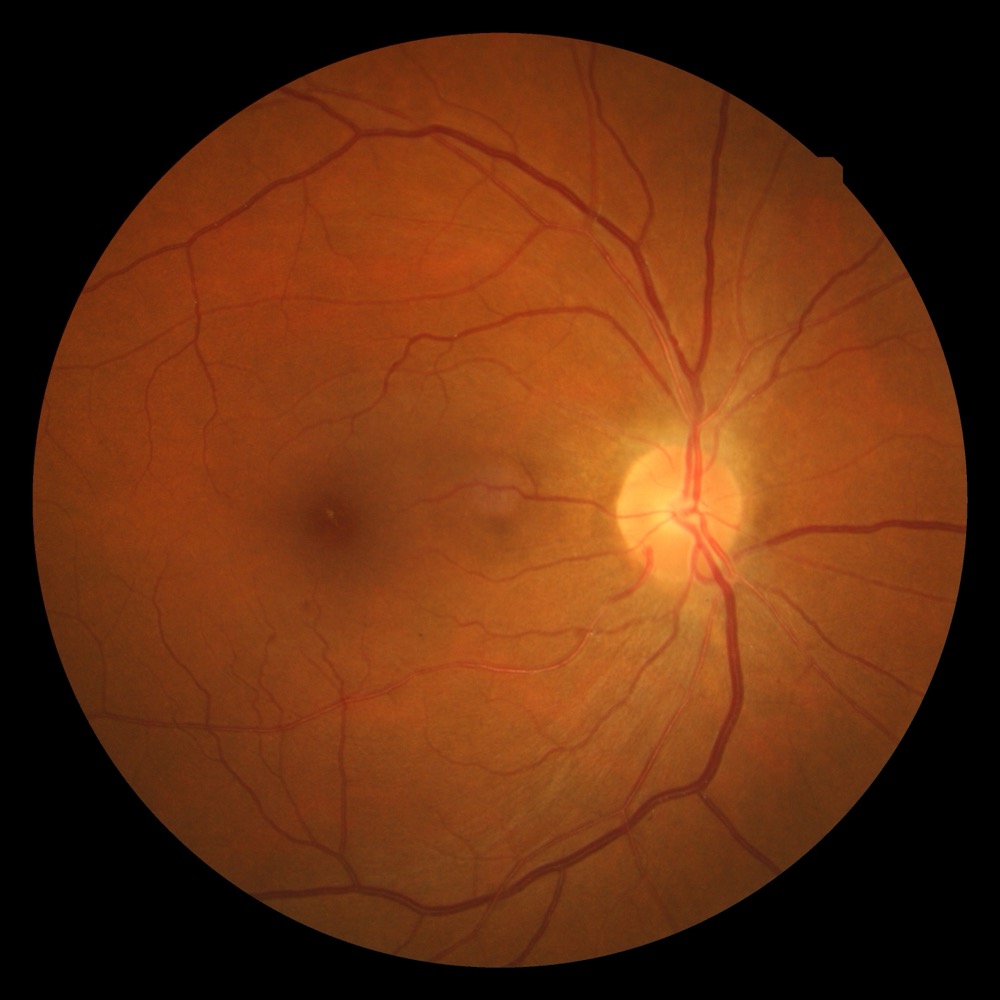

| Grade | Retinal findings | Systemic association |
|---|---|---|
| None | No detectable signs | None |
| Mild | Generalized or focal arteriolar narrowing, arteriovenous nicking, arteriolar wall opacity ("copper wiring") | Modest association with stroke, coronary disease, and death |
| Moderate | Blot, dot, or flame hemorrhages, microaneurysms, cotton-wool spots, hard exudates | Strong association with stroke, cognitive decline, and cardiovascular death |
| Malignant | Moderate signs plus optic disc swelling | Hypertensive emergency when pressure is severely elevated |
Classification of hypertensive retinopathy proposed by Wong and Mitchell, which replaced the four-grade Keith-Wagener-Barker system.
Brain. Chronic hypertension causes small-vessel disease seen on magnetic resonance imaging as white matter hyperintensities, lacunar infarcts, enlarged perivascular spaces, and cerebral microbleeds. These lesions precede clinical stroke and vascular cognitive impairment. Midlife hypertension is a risk factor for later dementia, including Alzheimer disease, and the 2025 guideline recommends a systolic goal below 130 mm Hg to reduce the risk of mild cognitive impairment and dementia (Class 1). In the SPRINT MIND study, a systolic target below 120 mm Hg reduced mild cognitive impairment (hazard ratio 0.81) and the combined outcome of mild cognitive impairment or probable dementia (0.85); the reduction in probable dementia alone (0.83) did not reach statistical significance. In legacy follow-up, the reduction in mild cognitive impairment persisted for at least 7 years after only 3.5 years of intensive treatment, even though the 12-mm Hg difference in systolic pressure dissipated soon after the trial ended. In the China Rural Hypertension Control Project, which also targeted systolic pressure below 120 mm Hg, dementia incidence was significantly lower, and no blood pressure-lowering trial has shown harm to cognition.
Arteries. Hypertension accelerates atherosclerosis in the carotid, coronary, and peripheral beds and is the main risk factor for abdominal aortic aneurysm and aortic dissection. Pulse-wave velocity measures arterial stiffness, and an ankle-brachial index of 0.90 or less identifies peripheral artery disease. These measures refine risk but are not part of the routine evaluation in the US guideline.
Cardiovascular risk estimation with the PREVENT equations
The AHA PREVENT equations replace the pooled cohort equations for blood pressure decisions. They were developed and validated in more than 6.6 million US adults. They estimate 10-year and 30-year risk of total cardiovascular disease (atherosclerotic events plus heart failure) and of each component separately, in adults aged 30 to 79 years without known cardiovascular disease. The base model uses age, sex, total and high-density lipoprotein cholesterol, systolic pressure, antihypertensive treatment, diabetes, current smoking, eGFR, and statin use. Optional terms add the urine albumin-to-creatinine ratio, hemoglobin A1c, and a zip-code-based social deprivation index. The equations are sex-specific and do not include race. External validation has shown a C statistic of 0.72 for cardiovascular disease in an independent health system and 0.89 for cardiovascular death in a population dataset. The 7.5% PREVENT threshold corresponds to a Framingham risk of 15%, the level used for SPRINT eligibility, and a pooled cohort ASCVD risk of 10%. It is also the age- and sex-specific 75th percentile of predicted risk among US adults with untreated systolic pressure of 130 to 139 mm Hg. For adults aged 80 years or older, for whom risk models are limited, medication is recommended at 130/80 mm Hg or higher when clinical judgment suggests that benefit outweighs harm and treatment fits the patient's goals. In SPRINT, 12.5% of participants were in that age group, with no difference in benefit by age. For adults younger than 30 years, medication can be considered when lifestyle treatment fails, and 30-year PREVENT risk, biomarkers, echocardiography, or a history of a hypertensive disorder of pregnancy can inform the decision.
PREVENT estimates are lower than pooled cohort estimates for the same patient, because the pooled cohort equations overestimated risk in contemporary US populations. The 2025 guideline therefore set the stage 1 treatment threshold at a 10-year total cardiovascular disease risk of 7.5%. The value was chosen to give treatment implications broadly comparable to the former threshold. PREVENT is used only when no other indication decides treatment: clinical cardiovascular disease, prior stroke, diabetes, and chronic kidney disease each qualify a patient with stage 1 hypertension for medication without a calculation. The estimate is entered with untreated or current treated pressure as the equations specify, and the full risk-assessment method is described on the cardiovascular risk assessment page.
Treatment thresholds and blood pressure targets
The 2025 guideline separates the threshold for starting medication from the goal of treatment. Every adult with an average pressure of 140/90 mm Hg or higher receives medication together with lifestyle treatment, regardless of predicted risk (Class 1). For stage 1 hypertension, medication starts at once with clinical cardiovascular disease, prior stroke, diabetes, chronic kidney disease, or a 10-year PREVENT risk of 7.5% or more (Class 1). Adults with stage 1 hypertension below that risk begin a structured 3- to 6-month lifestyle program, and medication is recommended if the average pressure remains at or above 130/80 mm Hg at the end of it (Class 1). This recommendation rests largely on the PREVER-Prevention trial. Adults aged 30 to 70 years with pressure of 120 to 139/80 to 89 mm Hg after 3 months of lifestyle counseling received low-dose chlorthalidone (12.5 mg) with amiloride (2.5 mg) or placebo. Active treatment produced less progression to hypertension and less left ventricular mass. The systolic thresholds in high-risk adults carry Level A evidence, whereas the corresponding diastolic thresholds of 80 mm Hg rest on more limited data (Level C-LD, limited data), since no trial enrolled patients on the basis of a diastolic pressure of 80 to 89 mm Hg alone.
The goal for all adults with hypertension is below 130/80 mm Hg. For patients at increased risk, a systolic goal below 130 mm Hg is recommended, with encouragement to reach below 120 mm Hg when the lower value is achieved with standardized measurement and without adverse effects, together with a diastolic goal below 80 mm Hg (both Class 1). For lower-risk patients, the same systolic goal with encouragement toward below 120 mm Hg may be reasonable to prevent a further rise in pressure, and a diastolic goal below 80 mm Hg may be reasonable (both Class 2b). Goal attainment is judged on the average of at least two readings on at least two visits. In the meta-analysis of seven trials behind the Class 1 systolic goal, hypotension, syncope, injurious falls, electrolyte abnormalities, and acute kidney injury were more common with the lower target but infrequent. The numbers needed to harm ranged from 508 for hypotension to 3,222 for electrolyte abnormalities. The goal is individualized for patients in institutional care, with limited predicted life span, with symptomatic orthostatic hypotension or substantial frailty, and in pregnancy.
| Patient group | Medication starts at | Goal | Notes |
|---|---|---|---|
| Clinical CVD or prior stroke | ≥130/80 | <130/80 | Systolic <120 encouraged when tolerated |
| Diabetes | ≥130/80 | <130/80 | ACE inhibitor or ARB with albuminuria |
| Chronic kidney disease | ≥130/80 | <130/80 | ACE inhibitor or ARB with albuminuria ≥30 mg/g (Class 1 when eGFR is <60 with albuminuria); Kidney Disease: Improving Global Outcomes (KDIGO) suggests systolic <120 with standardized measurement |
| No CVD, diabetes, or CKD; PREVENT ≥7.5% | ≥130/80 | <130/80 | Systolic <120 encouraged when tolerated |
| No CVD, diabetes, or CKD; PREVENT <7.5% | ≥140/90 at once; 130–139/80–89 after 3 to 6 months of lifestyle treatment | <130/80 | Lifestyle program with a defined end point |
| Older adults, community-dwelling and ambulatory | As above | Systolic <130 | Age alone does not relax the goal |
| Institutional care, limited life span, frailty, symptomatic orthostatic hypotension | Individualized | Individualized | Shared decision-making |
| Pregnancy, chronic hypertension | ≥140/90 | <140/90 | Severe range ≥160/110 is treated within 30 to 60 minutes |
Thresholds and goals from the 2025 AHA/ACC guideline, with the KDIGO 2021 blood pressure guideline for chronic kidney disease. Values are average office pressures in mm Hg measured with standardized technique.
Blood pressure treatment decision tool
The tool applies the 2025 thresholds to an average office pressure. It returns the category, whether medication is indicated, how treatment begins, and the goal. The 10-year PREVENT risk is entered from a separate calculation and is needed only for stage 1 hypertension without cardiovascular disease, diabetes, or chronic kidney disease.
Decision logic from the 2025 AHA/ACC guideline. The tool does not replace confirmation of the diagnosis with out-of-office measurement or the evaluation for secondary causes.
Trials of intensive blood pressure control
The lower goals rest on five large trials that compared a systolic target near 120 mm Hg with a target near 140 mm Hg.
| Trial | Population | Systolic targets (mm Hg) | Primary outcome | Main harms |
|---|---|---|---|---|
| SPRINT (2015, final report 2021) | 9,361 adults ≥50 years at increased cardiovascular risk, without diabetes or prior stroke | <120 vs <140 | Composite cardiovascular outcome reduced 25% in the primary report (HR 0.75) and 27% in the final report (HR 0.73); all-cause mortality reduced (HR 0.73 and 0.75) | Hypotension, syncope, electrolyte abnormalities, acute kidney injury |
| SPRINT, age ≥75 years | 2,636 ambulatory adults (mean age 79.9) | <120 vs <140 | HR 0.66 for the composite; HR 0.67 for death | Serious adverse events not increased overall |
| ACCORD-BP (2010) | 4,733 adults with type 2 diabetes | <120 vs <140 | HR 0.88, not significant; stroke reduced (HR 0.59) | Serious adverse events from treatment; event rate about half of the planned rate |
| STEP (2021) | 8,511 Chinese adults aged 60–80 years | 110 to <130 vs 130 to <150 | HR 0.74 | Hypotension more frequent; no excess of other safety outcomes |
| ESPRIT (2024) | 11,255 Chinese adults at high risk, including diabetes and prior stroke | <120 vs <140 | HR 0.88 | Syncope more frequent |
| BPROAD (2025) | 12,821 Chinese adults with type 2 diabetes at increased risk | <120 vs <140 | HR 0.79 | Symptomatic hypotension and hyperkalemia more frequent |
HR, hazard ratio for intensive versus standard treatment.
Together, these trials show graded benefit with lower systolic pressure across age, diabetes, and prior stroke, with absolute benefit largest at high baseline risk and with more hypotension, syncope, electrolyte disturbance, and reversible kidney function decline at the lower target. BPROAD and ESPRIT resolved much of the uncertainty that ACCORD-BP left for diabetes. The benefit in SPRINT participants aged 75 years and older, who were ambulatory and community-dwelling, shows that age itself does not argue against intensive treatment; frailty, falls, and limited life expectancy do.
Lifestyle treatment and its measured effects
Lifestyle treatment is recommended for every adult with elevated pressure or hypertension, and for adults without hypertension to prevent it. The 2025 guideline makes the following recommendations; those without a stated class are Class 1. Adults with overweight or obesity lose at least 5% of body weight. The eating pattern is heart healthy, such as the DASH diet. Sodium intake is below 2,300 mg/d, moving toward an ideal below 1,500 mg/d. Potassium intake is moderate and preferably from food; with chronic kidney disease or drugs that reduce potassium excretion, serum potassium is monitored. Exercise is a structured program of aerobic and resistance training. Alcohol is avoided, or limited to at most one standard drink per day for women and two for men. Potassium-based salt substitutes are useful when most sodium comes from home cooking and seasoning (Class 2a). Transcendental meditation, breathing techniques, and yoga may be reasonable adjuncts (Class 2b).
| Intervention | Dose or goal | Approximate systolic reduction in hypertension |
|---|---|---|
| Weight loss | At least 5% of body weight or 3 kg/m² of body mass index; about 1 mm Hg per kg lost | −6 to −8 mm Hg |
| DASH eating pattern | Fruit, vegetables, whole grains, low-fat dairy; less saturated and total fat | −5 to −8 mm Hg |
| Sodium reduction | <2,300 mg/d, ideally <1,500 mg/d | −6 to −8 mm Hg |
| Potassium-enriched salt substitute | Cooking and table salt replaced by 25% to 30% potassium chloride and 65% to 75% sodium chloride | −5 to −7 mm Hg |
| Dietary potassium | 3,500–5,000 mg/d, ideally from food; supplements kept below 80 mmol/d | −6 mm Hg |
| Aerobic exercise | 90–150 min/wk at 65% to 75% of heart rate reserve | −4 to −8 mm Hg |
| Dynamic resistance training | 90–150 min/wk at 50% to 80% of 1-repetition maximum; 6 exercises, 3 sets, 10 repetitions | −2 to −7 mm Hg |
| Isometric resistance training | 4 × 2-minute handgrip contractions at 30% to 40% of maximal voluntary contraction, 1 minute apart, 3 sessions/wk | −5 to −10 mm Hg |
| Alcohol reduction | Abstinence optimal; otherwise a reduction of more than 50%, to ≤1 drink/d (women) or ≤2 drinks/d (men) | −4 to −6 mm Hg |
| Transcendental meditation | Professional training, then two 20-minute seated sessions daily | −5 to −7 mm Hg |
| Breathing control | Device-guided slowing to fewer than 10 breaths/min for 15 min/d | −5 mm Hg |
Approximate mean systolic reductions in adults with hypertension from the 2025 AHA/ACC guideline, Table 12. The trials differ in design and comparators, so the values are not compared directly. One standard drink contains 12 to 14 g of alcohol. Sodium restriction may be harmful with severe symptomatic orthostatic hypotension. A Bayesian network meta-analysis of 22 strategies ranked the DASH pattern first, followed by aerobic exercise, isometric training, low-sodium and high-potassium salt interventions, and comprehensive lifestyle programs.
Effects are roughly additive, and a patient with stage 1 hypertension who loses weight, adopts a DASH diet, and reduces sodium can lower systolic pressure by more than a single drug would. Lowering sodium intake from 4,500 mg/d or more to 1,500 to 2,300 mg/d reduces pressure by about 7/3 mm Hg in hypertension and 3/2 mm Hg in normotension, with larger effects in older and salt-sensitive adults. Because most US sodium comes from processed and restaurant food, individual advice works best with dietitian support. In the Salt Substitute and Stroke Study, 20,995 older or post-stroke adults in rural China cooked with a substitute of 75% sodium chloride and 25% potassium chloride. Systolic pressure was 3.3 mm Hg lower, and strokes, major cardiovascular events, and deaths were 12% to 14% fewer, without excess hyperkalemia. Potassium supplementation lowers pressure by about 6/4 mm Hg on average, with a U-shaped response that peaks near 30 mmol/d and reverses above 80 mmol/d, most clearly in patients taking antihypertensive drugs. Compared with one drink a day, two, three, and four drinks a day raise the risk of incident hypertension by about 11%, 22%, and 33%, and abstainers have the lowest risk. Halving intake lowers pressure by about 5.5/4.0 mm Hg in heavy drinkers.
Aerobic exercise lowers systolic pressure by about 2 mm Hg for each additional 30 minutes per week, with the largest effect near 150 minutes per week, and walking that interrupts sedentary time also lowers pressure. Durability of lifestyle change is the main difficulty, and the guideline therefore attaches a time limit to the lifestyle-only phase.
In adults with hypertension and a body mass index of 27 kg/m² or more, a glucagon-like peptide-1 receptor agonist or other incretin-based drug used for weight management may be effective as an adjunct to lower pressure (Class 2b), primarily for weight loss and cardiometabolic risk, with blood pressure reduction as an added effect. In STEP 8, semaglutide lowered systolic pressure by 5.7 mm Hg and liraglutide by 2.9 mm Hg. In an ambulatory substudy of SURMOUNT-1, tirzepatide 15 mg lowered 24-hour systolic pressure by 8.0 mm Hg more than placebo at 36 weeks, with about 70% of the effect mediated by weight loss. Bariatric surgery combined with behavioral and drug treatment may be effective in adults with a body mass index of 35 kg/m² or more (Class 2b). In a Brazilian trial of 100 adults with obesity and hypertension, 81% of patients after Roux-en-Y gastric bypass and 14% of medically treated patients had reduced their antihypertensive drugs by at least 30% at 5 years. Weight regain is common after any method and can bring pressure back up. Smoking cessation does not lower pressure appreciably but is part of reducing the same cardiovascular risk.
First-line drugs and initial combination therapy
Three drug classes are first line because each lowers pressure substantially and reduces cardiovascular events in outcome trials: thiazide-type diuretics, ACE inhibitors or ARBs, and long-acting dihydropyridine calcium channel blockers. Once-daily, long-acting agents are preferred.
Single drug or two. In stage 1 hypertension a single first-line agent is a reasonable start, with titration and addition of a second class at follow-up (Class 2a). Starting two first-line agents of different classes, ideally in a single-pill combination, is a Class 1 recommendation in stage 2 hypertension. The guideline also describes initial combination therapy for nonfrail adults whose pressure is 20/10 mm Hg or more above goal and for some high-risk adults with stage 1 hypertension. Once-daily dosing and single-pill combinations are each recommended to improve adherence (Class 1), and reminder aids and self-management education can be useful (Class 2a). A single-pill fixed-dose combination is preferred over separate pills because it improves adherence and shortens the time to control. Two drugs at moderate doses lower pressure more, with fewer dose-related adverse effects, than one drug at its maximal dose. The usual pairs are an ACE inhibitor or ARB with a calcium channel blocker or with a thiazide-type diuretic; the triple combination of all three classes is the standard regimen before a fourth drug is added. Monotherapy at the start of stage 2 is reserved for frailty, symptomatic orthostatic hypotension, or other situations in which slower titration is safer.
Thiazide-type diuretics. Chlorthalidone and indapamide are longer acting and more potent per milligram than hydrochlorothiazide, and both have outcome data. In the Diuretic Comparison Project, a pragmatic trial of 13,523 older veterans, chlorthalidone did not reduce cardiovascular events compared with hydrochlorothiazide at doses used in practice (10.4% versus 10.0%) and caused more hypokalemia (6.0% versus 4.4%). Patients with prior myocardial infarction or stroke appeared to benefit from chlorthalidone. The 2025 guideline groups hydrochlorothiazide, chlorthalidone, and indapamide under the single term thiazide-type diuretic but still prefers the longer-acting thiazide-like agents in resistant hypertension. In the Antihypertensive and Lipid-Lowering Treatment to Prevent Heart Attack Trial (ALLHAT), a long-acting thiazide-type diuretic prevented heart failure more effectively than a calcium channel blocker or an ACE inhibitor and prevented stroke slightly better than an ACE inhibitor. Thiazide-type diuretics retain efficacy at low eGFR more than once believed: in the CLICK trial in patients with stage 4 chronic kidney disease (mean eGFR 23 mL/min/1.73 m²), chlorthalidone lowered 24-hour ambulatory systolic pressure by 10.5 mm Hg more than placebo at 12 weeks. Hypokalemia, hyponatremia, hyperuricemia, hyperglycemia, and gout are the principal adverse effects.
ACE inhibitors and ARBs. They are preferred with albuminuria, chronic kidney disease, diabetes with albuminuria, heart failure with reduced ejection fraction, and after myocardial infarction. An ACE inhibitor and an ARB are not combined with each other or with a direct renin inhibitor, because dual blockade increases hyperkalemia and acute kidney injury without benefit (Class 3: Harm). Both classes are contraindicated in pregnancy. ACE inhibitors cause cough in a substantial minority of patients and angioedema in fewer, more often in Black patients; an ARB is the substitute for cough, and after ACE inhibitor angioedema an ARB is used with caution.
Dihydropyridine calcium channel blockers. Amlodipine is long acting, potent across age groups, and neutral metabolically. Dose-dependent ankle edema is the main adverse effect and is reduced by combination with an ACE inhibitor or ARB. Nondihydropyridine agents (diltiazem and verapamil) are not first-line antihypertensives; they are used for rate control and are avoided in heart failure with reduced ejection fraction.
Beta blockers are not first-line for uncomplicated hypertension, because outcome trials, mostly with atenolol, showed less stroke protection than other classes. They are used when a separate indication exists: angina, prior myocardial infarction, heart failure with reduced ejection fraction, rate control of atrial fibrillation, aortic aneurysm or dissection, and some arrhythmias. Vasodilating beta blockers (carvedilol, labetalol, nebivolol) have a more favorable hemodynamic profile than atenolol.
| Class | Representative drugs (usual daily dose) | Favored when | Main cautions |
|---|---|---|---|
| Thiazide-type diuretic | Chlorthalidone 12.5–25 mg; indapamide 1.25–2.5 mg; hydrochlorothiazide 25–50 mg | Most patients; salt-sensitive and older patients; resistant hypertension; heart failure (with loop) | Hypokalemia, hyponatremia, hyperuricemia, gout, glucose rise |
| ACE inhibitor | Lisinopril 10–40 mg; enalapril 5–40 mg; ramipril 2.5–20 mg | Albuminuria, CKD, diabetes, HFrEF, post-MI | Cough, angioedema, hyperkalemia, creatinine rise; fetotoxic |
| ARB | Losartan 50–100 mg; valsartan 80–320 mg; candesartan 8–32 mg; olmesartan 20–40 mg; telmisartan 20–80 mg | Same as ACE inhibitor; ACE inhibitor cough | Hyperkalemia, creatinine rise; fetotoxic |
| Dihydropyridine CCB | Amlodipine 2.5–10 mg; felodipine 2.5–10 mg; nifedipine long-acting 30–90 mg | Most patients; isolated systolic hypertension; angina | Ankle edema, flushing, headache |
| Mineralocorticoid receptor antagonist | Spironolactone 25–100 mg; eplerenone 50–100 mg | Resistant hypertension; primary aldosteronism; HFrEF | Hyperkalemia; gynecomastia with spironolactone |
| Beta blocker | Metoprolol succinate 50–200 mg; carvedilol 12.5–50 mg; bisoprolol 2.5–10 mg; nebivolol 5–40 mg | Angina, post-MI, HFrEF, atrial fibrillation rate control, aortic disease | Bradycardia, fatigue, bronchospasm; not first line without an indication |
| Loop diuretic | Furosemide 20–80 mg in two doses; torsemide 5–10 mg | eGFR below about 30 mL/min/1.73 m²; volume overload | Volume depletion, electrolyte loss |
| Alpha-1 blocker | Doxazosin; terazosin; prazosin | Add-on in resistant hypertension; prostatic hypertrophy | Orthostatic hypotension; not used alone |
| Central alpha-2 agonist | Clonidine 0.1–0.8 mg in two doses; methyldopa (pregnancy) | Late add-on | Sedation, dry mouth, rebound hypertension on abrupt withdrawal |
| Direct vasodilator | Hydralazine; minoxidil | Late add-on with a diuretic and beta blocker | Reflex tachycardia and fluid retention; lupus-like syndrome (hydralazine); hirsutism and pericardial effusion (minoxidil) |
Usual dose ranges from the 2025 AHA/ACC guideline, Table 13, which also lists the dual endothelin receptor antagonist aprocitentan at 12.5 mg once daily. Doses are for adults with normal kidney and liver function. HFrEF, heart failure with reduced ejection fraction; MI, myocardial infarction.
Choosing drugs for compelling indications
Coexisting disease changes drug choice more than it changes the goal, which remains below 130/80 mm Hg in each condition below. In chronic coronary disease, a diastolic pressure of 70 to 80 mm Hg with systolic pressure below 130 mm Hg is associated with fewer events. The benefit of continuing a beta blocker beyond 1 year after myocardial infarction with preserved ejection fraction is uncertain. In heart failure with reduced ejection fraction, guideline-directed drugs titrated to maximally tolerated doses are the antihypertensive regimen, with a systolic goal below 130 mm Hg; a dihydropyridine calcium channel blocker is added only when pressure stays high after optimization. Hypertension is present in more than 80% of patients with atrial fibrillation, and blood pressure control reduces both incident atrial fibrillation and major adverse events in patients who have it. The risk of abdominal aortic aneurysm rupture rises by about 30% for each 10 mm Hg of pressure. In peripheral artery disease, an ACE inhibitor or ARB is first line, and treatment to below 130/80 mm Hg does not worsen claudication. After ischemic stroke, transient ischemic attack, or intracerebral hemorrhage, a goal below 130/80 mm Hg is recommended (Class 1). A meta-analysis of RESPECT, PAST-BP, and PODCAST supports this goal: an intensive target reduced recurrent stroke (relative risk 0.78). Treatment is reasonable at 130/80 mm Hg or higher even without a prior diagnosis of hypertension (Class 2a). Kidney transplant recipients taking calcineurin inhibitors have a 70% to 90% prevalence of hypertension and frequent masked hypertension, but no trial supports a specific target or drug class after transplantation.
| Condition | Preferred agents | Agents avoided or used with care |
|---|---|---|
| Heart failure with reduced ejection fraction | Sacubitril-valsartan, ACE inhibitor, or ARB; evidence-based beta blocker; MRA; SGLT2 inhibitor; diuretic for volume | Nondihydropyridine CCBs; clonidine; alpha blockers alone |
| Heart failure with preserved ejection fraction | Diuretic for volume; SGLT2 inhibitor; MRA, ARNI, or ARB to reach systolic <130 | Excess diuresis; beta blockers for blood pressure alone (reserved for arrhythmia or acute coronary indications) |
| Chronic coronary disease and after myocardial infarction | Beta blocker and ACE inhibitor or ARB; dihydropyridine CCB, thiazide, or MRA added | Short-acting dihydropyridines; hydralazine without a beta blocker |
| Chronic kidney disease | ACE inhibitor or ARB with albuminuria ≥30 mg/g, continued at eGFR <30; thiazide-type or loop diuretic; SGLT2 inhibitor for kidney protection | Combined ACE inhibitor and ARB; nonsteroidal anti-inflammatory drugs (NSAIDs) |
| Diabetes | Any first-line class; ACE inhibitor or ARB with albuminuria | None specific |
| Prior stroke or transient ischemic attack | Thiazide-type diuretic, ACE inhibitor, or ARB (Class 1), with a CCB acceptable as an added agent; goal <130/80 (Class 1); started after the acute phase | Excessive acute lowering |
| Atrial fibrillation | Beta blocker or nondihydropyridine CCB for rate; ACE inhibitor or ARB | — |
| Thoracic aortic aneurysm or prior dissection | Beta blocker; ARB | Vasodilators without beta blockade |
| Chronic aortic regurgitation | Dihydropyridine CCB, ACE inhibitor, or ARB | Drugs that slow heart rate |
| Pregnancy or planned pregnancy | Labetalol, extended-release nifedipine, methyldopa | ACE inhibitors, ARBs, direct renin inhibitors, MRAs, atenolol |
| Gout | Losartan (uricosuric), CCB | Thiazide and loop diuretics when possible |
Drug choice by comorbidity, from the 2017 and 2025 ACC/AHA guidelines and the ACC/AHA heart failure guidance. ARNI, angiotensin receptor-neprilysin inhibitor; MRA, mineralocorticoid receptor antagonist; SGLT2, sodium-glucose cotransporter 2.
Race is no longer a basis for drug choice in the 2025 guideline. The 2017 recommendation to start Black adults without heart failure or chronic kidney disease on a thiazide-type diuretic or calcium channel blocker came from subgroup data in which these classes lowered pressure more than renin-angiotensin blockers used alone. Two-drug combinations that include a diuretic or calcium channel blocker remove most of that difference, and the 2025 guideline bases selection on comorbidity, target-organ involvement, prior response, adverse effects, cost, and patient preference.
Adverse effects, laboratory monitoring, and follow-up
Creatinine and potassium are measured before and 2 to 4 weeks after starting or increasing an ACE inhibitor, ARB, mineralocorticoid receptor antagonist, or diuretic, and basic laboratory tests are repeated at least annually in every patient with hypertension. A rise in creatinine of up to about 30% after renin-angiotensin blockade reflects the intended fall in intraglomerular pressure and is not a reason to stop. A larger rise prompts evaluation for volume depletion, NSAID use, urinary obstruction, and bilateral renal artery stenosis. Hyperkalemia is managed by removing potassium supplements and interacting drugs, adding or increasing a thiazide or loop diuretic, and reviewing the diet. When the drug has strong organ-protective value, a potassium binder is used in preference to stopping it. Sodium is checked in older adults starting a thiazide, because thiazide-induced hyponatremia occurs early and can be severe.
Verapamil and diltiazem are substrates and inhibitors of cytochrome P450 3A4 (CYP3A4) and raise levels of drugs metabolized by that pathway. Cholestyramine reduces thiazide absorption, and patiromer reduces absorption of amlodipine, furosemide, several beta blockers, and telmisartan unless doses are separated by at least 3 hours. Thiazide-type diuretics and renin-angiotensin blockers raise lithium levels, and NSAIDs, sympathomimetics, and venlafaxine blunt the effect of antihypertensive drugs.
Sexual dysfunction is common in hypertension and a frequent reason for nonadherence. Diuretics and beta blockers other than nebivolol are most often associated with erectile dysfunction, and ARBs have the most favorable profile in men and women. Phosphodiesterase-5 inhibitors can be taken with antihypertensive drugs except nitrates, with caution alongside CYP3A4 inhibitors such as diltiazem and verapamil.
After a medication is started or changed, monthly follow-up until the goal is reached is a Class 1 recommendation, with home readings transmitted between visits. Once the goal is reached, follow-up every 3 to 6 months is usual. Team-based care, in which pharmacists, nurses, and other clinicians adjust medication under a protocol, is a Class 1 recommendation for uncontrolled hypertension. Team-based care and home monitoring with regular feedback each improve control more than physician visits alone. In trials, titration under protocol by a nonphysician clinician or by a physician produced the largest systolic reductions, about 7.1 and 6.2 mm Hg. Also recommended are health information technology with synchronous or asynchronous communication, including for titration (Class 1); electronic health record registries to find undiagnosed or uncontrolled hypertension (Class 1); and telehealth interventions (Class 2a). In the 2025 follow-up algorithm, normal pressure is reassessed in 1 year, and elevated pressure and lower-risk stage 1 hypertension on lifestyle treatment in 3 to 6 months. Patients starting medication return in 1 month and then every 3 to 6 months once the goal is met. Therapeutic inertia (failure to intensify when pressure is above goal) is the most common reason for poor control in adherent patients. Social drivers of health, including medication cost, food insecurity, and transportation, are part of the evaluation of uncontrolled hypertension, and once-daily generic combination pills reduce cost and pill burden.
Statin therapy is determined by the lipid guideline and the same PREVENT estimate, as described on the dyslipidemia and LDL lowering page. Aspirin is not used for primary prevention in most adults with hypertension; the bleeding risk offsets the small reduction in ischemic events, and uncontrolled severe hypertension increases the risk of intracranial hemorrhage on antiplatelet therapy.
Resistant hypertension: definition, pseudoresistance, and treatment
Resistant hypertension is pressure above goal despite three antihypertensive classes at maximally tolerated doses, usually a renin-angiotensin blocker, a long-acting calcium channel blocker, and a thiazide-type diuretic, or pressure at goal that requires four or more drugs. With the 130/80 mm Hg goal, more treated patients meet the definition than under the older 140/90 mm Hg standard. Resistant hypertension affects about 8.5% to 20% of US adults with hypertension. It is associated with older age, obesity, chronic kidney disease, and diabetes; with higher rates of target-organ damage and chronic kidney disease; with at least a 50% higher risk of myocardial infarction, stroke, kidney failure, and cardiovascular death; and with a higher prevalence of secondary causes, particularly primary aldosteronism and obstructive sleep apnea. About 20% of adults with hypertension regularly use over-the-counter products, such as NSAIDs and nasal decongestants, that raise pressure or blunt treatment. A detailed evaluation for secondary causes, with review and removal of interfering drugs, is a Class 1 recommendation in resistant hypertension.
Apparent resistance is often pseudoresistance. Before the diagnosis is accepted, five causes are excluded: inaccurate office measurement; the white-coat effect, excluded by home or ambulatory monitoring; nonadherence, the most frequent cause, assessed by pharmacy refill data, pill counts, direct questioning without judgment, and, where available, urine or plasma drug assays; an inadequate regimen, such as a low-dose or short-acting diuretic or once-daily dosing of a twice-daily drug; and interfering substances (listed in the section on drugs and substances that raise blood pressure). High sodium intake, assessed by 24-hour urinary sodium excretion, blunts the effect of every class and is the most common dietary contributor.
| Step | Content |
|---|---|
| 1. Confirm | Standardized office measurement and home or ambulatory monitoring above goal on three classes at optimal doses, including a diuretic |
| 2. Exclude pseudoresistance | Adherence, regimen design, white-coat effect, interfering drugs and substances, sodium and alcohol intake |
| 3. Screen for secondary causes | Aldosterone and renin in every patient regardless of potassium (Class 1); sleep apnea; kidney disease; renovascular disease; others by clinical clues |
| 4. Optimize the diuretic | Chlorthalidone or indapamide in place of hydrochlorothiazide; loop diuretic for eGFR below about 30 mL/min/1.73 m² or volume overload |
| 5. Add an MRA | Spironolactone 25–50 mg (or eplerenone) when eGFR is ≥45 mL/min/1.73 m² and potassium is below about 4.5 mmol/L |
| 6. Fifth-line options | Amiloride; beta blocker (vasodilating agent preferred, particularly with heart rate above 70/min); alpha-1 blocker; clonidine or guanfacine; hydralazine or minoxidil with a beta blocker and loop diuretic |
| 7. Referral and devices | Hypertension specialist; renal denervation in selected patients (Class 2b) |
Stepwise approach from the 2018 AHA scientific statement on resistant hypertension and the 2025 AHA/ACC guideline. MRA, mineralocorticoid receptor antagonist.
Resistant hypertension is predominantly a volume-expanded, aldosterone-driven state, even when primary aldosteronism is not present. PATHWAY-2, a double-blind crossover trial in 335 patients with resistant hypertension on three drugs, compared spironolactone 25 to 50 mg, bisoprolol, doxazosin, and placebo, each for 12 weeks. Spironolactone lowered home systolic pressure by 8.7 mm Hg more than placebo and by more than either comparator, and it was the most effective drug in most patients. The 2025 guideline recommends adding an MRA when resistant hypertension persists on an ACE inhibitor or ARB, a calcium channel blocker, and a thiazide-like diuretic with eGFR of 45 mL/min/1.73 m² or more (Class 1). Across trials, spironolactone 25 to 50 mg lowered home and 24-hour systolic pressure by 6.6 to 8.7 mm Hg and outperformed clonidine as well. Between 4% and 40% of patients cannot tolerate spironolactone because of hyperkalemia or antiandrogenic effects.
Eplerenone avoids the antiandrogenic effects, but randomized trials at 25 to 100 mg daily have not shown a fall in home or 24-hour pressure, and higher doses may be needed. A nonsteroidal MRA has not been tested for resistant hypertension but may be considered in selected patients with moderate to advanced chronic kidney disease with close potassium monitoring. A good response to spironolactone does not diagnose primary aldosteronism, and aldosterone and renin are measured before it is started when possible. Amiloride lowered pressure similarly in a PATHWAY-2 substudy and is the usual alternative when gynecomastia or hyperkalemia limits spironolactone. In chronic kidney disease, patiromer or sodium zirconium cyclosilicate has been used to allow spironolactone in patients with borderline potassium.
Two newer drug classes add options beyond the standard regimen. Aprocitentan, a dual endothelin receptor antagonist approved by the US Food and Drug Administration for resistant hypertension, lowered office systolic pressure by about 3.8 mm Hg more than placebo at 4 weeks in the PRECISION trial, and 24-hour ambulatory systolic pressure fell by about 4 to 6 mm Hg more than with placebo. Edema or fluid retention was the main adverse effect, occurring in 9% of patients at the approved 12.5-mg dose, 18% at 25 mg, and 2% with placebo, usually within the first 4 to 6 weeks. It is teratogenic. The drug has not been compared directly with spironolactone. Aldosterone synthase inhibitors reduce aldosterone production directly. In the BaxHTN trial in uncontrolled or resistant hypertension, baxdrostat lowered seated systolic pressure by 8.7 to 9.8 mm Hg more than placebo at 12 weeks, with hyperkalemia as the main safety signal. Neither class has cardiovascular outcome data.
When an MRA is not tolerated or contraindicated, the 2025 guideline considers adding amiloride, a beta blocker, an alpha blocker, a central sympatholytic, a dual endothelin receptor antagonist, or a direct vasodilator reasonable (Class 2a). Hydralazine or minoxidil is used only with a beta blocker and a loop diuretic.
Drugs and substances that raise blood pressure
Medications and substances are among the most common identifiable causes of hypertension and of loss of control. Each is either stopped, replaced, or accepted with intensified antihypertensive treatment when the drug is essential.
| Agent | Mechanism | Management |
|---|---|---|
| NSAIDs, including cyclooxygenase-2 (COX-2) inhibitors | Sodium retention, afferent arteriolar constriction; blunt diuretics and renin-angiotensin blockers | Avoid systemic use; acetaminophen or topical agents |
| Decongestants (pseudoephedrine, phenylephrine) | Alpha-adrenergic vasoconstriction | Short use only; saline or intranasal steroid |
| Stimulants (amphetamines, methylphenidate), cocaine, methamphetamine | Sympathetic activation | Dose reduction or nonstimulant alternative; abstinence |
| Alcohol (above 1–2 drinks per day) | Sympathetic activation and other mechanisms | Abstinence or reduction |
| Estrogen-containing oral contraceptives | Hepatic angiotensinogen synthesis | Progestin-only or nonhormonal contraception |
| Glucocorticoids, fludrocortisone | Mineralocorticoid and volume effects | Lowest dose; diuretic |
| Calcineurin inhibitors (cyclosporine, tacrolimus) | Renal vasoconstriction, sodium retention | Dihydropyridine CCB (interaction with cyclosporine levels monitored) |
| VEGF inhibitors (bevacizumab, sunitinib, sorafenib, others) | Reduced nitric oxide, capillary rarefaction | Early detection and treatment so cancer therapy can continue |
| Erythropoiesis-stimulating agents | Increased viscosity and vascular reactivity | Lower hemoglobin target |
| Serotonin-norepinephrine reuptake inhibitors (venlafaxine), MAO inhibitors | Noradrenergic effect | Alternative antidepressant |
| Atypical antipsychotics (clozapine, olanzapine) | Weight gain, sympathetic effects | Alternative agent when possible |
| Licorice (glycyrrhizic acid) | Inhibits 11β-hydroxysteroid dehydrogenase type 2; cortisol activates the mineralocorticoid receptor | Stop; produces low renin and low aldosterone |
| Herbal products (ephedra, yohimbine, St John's wort) | Adrenergic effects or drug interactions | Stop |
Adapted from the 2017 ACC/AHA guideline, Table 13, and the 2025 guideline. VEGF, vascular endothelial growth factor; MAO, monoamine oxidase.
Screening for secondary hypertension
Secondary causes are identified in about 5% to 25% of adults with hypertension. The 2025 guideline recommends screening for specific forms when clinical suspicion is present (Class 1) and referral to a clinician with expertise in that form after a positive screen (Class 2a). Its summary table gives approximate prevalences among adults with hypertension: obstructive sleep apnea, 25% to 50%; primary aldosteronism, 5% to 25%; drug- or alcohol-induced hypertension, 2% to 20%; chronic kidney disease, 14%; renovascular hypertension, 0.1% to 5%; hypothyroidism and hyperthyroidism, below 1% each; pheochromocytoma or paraganglioma, below 0.6%; coarctation, 0.1%; and Cushing syndrome, below 0.1%. The 2025 guideline describes higher prevalence with stage 2 or resistant hypertension, loss of control in a previously stable patient, onset before age 30, and target-organ damage disproportionate to the duration or severity of hypertension. Other prompts include abrupt onset, onset of diastolic hypertension after age 65, unprovoked or excessive hypokalemia, and accelerated or malignant hypertension. Testing is targeted to clinical clues, with the broader approach to primary aldosteronism described below.
| Cause | Clinical clues | Initial test |
|---|---|---|
| Primary aldosteronism | Resistant hypertension; spontaneous or diuretic-induced hypokalemia; adrenal incidentaloma; sleep apnea; atrial fibrillation; family history of early hypertension or stroke before 40 | Plasma aldosterone, renin activity or concentration, and their ratio |
| Obstructive sleep apnea | Snoring, witnessed apneas, daytime sleepiness, obesity, nondipping, resistant hypertension | Home sleep apnea test or polysomnography |
| Renal parenchymal disease | Low eGFR, albuminuria, hematuria, family history of polycystic kidney disease | eGFR, urine albumin and sediment, kidney ultrasound |
| Renovascular disease | Onset before 30 (fibromuscular dysplasia) or abrupt severe onset after 55 (atherosclerosis); flash pulmonary edema; creatinine rise above 30% after renin-angiotensin blockade; asymmetric kidneys; abdominal bruit | Duplex ultrasound, CT angiography, or MR angiography |
| Pheochromocytoma or paraganglioma | Paroxysms of headache, sweating, and palpitations; labile pressure; adrenal incidentaloma; hereditary syndrome; pressor response to anesthesia or beta blockade | Plasma free metanephrines or 24-hour urine fractionated metanephrines |
| Cushing syndrome | Central obesity, wide violaceous striae, proximal myopathy, easy bruising, new diabetes | Overnight 1-mg dexamethasone suppression test, late-night salivary cortisol, or 24-hour urine free cortisol |
| Thyroid disease | Hyperthyroidism: systolic hypertension, wide pulse pressure, tachycardia. Hypothyroidism: diastolic hypertension | Thyroid-stimulating hormone |
| Primary hyperparathyroidism | Hypercalcemia, nephrolithiasis | Serum calcium and parathyroid hormone |
| Coarctation of the aorta | Arm pressure above leg pressure, radiofemoral delay, interscapular murmur, rib notching, bicuspid aortic valve | Echocardiography; CT or MR angiography |
| Congenital adrenal hyperplasia and monogenic forms | Early onset, hypokalemia with low renin and low aldosterone, family history | Steroid profile; genetic testing |
Adapted from the 2017 and 2025 ACC/AHA guidelines and the Endocrine Society guidelines on primary aldosteronism and pheochromocytoma.
Primary aldosteronism
Primary aldosteronism is renin-independent aldosterone production, from a unilateral aldosterone-producing adenoma or from bilateral adrenal hyperplasia. It accounts for roughly 5% to 10% of all hypertension and about 20% of resistant hypertension, yet fewer than 2% of eligible patients are tested. Aldosterone excess causes injury beyond its effect on pressure: compared with essential hypertension at similar pressure, primary aldosteronism carries higher rates of stroke, coronary disease, atrial fibrillation, heart failure, left ventricular hypertrophy, and albuminuria. Matched meta-analyses cited by the 2025 guideline put the excess at about 2.0-fold for heart failure, 2.8-fold for stroke, 1.7-fold for coronary disease, and 4.0-fold for atrial fibrillation. About two-thirds of cases are bilateral adrenal hyperplasia and one-third unilateral aldosterone production, usually an adenoma and rarely carcinoma. Spontaneous hypokalemia is present in only 20% to 50% of patients. Across the groups the guideline singles out for screening (resistant hypertension, hypokalemic hypertension, and hypertension with obstructive sleep apnea), the reported prevalence ranges from about 20% to 35%, depending on the population and the testing thresholds.
Who is screened. The 2025 AHA/ACC guideline recommends screening in resistant hypertension regardless of the serum potassium (Class 1). It gives the same Class 1 recommendation for hypertension with spontaneous or diuretic-induced hypokalemia (Class 1), obstructive sleep apnea (Class 1), an incidentally discovered adrenal mass (Class 1), a family history of early-onset hypertension (Class 1), or stroke at a young age, before 40 years (Class 1). Muscle cramps or weakness is listed among the clinical clues in the guideline's secondary-cause table but is not an indication in the recommendation itself. Screening may be considered in all adults with stage 2 hypertension (Class 2b). The prevalence of primary aldosteronism is about 11% to 22% in stage 2 hypertension, compared with 5% to 10% in stage 1, and studies from Australia and Japan suggest that broader screening is cost-effective. The 2025 Endocrine Society guideline goes further and suggests screening everyone with hypertension when resources allow. Patients with a positive screen, or with high suspicion despite a negative one, are referred to a hypertension specialist or endocrinologist.
How the screen is done. Plasma aldosterone concentration and plasma renin activity (or direct renin concentration) are measured in the morning after the patient has been up for at least 2 hours and seated for 5 to 15 minutes, with potassium measured at the same time. Hypokalemia is corrected first because it suppresses aldosterone secretion, and sodium is not restricted. Plasma aldosterone, renin activity, and their ratio are the recommended initial screen (Class 1). Continuing most antihypertensive drugs during screening is also a Class 1 recommendation; only mineralocorticoid receptor antagonists are stopped, for at least 4 weeks when that is safe. A commonly used positive screen is an aldosterone-to-renin ratio of 30 or higher (aldosterone in ng/dL, renin activity in ng/mL/h) with aldosterone of at least 10 ng/dL and suppressed renin activity below 1 ng/mL/h. The 2025 guideline notes that some data support ratio cutoffs of 20 or 40, and that a suppressed renin can justify further evaluation even when aldosterone is below 10 ng/dL. Interpretation accounts for drug effects: ACE inhibitors, ARBs, and diuretics raise renin and can produce a false-negative result, while beta blockers and central alpha-2 agonists lower renin and can produce a false-positive one. A suppressed renin in a patient taking a renin-raising drug is strong evidence of autonomous aldosterone production. When results are equivocal, interfering drugs are replaced for 2 to 4 weeks with verapamil, hydralazine, or an alpha-1 blocker, and the test is repeated.
| Stage | Test | Interpretation |
|---|---|---|
| Screening | Aldosterone, renin, ratio, simultaneous potassium | Suppressed renin with inappropriately normal or high aldosterone is positive |
| Confirmation (selected) | Oral sodium loading with 24-hour urine aldosterone; intravenous saline suppression; captopril challenge; fludrocortisone suppression | Failure of aldosterone to suppress confirms autonomy; omitted when spontaneous hypokalemia, undetectable renin, and clearly high aldosterone coexist |
| Subtype: anatomy | Adrenal CT | Excludes adrenocortical carcinoma; does not establish which gland secretes aldosterone |
| Subtype: lateralization | Adrenal venous sampling | Distinguishes unilateral from bilateral secretion before adrenalectomy |
| Treatment: unilateral | Laparoscopic unilateral adrenalectomy | Biochemical cure in most; normal pressure without drugs in about a third |
| Treatment: bilateral or not a surgical candidate | Spironolactone or eplerenone; amiloride alternative | Dose titrated until renin is no longer suppressed, with potassium monitoring |
Diagnostic pathway from the 2025 AHA/ACC guideline and the 2025 Endocrine Society guideline.
Subtype and treatment. Adrenal CT shows anatomy but misassigns laterality often enough that it is not used alone to choose surgery: small aldosterone-producing adenomas are invisible on CT, and nonfunctioning adrenal adenomas are common incidental findings, increasingly so with age. Adrenal venous sampling compares aldosterone-to-cortisol ratios between the two adrenal veins and is performed in patients who want surgery if lateralized. Sampling may be omitted in selected young patients with florid primary aldosteronism, spontaneous hypokalemia, and a single unilateral adenoma on CT. Adrenal imaging is performed once the diagnosis is confirmed even when medical treatment is planned, to exclude a mass larger than 4 cm or with suspicious imaging features that would itself require adrenalectomy. Meta-analysis of observational data suggests lower rates of major cardiovascular events and death after adrenalectomy than with medical therapy, and either treatment resolves hypokalemia, lowers pressure, reduces the number of drugs needed, and improves cardiac and kidney measures.
In the international Primary Aldosteronism Surgical Outcome (PASO) cohort of 705 patients with lateralized disease, adrenalectomy produced complete biochemical success in 94%, complete clinical success (normal pressure without drugs) in 37%, and partial clinical success in a further 47%. Women, younger patients, and those with shorter duration of hypertension and fewer drugs were more likely to be cured. Bilateral disease is treated with a mineralocorticoid receptor antagonist. In a cohort of patients with primary aldosteronism treated medically, cardiovascular events, atrial fibrillation, and death were higher than in matched essential hypertension, and the excess was confined to patients whose renin remained suppressed on treatment. Renin is therefore a treatment target: the antagonist dose is increased until renin rises, potassium permitting.
Familial forms are rare. Familial hyperaldosteronism type 1, glucocorticoid-remediable aldosteronism, results from a chimeric gene that places aldosterone synthase under the control of corticotropin and is treated with low-dose glucocorticoid. Types 2 to 4 involve germline variants in ion channels (CLCN2, KCNJ5, CACNA1H) and present with early-onset hypertension.
Renal artery stenosis and fibromuscular dysplasia
Renal artery stenosis reduces perfusion pressure beyond the lesion, stimulates renin release, and raises angiotensin II and aldosterone. Stenosis on an image does not prove renovascular hypertension; the stenosis must be hemodynamically significant and the clinical picture must fit. The two main causes differ in patient, anatomy, and response to treatment.
Atherosclerotic renal artery stenosis affects older adults with diffuse atherosclerosis and involves the ostium and proximal artery. It presents with resistant or abruptly worsening hypertension, ischemic nephropathy, a rise in creatinine after renin-angiotensin blockade, or recurrent flash pulmonary edema, which occurs particularly with bilateral stenosis or stenosis to a solitary kidney. Two large trials found no benefit of routine revascularization. In ASTRAL, 806 patients randomized to stenting plus medical therapy or medical therapy alone had similar kidney function, pressure, and cardiovascular events. In CORAL, 947 patients with atherosclerotic stenosis and hypertension or chronic kidney disease had the same rate of the composite cardiovascular and renal end point with or without stenting (35.1% versus 35.8%), with only a 2.3-mm Hg lower systolic pressure in the stent group. Medical therapy with a renin-angiotensin blocker (with monitoring of creatinine), a high-intensity statin, antiplatelet therapy, glycemic control in diabetes, and smoking cessation is the standard (Class 1). Referral for angioplasty or stenting is reasonable when medical management fails (Class 2a): recurrent flash pulmonary edema or unexplained heart failure, hypertension resistant to optimal medical therapy with a viable kidney, and rapidly progressive kidney dysfunction attributable to bilateral stenosis or stenosis to a solitary kidney. Atherosclerotic renovascular disease is present in 14% to 40% of adults with hypertension, but only 0.1% to 5% have hemodynamically significant renovascular hypertension, and outcomes after intervention are better in patients without severe albuminuria.
Fibromuscular dysplasia is a nonatherosclerotic, noninflammatory arteriopathy that predominantly affects women and most often involves the renal and extracranial carotid and vertebral arteries. The multifocal type, with alternating stenoses and dilations producing the "string of beads" appearance in the mid and distal renal artery, is the most common; the focal type is a single concentric or tubular stenosis. Renal fibromuscular dysplasia is suspected in hypertension beginning before age 30, especially in women, and in patients with a cervical bruit, spontaneous coronary artery dissection, or arterial dissection or aneurysm elsewhere. Because aneurysms and dissections occur in multiple beds, the international consensus recommends one-time cross-sectional imaging from head to pelvis after diagnosis.
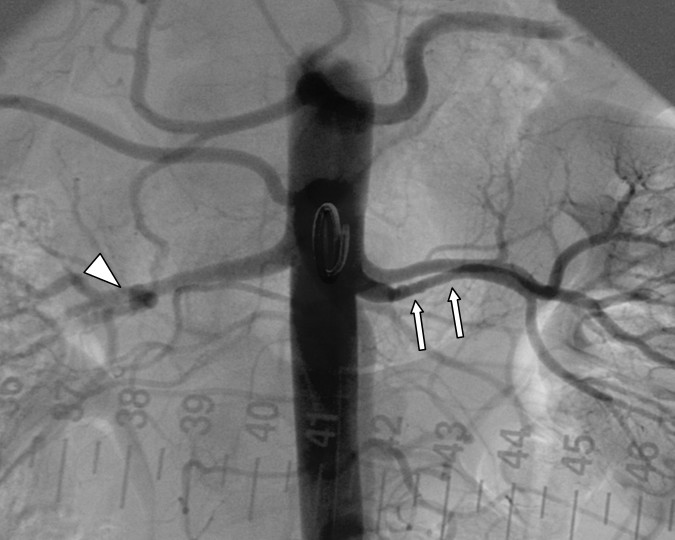

Duplex ultrasound shows elevated velocities and turbulence in the mid and distal artery. CT angiography has higher spatial resolution for beading and aneurysms. Catheter angiography with pressure measurement remains the reference when noninvasive imaging is inconclusive and intervention is planned. Referral for percutaneous balloon angioplasty without stenting may be reasonable for hypertension caused by renal fibromuscular dysplasia (Class 2b), and the procedure can normalize pressure. In the 2025 guideline's summary, about 90% of patients with fibromuscular dysplasia are women, the mean age at diagnosis is 53 years, and renal and carotid involvement are about equally frequent. It is most likely to normalize pressure in young patients with short duration of hypertension, and restenosis is treated with repeat angioplasty. Low-dose aspirin is commonly used in patients with fibromuscular dysplasia without contraindication.
Pheochromocytoma, Cushing syndrome, coarctation, sleep apnea, and other secondary causes
Pheochromocytoma and paraganglioma. These catecholamine-secreting tumors arise from the adrenal medulla or from sympathetic paraganglia. Hypertension may be sustained or paroxysmal, with episodes of headache, sweating, palpitations, pallor, and tremor, and crises can be provoked by anesthesia, contrast agents, glucocorticoids, metoclopramide, or beta blockade without alpha blockade. The diagnosis is biochemical before it is anatomic. Plasma free metanephrines (drawn supine after 30 minutes of rest) or 24-hour urine fractionated metanephrines are the initial tests, because tumors metabolize catecholamines to metanephrines continuously even when catecholamine release is episodic. Values several times the upper limit of normal are nearly diagnostic. Tricyclic antidepressants, serotonin-norepinephrine reuptake inhibitors, sympathomimetics, acute illness, and obstructive sleep apnea cause false-positive results. CT or MRI then localizes the tumor, with functional imaging for metastatic or extra-adrenal disease. About a third of patients carry a germline variant (RET, VHL, NF1, SDHx, and others), and genetic testing is offered to all. Before surgery, alpha blockade (phenoxybenzamine or a selective alpha-1 blocker) for 7 to 14 days with liberal salt and fluid intake is standard; a beta blocker is added only after alpha blockade to control tachycardia.
Cushing syndrome. Hypertension occurs in most patients with endogenous hypercortisolism through mineralocorticoid receptor activation by cortisol, increased angiotensinogen, and enhanced vascular reactivity. Screening uses the overnight 1-mg dexamethasone suppression test, late-night salivary cortisol, or 24-hour urine free cortisol, followed by corticotropin measurement to separate pituitary, ectopic, and adrenal causes. Mild autonomous cortisol secretion from an adrenal incidentaloma also raises pressure and cardiovascular risk.
Thyroid and parathyroid disease. Hyperthyroidism raises cardiac output and systolic pressure and widens pulse pressure; beta blockade controls symptoms until the thyroid is treated. Hypothyroidism raises systemic vascular resistance and diastolic pressure, and thyroid replacement lowers it. Primary hyperparathyroidism is associated with hypertension, and parathyroidectomy does not reliably normalize pressure.
Coarctation of the aorta. Coarctation is usually a discrete narrowing just distal to the left subclavian artery. It produces upper-extremity hypertension, a pressure gradient between arms and legs, delayed or weak femoral pulses, an interscapular murmur from collaterals, and rib notching on the chest radiograph. It is associated with bicuspid aortic valve, aortic dilation, and intracranial aneurysm. Repair by surgery or stenting is recommended for adults with hypertension and significant native or recurrent coarctation, defined by an arm-leg gradient of more than 20 mm Hg or by imaging evidence of significant narrowing with collateral flow (2018 AHA/ACC adult congenital guideline, Class 1). Hypertension persists or recurs after repair in many adults and requires lifelong monitoring, including exercise pressure.
Obstructive sleep apnea. Repetitive nocturnal hypoxemia and arousals drive sympathetic activity, aldosterone release, and nondipping. Sleep apnea is present in a large proportion of patients with resistant hypertension, and it coexists with primary aldosteronism more often than chance predicts. Continuous positive airway pressure (CPAP) lowers pressure modestly and improves sleepiness and quality of life. Short-term trials show office and ambulatory reductions of 2 to 5 mm Hg. In HIPARCO-2, patients with resistant hypertension who used CPAP for at least 4 hours a night had nighttime systolic and diastolic pressures 5.5 and 4.9 mm Hg lower than nonadherent patients over 59 months. The 2025 guideline states that CPAP can be useful to lower pressure in resistant hypertension with moderate to severe apnea (Class 2a). It also states that weight loss combined with CPAP can be effective in patients with overweight or obesity (Class 2a); the combination lowered systolic pressure by about 8 mm Hg in moderate to severe apnea. In SURMOUNT-OSA, tirzepatide lowered systolic pressure by 7.6 mm Hg more than placebo at 48 weeks in patients not using CPAP. CPAP has not been shown to prevent cardiovascular events or death, and hypoglossal nerve stimulation and other sleep surgery have not shown a pressure benefit in large trials. The STOP-Bang and Berlin questionnaires and overnight oximetry are the screening tools, followed by polysomnography or home sleep apnea testing.
Kidney parenchymal disease is a common secondary cause, present in about 14% of adults with hypertension in the 2025 guideline's secondary-cause table; obstructive sleep apnea (25% to 50%) and primary aldosteronism (5% to 25%) are more frequent. Sodium retention and activation of the renin-angiotensin and sympathetic systems produce hypertension that worsens as eGFR falls.
Monogenic hypertension. A group of rare inherited disorders share early-onset hypertension with suppressed renin. Liddle syndrome is a gain-of-function variant of the epithelial sodium channel, with low aldosterone and hypokalemia, that responds to amiloride or triamterene and not to spironolactone. Apparent mineralocorticoid excess results from deficiency of 11β-hydroxysteroid dehydrogenase type 2, the enzyme that licorice inhibits, so that cortisol activates the mineralocorticoid receptor. Familial hyperkalemic hypertension (Gordon syndrome, pseudohypoaldosteronism type 2), caused by variants in WNK kinases or their regulators, combines hypertension, hyperkalemia, and metabolic acidosis and responds to thiazide diuretics. Congenital adrenal hyperplasia from 11β-hydroxylase or 17α-hydroxylase deficiency causes hypertension through accumulation of deoxycorticosterone.
Renal denervation
Catheter-based renal denervation ablates the sympathetic nerves in the adventitia of the renal arteries, reducing efferent sympathetic drive to the kidney and afferent signaling to the central nervous system. Early unblinded studies overstated the effect, and the first sham-controlled trial, SYMPLICITY HTN-3, was neutral. Second-generation trials enrolled patients with confirmed ambulatory hypertension, used improved ablation technique (multi-electrode radiofrequency catheters that treat the main artery and its branches, or circumferential endovascular ultrasound), and controlled for medication changes. The US Food and Drug Administration has approved one ultrasound and one radiofrequency system for patients whose hypertension is not controlled by lifestyle changes and medication.
| Trial | Population and design | Primary result versus sham |
|---|---|---|
| SPYRAL HTN-OFF MED Pivotal (2020) | 331 patients off medication; radiofrequency | 24-hour systolic −3.9 mm Hg; office systolic −6.5 mm Hg at 3 months |
| RADIANCE-HTN TRIO (2021) | 136 patients with resistant hypertension on a standardized triple single-pill combination; ultrasound | Daytime ambulatory systolic −4.5 mm Hg (median difference) at 2 months |
| RADIANCE II (2023) | 224 patients off medication; ultrasound | Daytime ambulatory systolic −6.3 mm Hg at 2 months |
Sham-controlled trials of second-generation renal denervation. No major procedural safety events occurred in the primary follow-up periods.
Across sham-controlled trials, renal denervation lowers 24-hour systolic pressure by about 3 to 6 mm Hg, with wide individual variation and no reliable predictor of response; roughly 60% to 70% of treated patients have an ambulatory systolic reduction of 5 mm Hg or more. The effect is "always on," independent of adherence, and has persisted for at least 3 years in follow-up studies. No trial has shown a reduction in myocardial infarction, stroke, heart failure, or death. Baroreflex activation therapy and other device approaches remain investigational for hypertension.
The 2025 guideline gives renal denervation a Class 2b recommendation, limited to carefully selected patients with combined systolic and diastolic hypertension (office systolic pressure 140 to 180 mm Hg and diastolic pressure 90 mm Hg or higher) and eGFR of 40 mL/min/1.73 m² or more. Their hypertension is resistant despite optimal treatment, or they have intolerable side effects from additional drugs. The procedure is an adjunct to medication and lifestyle treatment, not a replacement.
Evaluation by a multidisciplinary team with expertise in resistant hypertension and renal denervation is a Class 1 recommendation: the team confirms the diagnosis with 24-hour ambulatory monitoring, measures orthostatic vital signs, assesses adherence, removes interfering drugs, and evaluates secondary causes. Discussion of the expected benefit and the procedural risk in shared decision-making is also Class 1. The guideline defines candidates as patients with stage 2 hypertension not at goal on four drugs at optimal doses (ACE inhibitor or ARB, calcium channel blocker, thiazide-type diuretic, and MRA), or with stage 2 hypertension who cannot take optimal doses or additional drugs.
Trial participants had renal arteries 3 to 8 mm in diameter. Exclusions in most trials were directly treatable secondary hypertension, white-coat hypertension, supine hypertension with orthostatic hypotension, renal artery stenosis, fibromuscular dysplasia, renal artery aneurysm, and prior renal artery stenting. The benefit in isolated systolic hypertension and advanced chronic kidney disease is uncertain. In two randomized comparisons in resistant hypertension, the systolic reduction with denervation was inferior or similar to that with spironolactone as the fourth drug. The guideline therefore reserves the procedure mainly for patients who cannot tolerate an optimal regimen. New renal artery stenosis after denervation is rare, about 0.2% per year, most often within the first 6 months, and noninvasive imaging is used to detect it. Antihypertensive treatment continues after the procedure. The 2024 ESC guideline also places renal denervation at Class 2b, limited to patients with eGFR above 40 mL/min/1.73 m² treated in medium- to high-volume centers.
Severe hypertension without acute target-organ damage
Severe hypertension is a pressure above 180/120 mm Hg in a nonpregnant adult without acute target-organ damage. The 2025 guideline uses the term in place of "hypertensive urgency" to make clear that the number alone is not an emergency. The pressure is remeasured with correct technique after rest, and the patient is assessed for neurologic symptoms, chest pain, dyspnea, visual change, hematuria or rising creatinine, and retinal hemorrhages or papilledema. Without acute injury, the usual causes are nonadherence, an inadequate regimen, pain, anxiety, alcohol or drug withdrawal, and interfering substances.
Patients seen in the clinic or emergency department are treated in the outpatient setting by starting, restarting, or intensifying oral therapy, with prompt follow-up. Rapid lowering is avoided because cerebral, coronary, and renal autoregulation has shifted to higher pressures in chronic hypertension, and an abrupt fall can cause ischemia; immediate-release nifedipine is not used. For patients hospitalized for unrelated conditions who develop asymptomatic severe pressure elevation, the 2025 guideline recommends against intermittent intravenous or oral antihypertensive doses given solely to lower such readings (Class 3: Harm). Pressure falls spontaneously in 40% to 50% of these patients without added treatment. Observational studies associate as-needed intravenous or oral doses with higher in-hospital mortality, acute kidney injury, and longer stays, and adjustment of standing oral medications with close monitoring is preferred. Pain, anxiety, urinary retention, withdrawal from alcohol or from beta blockers or clonidine, held home medications, and volume overload are addressed, and the long-term regimen is adjusted.
Hypertensive emergency: definition and lowering targets
A hypertensive emergency is severe elevation of pressure, generally above 180/120 mm Hg, with new or worsening acute target-organ damage: hypertensive encephalopathy, acute ischemic stroke or intracerebral hemorrhage, acute coronary syndrome, acute pulmonary edema, aortic dissection, acute kidney injury, thrombotic microangiopathy, eclampsia or preeclampsia with severe features, or malignant hypertension with papilledema. Some patients with acute injury, such as eclampsia or a young patient with previously normal pressure, have lower absolute pressures; the definition rests on the organ injury.
Admission to an intensive care unit for continuous arterial pressure and organ-function monitoring and treatment with a titratable intravenous agent is a Class 1 recommendation in the 2025 guideline. Without a compelling condition, systolic pressure is lowered by no more than 25% within the first hour; then, if the patient is stable, to below 160/100 mm Hg over the next 2 to 6 hours; and then cautiously to 130 to 140 mm Hg over the following 24 to 48 hours (Class 1). With a compelling condition such as an acute aortic syndrome, systolic pressure is lowered below 140 mm Hg for most conditions and below 120 mm Hg in aortic dissection during the first hour (Class 1). The guideline's drug table asks for a systolic pressure of 120 mm Hg or less within 20 minutes in dissection. Unlike the 2017 document, the 2025 guideline states that pheochromocytoma crisis is not a compelling indication to lower systolic pressure below 120 or 140 mm Hg in the first hour. The guideline also notes that early intensive lowering to 110 to 139 mm Hg increased adverse kidney events in trials, particularly when the initial systolic pressure exceeded 220 mm Hg. In acute heart failure with severe hypertension, small trials found that lowering systolic pressure by about 15% (20 to 40 mm Hg) within 30 minutes improved dyspnea without excess adverse events. Targets for severe hypertension in pregnancy and for acute stroke are given with the emergencies by organ.
No randomized trial has shown that antihypertensive treatment reduces morbidity or mortality in hypertensive emergency, and no trial outside stroke has compared lowering strategies. In-hospital mortality is about 10%, and cardiovascular morbidity and mortality reach 20% to 30% at 1 year.
| Agent | Dosing | Notes |
|---|---|---|
| Nicardipine | 5 mg/h; increase by 2.5 mg/h every 5 min; maximum 15 mg/h | Arterial vasodilator; most neurologic and renal emergencies; reflex tachycardia; avoided in advanced aortic stenosis |
| Clevidipine | 1–2 mg/h; double every 90 s until pressure approaches goal, then increase by less than double every 5 to 10 min; maximum 21 mg/h; maximum duration 72 h | Lipid emulsion; contraindicated with soy or egg allergy and defective lipid metabolism |
| Labetalol | 0.3–1.0 mg/kg (maximum 20 mg) slow IV at 10-min intervals, or 0.4–1.0 mg/kg/h infusion up to 3 mg/kg/h; cumulative maximum 300 mg/24 h | Combined alpha and beta blockade; avoided in reactive airway disease, acute decompensated heart failure, and heart block |
| Esmolol | Loading 500–1,000 mcg/kg over 1 min, then 50 mcg/kg/min; for further lowering the bolus is repeated and the infusion increased by 50 mcg/kg/min to a maximum of 300 mcg/kg/min | Beta-1 selective; aortic dissection and perioperative hypertension; contraindicated with concurrent beta blocker therapy, bradycardia, or decompensated heart failure |
| Sodium nitroprusside | 0.3–0.5 mcg/kg/min; increase by 0.5 mcg/kg/min every 5 min; maximum 10 mcg/kg/min for as short a time as possible | Arterial and venous dilator; cyanide and thiocyanate toxicity at rates of 3 mcg/kg/min or more, after 3 days or more, or with kidney or liver dysfunction, presenting as metabolic acidosis, altered mental status, and arrhythmia; intra-arterial monitoring required; avoided in acute cerebrovascular disease unless no alternative is available; contraindicated in pregnancy |
| Nitroglycerin | 5 mcg/min; increase by 5 mcg/min every 3 to 5 min to a maximum of 200 mcg/min | Mainly venodilator; acute coronary syndrome and pulmonary edema; avoided with recent phosphodiesterase-5 inhibitor use and right ventricular infarction |
| Hydralazine | 10 mg slow IV (maximum initial 20 mg); repeat every 4 to 6 h; cumulative maximum 200 mg/24 h | Unpredictable, prolonged effect; mainly pregnancy; reflex tachycardia |
| Enalaprilat | 1.25 mg over 5 min every 6 h; increase by 1.25 mg to a maximum of 5 mg every 6 h | Slow onset (about 15 min) and variable response; mainly useful when plasma renin activity is high; excessive hypotension with salt or volume depletion; contraindicated in pregnancy |
| Fenoldopam | 0.1–0.3 mcg/kg/min; increase by 0.05–0.1 mcg/kg/min every 15 min; maximum 1.6 mcg/kg/min | Dopamine-1 agonist; increases intraocular pressure |
| Phentolamine | 5 mg IV bolus; repeat every 10 min as needed | Alpha blocker for catecholamine excess |
Intravenous agents and doses from the 2025 AHA/ACC guideline, Table 26, including the 2026 correction of the labetalol bolus interval to 10 minutes. Doses are for adults and are titrated against continuous arterial pressure. In trials, intravenous nicardipine reached short-term targets more often than labetalol, and clevidipine lowered pressure faster than nicardipine. IV, intravenous.
Hypertensive emergencies by organ: targets and preferred agents
The injured organ determines the agent and the speed of lowering. Selection also weighs the drug's pharmacology, the mechanism of the emergency, the desired rate of fall, and comorbidities, and continuous infusion of a short-acting titratable agent avoids large swings in pressure. In intracerebral hemorrhage presenting with systolic pressure above 220 mm Hg, lowering below 130 mm Hg is harmful (Class 3: Harm), and cautious lowering to about 160 to 180 mm Hg might be reasonable. Venous vasodilators are avoided because of their effects on hemostasis and intracranial pressure.
| Emergency | Target | Preferred agents | Avoid |
|---|---|---|---|
| Acute aortic dissection | Heart rate 60–80/min and systolic <120 mm Hg, or the lowest pressure that maintains organ perfusion | IV beta blocker first (esmolol, labetalol), then a vasodilator (nicardipine, clevidipine, nitroprusside) if needed | Vasodilator before beta blockade (reflex tachycardia increases aortic wall stress) |
| Acute pulmonary edema | Rapid reduction of afterload and preload | Nitroglycerin or nitroprusside; loop diuretic; noninvasive ventilation | Beta blockers in acute decompensation; hydralazine |
| Acute coronary syndrome | Relief of ischemia; pressure reduced without hypotension | Nitroglycerin; esmolol or metoprolol | Hydralazine; nitrates after phosphodiesterase-5 inhibitors |
| Hypertensive encephalopathy or posterior reversible encephalopathy syndrome | Mean arterial pressure reduced by about 20% to 25% in the first hour | Nicardipine, clevidipine, labetalol | Excessive lowering |
| Acute intracerebral hemorrhage, systolic 150–220 mm Hg | Systolic 130 to <140 mm Hg, reached smoothly and maintained for at least 7 days; treatment withheld below 130 mm Hg | Nicardipine, clevidipine, labetalol | Large fluctuations; systolic below 130 mm Hg |
| Acute ischemic stroke, reperfusion planned | <185/110 before thrombolysis and <180/105 for 24 h after | Labetalol, nicardipine, clevidipine | Systolic <140 mm Hg in the 24 to 72 h after successful thrombectomy (harmful) |
| Acute ischemic stroke, no reperfusion | Treated only if ≥220/120 mm Hg, lowered by about 15% in the first 24 h | Labetalol, nicardipine | Routine early lowering below 220/120 mm Hg |
| Severe preeclampsia or eclampsia | Systolic <160 and diastolic <110 mm Hg within 30–60 min of confirmation (Class 1) | IV labetalol, IV hydralazine, oral immediate-release nifedipine; magnesium sulfate for seizure prophylaxis | Nitroprusside, ACE inhibitors, ARBs |
| Catecholamine crisis (pheochromocytoma, cocaine, amphetamines, MAO inhibitor interaction, clonidine withdrawal) | Prompt lowering with the general emergency targets; pheochromocytoma crisis is not a compelling indication for a first-hour systolic target in the 2025 guideline | Phentolamine; nicardipine or clevidipine; benzodiazepines for stimulant toxicity | Beta blockade before alpha blockade |
| Acute kidney injury or thrombotic microangiopathy | General targets | Nicardipine, clevidipine, fenoldopam | Nitroprusside with kidney failure |
| Scleroderma renal crisis | Gradual lowering with kidney protection | ACE inhibitor (captopril), titrated daily | High-dose glucocorticoids as a precipitant |
Targets from the 2025 AHA/ACC guideline (intracerebral hemorrhage, post-thrombectomy, pregnancy), the 2022 ACC/AHA aortic disease guideline, the 2019 AHA/ASA acute ischemic stroke guideline, and the 2017 ACC/AHA guideline. Blood pressure management after aortic dissection is described further on the acute aortic syndromes page.
Malignant hypertension, severe pressure with bilateral retinal hemorrhages, exudates, or papilledema, is often accompanied by microangiopathic hemolysis, thrombocytopenia, and acute kidney injury. The thrombotic microangiopathy usually resolves with pressure control, but thrombotic thrombocytopenic purpura, atypical hemolytic uremic syndrome, and scleroderma renal crisis are excluded because each needs specific treatment. After stabilization, patients are converted to oral therapy over 24 to 48 hours. The evaluation for secondary causes is then completed, because secondary hypertension, particularly renovascular disease, primary aldosteronism, and pheochromocytoma, is overrepresented among patients with emergencies.
Hypertension in pregnancy and after delivery
Hypertensive disorders are among the most common complications of pregnancy and a leading cause of maternal death in the United States. They are classified by timing and features. Chronic hypertension is present before pregnancy or diagnosed before 20 weeks of gestation. Gestational hypertension is new pressure of 140/90 mm Hg or higher after 20 weeks without proteinuria or severe features. Preeclampsia is new hypertension after 20 weeks with proteinuria or, in its absence, thrombocytopenia, kidney or liver dysfunction, pulmonary edema, or new headache or visual symptoms; eclampsia adds seizures. Preeclampsia can be superimposed on chronic hypertension, and it can appear for the first time after delivery. Obstetric thresholds of 140/90 mm Hg for diagnosis and 160/110 mm Hg for severe hypertension differ from the nonpregnant definitions.
Severe hypertension in pregnancy (systolic 160 mm Hg or higher or diastolic 110 mm Hg or higher, confirmed within 15 minutes) is treated within 30 to 60 minutes to reduce the risk of maternal stroke. Intravenous labetalol, intravenous hydralazine, and oral immediate-release nifedipine are the first-line agents, given by escalating protocol, and magnesium sulfate is given for seizure prophylaxis in preeclampsia with severe features and for eclampsia. Delivery is the definitive treatment for preeclampsia, timed by gestational age and severity.
Hypertensive disorders complicate 15.9% of US deliveries, with the highest rates in Black and American Indian and Alaska Native women, women 35 years or older, and women with obesity. Up to 30% of patients with gestational hypertension develop preeclampsia, and superimposed preeclampsia develops in 20% to 50% of patients with chronic hypertension. Pressure normally falls by about 10% in early pregnancy, reaches its nadir in the second trimester, and returns to baseline by term, so a device validated in pregnancy is used. The ratio of soluble fms-like tyrosine kinase-1 to placental growth factor has a high negative predictive value for ruling out preeclampsia, but its place in routine diagnosis is not yet settled.
For chronic hypertension, the Chronic Hypertension and Pregnancy (CHAP) trial changed practice. Among 2,408 pregnant patients with mild chronic hypertension, treatment to below 140/90 mm Hg, compared with treatment only for severe hypertension, reduced the composite of preeclampsia with severe features, medically indicated preterm birth before 35 weeks, placental abruption, and fetal or neonatal death (30.2% versus 37.0%; adjusted risk ratio 0.82). Small-for-gestational-age birth weight did not increase. The 2025 AHA/ACC guideline recommends a goal below 140/90 mm Hg for chronic hypertension in pregnancy, in line with the American College of Obstetricians and Gynecologists and the Society for Maternal-Fetal Medicine. Labetalol and extended-release nifedipine are the preferred agents (Class 1), with no evidence favoring one over the other. Once-daily nifedipine may help adherence. Beta blockers and calcium channel blockers prevent severe hypertension more effectively than methyldopa, and limited data on amlodipine show no excess of major malformations. Atenolol, ACE inhibitors, ARBs, direct renin inhibitors, nitroprusside, and mineralocorticoid receptor antagonists are contraindicated in patients planning pregnancy or pregnant (Class 3: Harm). Spironolactone may feminize a male fetus and is avoided even in primary aldosteronism. Women of reproductive age taking renin-angiotensin blockers are counseled to switch before conception or as soon as pregnancy is recognized. Counseling about low-dose aspirin is a Class 1 recommendation: 81 mg daily from late in the first trimester reduces preeclampsia in patients with chronic hypertension or other high-risk features.
Pressure often peaks 3 to 6 days after delivery, and postpartum preeclampsia and stroke occur after discharge, so early postpartum measurement, often with home monitoring, is part of care. The American College of Obstetricians and Gynecologists recommends a blood pressure check within 3 to 10 days of discharge. Team-based home monitoring after a hypertensive disorder of pregnancy has been associated with lower pressure and better cardiac structure and function at 6 to 9 months postpartum. Patients whose pressure normalizes and whose medication is stopped have pressure measured at least annually. Effective contraception is discussed with patients taking potentially teratogenic drugs, and low-dose aspirin is prescribed from 12 weeks of gestation in later pregnancies. Nifedipine, labetalol, and enalapril are compatible with breastfeeding. A hypertensive disorder of pregnancy is recorded permanently as a marker of higher lifetime risk of chronic hypertension, ischemic heart disease, heart failure, and stroke, and it is used as a risk-enhancing factor in later cardiovascular prevention.
Older adults, frailty, and deprescribing
Age alone is not a reason to accept higher pressure. In SPRINT participants aged 75 years and older, the benefit of a systolic target below 120 mm Hg (hazard ratios 0.66 for major cardiovascular events and 0.67 for death) extended to participants classified as frail, without an increase in serious adverse events overall. In STEP, adults aged 60 to 80 years treated to 110 to below 130 mm Hg had 26% fewer cardiovascular events than those treated to 130 to below 150 mm Hg. The 2025 guideline recommends a systolic goal below 130 mm Hg for most older adults who live in the community and are ambulatory.
Individualization applies to patients with advanced frailty, dementia, limited life expectancy, institutional care, falls, or symptomatic orthostatic hypotension, groups excluded from or underrepresented in the trials. Treatment starts with one drug at a low dose, titration is slower, standing pressure is measured, and electrolytes are monitored after diuretics. Calcium channel blockers, ACE inhibitors, and ARBs are preferred over alpha blockers, centrally acting drugs, and nitrates, which aggravate orthostatic hypotension.
Deprescribing is reasonable when pressure is low on several drugs, when symptomatic hypotension, falls, or syncope occur, or when goals of care change. In the OPTIMISE trial of 569 patients aged 80 years and older with systolic pressure below 150 mm Hg on at least two drugs, removing one drug was noninferior to usual care for systolic control below 150 mm Hg at 12 weeks (86.4% versus 87.7%). Systolic pressure was 3.4 mm Hg higher on average, and two-thirds of patients were still off the drug at 12 weeks. Drugs are withdrawn one at a time with follow-up measurement; beta blockers and clonidine are tapered.
Chronic kidney disease and diabetes
Chronic kidney disease. Hypertension is both a cause and a consequence of chronic kidney disease, and cardiovascular death is more likely than kidney failure in most patients with stage 3 disease. The 2025 guideline recommends treatment at 130/80 mm Hg or higher and a goal below 130/80 mm Hg. An ACE inhibitor or ARB (not both) is recommended to reduce cardiovascular events and slow kidney disease progression when eGFR is below 60 mL/min/1.73 m² with albuminuria of 30 mg/g or more (Class 1). The kidney benefit is strongest with moderate or severe albuminuria at any eGFR, including stages 1 and 2, and with albuminuria below 30 mg/g an ACE inhibitor or ARB may be considered for cardiovascular protection. The systolic goal below 130 mm Hg in chronic kidney disease is itself a Class 1 recommendation; in a meta-analysis of the chronic kidney disease subsets of 18 trials, more intensive control reduced all-cause mortality by 14%. An expected fall in eGFR of up to 30% after starting the drug does not prompt discontinuation. Because stopping renin-angiotensin blockade at an eGFR below 30 mL/min/1.73 m² did not slow long-term decline in a randomized trial, the drug can be continued in advanced disease. The KDIGO 2021 guideline suggests a systolic target below 120 mm Hg when tolerated, measured with a standardized office protocol, based largely on the chronic kidney disease subgroup of SPRINT. The two goals are compatible when the lower value is reached safely.
Volume is the dominant mechanism in advanced chronic kidney disease, and diuretics are essential: chlorthalidone remains effective at stage 4, and a loop diuretic is needed for edema or eGFR below about 30 mL/min/1.73 m². Sodium-glucose cotransporter 2 inhibitors and, in type 2 diabetes with albuminuria, finerenone slow kidney disease progression and lower pressure modestly. In dialysis patients, control of volume and dry weight is the main intervention.
Diabetes. Adults with diabetes start medication at 130/80 mm Hg or higher and are treated to below 130/80 mm Hg. Any first-line class is useful and effective (Class 1). An ACE inhibitor or ARB is recommended when eGFR is below 60 mL/min/1.73 m² or albuminuria is 30 mg/g or more, and should be considered with lesser albuminuria, to delay diabetes-related kidney disease (Class 1). The 2017 guideline had given this a Class 2b recommendation. More than 80% of adults with type 2 diabetes have hypertension, and the combination more than doubles cardiovascular risk compared with either condition alone. ACCORD-BP was underpowered for its composite outcome, but stroke was reduced by 41% with a systolic target below 120 mm Hg, and BPROAD subsequently showed a 21% reduction in major cardiovascular events with the same target in 12,821 adults with type 2 diabetes. Symptomatic hypotension and hyperkalemia were more frequent with intensive treatment, and the lower target is pursued when the patient tolerates it.
Hypertension in women, Black adults, and perioperative care
Women. Before about age 45, hypertension is less common in women than in men; after menopause prevalence rises steeply, and after age 65 more women than men have hypertension. Estrogen-containing contraceptives raise pressure modestly in most women and substantially in some, and progestin-only or nonhormonal methods are used when hypertension develops on combined contraception. Pregnancy history is part of every cardiovascular assessment in women, because preeclampsia and gestational hypertension predict later hypertension and cardiovascular disease. Fibromuscular dysplasia and spontaneous coronary artery dissection, both predominantly diseases of women, are linked with each other and with hypertension. Treatment thresholds, goals, and drug choices are the same for women and men, except for drugs contraindicated in pregnancy.
Black adults. Hypertension in Black adults in the United States begins earlier, is more prevalent and more severe, and causes more stroke, heart failure, and kidney failure. Structural factors, including access to care, neighborhood food environment, and medication cost, contribute to these differences together with biological factors. The 2025 guideline does not use race to choose drugs; combination therapy, team-based care, home monitoring, and attention to social drivers of health are the means of closing the gap in control.
Perioperative care. The 2025 AHA/ACC guideline recommends continuing chronic beta blockade throughout major surgery (Class 1) and states that continuing most other antihypertensive drugs through the perioperative period is reasonable (Class 2a). Discontinuing an ACE inhibitor or ARB before major surgery may be considered to prevent intraoperative hypotension (Class 2b). A large cohort study associated holding these drugs for 24 hours before noncardiac surgery with less intraoperative hypotension and fewer deaths, strokes, and myocardial injuries. POISE-3, which randomized 7,490 patients, found no difference in outcomes between strategies that held or continued them. The 2024 ACC/AHA perioperative guideline likewise individualizes the decision. Abrupt preoperative withdrawal of a beta blocker or clonidine is potentially harmful because of rebound hypertension, and starting a beta blocker on the day of surgery in a patient not already taking one is harmful (both Class 3: Harm). Deferring elective major surgery may be considered when systolic pressure is 180 mm Hg or higher or diastolic pressure is 110 mm Hg or higher, especially in high-risk patients (Class 2b). Below 180/110 mm Hg there is little evidence that deferral reduces complications, and the pressure is controlled after surgery or after discharge. Perioperative hypertension occurs in up to 25% of patients undergoing major noncardiac surgery and 80% of those undergoing cardiac surgery. Elevated pressure on the day of elective surgery is managed by the same principles as severe hypertension without organ damage, and acute postoperative hypertension after cardiac or vascular surgery is treated with short-acting titratable agents such as clevidipine, nicardipine, or esmolol.
Sources of error in diagnosing and treating hypertension
- Diagnosis from a single office reading or from readings taken without rest, with the wrong cuff, or with the arm unsupported. Nonstandardized readings average 5 to 10 mm Hg higher than standardized ones.
- Intensification for a white-coat effect in a treated patient whose home or ambulatory pressure is at goal, producing hypotension and falls.
- Missed masked hypertension in a patient with normal office pressure and left ventricular hypertrophy, albuminuria, or diabetes.
- Diagnosing resistant hypertension before adherence, regimen design, sodium intake, and interfering drugs have been addressed.
- Testing for primary aldosteronism only when potassium is low, or stopping all antihypertensive drugs before screening, when only mineralocorticoid receptor antagonists need to be stopped.
- Using adrenal CT alone to choose adrenalectomy in primary aldosteronism.
- Stenting an atherosclerotic renal artery stenosis found incidentally in a patient whose pressure and kidney function are controlled medically.
- Rapid intravenous lowering of severe hypertension without acute organ damage, or immediate-release nifedipine for severe hypertension outside pregnancy.
- A vasodilator before beta blockade in aortic dissection, or a beta blocker before alpha blockade in pheochromocytoma or stimulant toxicity.
- Combining an ACE inhibitor with an ARB, or stopping renin-angiotensin blockade for an expected creatinine rise below about 30%.
- Continuing an ACE inhibitor, ARB, or mineralocorticoid receptor antagonist into pregnancy.
- Leaving lower-risk stage 1 hypertension on lifestyle treatment indefinitely, with no defined point at which medication starts.
European and Canadian guidance compared with the 2025 AHA/ACC guideline
The 2024 ESC guideline defines hypertension as 140/90 mm Hg or higher and classifies 120 to 139/70 to 89 mm Hg as elevated blood pressure. Patients with elevated pressure and high cardiovascular risk receive medication after 3 months of lifestyle treatment if pressure remains 130/80 mm Hg or higher, and the treated systolic target is 120 to 129 mm Hg for most adults when tolerated. Hypertension Canada's 2025 primary care guideline adopts the 130/80 mm Hg definition and a systolic target below 130 mm Hg. Medication starts at 140/90 mm Hg or at 130 to 139 mm Hg systolic with high cardiovascular risk. Every patient who needs medication receives low-dose two-drug combination therapy, ideally as a single pill, followed by a three-drug combination and then spironolactone.
| Item | 2025 AHA/ACC | 2024 ESC | 2025 Hypertension Canada |
|---|---|---|---|
| Definition of hypertension | ≥130/80 | ≥140/90; 120–139/70–89 is "elevated" | ≥130/80 |
| Risk tool | PREVENT (10-year CVD ≥7.5%) | SCORE2 and SCORE2-OP (10-year CVD ≥10%) | High cardiovascular risk |
| Drug treatment at 130–139/80–89 | High risk at once; lower risk after 3 to 6 months of lifestyle | High risk after 3 months of lifestyle | High cardiovascular risk |
| Target | <130/80; systolic <120 encouraged | Systolic 120–129 if tolerated | Systolic <130 |
| Initial drug therapy | Two drugs in one pill for stage 2 | Two drugs in one pill for most | Two drugs in one pill for all requiring drugs |
| Home and daytime ambulatory threshold | 130/80 | 135/85 | Out-of-office confirmation recommended |
| Renal denervation | Class 2b | Class 2b, eGFR >40, experienced centers | Not addressed in the primary care guideline |
Values in mm Hg. SCORE2, Systematic Coronary Risk Evaluation 2; SCORE2-OP, Systematic Coronary Risk Evaluation 2–Older Persons.
The guidelines share a common core: all treat 140/90 mm Hg or higher with medication, all treat high-risk patients at 130/80 mm Hg or higher, all aim below 130 mm Hg systolic for most treated patients, and all prefer single-pill combinations. The differences are in nomenclature, in the treatment of lower-risk stage 1 hypertension, and in whether a systolic pressure below 120 mm Hg is pursued.
Self-assessment
A 47-year-old man has home blood pressure averaging 146/92 mm Hg while taking amlodipine 10 mg, olmesartan 40 mg, and chlorthalidone 25 mg daily, with confirmed adherence. Serum potassium is 3.6 mmol/L and eGFR is 82 mL/min/1.73 m². He takes no NSAIDs or stimulants. What is the next diagnostic step under the 2025 AHA/ACC guideline, and which of his drugs must be stopped before it?
Cardiovascular Medicine Board ReviewReferences
- Jones DW, Ferdinand KC, Taler SJ, et al. 2025 AHA/ACC/AANP/AAPA/ABC/ACCP/ACPM/AGS/AMA/ASPC/NMA/PCNA/SGIM guideline for the prevention, detection, evaluation and management of high blood pressure in adults: a report of the American College of Cardiology/American Heart Association Joint Committee on Clinical Practice Guidelines. Circulation. 2025;152:e114–e218. doi:10.1161/CIR.0000000000001356
- Gulati M, Moore MM, Cibotti-Sun M. 2025 high blood pressure guideline-at-a-glance. J Am Coll Cardiol. 2025;86:1560–1566. doi:10.1016/j.jacc.2025.07.010
- Whelton PK, Carey RM, Aronow WS, et al. 2017 ACC/AHA/AAPA/ABC/ACPM/AGS/APhA/ASH/ASPC/NMA/PCNA guideline for the prevention, detection, evaluation, and management of high blood pressure in adults. Hypertension. 2018;71:e13–e115. doi:10.1161/HYP.0000000000000065
- Khan SS, Matsushita K, Sang Y, et al. Development and validation of the American Heart Association's PREVENT equations. Circulation. 2024;149:430–449. doi:10.1161/CIRCULATIONAHA.123.067626
- McEvoy JW, McCarthy CP, Bruno RM, et al. 2024 ESC guidelines for the management of elevated blood pressure and hypertension. Eur Heart J. 2024;45:3912–4018. doi:10.1093/eurheartj/ehae178
- Goupil R, Tsuyuki RT, Santesso N, et al. Hypertension Canada guideline for the diagnosis and treatment of hypertension in adults in primary care. CMAJ. 2025;197:E549–E564. doi:10.1503/cmaj.241770
- Muntner P, Shimbo D, Carey RM, et al. Measurement of blood pressure in humans: a scientific statement from the American Heart Association. Hypertension. 2019;73:e35–e66. doi:10.1161/HYP.0000000000000087
- Shimbo D, Artinian NT, Basile JN, et al. Self-measured blood pressure monitoring at home: a joint policy statement from the American Heart Association and American Medical Association. Circulation. 2020;142:e42–e63. doi:10.1161/CIR.0000000000000803
- Blood Pressure Lowering Treatment Trialists' Collaboration. Pharmacological blood pressure lowering for primary and secondary prevention of cardiovascular disease across different levels of blood pressure: an individual participant-level data meta-analysis. Lancet. 2021;397:1625–1636. doi:10.1016/S0140-6736(21)00590-0
- SPRINT Research Group. A randomized trial of intensive versus standard blood-pressure control. N Engl J Med. 2015;373:2103–2116. doi:10.1056/NEJMoa1511939
- SPRINT Research Group. Final report of a trial of intensive versus standard blood-pressure control. N Engl J Med. 2021;384:1921–1930. doi:10.1056/NEJMoa1901281
- Williamson JD, Supiano MA, Applegate WB, et al. Intensive vs standard blood pressure control and cardiovascular disease outcomes in adults aged ≥75 years: a randomized clinical trial. JAMA. 2016;315:2673–2682. doi:10.1001/jama.2016.7050
- SPRINT MIND Investigators for the SPRINT Research Group. Effect of intensive vs standard blood pressure control on probable dementia: a randomized clinical trial. JAMA. 2019;321:553–561. doi:10.1001/jama.2018.21442
- ACCORD Study Group. Effects of intensive blood-pressure control in type 2 diabetes mellitus. N Engl J Med. 2010;362:1575–1585. doi:10.1056/NEJMoa1001286
- Zhang W, Zhang S, Deng Y, et al. Trial of intensive blood-pressure control in older patients with hypertension (STEP). N Engl J Med. 2021;385:1268–1279. doi:10.1056/NEJMoa2111437
- Liu J, Li Y, Ge J, et al. Lowering systolic blood pressure to less than 120 mm Hg versus less than 140 mm Hg in patients with high cardiovascular risk with and without diabetes or previous stroke (ESPRIT). Lancet. 2024;404:245–255. doi:10.1016/S0140-6736(24)01028-6
- Bi Y, Li M, Liu Y, et al. Intensive blood-pressure control in patients with type 2 diabetes (BPROAD). N Engl J Med. 2025;392:1155–1167. doi:10.1056/NEJMoa2412006
- Ishani A, Cushman WC, Leatherman SM, et al. Chlorthalidone vs. hydrochlorothiazide for hypertension–cardiovascular events. N Engl J Med. 2022;387:2401–2410. doi:10.1056/NEJMoa2212270
- Agarwal R, Sinha AD, Cramer AE, et al. Chlorthalidone for hypertension in advanced chronic kidney disease (CLICK). N Engl J Med. 2021;385:2507–2519. doi:10.1056/NEJMoa2110730
- Carey RM, Calhoun DA, Bakris GL, et al. Resistant hypertension: detection, evaluation, and management: a scientific statement from the American Heart Association. Hypertension. 2018;72:e53–e90. doi:10.1161/HYP.0000000000000084
- Williams B, MacDonald TM, Morant S, et al. Spironolactone versus placebo, bisoprolol, and doxazosin to determine the optimal treatment for drug-resistant hypertension (PATHWAY-2): a randomised, double-blind, crossover trial. Lancet. 2015;386:2059–2068. doi:10.1016/S0140-6736(15)00257-3
- Schlaich MP, Bellet M, Weber MA, et al. Dual endothelin antagonist aprocitentan for resistant hypertension (PRECISION): a multicentre, blinded, randomised, parallel-group, phase 3 trial. Lancet. 2022;400:1927–1937. doi:10.1016/S0140-6736(22)02034-7
- Flack JM, Azizi M, Brown JM, et al. Efficacy and safety of baxdrostat in uncontrolled and resistant hypertension. N Engl J Med. 2025;393:1363–1374. doi:10.1056/NEJMoa2507109
- Adler GK, Stowasser M, Correa RR, et al. Primary aldosteronism: an Endocrine Society clinical practice guideline. J Clin Endocrinol Metab. 2025;110:2453–2495. doi:10.1210/clinem/dgaf284
- Monticone S, D'Ascenzo F, Moretti C, et al. Cardiovascular events and target organ damage in primary aldosteronism compared with essential hypertension: a systematic review and meta-analysis. Lancet Diabetes Endocrinol. 2018;6:41–50. doi:10.1016/S2213-8587(17)30319-4
- Williams TA, Lenders JWM, Mulatero P, et al. Outcomes after adrenalectomy for unilateral primary aldosteronism: an international consensus on outcome measures and analysis of remission rates in an international cohort (PASO). Lancet Diabetes Endocrinol. 2017;5:689–699. doi:10.1016/S2213-8587(17)30135-3
- Hundemer GL, Curhan GC, Yozamp N, et al. Cardiometabolic outcomes and mortality in medically treated primary aldosteronism: a retrospective cohort study. Lancet Diabetes Endocrinol. 2018;6:51–59. doi:10.1016/S2213-8587(17)30367-4
- Lenders JWM, Duh QY, Eisenhofer G, et al. Pheochromocytoma and paraganglioma: an Endocrine Society clinical practice guideline. J Clin Endocrinol Metab. 2014;99:1915–1942. doi:10.1210/jc.2014-1498
- Cooper CJ, Murphy TP, Cutlip DE, et al. Stenting and medical therapy for atherosclerotic renal-artery stenosis (CORAL). N Engl J Med. 2014;370:13–22. doi:10.1056/NEJMoa1310753
- ASTRAL Investigators. Revascularization versus medical therapy for renal-artery stenosis. N Engl J Med. 2009;361:1953–1962. doi:10.1056/NEJMoa0905368
- Gornik HL, Persu A, Adlam D, et al. First international consensus on the diagnosis and management of fibromuscular dysplasia. Vasc Med. 2019;24:164–189. doi:10.1177/1358863X18821816
- Stout KK, Daniels CJ, Aboulhosn JA, et al. 2018 AHA/ACC guideline for the management of adults with congenital heart disease. Circulation. 2019;139:e698–e800. doi:10.1161/CIR.0000000000000603
- Böhm M, Kario K, Kandzari DE, et al. Efficacy of catheter-based renal denervation in the absence of antihypertensive medications (SPYRAL HTN-OFF MED Pivotal): a multicentre, randomised, sham-controlled trial. Lancet. 2020;395:1444–1451. doi:10.1016/S0140-6736(20)30554-7
- Azizi M, Sanghvi K, Saxena M, et al. Ultrasound renal denervation for hypertension resistant to a triple medication pill (RADIANCE-HTN TRIO): a randomised, multicentre, single-blind, sham-controlled trial. Lancet. 2021;397:2476–2486. doi:10.1016/S0140-6736(21)00788-1
- Azizi M, Saxena M, Wang Y, et al. Endovascular ultrasound renal denervation to treat hypertension: the RADIANCE II randomized clinical trial. JAMA. 2023;329:651–661. doi:10.1001/jama.2023.0713
- Isselbacher EM, Preventza O, Hamilton Black J III, et al. 2022 ACC/AHA guideline for the diagnosis and management of aortic disease. Circulation. 2022;146:e334–e482. doi:10.1161/CIR.0000000000001106
- Greenberg SM, Ziai WC, Cordonnier C, et al. 2022 guideline for the management of patients with spontaneous intracerebral hemorrhage: a guideline from the American Heart Association/American Stroke Association. Stroke. 2022;53:e282–e361. doi:10.1161/STR.0000000000000407
- Powers WJ, Rabinstein AA, Ackerson T, et al. Guidelines for the early management of patients with acute ischemic stroke: 2019 update to the 2018 guidelines. Stroke. 2019;50:e344–e418. doi:10.1161/STR.0000000000000211
- American College of Obstetricians and Gynecologists. Gestational hypertension and preeclampsia: ACOG Practice Bulletin No. 222. Obstet Gynecol. 2020;135:e237–e260. doi:10.1097/AOG.0000000000003891
- Tita AT, Szychowski JM, Boggess K, et al. Treatment for mild chronic hypertension during pregnancy (CHAP). N Engl J Med. 2022;386:1781–1792. doi:10.1056/NEJMoa2201295
- Sheppard JP, Burt J, Lown M, et al. Effect of antihypertensive medication reduction vs usual care on short-term blood pressure control in patients with hypertension aged 80 years and older: the OPTIMISE randomized clinical trial. JAMA. 2020;323:2039–2051. doi:10.1001/jama.2020.4871
- Kidney Disease: Improving Global Outcomes (KDIGO) Blood Pressure Work Group. KDIGO 2021 clinical practice guideline for the management of blood pressure in chronic kidney disease. Kidney Int. 2021;99(3S):S1–S87. doi:10.1016/j.kint.2020.11.003
- Wong TY, Mitchell P. Hypertensive retinopathy. N Engl J Med. 2004;351:2310–2317. doi:10.1056/NEJMra032865
- Lang RM, Badano LP, Mor-Avi V, et al. Recommendations for cardiac chamber quantification by echocardiography in adults: an update from the American Society of Echocardiography and the European Association of Cardiovascular Imaging. J Am Soc Echocardiogr. 2015;28:1–39.e14. doi:10.1016/j.echo.2014.10.003
- Jones DW, Ferdinand KC, Taler SJ, et al. Correction to: 2025 AHA/ACC/AANP/AAPA/ABC/ACCP/ACPM/AGS/AMA/ASPC/NMA/PCNA/SGIM guideline for the prevention, detection, evaluation and management of high blood pressure in adults. Circulation. 2025;152:e403. doi:10.1161/CIR.0000000000001396
- Jones DW, Ferdinand KC, Taler SJ, et al. Correction to: 2025 AHA/ACC/AANP/AAPA/ABC/ACCP/ACPM/AGS/AMA/ASPC/NMA/PCNA/SGIM guideline for the prevention, detection, evaluation and management of high blood pressure in adults. Circulation. 2026;153:e1359. doi:10.1161/CIR.0000000000001448
- Neal B, Wu Y, Feng X, et al. Effect of salt substitution on cardiovascular events and death. N Engl J Med. 2021;385:1067–1077. doi:10.1056/NEJMoa2105675
- Bhandari S, Mehta S, Khwaja A, et al. Renin–angiotensin system inhibition in advanced chronic kidney disease (STOP-ACEi). N Engl J Med. 2022;387:2021–2032. doi:10.1056/NEJMoa2210639
- Marcucci M, Painter TW, Conen D, et al. Hypotension-avoidance versus hypertension-avoidance strategies in noncardiac surgery (POISE-3): an international randomized controlled trial. Ann Intern Med. 2023;176:605–614. doi:10.7326/M22-3157
- Fuchs SC, Poli-de-Figueiredo CE, Figueiredo Neto JA, et al. Effectiveness of chlorthalidone plus amiloride for the prevention of hypertension: the PREVER-Prevention randomized clinical trial. J Am Heart Assoc. 2016;5:e004248. doi:10.1161/JAHA.116.004248