Library › Prevention › Environmental and occupational cardiology
Environmental and occupational cardiology
Environmental exposures (air pollution, noise, temperature, altitude, metals, and synthetic chemicals) as cardiovascular risk factors, and occupational cardiology from work-related hazards to fitness-for-duty standards in adults.
Environmental and occupational exposures as a class of cardiovascular risk factors
Environmental cardiology studies the cardiovascular effects of exposures that people do not choose individually: air pollution, noise and light at night, heat, cold and altitude, metals and synthetic chemicals, and the physical and organizational conditions of work. The sum of these exposures over a lifetime is called the exposome. Most act on a small set of shared pathways: oxidative stress, systemic inflammation, autonomic imbalance, endothelial dysfunction, and a prothrombotic state. They raise blood pressure, accelerate atherosclerosis, and trigger acute events in people with existing disease, adding to the risk carried by conventional factors (Khraishah 2022).
Occupational cardiology has two parts: work-related hazards (noise, heat, chemicals, shift schedules, psychosocial strain) and fitness for duty, the medical standards that decide whether a worker with heart disease can safely do a job. Return-to-work counseling for an individual patient follows the principles under returning to work after a cardiac event.
Environmental exposures are absent from the American Heart Association (AHA) PREVENT equations and the pooled cohort equations and are rarely recorded. A structured exposure history covers current and past occupations with specific tasks, shift pattern, and weekly hours; residence (distance to major roads, airports, and industry; home heating and cooking fuel); drinking-water source; hobbies such as soldering, shooting firearms, or renovating older housing; and travel to high altitude.
Global and US burden of environmental cardiovascular disease
Air pollution is the largest environmental cause of cardiovascular death. The World Health Organization (WHO) estimates that ambient air pollution caused about 4.2 million premature deaths in 2019, 68% of them from ischemic heart disease and stroke; 99% of the world population lived where WHO guideline levels were not met (WHO fact sheet on ambient air). Household air pollution from polluting cooking fuels caused about 2.9 million deaths in 2021, 32% from ischemic heart disease and 23% from stroke (WHO fact sheet on household air). Estimates depend on the assumed exposure-response curve: a model built only from outdoor air pollution cohorts attributed 8.9 million deaths in 2015 to fine particulate matter (PM2.5) (Burnett 2018).
Non-optimal temperature accounted for 7.71% of deaths in 384 locations in 13 countries, mostly from moderate cold (Gasparrini 2015). Lead was associated with about 256,000 cardiovascular deaths a year in US adults (Lanphear 2018), and long working hours with an estimated 745,194 deaths from ischemic heart disease and stroke worldwide in 2016 (Pega 2021).
Air pollutants, sources, and air quality standards
Particulate matter is classified by aerodynamic diameter. PM10 (10 µm or less) includes coarse dust that deposits in the upper airways. PM2.5 (2.5 µm or less) comes mainly from combustion (vehicles, power generation, industry, residential wood and coal, wildfires) and from secondary particles formed in the atmosphere, and it reaches the alveoli. Ultrafine particles (below 0.1 µm) are concentrated near busy roads and partly cross into the circulation. PM2.5 has the strongest cardiovascular evidence (Brook 2010). Among gases, nitrogen dioxide marks traffic pollution, ozone forms in sunlight on hot days, sulfur dioxide comes from coal and smelting, and carbon monoxide matters mainly through indoor and occupational poisoning, described under carbon monoxide.
| Pollutant | Main sources | US EPA primary standard | WHO 2021 guideline level |
|---|---|---|---|
| PM2.5 | Vehicles, power plants, industry, residential wood and coal, wildfires, secondary formation | 9.0 µg/m³ annual; 35 µg/m³ 24-hour | 5 µg/m³ annual; 15 µg/m³ 24-hour |
| PM10 | Road and construction dust, agriculture, combustion | 150 µg/m³ 24-hour | 15 µg/m³ annual; 45 µg/m³ 24-hour |
| Nitrogen dioxide | Traffic, power generation, gas stoves | 53 ppb annual; 100 ppb 1-hour | 10 µg/m³ annual; 25 µg/m³ 24-hour |
| Ozone | Photochemical reaction of nitrogen oxides and volatile organic compounds | 0.070 ppm 8-hour | 100 µg/m³ 8-hour; 60 µg/m³ peak season |
| Sulfur dioxide | Coal and oil combustion, smelting | 75 ppb 1-hour | 40 µg/m³ 24-hour |
| Carbon monoxide | Incomplete combustion; vehicles, generators, heaters | 9 ppm 8-hour; 35 ppm 1-hour | 4 mg/m³ 24-hour |
Criteria pollutants, sources, and air quality standards. US values are the primary National Ambient Air Quality Standards of the Environmental Protection Agency (EPA); the annual PM2.5 standard was lowered from 12.0 to 9.0 µg/m³ in 2024 (US EPA 2024). WHO values are the 2021 guideline levels, with interim targets of 35, 25, 15, and 10 µg/m³ for annual PM2.5 (WHO 2021). ppb, parts per billion; ppm, parts per million.
Standards determine which areas must reduce emissions; they are not health thresholds, and cardiovascular effects occur below them.
Mechanisms linking air pollution to cardiovascular disease
Inhaled particles act through three pathways: pulmonary oxidative stress and inflammation that spill into the circulation; stimulation of lung receptors and afferent nerves that shifts autonomic balance toward sympathetic dominance, with lower heart rate variability; and direct translocation of ultrafine particles or soluble components into the blood (Brook 2010; Newby 2015). Within hours, endothelial nitric oxide bioavailability falls, arteries constrict, platelets activate, fibrinolysis is impaired, blood pressure rises, and repolarization becomes more heterogeneous. Over years, the same processes promote insulin resistance, dyslipidemia, and plaque growth.
Short-term exposure and acute cardiovascular events
Day-to-day rises in pollution are followed within hours to days by more events. Case-crossover and time-series designs compare a person or population with itself, so stable characteristics cannot confound them. The 2010 AHA statement concluded that PM2.5 exposure over a few hours to weeks can trigger cardiovascular death and nonfatal events (Brook 2010).
- Myocardial infarction. In a meta-analysis of 34 studies, a 10-µg/m³ increase in PM2.5 was associated with a 2.5% higher short-term risk (relative risk 1.025, 95% confidence interval [CI] 1.015–1.036), with associations for carbon monoxide, nitrogen dioxide, and sulfur dioxide but not ozone (Mustafic 2012).
- Heart failure. Admission or death rose 2.12% per 10 µg/m³ of PM2.5 and 3.52% per 1 ppm of carbon monoxide (Shah 2013).
- Stroke. Admission or death rose with PM2.5 (relative risk 1.011 per 10 µg/m³) and with gaseous pollutants, least with ozone (Shah 2015).
- Arrhythmia and cardiac arrest. In Boston recipients of implantable cardioverter-defibrillators (ICDs), the odds of atrial fibrillation onset rose 26% per 6.0 µg/m³ of PM2.5 in the preceding 2 hours (Link 2013), although results in ICD cohorts exposed to lower concentrations have been inconsistent. In California, the odds of out-of-hospital cardiac arrest were 70% higher 2 days after heavy wildfire smoke (odds ratio 1.70, 95% CI 1.18–2.13) (Jones 2020).
Long-term exposure, atherosclerosis, and cardiovascular mortality
In the Harvard Six Cities Study, adjusted mortality was 26% higher in the most polluted city than in the least polluted (Dockery 1993). In the American Cancer Society cohort, a 10-µg/m³ increase in PM2.5 was associated with about 6% higher cardiopulmonary mortality (Pope 2002). In 60.9 million Medicare beneficiaries, a 10-µg/m³ increase was associated with 7.3% higher all-cause mortality, and with 13.6% higher mortality when the analysis was restricted to PM2.5 below 12 µg/m³ and ozone below 50 ppb (Di 2017). In 11 European cohorts, the hazard ratio for acute coronary events per 5 µg/m³ of annual PM2.5 was 1.13 (95% CI 0.98–1.30), which did not reach statistical significance. Below the European limit value of 25 µg/m³, the association was significant, with a hazard ratio of 1.18 (95% CI 1.01–1.39) (Cesaroni 2014).
The exposure-response curve is steepest at low concentrations and has no identified safe threshold (Di 2017; Burnett 2018); this finding underlies the lower US standard and the WHO guideline. In the Multi-Ethnic Study of Atherosclerosis and Air Pollution, coronary calcium progressed 4.1 Agatston units a year faster per 5 µg/m³ of PM2.5 (Kaufman 2016). Long-term exposure is also associated with incident hypertension, insulin resistance and type 2 diabetes, heart failure, and venous thromboembolism. Blood pressure targets and treatment are covered on the hypertension page.
Susceptible groups and environmental justice
The same exposure produces larger absolute risk in older adults, people with coronary disease, heart failure, prior stroke, or arrhythmia, and those with diabetes, obesity, or chronic kidney disease. In pregnancy, PM2.5 is associated with hypertensive disorders (Brook 2010; Rajagopalan 2020). In the Medicare cohort, risk per unit of PM2.5 was higher in men, Black beneficiaries, and those eligible for Medicaid (Di 2017). Black, Hispanic, and low-income communities in the United States more often live close to highways and industry, with higher exposure to particles and nitrogen dioxide. Populations of color and those with low income are also more commonly exposed to metals (Lamas 2023). Neighborhoods graded hazardous, or redlined, on the federal Home Owners' Loan Corporation maps drawn from 1935 to 1940 have modestly higher present-day nitrogen dioxide, with a less pronounced difference in PM2.5 (Zhou 2026).
Household air pollution, wildfire smoke, and the benefits of cleaner air
Household air pollution. About 2.1 billion people cook with wood, dung, crop waste, charcoal, coal, or kerosene, and household air pollution causes about 12% of all deaths from ischemic heart disease and from stroke (WHO fact sheet on household air). Indoor PM2.5 in such homes often reaches hundreds of µg/m³. In a randomized trial in four countries, free liquefied petroleum gas stoves and fuel were used almost exclusively and lowered exposure, but birth weight did not increase significantly (Clasen 2022); exposure may need to fall to low levels before benefit appears. In US homes, gas stoves add nitrogen dioxide and wood stoves add PM2.5.
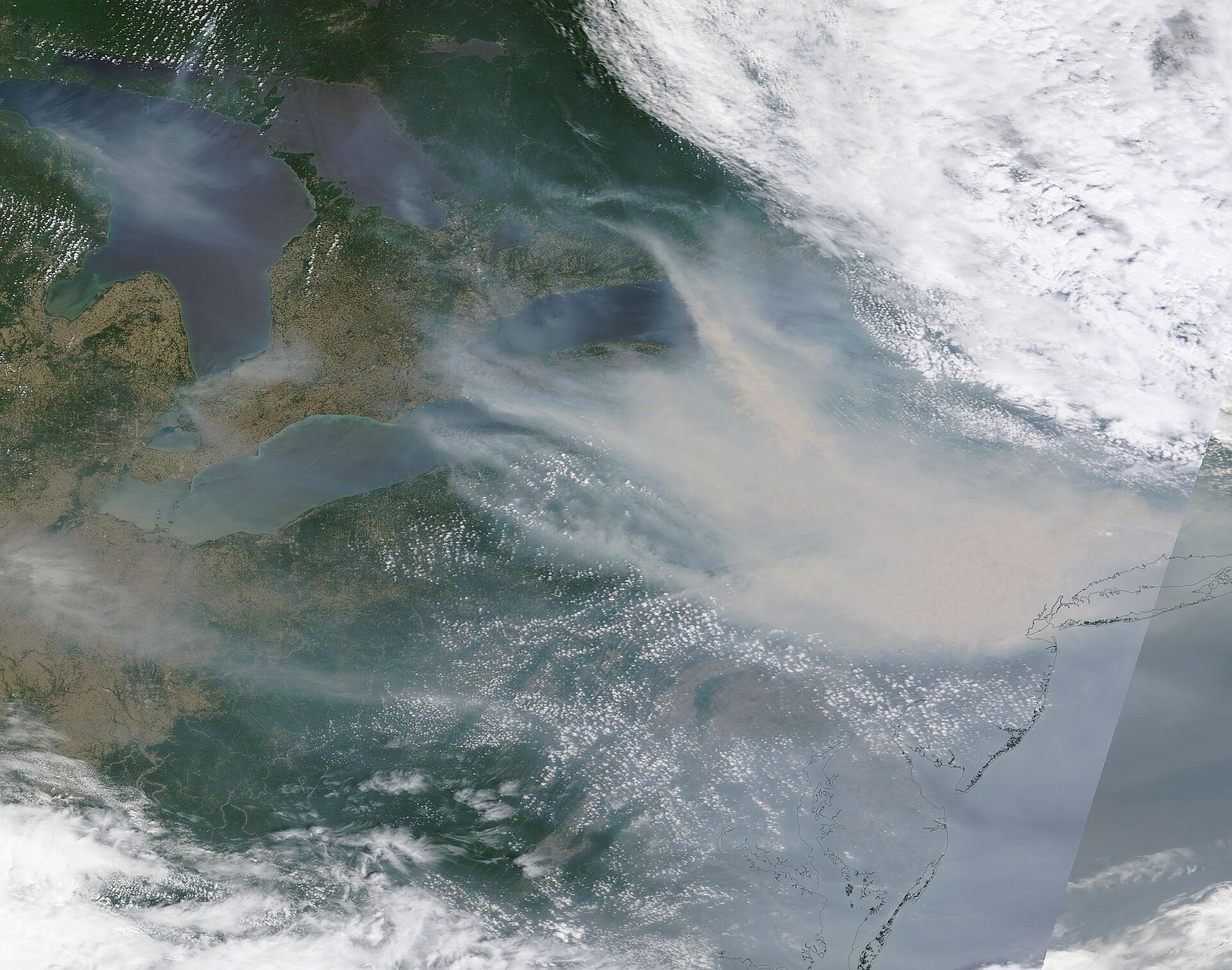
Wildfire smoke is a major source of PM2.5 across North America. During the 2015 California fire season, emergency visits for cardiovascular causes rose on dense smoke days, with the largest rise in adults aged 65 years or older (relative risk 1.15) and increases in myocardial infarction, heart failure, dysrhythmia, pulmonary embolism, and ischemic stroke (Wettstein 2018).

Cleaner air. After Dublin banned the sale of bituminous coal in 1990, black smoke fell by 70% and adjusted cardiovascular death rates by 10.3% (Clancy 2002), and the AHA concluded that reductions in particle levels are followed by lower cardiovascular mortality within a few years (Brook 2010). Vehicle emission standards, cleaner power generation, industrial controls, and clean household energy protect whole populations without depending on individual behavior.
Cardiovascular society statements on air pollution
The 2010 AHA statement judged the evidence consistent with a causal relationship between PM2.5 and cardiovascular morbidity and mortality and called PM2.5 a modifiable risk factor (Brook 2010). The 2015 European Society of Cardiology (ESC) expert position paper reached the same conclusion and advised clinicians to counsel susceptible patients on exposure reduction (Newby 2015). The 2020 AHA statement described the causal role as unequivocal, found a limited evidence base for most personal protective measures, and gave the most support to portable air cleaners and N95-class respirators (Rajagopalan 2020). The 2021 ESC prevention guideline addresses air pollution as an environmental risk factor and supports measures to reduce it (Visseren 2021). No US guideline assigns a class of recommendation to individual protective measures.
The Air Quality Index and counseling on high-pollution days
The EPA Air Quality Index (AQI) places the individual pollutants on a 0 to 500 scale and reports the highest value; local readings and forecasts are published on AirNow. In 2024, the PM2.5 breakpoints were revised so that the top of the good range matches the 9.0 µg/m³ annual standard.
| AQI category | Index | PM2.5, 24-hour (µg/m³) | Counseling for patients with heart disease |
|---|---|---|---|
| Good | 0–50 | 0.0–9.0 | Usual activity, including outdoor exercise |
| Moderate | 51–100 | 9.1–35.4 | Usual activity; less prolonged outdoor exertion for patients with symptoms on such days |
| Unhealthy for sensitive groups | 101–150 | 35.5–55.4 | Less prolonged or heavy outdoor exertion; indoor exercise; closed windows with indoor filtration |
| Unhealthy | 151–200 | 55.5–125.4 | No prolonged or heavy outdoor exertion; portable HEPA cleaner; N95 respirator for necessary time outdoors |
| Very unhealthy | 201–300 | 125.5–225.4 | Filtered room; no outdoor exertion; low threshold for seeking care for chest pain, dyspnea, or palpitations |
| Hazardous | 301 and higher | 225.5 and higher | Filtered indoor shelter or temporary relocation; adherence to public health instructions |
US Air Quality Index categories with the 2024 PM2.5 breakpoints and counseling for adults with cardiovascular disease. People with heart disease are named among the sensitive groups in AQI messages. Counseling summarizes the measures reviewed by the AHA (Rajagopalan 2020). HEPA, high-efficiency particulate air.
During prolonged smoke episodes, weight and symptoms are monitored more often in patients with heart failure. The nearest air quality monitor may understate exposure next to a busy road.
Personal protection: air cleaners, respirators, and exercise in polluted air
Personal measures reduce individual exposure but do not replace policy (Rajagopalan 2020). A portable high-efficiency particulate air (HEPA) cleaner sized to the room, usually the bedroom, roughly halves indoor PM2.5 with doors and windows closed; in a randomized crossover trial in older adults in Detroit, 3 days of filtration lowered systolic pressure by 3.2 mm Hg (Morishita 2018). Central systems with filters rated minimum efficiency reporting value (MERV) 13 or higher reduce indoor PM2.5 when the fan runs continuously. A well-fitted N95 respirator removes most fine particles; in patients with coronary disease walking in Beijing, a face mask lowered mean arterial pressure and improved heart rate variability (Langrish 2012). Cloth and surgical masks filter fine particles poorly, beards prevent a seal, and no mask filters ozone, nitrogen dioxide, or carbon monoxide. Vehicle air recirculation, cabin filters, and routes away from heavy traffic reduce commuting exposure. Supplements have no proven role.
Exercise raises ventilation and the inhaled dose, but at the concentrations found in US and European cities the cardiovascular benefit of regular walking or cycling outweighs the added harm. Patients are counseled to remain active, to avoid traffic peaks and busy roads, and to move exercise indoors when the AQI is unhealthy, in line with the physical activity guidance.
Transportation, occupational noise, and light at night
Road traffic noise is the second most important environmental cardiovascular exposure in Europe after air pollution, and its associations are largely independent of traffic pollution (Münzel 2018). Long-term exposure is summarized as Lden, the annual day-evening-night level in A-weighted decibels with evening and night penalties, and Lnight, the 23:00 to 07:00 average.
Noise activates the amygdala, the hypothalamic-pituitary-adrenal axis, and the sympathetic system even during sleep, raising cortisol, catecholamines, and blood pressure. Night noise fragments sleep and blunts the nocturnal blood pressure dip, and experimental nighttime aircraft noise impairs endothelial function through vascular oxidative stress (Münzel 2018). In the systematic review for the WHO guidelines, incident ischemic heart disease rose 8% per 10 dB of road traffic Lden (van Kempen 2018). A later meta-analysis of 53 studies found a smaller increase in incident heart disease with road traffic noise (relative risk 1.02 per 10 dB; 1.03 for all transportation noise) and associations with mortality from road, rail, and aircraft noise (Minkin 2025). Associations with hypertension, stroke, heart failure, and atrial fibrillation are less certain.
The 2018 WHO Environmental Noise Guidelines recommend average levels below 53 dB Lden and 45 dB Lnight for road traffic, 54 and 44 dB for railways, 45 and 40 dB for aircraft, and below 45 dB Lden for wind turbines (WHO Regional Office for Europe 2018). Quieter road surfaces, speed limits, barriers, night flight restrictions, insulated windows, and bedrooms away from the street reduce exposure.
Occupational noise. The Occupational Safety and Health Administration (OSHA) permissible exposure limit is 90 dB(A) over 8 hours, with hearing conservation required at 85 dB(A) (29 CFR §1910.95). In the systematic review for the WHO and International Labour Organization (ILO) joint estimates, occupational noise of 85 dB(A) or more was associated with incident ischemic heart disease (relative risk 1.29, from two studies), but evidence for stroke, hypertension, and mortality was inconclusive (Teixeira 2021). Noise-induced hearing loss on the audiogram marks substantial past exposure.
Light at night. In UK Biobank participants wearing light sensors, night light in the 91st to 100th percentile, compared with the 0 to 50th percentile, was associated with higher risks of myocardial infarction (hazard ratio 1.47), heart failure (1.56), atrial fibrillation (1.32), and stroke (1.28) (Windred 2025). Light at night is one route by which shift work and irregular sleep timing disrupt circadian rhythms.
Heat and the cardiovascular system
Daily mortality against temperature forms a U- or J-shaped curve, rising steeply at the hot end and more gradually, over many more days, at the cold end (Gasparrini 2015). In 567 cities in 27 countries, extreme hot days accounted for 2.2 and extreme cold days for 9.1 excess deaths per 1,000 cardiovascular deaths, and heart failure had the highest excess, 2.6 and 12.8 per 1,000 (Alahmad 2023). The European heat waves of summer 2003 were followed by more than 70,000 excess deaths in 16 countries, mostly in older adults (Robine 2008).
Heat is dissipated by cutaneous vasodilation and sweating, which require a higher cardiac output, mainly from a faster heart rate, while plasma volume falls. The ischemic threshold drops in coronary disease; in heart failure, limited reserve, diuretics, sweating, and poor intake cause hypotension, kidney injury, and electrolyte disturbance; and hemoconcentration promotes thrombosis. Acclimatization over 1 to 2 weeks expands plasma volume. Diuretics, renin-angiotensin blockers, sodium-glucose cotransporter 2 (SGLT2) inhibitors, and beta-blockers impair heat tolerance or add to volume depletion; the same drug cautions apply to workers returning after a cardiac event (occupational heat exposure). Drugs with anticholinergic effects and some psychotropic drugs add risk.
Heat forecasts and counseling. The National Weather Service and the Centers for Disease Control and Prevention (CDC) publish HeatRisk, a 7-day forecast on a 0 to 4 scale (green, little to no risk; yellow, minor; orange, moderate; red, major; magenta, extreme) that accounts for how unusual the heat is locally. Many cities run heat action plans with cooling centers and outreach to isolated older adults. A heat plan for a patient with heart disease covers access to air conditioning or a cooled public space, hydration within any agreed fluid limit, avoidance of exertion in the hottest hours, and a contact for advice. In heart failure it adds daily weights with instructions for diuretic adjustment, and during illness with poor intake it adds temporary holding of SGLT2 inhibitors and dose review of renin-angiotensin blockers. Fans do not prevent heat illness at very high temperatures.
Heat illness. Heat stroke, a core temperature above about 40 °C with central nervous system dysfunction, causes myocardial injury, arrhythmia, and shock; its treatment is covered under cardiac arrest in heat stroke and exertional heat stroke in athletes. Agricultural, construction, warehouse, and delivery workers, firefighters, and military personnel are most affected. Workplace prevention rests on water, rest, shade, acclimatization of new and returning workers, and adjusted work-rest cycles; OSHA addresses heat hazards under its general duty clause, and some states have their own standards.
Cold exposure and winter cardiovascular events
Cardiovascular deaths and myocardial infarctions peak in winter, and cold accounts for most temperature-attributable deaths (Gasparrini 2015). Cold causes vasoconstriction and sympathetic activation, raises blood pressure, viscosity, and fibrinogen, and cold air can provoke coronary vasoconstriction; the effect of a cold day lasts one to several weeks. Respiratory infections add to the winter excess, one reason for vaccination in people with heart disease. Snow shoveling combines arm and isometric work, breath-holding, and cold air: in Quebec, 20 cm of snowfall was associated with more admissions (odds ratio 1.16) and deaths (1.34) from myocardial infarction the next day in men but not women (Auger 2017). Accidental hypothermia and its electrocardiogram (ECG) changes are covered elsewhere.
Climate change, disasters, and extreme weather
Climate change acts on the heart through more frequent heat waves, longer wildfire seasons, more ozone, and stronger storms and floods, and exposures compound: heat with ozone or smoke, and power outages that remove cooling and filtration when they are most needed (Khraishah 2022). Older adults, people with chronic disease, outdoor workers, and low-income communities carry the highest risk.
Disasters trigger events through emotional stress and through disrupted care. On the day of the 1994 Northridge earthquake, sudden cardiac deaths in Los Angeles rose from a daily average of 4.6 to 24, mostly without exertion (Leor 1996). Preparedness for cardiac patients includes a week or more of medications and an updated medication list, device identification and remote-monitoring plans, power plans for left ventricular assist devices and home oxygen, and knowledge of cooling centers and evacuation routes. Plant-forward diets reduce both cardiovascular risk and environmental impact, as described under environmental sustainability of diets.
Altitude as an environmental and occupational exposure
Hypobaric hypoxia affects travelers, people who work at altitude (miners, military personnel, observatory staff, mountain guides), and permanent residents. High altitude is defined as more than 2,500 m (Parati 2018). Hypoxemia causes sympathetic activation, higher heart rate and blood pressure, and hypoxic pulmonary vasoconstriction, and maximal oxygen uptake falls by about 1% per 100 m above 1,500 m (Cornwell 2021). Advice by condition for travelers with coronary disease, heart failure, hypertension, arrhythmia, devices, or pulmonary hypertension, including the ESC joint recommendations, is given under high-altitude destinations for patients with heart disease.
Acute mountain sickness, high-altitude pulmonary edema (HAPE), and high-altitude cerebral edema develop after rapid ascent above about 2,500 m. Above 3,000 m, sleeping elevation is increased by no more than 500 m a day. Acetazolamide 125 mg twice daily prevents acute mountain sickness, and extended-release nifedipine 30 mg twice daily prevents HAPE in people with a previous episode; descent and oxygen treat all three (Luks 2024). Rotational work at very high altitude, as in Andean mining, repeats early acclimatization with a new shift and calls for surveillance of blood pressure, hematocrit, and sleep-disordered breathing. In long-term residents, chronic mountain sickness is defined by hemoglobin of 21 g/dL or more in men and 19 g/dL or more in women with hypoxemia, and high-altitude pulmonary hypertension by a mean pulmonary artery pressure above 30 mm Hg (León-Velarde 2005); both resolve with descent (hypoxic pulmonary hypertension).
Toxic metals: lead, cadmium, arsenic, and cobalt
The 2023 AHA scientific statement identifies lead, cadmium, and arsenic as cardiovascular risk factors that act through oxidative stress, inflammation, endothelial dysfunction, and altered calcium handling and gene regulation. They are linked to hypertension, coronary calcification and stenosis, ischemic heart disease, stroke, left ventricular hypertrophy, heart failure, and peripheral artery disease, and falls in exposure have been followed by falls in cardiovascular death (Lamas 2023).
| Metal | Main sources | Biomarker | Cardiovascular associations |
|---|---|---|---|
| Lead | Paint in older housing, old pipes and solder, battery recycling, smelting, demolition, firing ranges, some imported spices and remedies | Blood lead (recent); bone lead by x-ray fluorescence (cumulative, research) | Hypertension, left ventricular hypertrophy, coronary disease, stroke, peripheral artery disease, cardiovascular mortality at low levels |
| Cadmium | Tobacco smoke, rice and vegetables, battery and pigment manufacture, smelting | Urine cadmium adjusted for creatinine (body burden) | Atherosclerosis, coronary disease, stroke, peripheral artery disease, heart failure |
| Arsenic (inorganic) | Groundwater and private wells, rice, smelting, treated wood | Speciated urine arsenic | Coronary disease, stroke, peripheral artery disease; QT prolongation at high doses |
| Cobalt | Wear of metal-on-metal hip prostheses; hard-metal industry | Blood cobalt | Dilated cardiomyopathy that can recover after removal of the source |
Metals with cardiovascular effects. Lead, cadmium, and arsenic associations from the 2023 AHA statement (Lamas 2023). Regulatory limits include the OSHA lead removal level of 60 µg/dL or an average of 50 µg/dL (29 CFR §1910.1025) and the EPA arsenic limit of 10 µg/L in drinking water.
In 14,289 adults in the Third National Health and Nutrition Examination Survey (NHANES III) followed for 19.3 years, an increase in blood lead from 1.0 to 6.7 µg/dL was associated with higher cardiovascular mortality (hazard ratio 1.70) and ischemic heart disease mortality (2.08); 80% of participants had concentrations below 5 µg/dL (Lanphear 2018). The OSHA removal levels are therefore far above concentrations linked to cardiovascular risk. Cadmium has a renal half-life of more than a decade, and part of the cardiovascular harm of smoking may be mediated by it (Lamas 2023). Arsenic trioxide used in leukemia is covered under drug-induced QT prolongation. Blood lead and urine cadmium and arsenic are reasonable to measure in patients with occupational or residential exposure or unexplained premature atherosclerosis; removal of the source is the treatment.
Chelation therapy: TACT and TACT2
Edetate disodium (EDTA) chelation has been offered for decades outside evidence-based practice. In TACT, 1,708 patients aged 50 years or older after myocardial infarction received 40 infusions of an EDTA-based solution or placebo. The composite of death, reinfarction, stroke, coronary revascularization, or hospitalization for angina occurred in 26% and 30% (hazard ratio 0.82, 95% CI 0.69–0.99; P = 0.035 against a required threshold of 0.036), with no difference in mortality and heavy differential withdrawal (Lamas 2013). An apparently larger effect in participants with diabetes led to TACT2, in 959 patients with diabetes and prior infarction. Chelation lowered median blood lead from 9.03 to 3.46 µg/L (0.90 to 0.35 µg/dL), but the primary end point occurred in 35.6% and 35.7% (hazard ratio 0.93, 95% CI 0.76–1.16) and mortality was unchanged (Lamas 2024). Chelation therefore does not reduce cardiovascular events. The 2024 multisociety guideline for peripheral artery disease classifies it as Class 3: No Benefit for prevention of major adverse cardiovascular events and for claudication (Gornik 2024). Edetate disodium can cause fatal hypocalcemia, especially when confused with edetate calcium disodium, the agent for lead poisoning (CDC 2006).
Endocrine-disrupting chemicals, PFAS, and microplastics
The evidence for synthetic chemicals is observational and confounded by correlated exposures. In NHANES, urinary bisphenol A was associated with cardiovascular diagnoses (odds ratio 1.39 per standard deviation) (Lang 2008). Urinary metabolites of high-molecular-weight phthalates were associated with all-cause mortality, and one metabolite of di(2-ethylhexyl) phthalate with cardiovascular mortality; extrapolation attributed about 91,000 to 107,000 deaths a year among Americans aged 55 to 64 years to phthalate exposure (Trasande 2022). Per- and polyfluoroalkyl substances (PFAS), persistent chemicals in nonstick and stain-resistant products and firefighting foams, raise serum cholesterol, the critical effect in the 2018 European Food Safety Authority assessment (EFSA 2018). In 257 patients undergoing carotid endarterectomy, polyethylene micro- and nanoplastics were detected in plaque in 58.4%. Their presence was associated with myocardial infarction, stroke, or death over 34 months (hazard ratio 4.53, 95% CI 2.00–10.27) (Marfella 2024), but contamination and confounding leave causality unproven.
Carbon monoxide and myocardial injury
Carbon monoxide binds hemoglobin with about 200 to 250 times the affinity of oxygen and also binds myoglobin and cytochrome c oxidase. Sources include faulty furnaces, generators and grills used indoors (common after storms and outages), vehicles in enclosed spaces, propane forklifts, ice resurfacers, and fires; the paint stripper methylene chloride is metabolized to carbon monoxide. Pulse oximetry reads falsely normal; co-oximetry measures carboxyhemoglobin, which falls quickly with oxygen. Carboxyhemoglobin of only 2.0% to 3.9% shortened the time to ST depression and angina during exercise in patients with coronary disease (Allred 1989). In 230 patients with moderate to severe poisoning, 37% had myocardial injury, and 38% of them died over a median of 7.6 years compared with 15% without injury (adjusted hazard ratio 2.1) (Henry 2006). ECG, troponin, and echocardiography are therefore obtained, and injured patients are followed by cardiology. Carboxyhemoglobin half-life is about 4 to 6 hours in room air, 60 to 90 minutes with 100% oxygen, and 20 to 30 minutes with hyperbaric oxygen at about 3 atmospheres absolute. Hyperbaric oxygen reduced cognitive sequelae at 6 weeks from 46.1% to 25.0% in a randomized trial (Weaver 2002). The OSHA limit is 50 ppm over 8 hours, and carbon monoxide alarms prevent poisoning.
Secondhand smoke, the built environment, and green space
Secondhand smoke raises coronary risk in nonsmokers by about 25% to 30% (US Department of Health and Human Services 2006); tobacco is covered on the substance use page. Walkable neighborhoods with sidewalks, mixed land use, and transit are associated with more walking and less hypertension and diabetes, while proximity to major roads adds particles, nitrogen dioxide, and noise together. Residential greenness is associated with lower cardiovascular mortality, attributed to less pollution, noise, and heat, more activity, and less stress, although income confounds the association. Urban tree canopy lowers street temperatures during heat waves.
Occupational cardiology and the cardiologist's role in fitness for duty
In safety-critical occupations (commercial drivers, pilots and air traffic controllers, train and maritime crews, firefighters, police officers, and military personnel), sudden incapacitation from syncope, arrhythmia, ischemia, or stroke can harm others. Regulators, employers, or consensus bodies set medical standards, and designated examiners apply them. The treating cardiologist supplies the diagnosis, objective data (exercise capacity, ischemia testing, ventricular function, rhythm monitoring, device data), treatment, and an estimate of incapacitation risk; the examiner or occupational physician makes the fitness determination. A letter that only declares a patient fit is of little use to an examiner.
Standards weigh the annual probability of incapacitation against time at the task and the consequences of an event. Commercial aviation applies a 1% yearly risk threshold, the same figure that underlies commercial driving standards (Margulescu 2019); the risk-of-harm formula is described under principles of fitness to drive. Multicrew operation lowers the consequences and allows more permissive standards. In jobs requiring sudden maximal effort, fitness also depends on aerobic capacity, freedom from ischemia at the required workload, and tolerance of heat and protective equipment.
Psychosocial work stress, long working hours, and shift work
| Work exposure | Outcome | Risk estimate (95% CI) | Source |
|---|---|---|---|
| Job strain (high demands, low control) | Incident coronary heart disease | HR 1.23 (1.10–1.37) | 197,473 participants (Kivimäki 2012) |
| Effort-reward imbalance | Incident coronary heart disease | HR 1.16 (1.00–1.35); HR 1.41 (1.12–1.76) with coexisting job strain | 90,164 participants (Dragano 2017) |
| 55 hours or more a week vs 35 to 40 hours | Coronary heart disease; stroke | RR 1.13 (1.02–1.26); RR 1.33 (1.11–1.61) | 603,838 participants (Kivimäki 2015) |
| Shift work | Myocardial infarction; coronary events | RR 1.23 (1.15–1.31); RR 1.24 (1.10–1.39) | 34 studies (Vyas 2012) |
| Usual or permanent night shifts | Atrial fibrillation; coronary heart disease | HR 1.16 (1.02–1.32); HR 1.22 (1.11–1.35) | UK Biobank (Wang 2021) |
| Occupational noise of 85 dB(A) or more | Incident ischemic heart disease | RR 1.29 (1.15–1.43), low-quality evidence | WHO/ILO review (Teixeira 2021) |
Work organization and cardiovascular risk in large pooled analyses. HR, hazard ratio; RR, relative risk.
Job strain and effort-reward imbalance raise risk through sustained sympathetic activation and higher working-hours blood pressure, poor sleep, adverse behaviors, and depression. Long working hours are the occupational factor with the largest attributable burden in the WHO/ILO estimates: 488 million people were exposed in 2016, with attributable fractions of 3.7% of ischemic heart disease deaths and 6.9% of stroke deaths (Pega 2021). Shift work was associated with myocardial infarction and coronary events but not with higher mortality (Vyas 2012); night work misaligns the internal clock, flattens the nocturnal blood pressure dip, impairs glucose tolerance, shortens sleep, and adds light at night. Forward-rotating schedules, limits on consecutive nights, protected sleep, and screening for sleep apnea reduce the harm; sleep regularity is covered under circadian timing and shift work. Heavy occupational activity does not carry the benefit of leisure-time activity, the occupational physical activity paradox.
Occupational chemical, dust, vibration, and electrical hazards
Carbon monoxide affects firefighters, foundry, warehouse, and garage workers, and methylene chloride affects furniture strippers, as described under carbon monoxide. Workers in explosives manufacture exposed to organic nitrates develop headache and hypotension on exposure and rebound coronary vasospasm, angina, infarction, or sudden death 1 to 3 days after exposure stops, typically on weekends. Carbon disulfide, used in viscose rayon production, caused excess coronary mortality in historical cohorts. Halogenated hydrocarbons and other solvents sensitize the myocardium to catecholamines and cause ventricular arrhythmia and sudden death, particularly with exertion during exposure. Organophosphate pesticides cause bradycardia, heart block, and QT prolongation in acute poisoning. Diesel exhaust and welding fumes, both classified by the International Agency for Research on Cancer as carcinogenic to humans, add to particle exposure and are associated with endothelial dysfunction and myocardial infarction. Crystalline silica causes silicosis with pulmonary hypertension. Hazards are controlled in the order of elimination, substitution, engineering controls, administrative controls, and personal protective equipment last; respirators and encapsulating suits add their own cardiovascular load.
Occupational vascular disease of the hands. Hand-arm vibration syndrome is a group of vascular, neurological, and musculoskeletal disorders caused by regular use of vibrating tools such as grinders, chain saws, impact wrenches, and pneumatic hammers (Heaver 2011). Its vascular form, vibration white finger, is a secondary Raynaud phenomenon: cold triggers episodes of digital blanching from vasospasm of the digital arteries. In a meta-analysis of 52 studies, exposed workers had higher odds of Raynaud phenomenon (odds ratio 4.56, 95% CI 3.00–6.95), and at equal exposure, neurosensory injury appeared after about one third of the latency of Raynaud phenomenon (Nilsson 2017). Management rests on reducing or ending exposure, keeping the hands and body warm, and stopping smoking, with long-acting dihydropyridine calcium channel blockers for attacks, as described under Raynaud phenomenon.
Hypothenar hammer syndrome follows repeated use of the palm as a hammer, which injures the ulnar artery where it crosses the hook of the hamate. Arteriography shows segmental occlusion of the palmar ulnar artery or corkscrew elongation with alternating stenosis and ectasia. Embolic occlusion of the digital arteries causes finger ischemia. In one surgical series of 21 men, 12 of 13 bilateral arteriograms showed similar changes in the asymptomatic hand, and histology was consistent with fibromuscular dysplasia, suggesting repeated trauma to a predisposed artery. In the same series, ulnar artery resection with vein grafting had 84% patency at 2 years (Ferris 2000). Workers exposed to vinyl chloride monomer can develop acro-osteolysis of the distal phalanges with Raynaud phenomenon and scleroderma-like skin changes (Hahn 1979).
Electrical injury and lightning. Electrical injury is a common hazard in the home and the workplace (Waldmann 2018). Electricians and power line workers carry the highest occupational exposure, and outdoor workers are also exposed to lightning. Low-frequency alternating current causes ventricular fibrillation, lightning causes asystole and apnea, and high-voltage current causes deep tissue injury. Resuscitation and indications for cardiac monitoring are given under lightning and electrical injury.
Aerobic demands of work and exercise-capacity thresholds
Energy costs in the 2024 Adult Compendium of Physical Activities range from 1.3 metabolic equivalents (METs) for seated computer work through 3.0 for welding and 5.5 for coal mining to 8.0 for general firefighting and 9.0 for hauling hoses and equipment in full gear (Herrmann 2024). The full table and the method of comparing capacity with job demands are under matching job energy demands to exercise capacity. Average demand over a shift must lie well below peak capacity; heat, protective equipment, isometric work, and emotional stress raise strain above the nominal MET value; and capacity declines with age and differs by sex. Capacity is measured by exercise testing or, when a decision is close, by cardiopulmonary exercise testing.
For firefighters, a uniform aerobic capacity of 12 METs (42 mL/kg/min) was applied for many years. The 2025 consolidated National Fire Protection Association (NFPA) standard, NFPA 1580, replaced the uniform threshold with age- and sex-adjusted fitness percentiles, with a result at or above the 35th percentile counted as passing. The standard is described by the International Association of Fire Fighters as a medical health standard that does not test job-task ability (IAFF 2024; IAFF 2026).
Firefighters, police officers, and other emergency responders
Heart disease caused 45% of on-duty deaths in US firefighters from 1994 to 2004. Compared with nonemergency duties, the odds of coronary death were 12.1 to 136 times higher during fire suppression, 2.8 to 14.1 times higher during alarm response, and 2.9 to 6.6 times higher during physical training (Kales 2007). Firefighting combines sudden maximal exertion from rest, heavy gear that prevents heat loss, smoke with carbon monoxide and particles, night alarms, and psychological stress. Firefighters also have high PFAS exposure. NFPA 1580, which in 2025 absorbed the NFPA 1582 medical program standard, sets candidate and periodic medical evaluations that include cardiovascular risk assessment and aerobic capacity; prevention programs combine risk factor treatment, fitness, sleep apnea screening, and on-scene rehabilitation with cooling and hydration.
Among 441 sudden cardiac deaths in US police officers from 1984 to 2010, risk compared with routine duties was 34 to 69 times higher during restraints and altercations, 32 to 51 times higher during pursuits, 20 to 23 times higher during physical training, and 6 to 9 times higher during medical or rescue operations (Varvarigou 2014). Emergency medical services and correctional workers share shift work, lifting, and workplace violence. Agencies set standards from job-task analysis, and evaluation after cardiac events applies the same principles of ischemia, ventricular function, arrhythmia, and capacity, with a pursuit or struggle as the reference workload.
Commercial drivers and pilots
Interstate commercial drivers are certified by medical examiners registered with the Federal Motor Carrier Safety Administration (FMCSA) under 49 CFR §391.41, which disqualifies a current diagnosis of cardiovascular disease known to be accompanied by syncope, dyspnea, collapse, or congestive cardiac failure. Examiners decide case by case. ICDs are considered likely to cause syncope or collapse, and hypertension is certified in stages. The 2002 advisory panel recommended waiting periods after coronary events and a left ventricular ejection fraction (LVEF) of 40% or more; these are advisory and carry no regulatory force (FMCSA 2024; Blumenthal 2002). For pilots, the Federal Aviation Administration (FAA) treats myocardial infarction, angina, coronary heart disease that required treatment or is symptomatic, valve replacement, permanent pacemaker, and heart replacement as disqualifying under 14 CFR part 67, with special issuance possible for many. First- and second-class applicants wait 3 months after infarction or stenting and 6 months after bypass surgery or left main stenting, and an active ICD is disqualifying (FAA AME Guide). Under BasicMed, a private pilot with any of four conditions (myocardial infarction, coronary heart disease that required treatment, valve replacement, or heart replacement) must first have held a special issuance (14 CFR §68.9). Condition-by-condition rules are under private and commercial licensing and safety-critical occupations.
Cardiovascular fitness for commercial and recreational diving
Immersion shifts blood from the legs into the thorax and raises preload and cardiac output; cold adds afterload and diuresis follows; and the diving reflex superimposes vagal bradycardia on cold-induced sympathetic activation, which can trigger arrhythmias. An incapacitating event underwater often ends in drowning. Immersion pulmonary edema develops during swimming or diving without aspiration, recurs, and occurs mostly in people with hypertension, arrhythmia, structural heart disease, diabetes, or obesity; at least one of these was present in 72.2% of one case series (Peacher 2015). A patent foramen ovale (PFO) with a large shunt is associated with decompression illness. Screening is not routine. After shunt-pattern decompression illness, the options are to stop diving, dive conservatively, or close the defect and retest, as described under PFO in decompression illness. Divers with atherosclerotic disease undergo ischemic risk assessment that considers the risk to dive partners, as in diving by athletes with heart disease. Commercial and military divers undergo periodic examinations stricter than recreational standards, and implanted devices are rated for limited pressures.
Military service, spaceflight, seafarers, and remote-site work
| Occupation | Standard or authority | Cardiovascular focus |
|---|---|---|
| US military accession | Department of Defense Instruction 6130.03, volume 1 | Disqualifying cardiovascular conditions unless waived, among them coronary disease, cardiomyopathy, significant valve disease, high-risk arrhythmias and pre-excitation, and elevated blood pressure; deployability to austere settings |
| Astronauts | NASA spaceflight human-system standards | Screening for coronary atherosclerosis, structural disease, and arrhythmia; in-flight fluid shift and deconditioning; post-landing orthostatic intolerance |
| US merchant mariners | US Coast Guard medical certificate (46 CFR part 10; Merchant Mariner Medical Manual) | Risk of incapacitation or decompensation where care is unavailable; waivers after individual evaluation |
| International seafarers | ILO Maritime Labour Convention, 2006 | Medical certificate valid for up to 2 years; fitness for emergency duties far from care |
| Offshore and remote-site workers | Industry fitness standards | Time to definitive care, evacuation logistics, capacity for emergency escape |
Cardiovascular fitness standards in military, space, maritime, and remote work. Driving and flying standards are on the safety-critical occupations section of the return-to-work page.
Military standards emphasize deployability, load carriage, and periodic fitness tests, and exertional heat illness and sudden death during training recur in recruits. In spaceflight, 6 of 11 International Space Station crew members had stagnant or reversed internal jugular flow, and 1 had an occlusive jugular thrombus (Marshall-Goebel 2019); an acute coronary event in orbit cannot be treated definitively, so selection includes screening for coronary atherosclerosis. At sea and in remote sites, the inability to treat an event is the central issue, so standards weigh stability, monitoring needs, medication supply, and emergency duties (US Coast Guard 2019).
Cardiovascular screening, health promotion, and AED access at work
Screening identifies disease that would make the work unsafe and risk factors to treat. The US Preventive Services Task Force recommends against resting or exercise ECG screening in asymptomatic adults at low risk (USPSTF 2018), in whom an abnormal ST response is usually a false positive; required testing in public safety and transport is described under occupational exercise testing. Programs for hazardous jobs typically combine history and examination, blood pressure, lipids, glucose, body composition, ECG, aerobic capacity, and sleep apnea screening, with stress testing or imaging for symptoms, multiple risk factors, or low capacity; some use coronary artery calcium to refine intermediate risk. Under the Americans with Disabilities Act, medical examinations may be required only after a conditional job offer and for all entrants to the job category. Examinations of current employees must be job-related and consistent with business necessity (29 CFR part 1630), as described under legal protections.
Workplace programs for screening, smoking cessation, activity, diet, and blood pressure have modest effects on measured risk. Programs that change the environment, such as smoke-free policies, healthy food, and limits on long hours, are more effective. Workplace cardiac arrests are often witnessed, so survival is good when an automated external defibrillator (AED) is retrievable within minutes and trained responders are present. OSHA recommends but does not generally require AEDs, and many states require them in specified facilities; program design follows the principles of AEDs and survival.
Implanted devices, electromagnetic interference, and occupational radiation
Arc welding, induction furnaces, large motors and generators, high-voltage installations, and industrial magnets can cause pacemaker and ICD oversensing, pacing inhibition, or inappropriate shocks. Assessment and device programming are described under electromagnetic interference at work, daily-life and occupational interference, and pacemaker interference, and occupational restrictions with an ICD under ICD driving and occupation. Interventional cardiology staff receive scattered radiation; US limits are 50 mSv a year effective dose and 150 mSv to the lens, and the International Commission on Radiological Protection (ICRP) recommends 20 mSv for both, as given under occupational dose limits and radiation exposure of the interventional imager. Operator technique, shielding, and dosimetry in the catheterization laboratory are covered under operator technique.
Workers' compensation and heart presumption laws for public-safety workers
Workers' compensation claims for heart disease require a medical opinion on whether work was more likely than not a substantial contributing or aggravating cause. Acute events during unusual exertion or stress at work and disease from specific exposures such as carbon monoxide are the clearest cases. Many states presume that heart disease or hypertension in firefighters, and often in police officers, is occupational, shifting the burden of proof to the employer; laws differ in occupations covered, years of service, the requirement of a normal entry examination, tobacco exclusions, and post-separation periods. The federal Public Safety Officers' Benefits program presumes that a fatal heart attack, stroke, or vascular rupture is a line-of-duty injury when it begins during, or within 24 hours of, nonroutine stressful or strenuous emergency activity or training. Clerical and administrative work does not qualify, and competent medical evidence of an unrelated cause rebuts the presumption (34 USC §10281(k)–(l)). The cardiologist's report states the diagnosis and its evidence, the exposure or activity and its timing, conventional risk factors, a reasoned opinion on contribution, and functional capacity in METs, New York Heart Association (NYHA) class, and LVEF.
Sources of error in environmental and occupational cardiology
- Omitting the exposure history, so occupational, residential, and water-borne exposures behind hypertension, premature atherosclerosis, arrhythmia, or cardiomyopathy go unrecognized.
- Treating air quality standards as safe thresholds: PM2.5 effects occur below the US annual standard and the WHO guideline, with no threshold identified.
- Relying on cloth or surgical masks: only well-fitted N95 or equivalent respirators filter PM2.5, and none filter gases.
- Advising patients to stop exercising because of pollution; the correct advice is to change time, place, and intensity on high-AQI days.
- Leaving heart failure regimens unchanged during heat waves, without daily weights or a diuretic plan.
- Excluding carbon monoxide poisoning on normal pulse oximetry or a carboxyhemoglobin level drawn hours after oxygen.
- Recommending chelation for atherosclerosis despite TACT2 and the risk of fatal hypocalcemia.
- Comparing peak METs with job demands without allowing for heat, protective gear, isometric work, and emotional stress.
- Overlooking organic nitrate withdrawal in explosives workers with angina or sudden death after weekends.
References
- Khraishah H, Alahmad B, Ostergard RL Jr, et al. Climate change and cardiovascular disease: implications for global health. Nat Rev Cardiol. 2022;19:798–812. doi:10.1038/s41569-022-00720-x
- World Health Organization. Ambient (outdoor) air pollution. Fact sheet. who.int/news-room/fact-sheets/detail/ambient-(outdoor)-air-quality-and-health
- World Health Organization. Household air pollution. Fact sheet. who.int/news-room/fact-sheets/detail/household-air-pollution-and-health
- Burnett R, Chen H, Szyszkowicz M, et al. Global estimates of mortality associated with long-term exposure to outdoor fine particulate matter. Proc Natl Acad Sci U S A. 2018;115:9592–9597. doi:10.1073/pnas.1803222115
- Gasparrini A, Guo Y, Hashizume M, et al. Mortality risk attributable to high and low ambient temperature: a multicountry observational study. Lancet. 2015;386:369–375. doi:10.1016/S0140-6736(14)62114-0
- Lanphear BP, Rauch S, Auinger P, et al. Low-level lead exposure and mortality in US adults: a population-based cohort study. Lancet Public Health. 2018;3:e177–e184. doi:10.1016/S2468-2667(18)30025-2
- Pega F, Náfrádi B, Momen NC, et al. Global, regional, and national burdens of ischemic heart disease and stroke attributable to exposure to long working hours for 194 countries, 2000-2016: A systematic analysis from the WHO/ILO Joint Estimates of the Work-related Burden of Disease and Injury. Environ Int. 2021;154:106595. doi:10.1016/j.envint.2021.106595
- Brook RD, Rajagopalan S, Pope CA 3rd, et al. Particulate matter air pollution and cardiovascular disease: An update to the scientific statement from the American Heart Association. Circulation. 2010;121:2331–2378. doi:10.1161/CIR.0b013e3181dbece1
- US Environmental Protection Agency. Reconsideration of the National Ambient Air Quality Standards for particulate matter: final rule. Fed Regist. 2024;89:16202 (March 6, 2024). epa.gov/pm-pollution/national-ambient-air-quality-standards-naaqs-pm
- World Health Organization. WHO global air quality guidelines: particulate matter (PM2.5 and PM10), ozone, nitrogen dioxide, sulfur dioxide and carbon monoxide. Geneva: WHO; 2021. ISBN 978-92-4-003422-8.
- Newby DE, Mannucci PM, Tell GS, et al. Expert position paper on air pollution and cardiovascular disease. Eur Heart J. 2015;36:83–93b. doi:10.1093/eurheartj/ehu458
- Rajagopalan S, Brauer M, Bhatnagar A, et al. Personal-Level Protective Actions Against Particulate Matter Air Pollution Exposure: A Scientific Statement From the American Heart Association. Circulation. 2020;142:e411–e431. doi:10.1161/CIR.0000000000000931
- Mustafic H, Jabre P, Caussin C, et al. Main air pollutants and myocardial infarction: a systematic review and meta-analysis. JAMA. 2012;307:713–721. doi:10.1001/jama.2012.126
- Shah AS, Langrish JP, Nair H, et al. Global association of air pollution and heart failure: a systematic review and meta-analysis. Lancet. 2013;382:1039–1048. doi:10.1016/S0140-6736(13)60898-3
- Shah AS, Lee KK, McAllister DA, et al. Short term exposure to air pollution and stroke: systematic review and meta-analysis. BMJ. 2015;350:h1295. doi:10.1136/bmj.h1295
- Link MS, Luttmann-Gibson H, Schwartz J, et al. Acute exposure to air pollution triggers atrial fibrillation. J Am Coll Cardiol. 2013;62:816–825. doi:10.1016/j.jacc.2013.05.043
- Jones CG, Rappold AG, Vargo J, et al. Out-of-Hospital Cardiac Arrests and Wildfire-Related Particulate Matter During 2015-2017 California Wildfires. J Am Heart Assoc. 2020;9:e014125. doi:10.1161/JAHA.119.014125
- Dockery DW, Pope CA 3rd, Xu X, et al. An association between air pollution and mortality in six U.S. cities. N Engl J Med. 1993;329:1753–1759. doi:10.1056/NEJM199312093292401
- Pope CA 3rd, Burnett RT, Thun MJ, et al. Lung cancer, cardiopulmonary mortality, and long-term exposure to fine particulate air pollution. JAMA. 2002;287:1132–1141. doi:10.1001/jama.287.9.1132
- Di Q, Wang Y, Zanobetti A, et al. Air Pollution and Mortality in the Medicare Population. N Engl J Med. 2017;376:2513–2522. doi:10.1056/NEJMoa1702747
- Cesaroni G, Forastiere F, Stafoggia M, et al. Long term exposure to ambient air pollution and incidence of acute coronary events: prospective cohort study and meta-analysis in 11 European cohorts from the ESCAPE Project. BMJ. 2014;348:f7412. doi:10.1136/bmj.f7412
- Kaufman JD, Adar SD, Barr RG, et al. Association between air pollution and coronary artery calcification within six metropolitan areas in the USA (the Multi-Ethnic Study of Atherosclerosis and Air Pollution): a longitudinal cohort study. Lancet. 2016;388:696–704. doi:10.1016/S0140-6736(16)00378-0
- Lamas GA, Bhatnagar A, Jones MR, et al. Contaminant Metals as Cardiovascular Risk Factors: A Scientific Statement From the American Heart Association. J Am Heart Assoc. 2023;12:e029852. doi:10.1161/JAHA.123.029852
- Zhou X, Yang S, Reich BJ. Estimating the causal effect of redlining on present-day air pollution. Biometrics. 2026;82:ujaf173. doi:10.1093/biomtc/ujaf173
- Clasen TF, Chang HH, Thompson LM, et al. Liquefied Petroleum Gas or Biomass for Cooking and Effects on Birth Weight. N Engl J Med. 2022;387:1735–1746. doi:10.1056/NEJMoa2206734
- Wettstein ZS, Hoshiko S, Fahimi J, et al. Cardiovascular and Cerebrovascular Emergency Department Visits Associated With Wildfire Smoke Exposure in California in 2015. J Am Heart Assoc. 2018;7:e007492. doi:10.1161/JAHA.117.007492
- Clancy L, Goodman P, Sinclair H, et al. Effect of air-pollution control on death rates in Dublin, Ireland: an intervention study. Lancet. 2002;360:1210–1214. doi:10.1016/S0140-6736(02)11281-5
- Visseren FLJ, Mach F, Smulders YM, et al. 2021 ESC Guidelines on cardiovascular disease prevention in clinical practice. Eur Heart J. 2021;42:3227–3337. doi:10.1093/eurheartj/ehab484
- Morishita M, Adar SD, D'Souza J, et al. Effect of Portable Air Filtration Systems on Personal Exposure to Fine Particulate Matter and Blood Pressure Among Residents in a Low-Income Senior Facility: A Randomized Clinical Trial. JAMA Intern Med. 2018;178:1350–1357. doi:10.1001/jamainternmed.2018.3308
- Langrish JP, Li X, Wang S, et al. Reducing personal exposure to particulate air pollution improves cardiovascular health in patients with coronary heart disease. Environ Health Perspect. 2012;120:367–372. doi:10.1289/ehp.1103898
- Münzel T, Schmidt FP, Steven S, et al. Environmental Noise and the Cardiovascular System. J Am Coll Cardiol. 2018;71:688–697. doi:10.1016/j.jacc.2017.12.015
- van Kempen E, Casas M, Pershagen G, et al. WHO Environmental Noise Guidelines for the European Region: A Systematic Review on Environmental Noise and Cardiovascular and Metabolic Effects: A Summary. Int J Environ Res Public Health. 2018;15:379. doi:10.3390/ijerph15020379
- Minkin M, Woodland L, Williams OA, et al. Revisiting the association between transportation noise and heart disease reported in the World Health Organization Environmental Noise Guidelines for the European Region: a systematic review and meta-analysis. Environ Int. 2025;202:109667. doi:10.1016/j.envint.2025.109667
- WHO Regional Office for Europe. Environmental noise guidelines for the European Region. Copenhagen: WHO Regional Office for Europe; 2018. ISBN 978-92-890-5356-3.
- Occupational Safety and Health Administration. Occupational noise exposure. 29 CFR §1910.95.
- Teixeira LR, Pega F, Dzhambov AM, et al. The effect of occupational exposure to noise on ischaemic heart disease, stroke and hypertension: A systematic review and meta-analysis from the WHO/ILO Joint Estimates of the Work-Related Burden of Disease and Injury. Environ Int. 2021;154:106387. doi:10.1016/j.envint.2021.106387
- Windred DP, Burns AC, Rutter MK, et al. Light Exposure at Night and Cardiovascular Disease Incidence. JAMA Netw Open. 2025;8:e2539031. doi:10.1001/jamanetworkopen.2025.39031
- Alahmad B, Khraishah H, Royé D, et al. Associations Between Extreme Temperatures and Cardiovascular Cause-Specific Mortality: Results From 27 Countries. Circulation. 2023;147:35–46. doi:10.1161/CIRCULATIONAHA.122.061832
- Robine JM, Cheung SL, Le Roy S, et al. Death toll exceeded 70,000 in Europe during the summer of 2003. C R Biol. 2008;331:171–178. doi:10.1016/j.crvi.2007.12.001
- Auger N, Potter BJ, Smargiassi A, et al. Association between quantity and duration of snowfall and risk of myocardial infarction. CMAJ. 2017;189:E235–E242. doi:10.1503/cmaj.161064
- Leor J, Poole WK, Kloner RA. Sudden cardiac death triggered by an earthquake. N Engl J Med. 1996;334:413–419. doi:10.1056/NEJM199602153340701
- Parati G, Agostoni P, Basnyat B, et al. Clinical recommendations for high altitude exposure of individuals with pre-existing cardiovascular conditions: a joint statement by the European Society of Cardiology, the Council on Hypertension of the European Society of Cardiology, the European Society of Hypertension, the International Society of Mountain Medicine, the Italian Society of Hypertension and the Italian Society of Mountain Medicine. Eur Heart J. 2018;39:1546–1554. doi:10.1093/eurheartj/ehx720
- Cornwell WK 3rd, Baggish AL, Bhatta YKD, et al. Clinical implications for exercise at altitude among individuals with cardiovascular disease: a scientific statement from the American Heart Association. J Am Heart Assoc. 2021;10:e023225. doi:10.1161/JAHA.121.023225
- Luks AM, Beidleman BA, Freer L, et al. Wilderness Medical Society Clinical Practice Guidelines for the Prevention, Diagnosis, and Treatment of Acute Altitude Illness: 2024 Update. Wilderness Environ Med. 2024;35:2S–19S. doi:10.1016/j.wem.2023.05.013
- León-Velarde F, Maggiorini M, Reeves JT, et al. Consensus statement on chronic and subacute high altitude diseases. High Alt Med Biol. 2005;6:147–157. doi:10.1089/ham.2005.6.147
- Occupational Safety and Health Administration. Lead. 29 CFR §1910.1025.
- Lamas GA, Goertz C, Boineau R, et al. Effect of disodium EDTA chelation regimen on cardiovascular events in patients with previous myocardial infarction: the TACT randomized trial. JAMA. 2013;309:1241–1250. doi:10.1001/jama.2013.2107
- Lamas GA, Anstrom KJ, Navas-Acien A, et al. Edetate Disodium-Based Chelation for Patients With a Previous Myocardial Infarction and Diabetes: TACT2 Randomized Clinical Trial. JAMA. 2024;332:794–803. doi:10.1001/jama.2024.11463
- Centers for Disease Control and Prevention. Deaths associated with hypocalcemia from chelation therapy—Texas, Pennsylvania, and Oregon, 2003–2005. MMWR Morb Mortal Wkly Rep. 2006;55:204–207.
- Lang IA, Galloway TS, Scarlett A, et al. Association of urinary bisphenol A concentration with medical disorders and laboratory abnormalities in adults. JAMA. 2008;300:1303–1310. doi:10.1001/jama.300.11.1303
- Trasande L, Liu B, Bao W. Phthalates and attributable mortality: A population-based longitudinal cohort study and cost analysis. Environ Pollut. 2022;292:118021. doi:10.1016/j.envpol.2021.118021
- EFSA Panel on Contaminants in the Food Chain (CONTAM); Knutsen HK, Alexander J, Barregård L, et al. Risk to human health related to the presence of perfluorooctane sulfonic acid and perfluorooctanoic acid in food. EFSA J. 2018;16:e05194. doi:10.2903/j.efsa.2018.5194
- Marfella R, Prattichizzo F, Sardu C, et al. Microplastics and Nanoplastics in Atheromas and Cardiovascular Events. N Engl J Med. 2024;390:900–910. doi:10.1056/NEJMoa2309822
- Allred EN, Bleecker ER, Chaitman BR, et al. Short-term effects of carbon monoxide exposure on the exercise performance of subjects with coronary artery disease. N Engl J Med. 1989;321:1426–1432. doi:10.1056/NEJM198911233212102
- Henry CR, Satran D, Lindgren B, et al. Myocardial injury and long-term mortality following moderate to severe carbon monoxide poisoning. JAMA. 2006;295:398–402. doi:10.1001/jama.295.4.398
- Weaver LK, Hopkins RO, Chan KJ, et al. Hyperbaric oxygen for acute carbon monoxide poisoning. N Engl J Med. 2002;347:1057–1067. doi:10.1056/NEJMoa013121
- US Department of Health and Human Services. The health consequences of involuntary exposure to tobacco smoke: a report of the Surgeon General. Atlanta, GA: Centers for Disease Control and Prevention; 2006.
- Margulescu AD, Anderson MH. A review of driving restrictions in patients at risk of syncope and cardiac arrhythmias associated with sudden incapacity: differing global approaches to regulation and risk. Arrhythm Electrophysiol Rev. 2019;8:90–98. doi:10.15420/aer.2019.13.2
- Kivimäki M, Nyberg ST, Batty GD, et al. Job strain as a risk factor for coronary heart disease: a collaborative meta-analysis of individual participant data. Lancet. 2012;380:1491–1497. doi:10.1016/S0140-6736(12)60994-5
- Dragano N, Siegrist J, Nyberg ST, et al. Effort-Reward Imbalance at Work and Incident Coronary Heart Disease: A Multicohort Study of 90,164 Individuals. Epidemiology. 2017;28:619–626. doi:10.1097/EDE.0000000000000666
- Kivimäki M, Jokela M, Nyberg ST, et al. Long working hours and risk of coronary heart disease and stroke: a systematic review and meta-analysis of published and unpublished data for 603,838 individuals. Lancet. 2015;386:1739–1746. doi:10.1016/S0140-6736(15)60295-1
- Vyas MV, Garg AX, Iansavichus AV, et al. Shift work and vascular events: systematic review and meta-analysis. BMJ. 2012;345:e4800. doi:10.1136/bmj.e4800
- Wang N, Sun Y, Zhang H, et al. Long-term night shift work is associated with the risk of atrial fibrillation and coronary heart disease. Eur Heart J. 2021;42:4180–4188. doi:10.1093/eurheartj/ehab505
- Herrmann SD, Willis EA, Ainsworth BE, et al. 2024 Adult Compendium of Physical Activities: a third update of the energy costs of human activities. J Sport Health Sci. 2024;13:6–12. doi:10.1016/j.jshs.2023.10.010
- International Association of Fire Fighters. NFPA 1580 cardiorespiratory fitness: a health standard in support of fire fighter wellness and readiness. Position statement; January 2026. iaff.org
- Kales SN, Soteriades ES, Christophi CA, et al. Emergency duties and deaths from heart disease among firefighters in the United States. N Engl J Med. 2007;356:1207–1215. doi:10.1056/NEJMoa060357
- Varvarigou V, Farioli A, Korre M, et al. Law enforcement duties and sudden cardiac death among police officers in United States: case distribution study. BMJ. 2014;349:g6534. doi:10.1136/bmj.g6534
- Federal Motor Carrier Safety Administration. Physical qualifications for drivers, 49 CFR §391.41, and medical advisory criteria for evaluation under 49 CFR part 391, subpart E (49 CFR part 391, appendix A). Fed Regist. 2024;89:3577. govinfo.gov/content/pkg/FR-2024-01-19/html/2024-00980.htm
- Blumenthal R, Connolly H, Gersh BJ, et al. Cardiovascular advisory panel guidelines for the medical examination of commercial motor vehicle drivers. Federal Motor Carrier Safety Administration; October 2002. NTIS PB2003102771.
- Federal Aviation Administration. Medical standards and certification, 14 CFR §§67.111, 67.211, and 67.311, and Guide for aviation medical examiners: cardiovascular conditions. faa.gov/ame_guide
- Federal Aviation Administration. Alternate medical qualifications (BasicMed): special issuance of medical certificates to operate under this part. 14 CFR §68.9. law.cornell.edu/cfr/text/14/68.9
- Peacher DF, Martina SD, Otteni CE, et al. Immersion pulmonary edema and comorbidities: case series and updated review. Med Sci Sports Exerc. 2015;47:1128–1134. doi:10.1249/MSS.0000000000000524
- Marshall-Goebel K, Laurie SS, Alferova IV, et al. Assessment of Jugular Venous Blood Flow Stasis and Thrombosis During Spaceflight. JAMA Netw Open. 2019;2:e1915011. doi:10.1001/jamanetworkopen.2019.15011
- US Coast Guard. Merchant Mariner Medical Manual. COMDTINST M16721.48. Washington, DC: US Coast Guard; 2019.
- Equal Employment Opportunity Commission. Regulations to implement the equal employment provisions of the Americans with Disabilities Act. 29 CFR part 1630.
- Public Safety Officers’ Benefits: heart attack, stroke, or vascular rupture presumption. 34 USC §10281(k). law.cornell.edu/uscode/text/34/10281
- International Association of Fire Fighters. Fire fighter cardiorespiratory requirements adjusted for age and biological sex. News release; July 12, 2024. iaff.org
- Gornik HL, Aronow HD, Goodney PP, et al. 2024 ACC/AHA/AACVPR/APMA/ABC/SCAI/SVM/SVN/SVS/SIR/VESS guideline for the management of lower extremity peripheral artery disease: a report of the American College of Cardiology/American Heart Association Joint Committee on Clinical Practice Guidelines. Circulation. 2024;149:e1313–e1410. doi:10.1161/CIR.0000000000001251
- US Preventive Services Task Force. Screening for cardiovascular disease risk with electrocardiography: US Preventive Services Task Force recommendation statement. JAMA. 2018;319:2308–2314. doi:10.1001/jama.2018.6848
- Heaver C, Goonetilleke KS, Ferguson H, Shiralkar S. Hand-arm vibration syndrome: a common occupational hazard in industrialized countries. J Hand Surg Eur Vol. 2011;36:354–363. doi:10.1177/1753193410396636
- Nilsson T, Wahlström J, Burström L. Hand-arm vibration and the risk of vascular and neurological diseases: a systematic review and meta-analysis. PLoS One. 2017;12:e0180795. doi:10.1371/journal.pone.0180795
- Ferris BL, Taylor LM Jr, Oyama K, et al. Hypothenar hammer syndrome: proposed etiology. J Vasc Surg. 2000;31:104–113. doi:10.1016/S0741-5214(00)70072-3
- Hahn E, Aderka D, Suprun H, Shtamler B. Occupational acroosteolysis in vinyl chloride workers in Israel. Isr J Med Sci. 1979;15:218–222.
- Waldmann V, Narayanan K, Combes N, et al. Electrical cardiac injuries: current concepts and management. Eur Heart J. 2018;39:1459–1465. doi:10.1093/eurheartj/ehx142