Library › Pharmacology › Digoxin
Digoxin: rate control, heart failure, and toxicity
Digoxin in adults from mechanism and kinetics through heart failure and atrial fibrillation evidence, dosing and serum levels, interactions, and the recognition and treatment of toxicity with digoxin immune Fab.
Digoxin reduces heart failure hospitalization without changing mortality and controls the resting ventricular rate in atrial fibrillation. It is dosed by lean body weight and kidney function toward a serum concentration of 0.5 to 0.9 ng/mL in heart failure and below 1.2 ng/mL in atrial fibrillation. Toxicity combines enhanced automaticity with impaired conduction. Life-threatening toxicity is treated with digoxin immune Fab, one 40-mg vial for each 0.5 mg of digoxin in the body.
Cardiac glycosides: digoxin, digitoxin, and plant sources
Cardiac glycosides are steroid compounds with a lactone ring and a sugar chain that bind the sodium-potassium ATPase. Digoxin is extracted from the leaves of Digitalis lanata; digitoxin comes from Digitalis purpurea and D. lanata. The same pharmacology is found in plants such as foxglove, oleander, yellow oleander, and lily of the valley, and in bufadienolides from the skin glands of some toads. Digoxin is the only cardiac glycoside marketed in the United States. Digitoxin, which is cleared by the liver and has a half-life measured in days, remains in use in parts of Europe and is the drug tested in the DIGIT-HF trial.
The 1785 monograph An Account of the Foxglove followed a decade of treating "dropsy" with leaf preparations. Careful titration to nausea, visual change, and slowing of the pulse described both the therapeutic effect and the toxic syndrome. The drug's place in medicine has shifted from first-line heart failure therapy to a narrower role. Digoxin remains an option for symptom and hospitalization benefit in reduced ejection fraction heart failure and for rate control in atrial fibrillation with heart failure symptoms or hypotension. In older adults it is also a common cause of drug toxicity.
US emergency surveillance from 2005 to 2010 estimated about 5,200 emergency department visits a year for digoxin toxicity. The rate per outpatient prescription visit was about twice as high in patients 85 years or older as in those aged 40 to 84 years. It was also about twice as high in women as in men. Among patients 85 years or older, digoxin accounted for 5.9% of hospitalizations for adverse drug events. In 95.8% of visits with a reported level, the serum concentration was 2.0 ng/mL or higher.
Mechanism: sodium-potassium ATPase inhibition and vagal effects
Inotropy. Digoxin binds the extracellular face of the alpha subunit of the sodium-potassium ATPase and stabilizes the enzyme in a phosphorylated state that cannot complete its transport cycle. Each pump cycle normally exports three sodium ions and imports two potassium ions. Inhibition raises intracellular sodium, which reduces the gradient that drives the sodium-calcium exchanger to extrude calcium. Calcium accumulates in the cytosol and is taken up into the sarcoplasmic reticulum, so each subsequent action potential releases more calcium and contraction strengthens. The inotropic effect does not depend on beta-adrenergic receptors or cyclic AMP and does not raise heart rate.
Potassium competes with digoxin at the pump. Extracellular potassium and digoxin bind the pump at interacting sites. Hypokalemia increases digoxin binding and toxicity at any serum concentration, and hyperkalemia reduces binding. This competition explains why diuretic-induced hypokalemia precipitates toxicity and why the potassium concentration is part of every interpretation of a digoxin level.
Autonomic effects. At therapeutic concentrations digoxin increases vagal tone and sensitizes arterial baroreceptors. Acetylcholine activates the acetylcholine-sensitive potassium current in sinus and atrioventricular (AV) nodal cells, slowing sinus rate and prolonging AV nodal conduction and refractoriness. Sympathetic withdrawal follows: plasma norepinephrine and renin activity fall in heart failure. Because the nodal effect depends on vagal tone, it is overridden by exercise, fever, thyrotoxicosis, hypoxia, and acute illness. Digoxin therefore controls the resting rate in atrial fibrillation far better than the exercise rate, and it has little nodal effect in a denervated transplanted heart.
Electrophysiologic effects at higher concentrations. Calcium overload produces spontaneous diastolic release from the sarcoplasmic reticulum. Forward-mode sodium-calcium exchange then generates a transient inward current and delayed afterdepolarizations, which can reach threshold and trigger beats. At toxic concentrations central sympathetic outflow rises, and direct depression of nodal tissue adds to vagal effects. Toxicity therefore joins two opposite abnormalities, enhanced automaticity and impaired conduction, a combination that few other conditions produce.
Hemodynamics. In heart failure with reduced ejection fraction, digoxin raises cardiac output and ejection fraction modestly and lowers pulmonary capillary wedge pressure, pulmonary artery pressure, and systemic vascular resistance, with a decrease in end-systolic and end-diastolic dimensions. It does not lower blood pressure, which makes it one of the few rate-controlling or heart failure drugs usable in hypotension.
Pharmacokinetics of digoxin and the role of the kidney
Digoxin tablets are 60% to 80% bioavailable and the intravenous preparation 100%, so 125 µg orally is equivalent to about 100 µg intravenously. Peak serum concentrations occur 1 to 3 hours after an oral dose. A distribution phase of 6 to 8 hours follows, during which serum concentrations are high but do not reflect tissue concentrations at the site of action. After distribution, serum and myocardial concentrations are in equilibrium, and only post-distribution concentrations are interpretable.
The apparent volume of distribution, about 475 to 500 L in an adult, reflects extensive binding to skeletal muscle and myocardium. Distribution correlates with lean body mass. Fat takes up little digoxin, so loading and maintenance doses are calculated on lean (ideal) body weight, and older adults with low muscle mass have a smaller volume of distribution. Only about 25% of serum digoxin is protein-bound, so hypoalbuminemia does not alter dosing.
Elimination is first order and mainly renal. Of an intravenous dose, 50% to 70% is excreted unchanged in the urine by glomerular filtration and P-glycoprotein-mediated tubular secretion, and only about 13% is metabolized, independently of the cytochrome P450 system. Renal clearance is proportional to creatinine clearance and largely independent of urine flow. The half-life is 1.5 to 2 days with normal kidney function and 3.5 to 5 days in anuria. Steady state takes about five half-lives, roughly 7 days with normal function and close to 3 weeks with severe kidney disease, unless a loading dose is given. Because most of the drug is in tissue, hemodialysis, exchange transfusion, and cardiopulmonary bypass remove little digoxin.
In about 1 in 10 patients, colonic bacteria (principally Eggerthella lenta) reduce 40% or more of an oral dose to inactive dihydrodigoxin. Antibiotics that suppress these bacteria can roughly double the serum concentration over the following days. Malabsorption, short bowel, high-bran meals, cholestyramine, and antacids reduce absorption.
| Property | Digoxin | Clinical consequence |
|---|---|---|
| Oral bioavailability | 60%–80% (tablets); 100% intravenous | Intravenous doses about 20% lower than oral; 125 µg oral ≈ 100 µg intravenous |
| Onset and peak effect | Oral: onset 0.5–2 h, peak 2–6 h. Intravenous: onset 5–30 min, peak 1–4 h | No role when rate control is needed within minutes |
| Distribution phase | 6–8 h | Levels drawn earlier overestimate tissue exposure |
| Volume of distribution | About 475–500 L (correlates with lean body mass) | Dosing by lean body weight; dialysis ineffective |
| Protein binding | About 25% | Unaffected by hypoalbuminemia |
| Elimination | 50%–70% unchanged in urine; about 13% metabolized | Dose falls with creatinine clearance; no hepatic dose adjustment |
| Half-life | 1.5–2 days; 3.5–5 days in anuria | Steady state 7 days to about 3 weeks |
| Transport | P-glycoprotein substrate (gut, kidney, bile) | Amiodarone, dronedarone, verapamil, macrolides raise levels |
| Gut metabolism | Bacterial reduction in about 10% of patients | Antibiotics can double the level |
Pharmacokinetics of digoxin in adults, from the Lanoxin tablet and injection prescribing information.
Effect of kidney function and other conditions. A fall in glomerular filtration rate from dehydration, diuretics, contrast, sepsis, angiotensin-converting enzyme (ACE) inhibitors, angiotensin receptor blockers, nonsteroidal anti-inflammatory drugs, or progressive chronic kidney disease raises the level without any change in the prescription; most chronic toxicity develops this way. Hypothyroidism reduces digoxin requirements, and hyperthyroidism increases them while also making the atrial arrhythmia resistant to the drug. Clearance in women is about 12% lower than in men. Hepatic disease does not require dose adjustment, because so little digoxin is metabolized.
Digoxin in heart failure with reduced ejection fraction
Withdrawal trials. Two 12-week withdrawal trials established that digoxin contributes to symptom control. RADIANCE randomized 178 patients with New York Heart Association (NYHA) class II or III heart failure, ejection fraction 35% or less, and sinus rhythm, who were stable on digoxin, diuretics, and an ACE inhibitor, to continue digoxin or switch to placebo. Worsening heart failure that required withdrawal from the study occurred in 23 patients switched to placebo and 4 who continued digoxin (relative risk 5.9). Exercise tolerance, NYHA class, quality of life, and ejection fraction declined after withdrawal, and heart rate and weight rose. PROVED, in 88 patients receiving diuretics without ACE inhibitors, showed the same pattern.
The DIG trial. The Digitalis Investigation Group (DIG) trial randomized 6,800 patients with ejection fraction 45% or less and sinus rhythm to digoxin or placebo on a background of ACE inhibitors (94%) and diuretics (82%); 44% had been taking digoxin before randomization. Over a mean follow-up of 37 months, mortality was 34.8% with digoxin and 35.1% with placebo (risk ratio 0.99, 95% confidence interval [CI] 0.91 to 1.07). Hospitalization for worsening heart failure fell from 34.7% to 26.8% (risk ratio 0.72), and total hospitalizations fell slightly. Death attributed to worsening heart failure trended lower (risk ratio 0.88, 95% CI 0.77 to 1.01), offset by more deaths from other cardiac causes, presumed to be arrhythmic (15.0% vs 13.0%). Hospitalization for suspected digoxin toxicity occurred in 2.0% of patients taking digoxin and 0.9% taking placebo. DIG was conducted before beta blockers, mineralocorticoid receptor antagonists, angiotensin receptor-neprilysin inhibitors, and sodium-glucose cotransporter 2 (SGLT2) inhibitors became standard.
Serum concentration and outcome in DIG. In a post hoc analysis restricted to men, crude mortality was 29.9% at a serum digoxin concentration (SDC) of 0.5 to 0.8 ng/mL, 38.8% at 0.9 to 1.1 ng/mL, and 48.0% at 1.2 ng/mL or more. Compared with placebo, the lowest band carried a 6.3% lower absolute mortality and the highest an 11.8% higher absolute mortality. A second post hoc analysis found that women randomized to digoxin had higher mortality than women randomized to placebo (33.1% vs 28.9%; adjusted hazard ratio 1.23), whereas men had no excess. Higher serum concentrations in women at the doses used likely contributed. These analyses defined the contemporary target of 0.5 to 0.9 ng/mL in heart failure.
DECISION. The Dutch DECISION trial tested low-dose digoxin, titrated to a serum concentration of 0.5 to 0.9 ng/mL, against placebo. The 1,001 patients had symptomatic heart failure and ejection fraction 50% or less on contemporary therapy (mean age 72 years, 28% women, 29% with atrial fibrillation). Over a median of 36.5 months, the composite of total worsening heart failure events and cardiovascular death was not significantly reduced (238 vs 291 events; rate ratio 0.81, 95% CI 0.61 to 1.07). Worsening heart failure events numbered 155 and 203 (rate ratio 0.76, 95% CI 0.54 to 1.05), and cardiovascular death occurred in 17% and 18%. Low-dose digoxin was well tolerated, with similar results in men and women. In a prespecified blinded withdrawal at the end of the trial, the rate of cardiovascular death or worsening heart failure rose from 5.7 to 42.8 events per 100 patient-years after digoxin was stopped. It did not rise after placebo was stopped (rate ratio 7.37 for the post-withdrawal period). Heart rate and N-terminal pro-B-type natriuretic peptide (NT-proBNP) rose, and systolic pressure fell, after withdrawal.
DIGIT-HF. DIGIT-HF randomized 1,212 patients to digitoxin (starting dose 0.07 mg daily) or placebo on guideline-directed therapy. Eligibility was ejection fraction 40% or less with NYHA class III or IV symptoms, or ejection fraction 30% or less with class II symptoms. Over a median of 36 months, death from any cause or first hospitalization for worsening heart failure occurred in 39.5% with digitoxin and 44.1% with placebo (hazard ratio 0.82, 95% CI 0.69 to 0.98). Neither component was significant alone: death 27.2% vs 29.5% (hazard ratio 0.86) and heart failure hospitalization 28.1% vs 30.4% (hazard ratio 0.85). Serious adverse events were more frequent with digitoxin (4.7% vs 2.8%). Digitoxin is hepatically cleared, so its results do not necessarily transfer to digoxin, which is renally cleared.
| Trial | Population | Comparison | Principal result |
|---|---|---|---|
| PROVED (1993) | 88 patients, NYHA II–III, LVEF ≤35%, on diuretics | Continue digoxin vs withdraw | Withdrawal worsened exercise capacity and heart failure |
| RADIANCE (1993) | 178 patients, NYHA II–III, LVEF ≤35%, on ACE inhibitor | Continue digoxin vs withdraw | Worsening heart failure 23 vs 4 patients (RR 5.9) |
| DIG main (1997) | 6,800 patients, LVEF ≤45%, sinus rhythm | Digoxin vs placebo | Mortality 34.8% vs 35.1%; HF hospitalization 26.8% vs 34.7% (RR 0.72) |
| DIG ancillary (2006) | 988 patients, LVEF >45%, sinus rhythm | Digoxin vs placebo | HF hospitalization or HF death HR 0.82 (NS); no mortality effect |
| DIGIT-HF (2025) | 1,212 patients, LVEF ≤40% (NYHA III–IV) or ≤30% (NYHA II) | Digitoxin vs placebo | Death or HF hospitalization 39.5% vs 44.1% (HR 0.82) |
| DECISION (2026) | 1,001 patients, LVEF ≤50%, symptomatic | Low-dose digoxin (SDC 0.5–0.9 ng/mL) vs placebo | Total HF events or CV death RR 0.81 (NS); withdrawal increased events |
Randomized trials of cardiac glycosides in chronic heart failure. CV, cardiovascular; HF, heart failure; HR, hazard ratio; LVEF, left ventricular ejection fraction; NS, not significant; NYHA, New York Heart Association; RR, relative risk; SDC, serum digoxin concentration.
Guideline position. The 2022 AHA/ACC/HFSA heart failure guideline states that in patients with symptomatic heart failure with reduced ejection fraction despite guideline-directed medical therapy, or who cannot tolerate it, digoxin might be considered to decrease heart failure hospitalization (Class 2b, Level of Evidence [LOE] B-R). Digoxin is added after the four foundational drug classes and does not replace any of them, including a beta blocker, because digoxin does not reduce mortality. The sequence of disease-modifying therapy and the other add-on drugs are covered on the heart failure with reduced ejection fraction page. The 2021 European Society of Cardiology (ESC) guideline also grades digoxin Class IIb, for symptomatic patients in sinus rhythm despite foundational therapy.
Digoxin has practical advantages in specific patients with reduced ejection fraction: it does not lower blood pressure, it adds rate control in atrial fibrillation when beta-blocker titration is limited by hypotension, and it is inexpensive. Its disadvantages are a narrow therapeutic range, dependence on kidney function, many interactions, and the need for serum levels.
Digoxin in preserved ejection fraction, amyloidosis, and obstructive physiology
In the ancillary DIG trial, 988 patients with heart failure, ejection fraction above 45% (median 53%), and sinus rhythm were randomized to digoxin or placebo. Over 37 months the composite of heart failure hospitalization or heart failure death occurred in 21% and 24% (hazard ratio 0.82, 95% CI 0.63 to 1.07). Digoxin had no effect on all-cause or cardiovascular mortality or hospitalization, with a trend toward fewer heart failure admissions offset by a trend toward more admissions for unstable angina. Digoxin has no role in heart failure with preserved ejection fraction in sinus rhythm. In patients with preserved ejection fraction and atrial fibrillation, it is used for rate control, as in RATE-AF, in which the mean baseline ejection fraction was 57%.
The Lanoxin prescribing information advises avoiding digoxin in heart failure with preserved systolic function from restrictive cardiomyopathy, constrictive pericarditis, cardiac amyloidosis, and acute cor pulmonale, because cardiac output can fall. Digoxin binds to amyloid fibrils, and patients with amyloid heart disease may develop toxicity at concentrations otherwise considered therapeutic; low doses with close monitoring are used for rate control when other agents are not tolerated. In obstructive hypertrophic cardiomyopathy, the inotropic effect increases the outflow gradient, and digoxin is avoided.
Digoxin for rate control in atrial fibrillation
Digoxin slows AV nodal conduction through vagal augmentation. It lowers the resting ventricular rate but not the rate during exercise, and it reaches its peak effect only 1 to 4 hours after an intravenous dose. It does not convert atrial fibrillation to sinus rhythm: in three placebo-controlled trials of recent-onset atrial fibrillation totaling 315 patients, conversion was equally frequent and equally rapid with digoxin and placebo. Because it lacks negative inotropy and does not lower blood pressure, it is useful in heart failure, in hypotension, and as an adjunct when a beta blocker alone does not control the rate.
Recommendations of the 2023 ACC/AHA/ACCP/HRS guideline. In patients with atrial fibrillation and rapid ventricular response in whom beta blockers and nondihydropyridine calcium channel blockers are ineffective or contraindicated, digoxin can be considered for acute rate control, alone or in combination with those agents (Class 2a, LOE B-R). In patients with atrial fibrillation and heart failure symptoms, digoxin is reasonable for long-term rate control in combination with other rate-controlling agents, or as monotherapy if other agents are not preferred, not tolerated, or contraindicated (Class 2a, LOE B-R). For patients in whom measuring serum digoxin levels is indicated, a target below 1.2 ng/mL is reasonable (Class 2a, LOE B-NR). Digoxin, like all AV nodal blockers, is contraindicated in pre-excited atrial fibrillation because it can precipitate ventricular fibrillation (Class 3: Harm). In pregnant patients with persistent atrial fibrillation, beta blockers and digoxin, alone or in combination, are reasonable first-line rate-control agents (Class 2a).
| Setting | Recommendation | Class (LOE) |
|---|---|---|
| Acute rate control, rapid ventricular response | Digoxin when beta blockers and nondihydropyridine calcium channel blockers are ineffective or contraindicated, alone or combined | 2a (B-R) |
| Long-term rate control with heart failure symptoms | Digoxin in combination with other agents, or alone if others are not preferred, not tolerated, or contraindicated | 2a (B-R) |
| Rate control in AF with HF (separate recommendation in the guideline section on AF and heart failure) | Digoxin reasonable for rate control, combined or as monotherapy if other agents are not tolerated | 2a (B-NR) |
| Serum level, when measured | Target below 1.2 ng/mL | 2a (B-NR) |
| Pregnancy, persistent atrial fibrillation | Beta blockers or digoxin, alone or combined, as first-line rate control | 2a (B-NR) |
| Pre-excited atrial fibrillation | Digoxin and other AV nodal blockers contraindicated | 3: Harm (B-NR) |
| Symptomatic HFrEF despite GDMT (2022 HF guideline) | Digoxin might be considered to reduce heart failure hospitalization | 2b (B-R) |
Recommendations naming digoxin in the 2023 ACC/AHA/ACCP/HRS atrial fibrillation guideline and the 2022 AHA/ACC/HFSA heart failure guideline. GDMT, guideline-directed medical therapy; HFrEF, heart failure with reduced ejection fraction; LOE, level of evidence.
The 2024 ESC atrial fibrillation guideline differs in placing digoxin among the first-choice rate-control drugs (Class I) alongside beta blockers, without restricting it to patients with heart failure symptoms. The selection of rate- versus rhythm-control strategies, rate targets, and AV node ablation is covered on the atrial fibrillation page.
RATE-AF. RATE-AF randomized 160 patients aged 60 years or older with permanent atrial fibrillation and dyspnea of NYHA class II or higher to low-dose digoxin (mean 161 µg daily) or bisoprolol (mean 3.2 mg daily). Quality of life by the 36-Item Short Form Health Survey (SF-36) physical component score at 6 months did not differ, and resting heart rate was similar (76.9 vs 74.8 beats/min). The modified European Heart Rhythm Association symptom class improved by two classes in 53% of the digoxin group and 9% of the bisoprolol group. At 12 months, 8 of 20 secondary outcomes favored digoxin, including a median NT-proBNP of 960 vs 1,250 pg/mL. Adverse events were less frequent with digoxin (25% vs 64% of patients), with 29 vs 142 treatment-related adverse events.
Mortality associations in atrial fibrillation. Observational analyses produce conflicting results because digoxin is prescribed to older patients with more heart failure and comorbidity. In AFFIRM, digoxin use was associated with higher all-cause mortality after multivariable adjustment (hazard ratio 1.41), whereas a propensity-matched analysis of the same trial found no excess. In ARISTOTLE, baseline digoxin use was not associated with higher mortality after propensity adjustment (hazard ratio 1.09, 95% CI 0.96 to 1.23). However, patients with an SDC of 1.2 ng/mL or more had a 56% higher hazard of death (hazard ratio 1.56), and each 0.5-ng/mL increase raised the hazard by 19%. New digoxin users had higher mortality (hazard ratio 1.78) and sudden death (hazard ratio 2.14) than matched controls. A meta-analysis of 52 studies found a pooled risk ratio for death of 1.61 in adjusted observational analyses, 1.18 in propensity-matched studies, and 0.99 in randomized trials. It also found a small reduction in all-cause hospitalization (risk ratio 0.92). Studies with lower risk of bias were more likely to report a neutral association. The concentration-dependence of harm underlies the guideline target below 1.2 ng/mL.
Digoxin in pulmonary hypertension and right ventricular failure
In 17 patients with idiopathic pulmonary arterial hypertension and right ventricular failure, 1 mg of intravenous digoxin raised cardiac output from 3.49 to 3.81 L/min and lowered plasma norepinephrine within 2 hours, without a change in baroreceptor responsiveness. No trial has tested long-term digoxin on outcomes in pulmonary arterial hypertension. Digoxin is used in this population mainly to slow atrial flutter or fibrillation, which are poorly tolerated by a failing right ventricle, and occasionally for low output; levels are monitored closely because hypoxemia and diuretic-induced hypokalemia increase toxicity. Management of pulmonary hypertension is covered on the pulmonary hypertension page.
Contraindications and cautions for digoxin
Digoxin is contraindicated in ventricular fibrillation and in patients with known hypersensitivity to digoxin or other digitalis preparations. The prescribing information lists the following warnings and conditions that call for avoidance or extra care:
- Accessory pathway with atrial fibrillation (Wolff-Parkinson-White syndrome). Digoxin slows AV nodal conduction more than accessory-pathway conduction, shortens accessory-pathway refractoriness, and can accelerate the ventricular response into ventricular fibrillation.
- Sinus node disease and incomplete AV block. Digoxin can cause severe sinus bradycardia, sinoatrial block, or advanced and complete heart block; a pacemaker is placed before treatment when digoxin is necessary. Beta blockers, nondihydropyridine calcium channel blockers, amiodarone, and ivabradine add to the nodal effects.
- Acute myocardial infarction. Digoxin increases myocardial oxygen demand and is not recommended.
- Myocarditis. Digoxin can cause vasoconstriction and promote proinflammatory cytokine production and is avoided.
- Preserved systolic function with restrictive filling (restrictive cardiomyopathy, constriction, amyloidosis, acute cor pulmonale) and obstructive hypertrophic cardiomyopathy, as above.
- Hypocalcemia. Low calcium can nullify the effect of digoxin until calcium is restored; hypercalcemia increases toxicity.
- Hypermetabolic states (hyperthyroidism, hypoxia, arteriovenous shunt, beriberi). The arrhythmia or heart failure is treated through the underlying condition, and atrial arrhythmias are resistant to digoxin.
- Electrical cardioversion, discussed with the treatment of toxicity below.
Dosing: loading and maintenance
Doses are selected by lean body weight, creatinine clearance, age, and interacting drugs, because the toxic range lies only slightly above the therapeutic range. The prescribing information allows treatment to begin either with a loading dose, when rapid effect is needed, or with the maintenance dose alone, which reaches steady state in 1 to 3 weeks.
Loading. The total loading dose is 10 to 15 µg/kg of lean body weight orally or 8 to 12 µg/kg intravenously. Half is given first, then one-quarter twice at intervals of 6 to 8 hours, with assessment of clinical response and toxicity before each dose. For a 70-kg adult, a typical intravenous load is 0.25 to 0.5 mg, followed by 0.25 mg every 6 hours, up to 1.5 mg in 24 hours, as summarized in the 2023 atrial fibrillation guideline. Intravenous doses are infused over at least 5 minutes, because bolus administration can cause systemic and coronary vasoconstriction. The loading dose depends mainly on lean body mass and is reduced in older adults and in patients with low muscle mass; kidney function governs the maintenance dose.
Maintenance. The starting oral maintenance dose with normal kidney function is 3.4 to 5.1 µg/kg/day (2.4 to 3.6 µg/kg/day intravenously). Doses may be increased every 2 weeks according to response, serum level, and toxicity. The prescribing information also offers a formula: daily maintenance dose = peak body stores (the loading dose) × percentage daily loss ÷ 100, where the percentage daily loss = 14 + creatinine clearance ÷ 5. In RATE-AF, doses in older adults ranged from 62.5 to 250 µg daily (mean 161 µg), and the 2023 American Geriatrics Society (AGS) Beers Criteria advise against doses above 125 µg/day in older adults.
| Corrected CrCl | 40 kg | 50 kg | 60 kg | 70 kg | 80 kg | 90 kg | 100 kg | Days to steady state |
|---|---|---|---|---|---|---|---|---|
| 10 mL/min | 62.5* | 125 | 125 | 187.5 | 187.5 | 187.5 | 250 | 19 |
| 20 mL/min | 125 | 125 | 125 | 187.5 | 187.5 | 250 | 250 | 16 |
| 30 mL/min | 125 | 125 | 187.5 | 187.5 | 250 | 250 | 312.5 | 14 |
| 40 mL/min | 125 | 187.5 | 187.5 | 250 | 250 | 312.5 | 312.5 | 13 |
| 50 mL/min | 125 | 187.5 | 187.5 | 250 | 250 | 312.5 | 312.5 | 12 |
| 60 mL/min | 125 | 187.5 | 250 | 250 | 312.5 | 312.5 | 375 | 11 |
| 70 mL/min | 187.5 | 187.5 | 250 | 250 | 312.5 | 375 | 375 | 10 |
| 80 mL/min | 187.5 | 187.5 | 250 | 312.5 | 312.5 | 375 | 437.5 | 9 |
| 90 mL/min | 187.5 | 250 | 250 | 312.5 | 375 | 437.5 | 437.5 | 8 |
| 100 mL/min | 187.5 | 250 | 312.5 | 312.5 | 375 | 437.5 | 500 | 7 |
Once-daily maintenance dose of Lanoxin tablets (µg) by lean body weight and corrected creatinine clearance (CrCl), from Table 3 of the prescribing information; days to steady state apply when no loading dose is given. *About 30% below the calculated dose, with level monitoring. CrCl is corrected to 70 kg or 1.73 m² and may be estimated as (140 − age) ÷ serum creatinine in men, × 0.85 in women. The table was derived in heart failure populations treated to higher concentrations than current targets, and the dose is adjusted to a post-distribution level.
Body weight and obesity. Serum concentrations change little with large changes in fat mass, so dosing uses lean or ideal body weight, not total weight. Doses are reduced when lean weight is a small fraction of total mass because of obesity or edema. Extremely low body weight is a risk factor for toxicity, and the oral solution allows doses smaller than 62.5 µg.
Switching formulations. Because tablets are 60% to 80% bioavailable, an intravenous dose is about 80% of the oral dose: 50, 100, 200, and 400 µg intravenously correspond to 62.5, 125, 250, and 500 µg orally.
Maintenance dose estimate from the prescribing information
The calculator applies the correction used in the Lanoxin prescribing information to estimate creatinine clearance normalized to 70 kg, then reads the starting maintenance dose from the label table using the row and column at or below the patient's values.
Starting maintenance dose by creatinine clearance and lean body weight
Lanoxin tablet prescribing information, Table 3Corrected creatinine clearance = (140 − age) ÷ serum creatinine, × 0.85 for women (mL/min per 70 kg), as specified in the prescribing information. The dose is the table entry for the creatinine clearance row and lean body weight column at or below the entered values. It does not account for interacting drugs, thyroid disease, or the lower concentration targets of current practice.
Serum digoxin concentration: timing, targets, and interpretation
Radioimmunoassay made serum digoxin measurement routine in 1969. In the first large series, 90% of patients without toxicity had concentrations of 2.0 ng/mL or less, 87% of patients with toxicity had concentrations above 2.0 ng/mL, and the two groups overlapped between 1.6 and 3.0 ng/mL. The therapeutic range usually cited, 0.8 to 2.0 ng/mL, dates from this period. The DIG analyses later showed that benefit in heart failure is obtained at 0.5 to 0.9 ng/mL and that mortality rises above about 1.2 ng/mL. The prescribing information states that levels below 0.5 ng/mL are associated with diminished efficacy and levels above 2 ng/mL with increased toxicity without added benefit.
Timing. Samples are drawn just before the next dose or at least 6 hours after the last dose. With once-daily dosing, a level drawn 24 hours after the dose is 10% to 25% lower than one drawn at 8 hours. A level drawn during the distribution phase is high and does not reflect myocardial exposure; such values are repeated after 6 to 8 hours unless toxicity is evident. A level obtained at steady state, 1 to 3 weeks after starting or changing the dose, reflects the maintenance regimen.
Interpretation. A level is interpreted with potassium, magnesium, calcium, kidney function, thyroid status, the electrocardiogram (ECG), and symptoms, and is not used alone to change the dose. Toxicity can occur within the nominal therapeutic range when hypokalemia, hypomagnesemia, hypercalcemia, hypoxemia, or myocardial ischemia sensitizes the myocardium, and patients can tolerate higher levels without toxicity. Heart failure symptoms such as anorexia and fatigue overlap with toxicity; when the cause is unclear, the level is measured before any dose increase.
| Post-distribution SDC | Interpretation |
|---|---|
| Below 0.5 ng/mL | Subtherapeutic in heart failure; may reflect nonadherence, malabsorption, increased clearance, or bacterial inactivation |
| 0.5–0.9 ng/mL | Target in heart failure with reduced ejection fraction (DIG post hoc analyses; DECISION target) |
| Below 1.2 ng/mL | Target when levels are measured in atrial fibrillation (2023 ACC/AHA/ACCP/HRS, Class 2a) |
| 1.2–2.0 ng/mL | Associated with higher mortality in heart failure and atrial fibrillation; toxicity likely with hypokalemia, hypomagnesemia, hypercalcemia, ischemia, or hypoxemia; dose reduced |
| Above 2.0 ng/mL | Toxicity usual; drug withheld, electrolytes and ECG assessed, digoxin immune Fab given for life-threatening features |
| Chronic ingestion above 6 ng/mL at steady state | Labeled indication for digoxin immune Fab in adults |
| Drawn within 6 hours of a dose or ingestion | Not interpretable as body load; repeated after distribution unless clinical toxicity is present |
| Drawn after digoxin immune Fab | Total level falsely high (bound digoxin); free digoxin assay required |
Interpretation of the serum digoxin concentration (SDC) drawn at least 6 hours after the last dose. Thresholds from the Lanoxin and DigiFab prescribing information, the DIG analyses, and the 2023 atrial fibrillation guideline.
Monitoring schedule for patients taking digoxin
Monitoring aims at the conditions that change the level or the myocardial sensitivity: kidney function, potassium and magnesium, interacting drugs, and thyroid status. Neither the US heart failure nor the atrial fibrillation guideline specifies a level-monitoring interval. The prescribing information requires periodic assessment of electrolytes and kidney function and a level whenever toxicity is suspected.
| Time point | Assessment |
|---|---|
| Before starting | Creatinine and estimated creatinine clearance, potassium, magnesium, calcium, thyroid function, ECG (sinus node function, PR interval, AV block, pre-excitation), medication review for P-glycoprotein inhibitors; baseline level if the assay is susceptible to digoxin-like substances |
| Steady state (about 1–3 weeks) | Post-distribution level, creatinine, potassium, heart rate |
| Starting or stopping an interacting drug | Level before the change; digoxin dose reduced in advance for amiodarone, dronedarone, and other strong P-glycoprotein inhibitors; level repeated after the new steady state |
| Change in kidney function, diuretic dose, or volume status | Creatinine, potassium, magnesium, and level |
| Intercurrent illness (vomiting, diarrhea, sepsis, dehydration) | Temporary dose suspension or reduction; creatinine and electrolytes |
| New gastrointestinal, neurologic, or visual symptoms, or new arrhythmia | Level, potassium, creatinine, ECG |
| Long-term stable therapy | Periodic creatinine and electrolytes; level when clinical status, kidney function, or medications change |
Monitoring of digoxin therapy, derived from the prescribing information and the mechanisms of toxicity.
Drug interactions
Digoxin is a substrate of the efflux transporter P-glycoprotein in the intestine, the renal tubule, and the biliary tree. Inhibitors raise digoxin absorption and reduce its renal and biliary secretion; inducers lower the level. Pharmacodynamic interactions add AV nodal blockade or alter potassium. The Lanoxin prescribing information sorts pharmacokinetic interactions by size and specifies dose changes. A level is measured before the interacting drug is started. The digoxin dose is reduced by about 30% to 50% when the expected increase exceeds 50% and by 15% to 30% for smaller increases, or the dosing frequency is changed, with continued monitoring.
| Interacting drug | Effect on digoxin | Management in the prescribing information |
|---|---|---|
| Amiodarone | Serum concentration +70% (P-glycoprotein inhibition, reduced renal clearance) | Digoxin label: reduce dose 30%–50%. Amiodarone label: review the need for digoxin and reduce by about 50% or stop |
| Dronedarone | Exposure (AUC) +150%; additive AV nodal effects | Dronedarone label: stopping digoxin is the first option; if continued, the dose is halved and the level monitored |
| Verapamil | Concentration +50%–75%; additive AV block | Reduce dose 30%–50% |
| Diltiazem | Concentration +20%; additive AV block | Reduce dose 15%–30% |
| Quinidine | Concentration +100% | Reduce dose 30%–50% |
| Propafenone | AUC +60%–270% | Reduce dose 30%–50% |
| Ranolazine | Concentration +50% | Reduce dose 30%–50% |
| Clarithromycin | AUC +70% | Reduce dose 30%–50% |
| Erythromycin | Concentration +100% | Reduce dose 30%–50% |
| Tetracycline | Concentration +100% | Reduce dose 30%–50% |
| Itraconazole | Concentration +80% | Reduce dose 30%–50% |
| Ritonavir | AUC +86% | Reduce dose 30%–50% |
| Captopril | Concentration +58% | Reduce dose 30%–50% |
| Carvedilol, atorvastatin, ticagrelor, spironolactone, nifedipine, tolvaptan, trimethoprim | Concentration +16% to +45% | Reduce dose 15%–30% |
| Azithromycin, cyclosporine, ketoconazole, proton pump inhibitors, NSAIDs | Increase of uncertain size | Level before starting; dose reduced as needed |
| Rifampin, St John's wort, phenytoin, cholestyramine, colestipol, antacids, sucralfate, metoclopramide, high-bran meals | Concentration decreased (induction or reduced absorption) | Level monitored; dose increased about 20%–40% as needed |
| Loop and thiazide diuretics | Hypokalemia and hypomagnesemia; prerenal azotemia | Potassium and magnesium maintained; level after diuretic changes |
| Beta blockers, ivabradine | Additive bradycardia and AV block | Heart rate and PR interval monitored |
| Dofetilide, sotalol | More torsades or proarrhythmia when combined | Electrolytes and QT monitored |
| Succinylcholine; rapid intravenous calcium; epinephrine, norepinephrine, dopamine | Potassium efflux from muscle or increased arrhythmia risk | Used with caution in patients taking digoxin |
Selected interactions from Section 7 of the Lanoxin tablet prescribing information, the amiodarone hydrochloride tablet label, and the Multaq (dronedarone) label. AUC, area under the concentration-time curve; NSAIDs, nonsteroidal anti-inflammatory drugs.
A patient taking digoxin who needs amiodarone or dronedarone. The first decision is whether digoxin is still needed. Amiodarone and dronedarone themselves slow the ventricular rate, and many patients started on amiodarone for rhythm control no longer require digoxin. When digoxin is continued with amiodarone, the dose is reduced by about half at the time amiodarone starts. The amiodarone label reports a 70% rise in digoxin concentration after one day. The effect grows as amiodarone accumulates, so levels, creatinine, and potassium are repeated during the first weeks of combined therapy. Amiodarone can also cause hypothyroidism, which further reduces digoxin requirements, and its long half-life means the interaction persists for months after amiodarone is stopped. For dronedarone, stopping digoxin is the first option. In the ANDROMEDA and PALLAS trials, baseline digoxin use was associated with excess arrhythmic and sudden death in patients randomized to dronedarone. The dronedarone label specifies halving the digoxin dose with close level monitoring when the combination is continued. The pharmacology, selection, and monitoring of antiarrhythmic drugs are covered on the antiarrhythmic drugs page.
Assay interference and falsely abnormal levels
Immunoassays for digoxin can be affected by endogenous digoxin-like immunoreactive substances (DLIS), which are present in up to half of neonates and in varying proportions of pregnant women, patients with kidney or liver disease, hypertrophic cardiomyopathy, and volume expansion. DLIS usually measure 0.2 to 0.4 ng/mL as digoxin equivalents but can reach the therapeutic or toxic range. When the assay is susceptible, a baseline level before digoxin is started allows later values to be corrected. In some assays, spironolactone, canrenone, and potassium canrenoate are falsely detected as digoxin at up to 0.5 ng/mL, and some traditional Chinese and Ayurvedic preparations (Chan Su, Siberian and Asian ginseng, ashwagandha) cause similar interference. Interference can raise or, less often, lower the result. Free digoxin measured in a protein-free ultrafiltrate is less affected by DLIS and spironolactone, and liquid chromatography-tandem mass spectrometry methods are the most specific.
After digoxin immune Fab, standard assays measure Fab-bound digoxin, and the total serum concentration rises sharply although the bound drug is inactive. Total levels remain misleading until the Fab is eliminated, which takes several days, and a week or more with severe kidney impairment. A level drawn before Fab defines the body load. After Fab, only a free (unbound) digoxin concentration reflects active drug.
ECG effects of digoxin
Therapeutic digoxin shortens the ventricular action potential and alters repolarization. The resulting digitalis effect, which indicates exposure and not toxicity, consists of:
- Sagging, downsloping ST depression with an upward concavity that merges into a flattened, inverted, or biphasic T wave (the "scooped" or "reverse tick" pattern), most evident in leads with tall R waves.
- A short QT interval.
- PR prolongation from vagal slowing of AV conduction.
- More prominent U waves, particularly with coexisting hypokalemia.
The ST changes do not correlate with the serum concentration. They make exercise ECG testing uninterpretable for ischemia because digoxin produces false-positive ST depression during exercise. An imaging stress test is used instead in patients taking digoxin. The detailed morphology of the digitalis effect and its distinction from ischemic and strain patterns are covered on the ECG in electrolyte disorders, drug effects, hypothermia, and pulmonary embolism page.
Toxicity is recognized by rhythm, not by ST morphology. A QT that lengthens in a patient thought to have digoxin toxicity points to coexisting hypokalemia, hypomagnesemia, or another QT-prolonging drug, because digoxin itself shortens the QT.
| Feature | Digitalis effect (therapeutic) | Digitalis toxicity |
|---|---|---|
| ST segment and T wave | Scooped, downsloping ST depression; flat or inverted T | Same changes; not diagnostic of toxicity |
| QT interval | Short | Short or normal; prolongation suggests another cause |
| PR interval and AV conduction | Mild PR prolongation | Mobitz I, high-grade, or complete AV block; AV dissociation |
| Sinus node | Slower rate | Marked sinus bradycardia, sinoatrial exit block, sinus arrest |
| Atrial rhythm | Slower ventricular response in atrial fibrillation | Atrial tachycardia with AV block; regularized slow response in atrial fibrillation |
| Junctional rhythm | Absent | Accelerated junctional rhythm or nonparoxysmal junctional tachycardia |
| Ventricular ectopy | Absent | Bigeminy, multiform PVCs, bidirectional VT, VT, VF |
| Clinical significance | Confirms exposure; no dose change | Drug withheld; Fab for life-threatening features |
ECG features of digoxin exposure compared with toxicity. AV, atrioventricular; PVCs, premature ventricular complexes; VF, ventricular fibrillation; VT, ventricular tachycardia.
Risk factors and precipitants of digoxin toxicity
Most digoxin toxicity in contemporary practice is chronic, develops in older patients taking a stable prescription, and follows a decline in kidney function or the addition of an interacting drug. Acute toxicity follows intentional or accidental ingestion. Acute-on-chronic toxicity occurs when a patient taking digoxin ingests an excess.
| Risk factor | Mechanism |
|---|---|
| Reduced kidney function (chronic kidney disease, dehydration, acute kidney injury, ACE inhibitors, ARBs, NSAIDs) | Reduced renal clearance; longer half-life |
| Advanced age and low lean body mass | Smaller volume of distribution; reduced creatinine clearance with normal-appearing creatinine |
| Hypokalemia | Increased digoxin binding to the sodium-potassium ATPase |
| Hypomagnesemia | Impaired pump function; potassium wasting |
| Hypercalcemia | Added intracellular calcium load |
| Hypothyroidism | Lower requirement for a given effect |
| Hypoxemia, myocardial ischemia, acidosis | Increased myocardial sensitivity and automaticity |
| P-glycoprotein inhibitors and antibiotics that alter gut flora | Increased absorption and reduced secretion |
| Cardiac amyloidosis | Binding to amyloid fibrils; toxicity at usual levels |
| Female sex | Higher concentrations at a given dose; higher mortality in DIG; higher rates of toxicity visits |
Factors that increase the risk of digoxin toxicity. ACE, angiotensin-converting enzyme; ARBs, angiotensin receptor blockers; NSAIDs, nonsteroidal anti-inflammatory drugs.
Clinical features of acute and chronic digoxin toxicity
Gastrointestinal. Anorexia, nausea, vomiting, and abdominal pain are the most frequent symptoms, present in up to 80% of patients, and precede cardiac manifestations in about half. Digoxin stimulates the chemoreceptor trigger zone in the area postrema. Mesenteric ischemia and hemorrhagic intestinal necrosis have been reported.
Neurologic and visual. Fatigue, weakness, dizziness, headache, confusion, apathy, delirium, hallucinations, and depression are common in older adults with chronic toxicity and are often attributed to other causes. Visual disturbance is the most characteristic extracardiac feature: blurring, halos around lights, scotomas, and altered color perception with a predominance of yellow or green (xanthopsia). Neurologic and visual symptoms can persist after other signs resolve.
Cardiac. Almost every arrhythmia has been reported, and several rhythm disturbances often coexist in the same patient. Peak cardiac effects occur 3 to 6 hours after an acute ingestion and can persist for 24 hours or longer. Hypotension and cardiogenic shock occur in severe poisoning.
Other. Gynecomastia with prolonged use, thrombocytopenia, and rash are rare adverse effects. In acute poisoning, hyperkalemia is the main laboratory marker of severity.
| Feature | Acute ingestion | Chronic toxicity |
|---|---|---|
| Typical patient | Younger; intentional or accidental overdose; often no heart disease | Older; taking digoxin for heart failure or atrial fibrillation |
| Precipitant | Large single ingestion | Declining kidney function, interacting drug, dehydration, hypokalemia |
| Onset | Hours | Days to weeks, insidious |
| Dominant symptoms | Vomiting early; bradyarrhythmias and AV block | Anorexia, fatigue, confusion, visual change; ventricular ectopy common |
| Serum potassium | Often high; degree of hyperkalemia reflects severity | Normal or low (diuretics); hyperkalemia often reflects kidney failure |
| Serum level | Very high early, uninterpretable before 6 hours | Modestly elevated or within the nominal range |
| Labeled Fab threshold | Ingestion of 10 mg or more in a healthy adult, or an expected steady-state level of 10 ng/mL or more | Steady-state level above 6 ng/mL in an adult |
| Empiric Fab dose without a level | 20 vials (10 first, then 10 if needed) | 6 vials |
Acute and chronic digoxin toxicity in adults. Thresholds from the DigiFab prescribing information.
In adults with heart disease, ingestion of 10 to 15 mg of digoxin was fatal in about half of patients before antibody fragments were available, and ingestion of more than 25 mg by an adult without heart disease was uniformly fatal without Fab treatment.
Arrhythmias of digoxin toxicity
The rhythms most characteristic of digoxin toxicity combine increased automaticity of a subsidiary pacemaker with depressed conduction. The prescribing information lists new Mobitz type I AV block, accelerated junctional rhythm, nonparoxysmal atrial tachycardia with AV block, and bidirectional ventricular tachycardia as the most characteristic.
Bradyarrhythmias and conduction block. Sinus bradycardia, sinoatrial exit block, and first-degree AV block progressing to Mobitz I block are vagally mediated and respond to atropine. High-grade and complete AV block with a junctional escape rhythm occur in more severe toxicity, and asystole occurs in massive ingestion.
Atrial tachycardia with block. A rapid ectopic atrial rhythm conducts with 2:1 or variable AV block. The combination of an accelerated atrial focus and nodal block is nearly specific for digoxin toxicity. It is distinguished from atrial flutter by an isoelectric baseline between discrete P waves.
Regularization of atrial fibrillation. In a patient with atrial fibrillation, a regular ventricular rhythm indicates complete AV block with a junctional escape rhythm, or an accelerated junctional rhythm with AV dissociation. A slow regular rhythm in a patient with atrial fibrillation who is taking digoxin indicates toxicity until a level and the clinical picture prove otherwise.
Accelerated junctional rhythm. Nonparoxysmal junctional tachycardia starts and stops gradually and often dissociates from the atrial rhythm.
Ventricular arrhythmias. Premature ventricular complexes, often in bigeminy and sometimes multiform, are among the most frequent toxic arrhythmias, produced by delayed afterdepolarization-triggered activity. Ventricular tachycardia and ventricular fibrillation are the main causes of death.
Bidirectional ventricular tachycardia. The QRS axis alternates from beat to beat, typically between right and left axis deviation with a right bundle branch block morphology in V1. It arises from triggered activity at alternating sites in the His-Purkinje system. In a patient taking digoxin it indicates severe toxicity and the risk of degeneration to ventricular fibrillation. Other causes are catecholaminergic polymorphic ventricular tachycardia, Andersen-Tawil syndrome, aconite poisoning, and, rarely, acute ischemia or myocarditis.
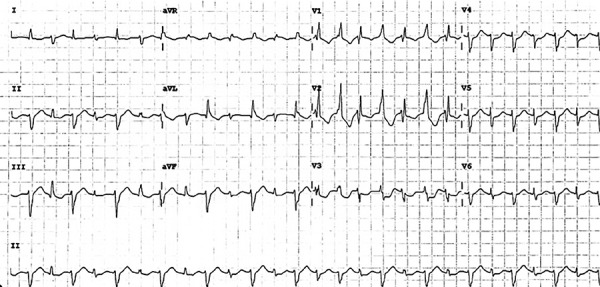
The management of ventricular tachycardia from other causes is covered on the ventricular tachycardia and sudden cardiac death page, and the evaluation of drug-induced AV block on the bradycardia and atrioventricular block page.
Initial assessment and supportive treatment of digoxin toxicity
The diagnosis is clinical, supported by the ECG and confirmed by the serum level. Treatment of life-threatening toxicity is not delayed for a level. Assessment includes the time and amount of any ingestion, the indication and dose of digoxin, recent changes in medication, intercurrent illness, kidney function, potassium, magnesium, calcium, glucose, thyroid function in chronic toxicity, a 12-lead ECG, and continuous rhythm monitoring.
Chronic toxicity without life-threatening features. Digoxin is withheld, the patient is monitored, and precipitants are corrected: volume repletion for prerenal kidney injury, potassium and magnesium replacement, and removal or dose reduction of interacting drugs. The label specifies maintaining potassium between 4.0 and 5.5 mmol/L, orally unless urgent. Potassium salts are avoided in patients with bradycardia or heart block, in whom a rising potassium worsens AV conduction. Mild toxicity with symptoms but without arrhythmia or conduction disturbance is usually managed by stopping or reducing digoxin. Because the half-life in kidney disease is several days, symptoms can persist for days after the drug is stopped, and Fab is used for troublesome toxicity even without life-threatening features.
Gastrointestinal decontamination. Activated charcoal binds digoxin. The Lanoxin prescribing information recommends it after massive ingestion regardless of the time since ingestion, because digoxin undergoes enterohepatic circulation, whereas a 2023 European consensus considers it within the first 2 hours. Charcoal is withheld in patients with a reduced level of consciousness and an unprotected airway because of aspiration risk, and it does not substitute for Fab.
Extracorporeal removal. Hemodialysis, hemoperfusion, and plasma exchange remove negligible amounts of digoxin because of its large volume of distribution, and they are not used. Dialysis can treat hyperkalemia in kidney failure but does not treat the toxicity.
Bradycardia. Atropine reverses vagally mediated sinus bradycardia and AV block. Isoproterenol and epinephrine increase automaticity and can provoke ventricular fibrillation, and they are avoided when possible. Temporary transvenous pacing was the main treatment before Fab. Pacing wires can trigger ventricular arrhythmias in the digoxin-sensitized ventricle, and pacing is reserved for patients in whom Fab is unavailable or ineffective, performed by experienced operators in a monitored setting. In yellow oleander poisoning, Fab was introduced specifically to avoid transfer for pacing.
Ventricular arrhythmias. Fab is the treatment of choice. While it is being obtained, lidocaine and magnesium sulfate are used for ventricular tachyarrhythmias; phenytoin, which suppresses delayed afterdepolarizations without slowing AV conduction, is listed in the prescribing information. Class IA drugs such as procainamide and quinidine worsen conduction and are avoided.
Electrical cardioversion. Direct-current cardioversion of a digoxin-toxic rhythm can precipitate refractory ventricular fibrillation. Elective cardioversion is postponed until toxicity resolves. When an unstable ventricular tachyarrhythmia demands it, the lowest effective energy is used, and ventricular fibrillation is defibrillated without delay. Patients taking digoxin at therapeutic concentrations without clinical toxicity undergo elective cardioversion of atrial fibrillation safely, as a 1981 series showed. The prescribing information notes that withholding or reducing digoxin for 1 to 2 days before elective cardioversion may be desirable, weighed against a faster ventricular response in the interval.
Digoxin immune Fab: indications
Digoxin immune Fab (DigiFab) consists of monovalent antigen-binding fragments of immunoglobulin G from sheep immunized with a digoxin derivative, prepared by papain digestion and affinity purification. The fragments, with a molecular weight of about 46,000 Da, bind digoxin with an affinity of 10⁹ to 10¹⁰ M⁻¹, greater than that of digoxin for the sodium pump. Free digoxin falls to undetectable concentrations within minutes, digoxin dissociates from tissue pumps along the concentration gradient, and the Fab-digoxin complex is excreted by the kidneys. The prescribing information lists no contraindications.
In a multicenter series of 150 patients with potentially life-threatening toxicity treated with ovine Fab, 80% had resolution of all signs and symptoms, 10% improved, and 10% did not respond. The median time to initial response after the infusion ended was 19 minutes, and 75% responded within 60 minutes. Among patients in cardiac arrest from toxicity, 54% survived to discharge. Response rates in later series of chronic toxicity were lower, about 50% in some, reflecting older patients, concurrent illness, and symptoms attributed to digoxin that had other causes. Failure to respond to an adequate dose is a reason to question the diagnosis.
| Indication | Prescribing information (adults) | 2023 European consensus |
|---|---|---|
| Known ingestion | 10 mg or more in a healthy adult, or an amount expected to produce a steady-state level of 10 ng/mL or more | Very high level (above 12 ng/mL) without life-threatening signs |
| Chronic toxicity by level | Steady-state level above 6 ng/mL | Elevated level with troublesome toxicity (moderate or severe gastrointestinal symptoms, bradycardia without high-grade block) |
| Ventricular arrhythmia | Severe ventricular arrhythmias | Ventricular tachycardia or fibrillation |
| Bradyarrhythmia | Progressive bradycardia, or second- or third-degree heart block not responsive to atropine | Asystole, symptomatic high-grade AV block, or atropine-resistant bradycardia |
| Hyperkalemia | Potassium above 5.5 mmol/L with rapidly progressive toxicity | Potassium above 6.5 mmol/L |
| Hemodynamic compromise | Not listed as a separate criterion | Hypotension with end-organ dysfunction |
Indications for digoxin immune Fab in adults, from the DigiFab prescribing information and the 2023 European consensus on digoxin toxicity.
Digoxin immune Fab dosing
Each 40-mg vial of DigiFab binds about 0.5 mg of digoxin. The prescribing information calculates a full neutralizing dose from the estimated total body load of digoxin, using a steady-state volume of distribution of about 5 L/kg, and specifies rounding up to the nearest whole vial. When the dose estimated from the amount ingested differs substantially from the dose estimated from the serum concentration, the higher estimate is preferred.
| Situation | Dose in the prescribing information | Example |
|---|---|---|
| Acute ingestion, amount unknown, no level | 20 vials (800 mg): 10 vials first, then 10 more if needed, to limit febrile reactions | — |
| Chronic toxicity, no level | 6 vials (240 mg) in adults and children ≥20 kg | — |
| Acute ingestion, known amount (tablets) | Vials = (mg ingested × 0.8) ÷ 0.5 | 25 × 0.25-mg tablets = 6.25 mg → 5 mg body load → 10 vials |
| Acute ingestion, known amount (digoxin capsules or digitoxin) | Vials = mg ingested ÷ 0.5 | 5 mg → 10 vials |
| Known steady-state digoxin level | Vials = level (ng/mL) × weight (kg) ÷ 100 | 4 ng/mL × 70 kg → 2.8 → 3 vials |
| Known steady-state digitoxin level | Vials = level (ng/mL) × weight (kg) ÷ 1,000 | 40 ng/mL × 70 kg → 2.8 → 3 vials |
DigiFab dosing from the prescribing information. The tablet bioavailability factor is 0.8; the digitoxin formula differs because its volume of distribution is about one-tenth that of digoxin. Doses are rounded up to whole vials.
Full versus partial neutralization. Full neutralizing doses remove all inotropic and rate-controlling effect, which can worsen heart failure or atrial fibrillation in patients who depend on digoxin, and they are expensive. Pharmacokinetic analyses show that much smaller doses clear digoxin from the central compartment, and several groups use titrated partial doses. A 2014 review proposed an 80-mg (2-vial) bolus repeated according to response in acute poisoning. For chronic toxicity it proposed 40 mg (1 vial) repeated after 60 minutes if symptoms persist, with 1 to 3 vials usually sufficient. A 2023 European consensus recommended 5 vials immediately for cardiac arrest, repeated once after 30 minutes if needed. For other life-threatening toxicity it recommended 1 to 2 vials repeated until toxicity resolves, and for non-life-threatening indications half the full neutralizing dose (level × weight × 0.005). US practice follows the label, with titration acceptable when the patient is hemodynamically stable and the response can be observed.
Digoxin immune Fab dose
DigiFab prescribing information formulasVials = body load (mg) ÷ 0.5 mg per vial. Body load from a steady-state digoxin level = level (ng/mL) × 5 L/kg × weight (kg) ÷ 1,000, which reduces to level × weight ÷ 100 vials. Body load after tablet ingestion = mg ingested × 0.8. Each vial contains 40 mg of Fab protein.
Administration and monitoring after digoxin immune Fab
Each vial is reconstituted with 4 mL of sterile water (about 10 mg/mL), added to 0.9% sodium chloride, and infused over at least 30 minutes; reconstituted product is used promptly or refrigerated for up to 4 hours. The infusion is stopped if hypotension, wheezing, or urticaria develops and restarted at a slower rate. When cardiac arrest is imminent, Fab is given as a bolus, accepting a higher rate of infusion reactions.
Potassium. As digoxin is removed from the sodium pump, potassium moves back into cells, and hypokalemia can develop within hours. The whole-body potassium deficit may be masked by hyperkalemia at presentation, especially in patients who were taking diuretics. Potassium is measured frequently during the first several hours.
Loss of digoxin effect. Worsening heart failure (13%), hypokalemia (13%), and worsening atrial fibrillation with a faster ventricular rate (7%) were the most common adverse reactions in the clinical trials of DigiFab. Patients with poor ventricular function may need other inotropes or vasodilators, chosen without aggravating digoxin-induced arrhythmias, and a rapid ventricular response may need another rate-control drug.
Hypersensitivity. Anaphylaxis and hypersensitivity reactions are possible but uncommon. Patients allergic to sheep protein, papain, chymopapain, other papaya extracts, or the pineapple enzyme bromelain, and those previously treated with ovine antibodies or Fab, are at higher risk. Fab is not given to patients with known papaya or papain allergy unless the benefit outweighs the risk and anaphylaxis treatment is ready. Prior treatment carries a theoretical risk of sensitization and reduced efficacy. Delayed allergic reactions and serum sickness can appear after discharge, and adverse events have been reported up to 14 days after administration.
Kidney failure and recurrent toxicity. The Fab half-life of 15 to 20 hours with normal kidney function increases up to 10-fold with renal impairment. In severe kidney failure, Fab-digoxin complexes persist and may dissociate, and toxicity can recur days later; these patients are monitored for a prolonged period, and free digoxin concentrations identify recrudescence. If toxicity is not reversed after several hours or recurs, Fab is repeated at a dose guided by clinical judgment, and free levels are measured because Fab may still be present.
Restarting digoxin. Digoxin is restarted, if at all, only after the cause of toxicity has been corrected and the Fab has been eliminated, which may take several days and longer in kidney failure. The new dose is based on current kidney function and interacting drugs, and many patients are better served by another rate-control or heart failure agent.
Potassium, calcium, and magnesium in digoxin toxicity
Hyperkalemia as a marker of severity. In acute poisoning, inhibition of skeletal muscle sodium-potassium pumps raises serum potassium in proportion to the degree of pump blockade. A 1973 series of acute digitalis poisoning treated before Fab identified hyperkalemia at presentation as a marker of poor prognosis. Hyperkalemia in acute digoxin poisoning is therefore an indication for Fab, which corrects it as the pumps recover. In chronic toxicity, hyperkalemia more often reflects kidney failure and drugs such as mineralocorticoid antagonists and ACE inhibitors. In one case-control study of chronic toxicity, elevated pre-Fab potassium was associated with death, and the combination of bradycardia and hyperkalemia predicted death despite appropriately dosed Fab.
Treatment of hyperkalemia. Fab is the definitive treatment. Insulin with glucose may be given first when hyperkalemia is life-threatening and Fab is delayed. Sodium bicarbonate, beta-2 agonists, potassium binders, and dialysis may be added in kidney failure. Hypokalemia that follows Fab is treated cautiously because total body potassium may be normal.
Intravenous calcium. Older teaching held that calcium is contraindicated in digoxin toxicity because added intracellular calcium could cause a "stone heart," based on case reports and animal experiments from the 1930s. In a retrospective study of 159 patients with digoxin toxicity, 23 of whom received intravenous calcium, no life-threatening arrhythmia occurred within an hour of calcium, and mortality was similar with and without calcium (22% vs 20%). A 2024 narrative review found that the few critically ill patients given calcium had poor outcomes but could not separate the effect of calcium from the severity of their poisoning. The prescribing information warns that rapid intravenous calcium can produce serious arrhythmias in digitalized patients. Calcium is not given routinely, but it is not withheld from a patient with hyperkalemic ECG changes and uncertain digoxin exposure when Fab is not immediately available.
Hypokalemia and hypomagnesemia. In chronic toxicity, low potassium and magnesium increase digoxin binding and arrhythmia. Both are replaced, with ECG monitoring, provided there is no high-grade AV block or kidney failure. Magnesium sulfate also suppresses ventricular arrhythmias.
Digitoxin and plant glycoside poisoning
Digitoxin is lipophilic, almost completely absorbed, highly protein-bound, and cleared by the liver with enterohepatic recirculation; its half-life is about a week. Toxicity resembles digoxin toxicity but lasts longer. Digoxin immunoassays cross-react only partly with digitoxin, so a specific digitoxin assay is needed. DigiFab binds digitoxin, and the prescribing information gives a separate formula: vials = serum digitoxin concentration (ng/mL) × weight (kg) ÷ 1,000. Multiple-dose activated charcoal interrupts enterohepatic recirculation.
Ingestion of foxglove leaves, oleander or yellow oleander seeds, lily of the valley, or toad-derived preparations (including the traditional remedy Chan Su) produces cardiac glycoside toxicity with vomiting, hyperkalemia, bradyarrhythmias, and AV block. Digoxin assays detect these glycosides inconsistently, so a detectable level confirms exposure, but a low level does not exclude severe poisoning. In a randomized trial in Sri Lanka, 66 patients with serious arrhythmias after yellow oleander ingestion received 1,200 mg of anti-digoxin Fab or placebo. The presenting arrhythmia resolved within 2 hours in 15 of 34 Fab-treated patients and 2 of 32 controls. At 8 hours, 24 and 5, respectively, were in sinus rhythm, and mean potassium fell from 4.9 to 4.1 mmol/L with Fab. Doses used for plant glycosides are larger than for most digoxin poisonings, as in the 1,200 mg used in this trial, and are directed by response.
Digoxin in special populations
Older adults. Reduced creatinine clearance with a normal serum creatinine, low lean body mass, polypharmacy, and atypical presentation make older adults the main population with toxicity. The 2023 AGS Beers Criteria advise avoiding digoxin as first-line therapy for atrial fibrillation or heart failure and avoiding doses above 125 µg/day. They also advise caution in discontinuing digoxin in current users with reduced ejection fraction, given evidence of worse outcomes after withdrawal.
Chronic kidney disease and dialysis. Maintenance doses fall with creatinine clearance, and steady state takes up to about 3 weeks. In patients receiving dialysis, digoxin is not removed, while potassium shifts during and after treatment change myocardial sensitivity. Low doses guided by levels are used, and Fab-digoxin complexes are cleared slowly after treatment of toxicity. The cardiovascular management of kidney disease is covered on the chronic kidney disease, dialysis, and the heart page.
Thyroid disease. Hypothyroidism lowers digoxin requirements, and treatment of hypothyroidism raises them. Thyrotoxic atrial fibrillation responds poorly to digoxin and is treated with beta blockers and correction of thyroid function.
Pregnancy and lactation. Decades of use have not identified a risk of major birth defects, miscarriage, or adverse fetal outcome. Digoxin crosses the placenta, and newborns have serum concentrations similar to their mothers'. Requirements may rise during pregnancy and fall after delivery, and DLIS make levels less reliable during pregnancy. Beta blockers and digoxin are reasonable first-line rate-control agents for persistent atrial fibrillation in pregnancy (Class 2a). Maternal digoxin is also used for transplacental treatment of sustained fetal supraventricular tachycardia, alongside flecainide and sotalol, under maternal ECG and level monitoring. The infant receives up to 4% of the neonatal maintenance dose through breast milk, which is not clinically relevant, and digoxin is compatible with breastfeeding. Medication choices in pregnancy are covered on the cardiovascular drugs in pregnancy and lactation page.
Heart transplantation. The denervated heart lacks the vagal input through which digoxin slows the AV node, so digoxin is ineffective for rate control after transplantation.
Deprescribing and withdrawal of digoxin
Digoxin is often continued long after its original indication has lapsed. Review of continued use addresses whether the original indication persists, whether other therapy now controls symptoms or rate, the current kidney function and level, and interacting drugs.
Withdrawal worsens outcomes in reduced ejection fraction heart failure. In RADIANCE and PROVED, stopping digoxin led to worsening heart failure, and in DECISION blinded withdrawal after a median of 36.5 months was followed by a rise in heart failure events, heart rate, and NT-proBNP. When digoxin is stopped in such patients, the dose is tapered or the patient is followed closely for weight gain, rising heart rate, and symptoms. In atrial fibrillation, withdrawal is followed by a faster ventricular rate unless another agent replaces it. Stopping digoxin is uncomplicated in patients without heart failure whose rate is controlled by other drugs, in patients with toxicity, and in patients in sinus rhythm with preserved ejection fraction, where it offers no benefit.
Sources of error in digoxin prescribing and toxicity management
- Dosing by total body weight in obesity or edema: digoxin distributes into lean tissue, and total weight overestimates the requirement.
- A normal serum creatinine taken as normal kidney function in an older, frail patient: creatinine clearance may be below 30 mL/min.
- A level drawn within 6 hours of a dose: the distribution-phase value overestimates tissue exposure and can prompt unnecessary dose reduction or Fab.
- A level within the nominal therapeutic range taken to exclude toxicity: hypokalemia, hypomagnesemia, hypercalcemia, hypoxemia, ischemia, and amyloidosis produce toxicity at levels below 2 ng/mL.
- Starting amiodarone, dronedarone, verapamil, or a macrolide without reducing digoxin: levels rise by 50% to 150% over days to weeks.
- Toxic symptoms attributed to worsening heart failure: anorexia, nausea, fatigue, and confusion are common to both, and an increase in dose worsens toxicity.
- A slow, regular rhythm in atrial fibrillation read as improved rate control: regularization indicates complete AV block or an accelerated junctional rhythm.
- Scooped ST depression read as toxicity: the digitalis effect indicates exposure only, and toxicity is defined by arrhythmia and symptoms.
- Total digoxin levels measured after Fab: they rise sharply and reflect inactive bound drug; free levels are required.
- Potassium given to a patient with digoxin-induced AV block or kidney failure: hyperkalemia worsens conduction.
- Elective cardioversion during suspected toxicity, or high-energy shocks: both risk refractory ventricular fibrillation.
- Restarting the previous dose after Fab: the cause of toxicity, usually kidney function or an interaction, persists unless corrected.
Self-assessment
An 81-year-old woman taking digoxin 0.125 mg daily for permanent atrial fibrillation started amiodarone 3 weeks ago. She weighs 60 kg and has nausea, yellow-tinged vision, and a regular narrow-complex rhythm at 46 beats/min. Potassium is 5.1 mmol/L, creatinine has risen from 1.1 to 1.9 mg/dL, and a digoxin level drawn 14 hours after her last dose is 4.2 ng/mL. What rhythm does the regularized ventricular response indicate, and what dose of digoxin immune Fab neutralizes the estimated body load?
Cardiovascular Medicine Board ReviewReferences
- Heidenreich PA, Bozkurt B, Aguilar D, et al. 2022 AHA/ACC/HFSA guideline for the management of heart failure: a report of the American College of Cardiology/American Heart Association Joint Committee on Clinical Practice Guidelines. Circulation. 2022;145:e895–e1032. doi:10.1161/CIR.0000000000001063 (corrections in Circulation. 2022;145:e1033, 2022;146:e185, and 2023;147:e674)
- Joglar JA, Chung MK, Armbruster AL, et al. 2023 ACC/AHA/ACCP/HRS guideline for the diagnosis and management of atrial fibrillation: a report of the American College of Cardiology/American Heart Association Joint Committee on Clinical Practice Guidelines. Circulation. 2024;149:e1–e156. doi:10.1161/CIR.0000000000001193 (corrections in Circulation. 2024;149:e167, e936, and e1413)
- DIGIFAB (digoxin immune fab [ovine]) for injection, prescribing information. BTG International Inc. DailyMed setid c05ee6a5-c98b-45f4-83fd-40781639d653. dailymed.nlm.nih.gov
- LANOXIN (digoxin) tablets, prescribing information. ADVANZ Pharma (US) Corp. DailyMed setid d91e3646-4c63-4512-ab22-db39c085c4dc. dailymed.nlm.nih.gov
- LANOXIN (digoxin) injection, prescribing information. Covis Pharma US, Inc. DailyMed setid 9ec84cac-6ecc-43dc-8006-6ccc029e2707. dailymed.nlm.nih.gov
- Digitalis Investigation Group. The effect of digoxin on mortality and morbidity in patients with heart failure. N Engl J Med. 1997;336:525–533. doi:10.1056/NEJM199702203360801
- Rathore SS, Curtis JP, Wang Y, Bristow MR, Krumholz HM. Association of serum digoxin concentration and outcomes in patients with heart failure. JAMA. 2003;289:871–878. doi:10.1001/jama.289.7.871
- Rathore SS, Wang Y, Krumholz HM. Sex-based differences in the effect of digoxin for the treatment of heart failure. N Engl J Med. 2002;347:1403–1411. doi:10.1056/NEJMoa021266
- Ahmed A, Rich MW, Fleg JL, et al. Effects of digoxin on morbidity and mortality in diastolic heart failure: the ancillary Digitalis Investigation Group trial. Circulation. 2006;114:397–403. doi:10.1161/CIRCULATIONAHA.106.628347
- Packer M, Gheorghiade M, Young JB, et al. Withdrawal of digoxin from patients with chronic heart failure treated with angiotensin-converting-enzyme inhibitors (RADIANCE). N Engl J Med. 1993;329:1–7. doi:10.1056/NEJM199307013290101
- Uretsky BF, Young JB, Shahidi FE, Yellen LG, Harrison MC, Jolly MK. Randomized study assessing the effect of digoxin withdrawal in patients with mild to moderate chronic congestive heart failure: results of the PROVED trial. J Am Coll Cardiol. 1993;22:955–962. doi:10.1016/0735-1097(93)90403-N
- van Veldhuisen DJ, Rienstra M, Mosterd A, et al. Low-dose digoxin in patients with heart failure with reduced or mildly reduced ejection fraction: a randomized controlled trial (DECISION). Nat Med. 2026;32:2647–2653. doi:10.1038/s41591-026-04406-6
- van der Meer P, van Veldhuisen DJ, Voordes GHD, et al. Blinded withdrawal of randomized treatment with low-dose digoxin or placebo in heart failure: the DECISION trial. Eur Heart J. 2026;47:5545–5553. doi:10.1093/eurheartj/ehag385
- Bavendiek U, Großhennig A, Schwab J, et al. Digitoxin in patients with heart failure and reduced ejection fraction (DIGIT-HF). N Engl J Med. 2025;393:1155–1165. doi:10.1056/NEJMoa2415471
- Kotecha D, Bunting KV, Gill SK, et al. Effect of digoxin vs bisoprolol for heart rate control in atrial fibrillation on patient-reported quality of life: the RATE-AF randomized clinical trial. JAMA. 2020;324:2497–2508. doi:10.1001/jama.2020.23138
- Ziff OJ, Lane DA, Samra M, et al. Safety and efficacy of digoxin: systematic review and meta-analysis of observational and controlled trial data. BMJ. 2015;351:h4451. doi:10.1136/bmj.h4451 (correction in BMJ. 2015;351:h4937)
- Whitbeck MG, Charnigo RJ, Khairy P, et al. Increased mortality among patients taking digoxin: analysis from the AFFIRM study. Eur Heart J. 2013;34:1481–1488. doi:10.1093/eurheartj/ehs348
- Gheorghiade M, Fonarow GC, van Veldhuisen DJ, et al. Lack of evidence of increased mortality among patients with atrial fibrillation taking digoxin: findings from post hoc propensity-matched analysis of the AFFIRM trial. Eur Heart J. 2013;34:1489–1497. doi:10.1093/eurheartj/eht120
- Lopes RD, Rordorf R, De Ferrari GM, et al. Digoxin and mortality in patients with atrial fibrillation. J Am Coll Cardiol. 2018;71:1063–1074. doi:10.1016/j.jacc.2017.12.060
- Van Gelder IC, Rienstra M, Bunting KV, et al. 2024 ESC guidelines for the management of atrial fibrillation developed in collaboration with the European Association for Cardio-Thoracic Surgery (EACTS). Eur Heart J. 2024;45:3314–3414. doi:10.1093/eurheartj/ehae176 (correction in Eur Heart J. 2025;46:4349)
- McDonagh TA, Metra M, Adamo M, et al. 2021 ESC guidelines for the diagnosis and treatment of acute and chronic heart failure. Eur Heart J. 2021;42:3599–3726. doi:10.1093/eurheartj/ehab368
- 2023 American Geriatrics Society Beers Criteria Update Expert Panel. American Geriatrics Society 2023 updated AGS Beers Criteria for potentially inappropriate medication use in older adults. J Am Geriatr Soc. 2023;71:2052–2081. doi:10.1111/jgs.18372
- Antman EM, Wenger TL, Butler VP Jr, Haber E, Smith TW. Treatment of 150 cases of life-threatening digitalis intoxication with digoxin-specific Fab antibody fragments: final report of a multicenter study. Circulation. 1990;81:1744–1752. doi:10.1161/01.CIR.81.6.1744
- Chan BS, Buckley NA. Digoxin-specific antibody fragments in the treatment of digoxin toxicity. Clin Toxicol (Phila). 2014;52:824–836. doi:10.3109/15563650.2014.943907
- Andrews P, Anseeuw K, Kotecha D, et al. Diagnosis and practical management of digoxin toxicity: a narrative review and consensus. Eur J Emerg Med. 2023;30:395–401. doi:10.1097/MEJ.0000000000001065
- Bismuth C, Gaultier M, Conso F, Efthymiou ML. Hyperkalemia in acute digitalis poisoning: prognostic significance and therapeutic implications. Clin Toxicol. 1973;6:153–162. doi:10.3109/15563657308990513
- Manini AF, Nelson LS, Hoffman RS. Prognostic utility of serum potassium in chronic digoxin toxicity: a case-control study. Am J Cardiovasc Drugs. 2011;11:173–178. doi:10.2165/11590340-000000000-00000
- Levine M, Nikkanen H, Pallin DJ. The effects of intravenous calcium in patients with digoxin toxicity. J Emerg Med. 2011;40:41–46. doi:10.1016/j.jemermed.2008.09.027
- Beaulieu J, St-Onge M. Antidote use for cardiac arrest or hemodynamic instability due to cardiac glycoside poisoning: a narrative review. Resusc Plus. 2024;19:100690. doi:10.1016/j.resplu.2024.100690
- Eddleston M, Rajapakse S, Rajakanthan, et al. Anti-digoxin Fab fragments in cardiotoxicity induced by ingestion of yellow oleander: a randomised controlled trial. Lancet. 2000;355:967–972. doi:10.1016/S0140-6736(00)90014-X
- See I, Shehab N, Kegler SR, Laskar SR, Budnitz DS. Emergency department visits and hospitalizations for digoxin toxicity: United States, 2005 to 2010. Circ Heart Fail. 2014;7:28–34. doi:10.1161/CIRCHEARTFAILURE.113.000784
- Smith TW, Butler VP Jr, Haber E. Determination of therapeutic and toxic serum digoxin concentrations by radioimmunoassay. N Engl J Med. 1969;281:1212–1216. doi:10.1056/NEJM196911272812203
- Ditchey RV, Karliner JS. Safety of electrical cardioversion in patients without digitalis toxicity. Ann Intern Med. 1981;95:676–679. doi:10.7326/0003-4819-95-6-676
- Rich S, Seidlitz M, Dodin E, et al. The short-term effects of digoxin in patients with right ventricular dysfunction from pulmonary hypertension. Chest. 1998;114:787–792. doi:10.1378/chest.114.3.787
- Donofrio MT, Moon-Grady AJ, Hornberger LK, et al. Diagnosis and treatment of fetal cardiac disease: a scientific statement from the American Heart Association. Circulation. 2014;129:2183–2242. doi:10.1161/01.cir.0000437597.44550.5d (correction: doi:10.1161/CIR.0000000000000058)
- Withering W. An Account of the Foxglove, and Some of Its Medical Uses: With Practical Remarks on Dropsy, and Other Diseases. Birmingham: M. Swinney; 1785.
- Alanís-Naranjo JM, Aragón-Ontiveros KD, Rivera-Hermosillo JC, Campos-Garcilazo V. Bidirectional ventricular tachycardia due to digoxin-diuretic interaction in post-cardiac surgery patient: a case report. Arch Peru Cardiol Cir Cardiovasc. 2024;5:e362. doi:10.47487/apcyccv.v5i2.362
- Smith TW, Haber E. Digoxin intoxication: the relationship of clinical presentation to serum digoxin concentration. J Clin Invest. 1970;49:2377–2386. doi:10.1172/JCI106457