Library › Emergencies and critical care › Hypertensive emergency
Hypertensive emergency and severe hypertension
Severe hypertension with and without acute target-organ damage in adults, from definitions and autoregulation through evaluation, organ-specific blood pressure targets, intravenous drug therapy, inpatient blood pressure, and the transition to oral treatment.
A hypertensive emergency is blood pressure above 180/120 mm Hg with new or worsening acute target-organ damage. It is treated in an intensive care unit with a titratable intravenous agent. Without a compelling condition, systolic pressure falls by no more than 25% in the first hour, to below 160/100 mm Hg over the next 2 to 6 hours, and to 130–140 mm Hg over the following 24 to 48 hours. Aortic dissection is the exception: systolic pressure below 120 mm Hg within 20 minutes, with beta blockade before any vasodilator. The same pressure without acute organ damage is severe hypertension, treated with oral drugs and early outpatient follow-up.
Definitions: hypertensive emergency, severe hypertension, and the retired term "urgency"
The 2025 American Heart Association/American College of Cardiology (AHA/ACC) high blood pressure guideline defines a hypertensive emergency as a severe elevation of blood pressure, above 180/120 mm Hg, associated with evidence of new or worsening acute target-organ damage. The guideline's Figure 9 lists the qualifying injuries: acute heart failure and pulmonary edema, acute coronary syndrome, acute kidney injury, acute aortic syndromes (aortic dissection and penetrating aortic ulcer), and neurologic disorders, including encephalopathy, posterior reversible encephalopathy syndrome, retinal hemorrhage, papilledema, intracranial hemorrhage, and acute ischemic stroke. The ESC Council on Hypertension position document adds thrombotic microangiopathy and eclampsia or preeclampsia with severe features. The guideline uses "severe hypertension" for the same pressure without acute target-organ damage, the condition previously called hypertensive urgency.
The 2024 AHA scientific statement on elevated blood pressure in the acute care setting argued that "crisis" and "urgency" are emotive labels that encourage unnecessary treatment. It proposed three objective categories for patients in the emergency department and hospital: hypertensive emergency, asymptomatic markedly elevated inpatient blood pressure (above 180/110 to 120 mm Hg without new or worsening organ damage), and asymptomatic elevated inpatient blood pressure (130/80 mm Hg or higher). The British and Irish Hypertension Society position document also avoids "hypertensive urgency" in asymptomatic patients because the label adds anxiety and cost without a corresponding risk.
The pressure threshold is a convention. The diagnosis rests on organ injury. Organ injury occurs at lower pressures in patients whose pressure rises abruptly from a normal baseline, such as a young woman with preeclampsia, a patient with acute glomerulonephritis, or a patient taking a sympathomimetic drug. In pregnancy, severe hypertension is defined separately as a systolic pressure of 160 mm Hg or more or a diastolic pressure of 110 mm Hg or more.
| Term | Definition | Source and status |
|---|---|---|
| Hypertensive emergency | Blood pressure above 180/120 mm Hg with new or worsening acute target-organ damage | 2025 AHA/ACC guideline; 2024 AHA statement; ESC Council on Hypertension; the 2023 ESH guideline places these patients in grade 3 hypertension (180/110 mm Hg or more) |
| Severe hypertension | Above 180/120 mm Hg without acute target-organ damage | 2025 AHA/ACC guideline; replaces "hypertensive urgency" |
| Asymptomatic markedly elevated inpatient blood pressure | Above 180/110–120 mm Hg in a hospitalized patient without new or worsening organ damage | 2024 AHA statement on the acute care setting |
| Malignant hypertension | Severe pressure, usually above 200/120 mm Hg, with bilateral flame hemorrhages, cotton-wool spots, or papilledema | ESC Council on Hypertension 2019; counted as an emergency even without other organ injury |
| Hypertensive encephalopathy | Severe hypertension with seizures, lethargy, cortical blindness, or coma without another explanation | ESC Council on Hypertension 2019 |
| Thrombotic microangiopathy | Severe hypertension with Coombs-negative hemolysis (high LDH, absent haptoglobin, or schistocytes) and thrombocytopenia that improve as pressure is lowered | ESC Council on Hypertension 2019 |
| Severe hypertension in pregnancy | Systolic 160 mm Hg or more or diastolic 110 mm Hg or more, confirmed within 15 minutes | 2025 AHA/ACC guideline; ACOG |
| Hypertensive crisis | Umbrella term for emergency and urgency | Historical; discouraged by the 2024 AHA statement |
ACOG, American College of Obstetricians and Gynecologists; ESC, European Society of Cardiology; ESH, European Society of Hypertension; LDH, lactate dehydrogenase.
Epidemiology and emergency department burden
Severe hypertension is common and hypertensive emergency is uncommon. In 2.2 million unique office visits in the Cleveland Clinic health system, 4.6% met the definition of hypertensive urgency (systolic 180 mm Hg or more or diastolic 110 mm Hg or more). In the Nationwide Emergency Department Sample, adult emergency department visits for acute hypertension nearly tripled between 2006 and 2013, from 170,340 to 496,894 a year. Visits meeting a strict definition of hypertensive emergency (acute hypertension, a diagnosis of acute organ damage, and admission, transfer, or death) rose from 63,406 to 176,769. In 2013, hypertensive emergency nonetheless accounted for only about 2 of every 1,000 adult emergency department visits and about 6 of every 1,000 visits that carried any diagnosis of hypertension.
A meta-analysis of eight emergency department studies found a prevalence of 0.3% for hypertensive emergency and 0.9% for hypertensive urgency among all visits. The distribution of acute organ damage was pulmonary edema or heart failure in 32%, ischemic stroke in 29%, acute coronary syndrome in 18%, hemorrhagic stroke in 11%, and acute aortic syndrome and hypertensive encephalopathy in 2% each. Presenting pressure did not separate patients with organ damage from those without it. Patients with organ damage were older by an average of 5.4 years and more often had specific symptoms, whereas patients without organ damage more often reported headache or nonspecific symptoms. The 2025 AHA/ACC guideline describes the same order: heart failure and pulmonary edema, neurologic injury, and acute kidney injury are common, and aortic dissection is the least common presentation.
The patients at highest risk are those with long-standing, poorly controlled hypertension, chronic kidney disease, and limited access to care. In the US Studying the Treatment of Acute hyperTension (STAT) registry of 1,588 patients treated with intravenous drugs in critical care units, the median age was 58 years, 49% were women, 56% were African American, 31% had chronic kidney disease, and 27% had been admitted for acute hypertension before. The British and Irish position document cites a malignant hypertension incidence of 1 to 2 per 100,000 in White populations and 7.3 per 100,000 in an African American population. It lists older age, male sex, uncontrolled hypertension, chronic kidney disease, and established cardiovascular disease as predictors of a poor outcome. The excess among African American adults reflects earlier onset and greater severity of hypertension, lower control rates, and differences in access to continuous care. About 1% of patients with hypertension are estimated to have a hypertensive crisis during their lifetime.
Precipitants and causes of hypertensive crises
Most hypertensive emergencies occur in patients with known hypertension, and nonadherence to treatment is the most frequent precipitant. Nonadherence affects 30% to 50% of patients 1 year after treatment starts and is linked to emergency admissions. The second group is drug-related: interfering medications, abrupt withdrawal of centrally acting or beta-blocking drugs, and illicit stimulants. The third is secondary hypertension, which is overrepresented among patients with emergencies and is investigated after stabilization (see secondary causes on the hypertension page).
| Category | Precipitant | Clue or mechanism |
|---|---|---|
| Treatment | Nonadherence, unaffordable or unavailable medication, inadequate regimen | Prior control, missed refills, pill counts |
| Withdrawal | Clonidine, other central alpha-2 agonists, beta blockers | Rebound sympathetic surge with tachycardia and sweating |
| Prescribed drugs | NSAIDs, glucocorticoids, calcineurin inhibitors, erythropoiesis-stimulating agents, VEGF-pathway inhibitors, decongestants, stimulants for ADHD, oral contraceptives, licorice | Sodium retention, vasoconstriction, or loss of nitric oxide |
| Illicit and recreational drugs | Cocaine, amphetamines, methamphetamine, synthetic cathinones, ecstasy | Sympathomimetic toxidrome: agitation, mydriasis, hyperthermia, tachycardia |
| Drug and food interactions | Monoamine oxidase inhibitors with tyramine-rich foods, sympathomimetics, or serotonergic drugs | Unmetabolized pressor amines |
| Secondary hypertension | Renovascular disease, primary aldosteronism, pheochromocytoma or paraganglioma, Cushing syndrome, renal parenchymal disease, scleroderma renal crisis | Young age, abrupt onset, hypokalemia, paroxysms, abdominal bruit, flash pulmonary edema |
| Pregnancy | Preeclampsia, eclampsia, HELLP syndrome, postpartum preeclampsia | Gestation of 20 weeks or more or within 6 weeks of delivery |
| Neurologic and autonomic | Acute stroke (Cushing response), autonomic dysreflexia after spinal cord injury above T6, Guillain-Barré syndrome | Pressure rise as a consequence of the neurologic event |
| Perioperative | Pain, emergence agitation, hypoxemia, hypercarbia, bladder distention, held home medications | Timing around anesthesia and surgery |
ADHD, attention-deficit/hyperactivity disorder; HELLP, hemolysis, elevated liver enzymes, and low platelet count; NSAIDs, nonsteroidal anti-inflammatory drugs; VEGF, vascular endothelial growth factor.
Pain, anxiety, dyspnea, urinary retention, and withdrawal from alcohol raise pressure without causing organ damage. This pseudocrisis resolves when the cause is treated, and an antihypertensive given for it adds hypotension risk without benefit. The British and Irish document recommends identifying and treating pain, anxiety, and distress before acute organ damage is assessed in patients not previously treated for hypertension.
Pathophysiology: autoregulation failure, endothelial injury, and the renin-angiotensin system
Cerebral, coronary, and renal blood flows are held constant over a wide range of perfusion pressure by myogenic and metabolic adjustment of arteriolar tone. Long-standing hypertension thickens and remodels the arteriolar wall, and both the lower and upper limits of autoregulation shift to higher pressures. Classic measurements of cerebral blood flow in patients with severe hypertension showed that the lower limit of autoregulation and the pressure at which brain hypoxia began were both shifted upward. The same measurements identified an upper limit in some patients, beyond which cerebral blood flow rose passively with pressure.
The upward shift explains both halves of management. When pressure exceeds the upper limit, forced dilation of arterioles transmits pressure to the capillary bed, the blood-brain barrier fails, and vasogenic edema follows, which is the mechanism of hypertensive encephalopathy and posterior reversible encephalopathy syndrome. When pressure is lowered quickly in a patient whose lower limit has moved upward, perfusion falls below the autoregulatory range at a pressure that would be safe in a normotensive patient. Watershed cerebral infarction, myocardial ischemia, acute kidney injury, and cortical blindness have all followed rapid lowering with intravenous drugs or immediate-release nifedipine. Autoregulation readjusts over days to weeks, which is why lowering is staged.
In the kidney and retina the injury is arteriolar. Mechanical stress damages the endothelium, plasma proteins and fibrin enter the arteriolar wall (fibrinoid necrosis), and myointimal proliferation narrows the lumen in an "onion-skin" pattern. Endothelial damage activates platelets and the coagulation cascade, and red cells fragment as they pass through injured vessels, producing microangiopathic hemolytic anemia and thrombocytopenia. Pressure natriuresis causes volume depletion, which together with renal ischemia activates the renin-angiotensin-aldosterone system. Angiotensin II then raises pressure further and is toxic to the vessel wall, so the process becomes self-sustaining independent of the initial trigger. This sequence explains why many patients with malignant hypertension are volume depleted on presentation and why diuretics are not used unless there is volume overload or pulmonary edema.
Clinical presentation of acute target-organ damage
Symptoms point to the injured organ. Headache alone is common in severe hypertension and does not establish an emergency. Confusion, somnolence, visual loss, seizures, chest pain, back pain, dyspnea, oliguria, and focal neurologic signs do. In the STAT registry, 59% of patients treated with intravenous drugs had acute or worsening organ dysfunction during hospitalization.
| Organ | Acute injury | Clinical features | Confirming test |
|---|---|---|---|
| Brain | Hypertensive encephalopathy, PRES | Headache, nausea, confusion, lethargy, cortical visual loss, seizures | MRI with FLAIR showing parieto-occipital vasogenic edema; CT to exclude hemorrhage |
| Brain | Ischemic stroke, intracerebral or subarachnoid hemorrhage | Focal deficit, sudden severe headache, reduced consciousness | Noncontrast CT, CT angiography, MRI |
| Retina | Malignant-phase retinopathy | Blurred vision; may be asymptomatic | Dilated fundoscopy: flame hemorrhages, cotton-wool spots, exudates, papilledema |
| Heart | Acute pulmonary edema | Abrupt dyspnea, orthopnea, crackles, hypoxemia | Chest radiograph, lung ultrasound, natriuretic peptide, echocardiography |
| Heart | Acute coronary syndrome or myocardial injury | Chest pain, ischemic ECG changes | ECG, serial high-sensitivity troponin |
| Aorta | Dissection, intramural hematoma, penetrating ulcer | Abrupt tearing chest or back pain, pulse or pressure differential, new aortic regurgitation, malperfusion | CT angiography of chest, abdomen, and pelvis; transesophageal echocardiography if unstable |
| Kidney | Acute kidney injury, thrombotic microangiopathy | Often silent; hematuria, proteinuria, oliguria | Creatinine against baseline, urinalysis with microscopy, smear, LDH, haptoglobin, platelets |
| Placenta and mother | Preeclampsia with severe features, eclampsia, HELLP | Headache, visual change, right upper quadrant pain, seizures | Pregnancy test, urine protein, platelets, liver enzymes, creatinine |
FLAIR, fluid-attenuated inversion recovery; PRES, posterior reversible encephalopathy syndrome.
Evaluation: measurement, examination, and testing for acute organ damage
Measurement. Pressure is confirmed with an appropriately sized cuff after the patient has rested, in both arms, because a single automated reading in a distressed patient overestimates sustained pressure. A systolic difference of more than 20 mm Hg between arms, or a pulse deficit, raises concern for aortic dissection or subclavian disease, and the higher arm is used for treatment decisions. Once intravenous therapy starts, an arterial line gives beat-to-beat pressure. The 2024 AHA statement prefers arterial lines for monitoring the rate of decline, and Table 26 of the 2025 guideline recommends intra-arterial monitoring for nitroprusside because of its potency.
History and examination. The history establishes prior pressure control, adherence, recent changes in medication, withdrawal of clonidine or beta blockers, use of over-the-counter drugs, stimulants, and monoamine oxidase inhibitors, pregnancy or recent delivery, and symptoms of each organ system. The examination includes mental status and a focused neurologic examination, dilated fundoscopy, pulses in all four limbs, a search for aortic regurgitation and a third heart sound, lung examination, and volume status.
Fundoscopy. Fundoscopy is the only bedside test that detects malignant-phase hypertension, and it is often omitted in emergency departments because of the lack of dilating drops, a dark room, or skill. The British and Irish position document recommends fundoscopy in all patients with severely raised pressure, with pupillary dilation if necessary. Bilateral flame hemorrhages, cotton-wool spots, or disc swelling establish an emergency even when the patient is otherwise well.
Laboratory tests. The ESC Council on Hypertension recommends hemoglobin, platelet count, creatinine, sodium, potassium, LDH, haptoglobin, and quantitative urinalysis with sediment examination in every patient, and troponin, creatine kinase, a peripheral smear for schistocytes, and natriuretic peptide when indicated. A pregnancy test is obtained in every woman of childbearing potential. A urine drug screen supports a suspected stimulant cause. Plasma free metanephrines are drawn before alpha or beta blockade when pheochromocytoma is suspected, because many drugs interfere with interpretation. A rise in creatinine is interpreted against a prior value; without one, kidney size on ultrasound and the urinary sediment help separate acute from chronic disease.
ECG and imaging. The ECG shows ischemia, arrhythmia, and left ventricular hypertrophy with repolarization changes. A chest radiograph shows pulmonary edema, cardiomegaly, or a widened mediastinum, but a normal radiograph does not exclude dissection. Point-of-care cardiac and lung ultrasound detect pulmonary congestion, left ventricular dysfunction, pericardial effusion, and aortic root dilation. Noncontrast head CT is obtained for any neurologic symptom and excludes hemorrhage before thrombolysis. MRI with FLAIR and diffusion-weighted sequences is more sensitive for posterior reversible encephalopathy syndrome and small infarcts. CT angiography of the aorta is obtained when the history or examination suggests an acute aortic syndrome. Renal ultrasound assesses kidney size, asymmetry, and obstruction.
The search for organ damage is driven by symptoms and signs. A patient with no symptoms, a normal examination including fundoscopy, and a baseline creatinine does not need an extensive workup to be classified as having severe hypertension.
Hypertensive retinopathy, malignant hypertension, and thrombotic microangiopathy
The Keith-Wagener-Barker classification, proposed in 1939, grades hypertensive retinopathy in four stages. Grades 1 and 2 reflect chronic arteriolar disease, and their separation is unreliable between observers and confounded by age. Grades 3 and 4 reflect acute breakdown of the retinal vascular barrier and identify the malignant phase. A simplified classification divides retinopathy into mild, moderate, and malignant categories with the same practical meaning (see organ damage on the hypertension page).
| Keith-Wagener-Barker grade | Findings | Simplified category | Meaning |
|---|---|---|---|
| 1 | Mild generalized arteriolar narrowing or sclerosis | Mild | Chronic hypertension-mediated organ damage |
| 2 | Moderate to marked narrowing, arteriovenous crossing changes (nicking), exaggerated light reflex | Mild | Chronic hypertension-mediated organ damage |
| 3 | Flame and dot-blot hemorrhages, cotton-wool spots, hard exudates, microaneurysms | Moderate | Bilateral grade 3 changes with severe pressure define malignant-phase hypertension |
| 4 | Grade 3 changes with optic disc swelling (papilledema) | Malignant | Malignant-phase hypertension; neuroimaging excludes other causes of disc swelling |
Grades from the 1939 Keith-Wagener-Barker description and the British and Irish Hypertension Society position document; simplified categories from the 2004 classification of hypertensive retinopathy.
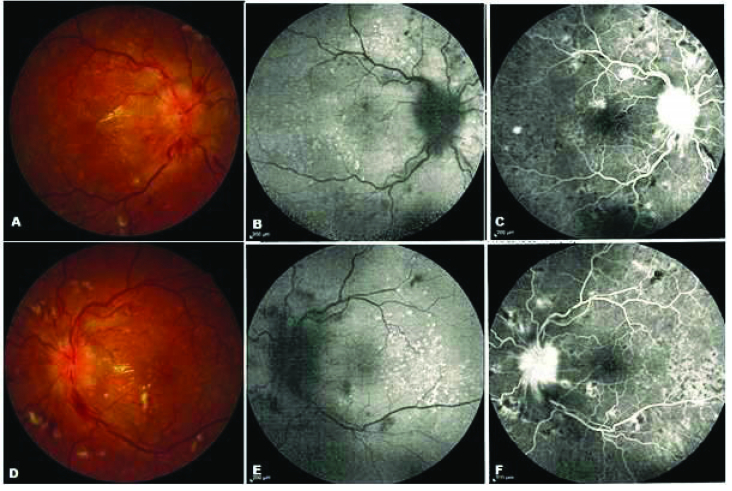
Malignant hypertension is a hypertensive emergency defined by severe pressure, usually above 200/120 mm Hg, with bilateral advanced retinopathy. It is a systemic arteriolar disease, and the kidney, brain, and blood are often involved at the same time. The British and Irish document regards uncomplicated malignant hypertension, with retinal changes alone, as a continuum of uncontrolled severe hypertension that still carries a poor prognosis without treatment. For these patients the document advises lowering pressure over days with oral drugs: below 200/120 mm Hg within 24 hours, below 160/100 mm Hg within a week, and below 140/90 mm Hg within 6 to 12 weeks. The ESC position document treats malignant hypertension with or without thrombotic microangiopathy or acute kidney injury as an emergency in which mean arterial pressure is lowered by 20% to 25% over several hours with labetalol or nicardipine.
Hypertension-associated thrombotic microangiopathy is recognized by Coombs-negative hemolysis (high LDH, unmeasurable haptoglobin, schistocytes) and thrombocytopenia, usually with acute kidney injury. It resolves as pressure is controlled. Thrombotic thrombocytopenic purpura, complement-mediated (atypical) hemolytic uremic syndrome, scleroderma renal crisis, antiphospholipid syndrome, and drug-induced microangiopathy present with the same triad and need specific treatment. An activity of ADAMTS13 (a disintegrin and metalloproteinase with thrombospondin type 1 motif, member 13) below 10% is consistent with thrombotic thrombocytopenic purpura and is measured before plasma is given. Platelet counts that fail to rise, or hemolysis that persists after pressure is controlled, point to a primary microangiopathy, and complement evaluation follows.
Admission, monitoring, and the general rate of blood pressure reduction
The 2025 AHA/ACC guideline makes four recommendations for hypertensive emergencies and severe hypertension in nonpregnant patients without stroke. They match the 2017 guideline in substance, with three changes: the explicit 24-to-48-hour target, the removal of pheochromocytoma from the compelling conditions, and the new Class 3: Harm recommendation for hospitalized patients. None of the three corrections the guideline has received since publication (November 2025, April 2026, and May 2026) altered these recommendations.
| Recommendation | COR | LOE |
|---|---|---|
| Hypertensive emergency (above 180/120 mm Hg with acute target-organ damage): admission to an intensive care unit for continuous monitoring of pressure and organ damage and for parenteral therapy | 1 | B-NR |
| Compelling condition (acute aortic syndrome or acute aortic dissection): systolic pressure reduced to below 140 mm Hg for most conditions and below 120 mm Hg in aortic dissection during the first hour, with monitoring of other organ function | 1 | C-LD |
| No compelling condition: systolic pressure reduced by no more than 25% within the first hour; then, if stable, to below 160/100 mm Hg within the next 2 to 6 hours; then cautiously to 130 to 140 mm Hg over the next 24 to 48 hours | 1 | C-LD |
| Severe hypertension in adults hospitalized for noncardiac conditions without acute target-organ damage: intermittent additional intravenous or oral antihypertensive doses are not recommended to lower pressure acutely | 3: Harm | B-NR |
From the 2025 AHA/ACC guideline, Section 6.2. Stroke and intracerebral hemorrhage are addressed in Section 5.3.9, and pregnancy in Section 5.5. COR, class of recommendation; LOE, level of evidence; B-NR, nonrandomized; C-LD, limited data.
The evidence base is thin. No randomized trial shows that antihypertensive treatment reduces morbidity or mortality in hypertensive emergency, and outside stroke and intracerebral hemorrhage no trial has compared strategies for lowering pressure. The 25% rule rests on the autoregulation physiology described above. The guideline's supportive text adds two data points. In trials that lowered systolic pressure early and intensively to 110 to 139 mm Hg, adverse kidney events increased, particularly when the initial systolic pressure exceeded 220 mm Hg. In small trials of acute heart failure with severe hypertension, a 15% fall in systolic pressure (20 to 40 mm Hg) within 30 minutes improved dyspnea without excess adverse events. The guideline's Figure 9 still lists pheochromocytoma crisis with a first-hour systolic target below 140 mm Hg. The recommendation text, however, states that pheochromocytoma is not a compelling indication for immediate lowering below 120 or 140 mm Hg, because the relation between pressure and mortality during an adrenergic crisis has not been characterized. That text governs.
The ESC position document expresses the same principle as a reduction of mean arterial pressure by 20% to 25% over minutes to hours, with immediate targets for organ-specific emergencies. The British and Irish document summarizes international guidance as a partial reduction of no more than 20% to 25% of mean arterial pressure in the first 6 to 24 hours. The usual fall in diastolic pressure is 10% to 15% or to about 110 mm Hg. Overshoot occurs. In the STAT registry, 4.0% of patients developed iatrogenic hypotension, and 60% had a re-elevation of pressure above 180 mm Hg after initial control. This pattern suggests that bolus-based regimens produce swings and that continuous infusions are preferred.
Monitoring in the intensive care unit includes continuous arterial pressure, cardiac rhythm, oxygen saturation, hourly urine output, and serial neurologic examinations. A falling urine output, new confusion, chest pain, or ischemic ECG changes during lowering are signs of hypoperfusion, and the target is relaxed.
Blood pressure target by condition
First-hour and later targets from US guidelinesGeneral and aortic targets from the 2025 AHA/ACC guideline, Section 6.2 and Table 27; intracerebral hemorrhage from Section 5.3.9.1; ischemic stroke from the 2025 AHA/ACC guideline, Section 5.3.9.2, and the 2026 American Heart Association/American Stroke Association (AHA/ASA) acute ischemic stroke guideline, Section 4.3; pregnancy from Section 5.5. The 25% floor is calculated from the presenting systolic pressure.
Blood pressure targets and preferred drugs by target-organ injury
The injured organ determines the target, the speed, and the drug. Table 27 of the 2025 AHA/ACC guideline lists preferred intravenous agents in alphabetical order, without ranking. The table below combines it with the targets from the guideline text and the stroke and obstetric documents, and with the drugs each condition excludes.
| Condition | Target and timing | Preferred intravenous agents | Avoid |
|---|---|---|---|
| Acute aortic dissection | Systolic ≤120 mm Hg within 20 min; heart rate 60–80 beats/min | Esmolol or labetalol first; then nicardipine, clevidipine, or nitroprusside | Any vasodilator before beta blockade |
| Acute ischemic stroke, IV thrombolysis | Below 185/110 mm Hg before; below 180/105 mm Hg for 24 h after | Clevidipine, nicardipine, esmolol, labetalol, hydralazine | Systolic target below 140 mm Hg after thrombolysis |
| Acute ischemic stroke, thrombectomy | ≤185/110 mm Hg before, without thrombolysis; ≤180/105 mm Hg during and for 24 h after | Clevidipine, nicardipine, labetalol | Systolic target below 140 mm Hg for 72 h after successful recanalization |
| Acute ischemic stroke, no reperfusion | No lowering below 220/120 mm Hg; at or above it, about 15% in 24 h | Clevidipine, nicardipine, labetalol | Rapid reduction; routine treatment in the first 48–72 h |
| Intracerebral hemorrhage, systolic 150–220 mm Hg | 130 to <140 mm Hg promptly and for at least 7 days; stop if below 130 | Nicardipine, clevidipine, labetalol, esmolol | Venous vasodilators (nitroprusside, nitroglycerin); large swings |
| Intracerebral hemorrhage, systolic above 220 mm Hg | Not below 130 mm Hg; cautious lowering to about 160–180 mm Hg | Nicardipine, clevidipine, labetalol | Intensive lowering |
| Aneurysmal subarachnoid hemorrhage | Gradual lowering of severe hypertension; mean arterial pressure kept at 65 mm Hg or more | Nicardipine, clevidipine, labetalol | Hypotension; abrupt falls |
| Hypertensive encephalopathy and PRES | No more than 25% in the first hour | Nicardipine, clevidipine, labetalol | Nitroprusside where alternatives exist |
| Acute coronary syndrome | No more than 25% in the first hour; avoid diastolic hypotension | Nitroglycerin and esmolol (agents of choice); labetalol, nicardipine | Hydralazine; nitrates after PDE-5 inhibitors; beta blockers in heart failure, bradycardia, or shock |
| Acute pulmonary edema | Prompt afterload reduction; a 15% fall in 30 min relieves dyspnea | Nitroglycerin, nitroprusside, clevidipine; noninvasive ventilation | Beta blockers; hydralazine |
| Acute kidney injury and malignant hypertension | No more than 25% in the first hour, then staged | Clevidipine, fenoldopam, nicardipine; labetalol | Abrupt falls; ACE inhibitors acutely (except scleroderma renal crisis) |
| Preeclampsia, eclampsia, postpartum | Below 160/110 mm Hg within 30–60 min of confirmed severe pressure | Labetalol, hydralazine, oral immediate-release nifedipine; nicardipine; magnesium for seizure prophylaxis | ACE inhibitors, ARBs, renin inhibitors, nitroprusside |
| Pheochromocytoma and catecholamine crisis | Prompt lowering with general targets | Phentolamine, clevidipine, nicardipine | Beta blockade before alpha blockade |
| Cocaine and amphetamine toxicity | Prompt lowering with general targets | Benzodiazepines first; phentolamine, nicardipine, nitroglycerin | Beta blockers during acute intoxication |
| Perioperative hypertension | Defined as ≥160/90 mm Hg or a systolic rise ≥20% persisting more than 15 min | Clevidipine, esmolol, nicardipine, nitroglycerin | Treatment before pain, hypoxemia, and bladder distention are addressed |
From the 2025 AHA/ACC guideline (Section 6.2, Section 5.3.9, Section 5.5, and Table 27), the 2026 AHA/ASA acute ischemic stroke guideline, the 2023 AHA/ASA subarachnoid hemorrhage guideline, and the ESC Council on Hypertension position document. Esmolol and nitroglycerin are marked in Table 27 as agents of choice for acute coronary syndromes. ACE, angiotensin-converting enzyme; ARB, angiotensin receptor blocker; IV, intravenous; PDE-5, phosphodiesterase type 5; PRES, posterior reversible encephalopathy syndrome.
Blood pressure and heart rate control in acute aortic dissection and other acute aortic syndromes
Acute aortic dissection is the one hypertensive emergency in which pressure is lowered fast and far. The force propagating the dissection depends on both the pressure and its rate of rise (dP/dt), so heart rate and contractility are lowered first. The 2025 AHA/ACC guideline recommends a systolic pressure below 120 mm Hg during the first hour (Class 1). Its Table 27 specifies a systolic pressure of 120 mm Hg or less within 20 minutes, with beta blockade before any vasodilator to prevent reflex tachycardia and increased inotropy. The 2022 ACC/AHA aortic disease guideline sets a heart rate of 60 to 80 beats/min and a systolic pressure below 120 mm Hg, or the lowest pressure that maintains organ perfusion. It recommends intravenous beta blockers first (Class 1), nondihydropyridine calcium channel blockers when beta blockers are contraindicated (Class 2a), and the addition of a vasodilator when pressure remains above target (Class 1). Pain control with opioids lowers sympathetic drive and is part of the treatment.
Pressure is measured in the arm with the higher reading, because a dissection flap involving a subclavian artery produces a falsely low reading on the affected side. Hypotension in dissection indicates tamponade, rupture, severe aortic regurgitation, or coronary malperfusion, and anti-impulse drugs are withheld. Imaging, surgical decision-making, intramural hematoma, penetrating ulcer, and long-term management are covered in immediate blood pressure and heart rate control in acute aortic syndromes.
Blood pressure management in acute ischemic stroke
High pressure is present in up to 80% of patients with acute stroke. Autoregulation in the ischemic penumbra is grossly abnormal, collateral flow is pressure-dependent, and a fall in pressure, even to levels within the hypertensive range, can enlarge the infarct. Treatment therefore depends on reperfusion therapy and on comorbid conditions. The 2026 AHA/ASA acute ischemic stroke guideline and the 2025 AHA/ACC guideline agree on the main thresholds.
| Setting | Recommendation (2026 AHA/ASA) | COR | LOE |
|---|---|---|---|
| All patients | Hypotension and hypovolemia corrected to maintain systemic perfusion | 1 | C-LD |
| Comorbid condition (acute coronary event, acute heart failure, aortic dissection, symptomatic hemorrhage after thrombolysis, preeclampsia or eclampsia) | Early treatment of hypertension is indicated | 1 | C-EO |
| 220/120 mm Hg or higher, no reperfusion therapy, no comorbid indication | Benefit of starting or restarting treatment in the first 48 to 72 hours is uncertain; supportive text advises an initial reduction of about 15% | 2b | C-EO |
| Below 220/120 mm Hg, no reperfusion therapy, no comorbid indication | Starting or restarting treatment in the first 48 to 72 hours does not prevent death or dependency | 3: No Benefit | A |
| Eligible for IV thrombolysis | Systolic below 185 mm Hg and diastolic below 110 mm Hg before treatment | 1 | B-NR |
| Thrombectomy planned without IV thrombolysis | Pressure at or below 185/110 mm Hg before the procedure is reasonable | 2a | B-NR |
| After IV thrombolysis | Below 180/105 mm Hg for at least 24 hours | 1 | B-R |
| After IV thrombolysis, mild to moderate stroke | Intensive systolic reduction (below 140 mm Hg versus below 180 mm Hg) is not recommended | 3: No Benefit | B-R |
| Thrombectomy | At or below 180/105 mm Hg during and for 24 hours after the procedure is reasonable | 2a | B-NR |
| Successful recanalization of an anterior large vessel occlusion | Intensive systolic target below 140 mm Hg for the first 72 hours is harmful | 3: Harm | A |
From the 2026 AHA/ASA guideline for the early management of acute ischemic stroke, Section 4.3; its posted correction did not change these recommendations. The 2025 AHA/ACC guideline gives the 15% reduction above 220/120 mm Hg a Class 2b recommendation and classifies a systolic target below 140 mm Hg within 24 to 72 hours after successful thrombectomy as harmful. B-R, randomized; C-EO, expert opinion; IV, intravenous.
ENCHANTED, which lowered systolic pressure to 130 to 140 mm Hg within 6 hours in patients given intravenous alteplase, did not improve functional outcome. After thrombectomy, three trials of intensive targets found no benefit, and two were stopped early. In ENCHANTED2/MT (821 patients), a target below 120 mm Hg increased poor functional outcome (common odds ratio 1.37) and early neurologic deterioration (odds ratio 1.53) compared with 140 to 180 mm Hg. In OPTIMAL-BP (306 patients), functional independence at 90 days was 39.4% with a target below 140 mm Hg and 54.4% with 140 to 180 mm Hg. In BEST-II (120 patients), targets below 140 mm Hg and below 160 mm Hg did not meet the prespecified futility criteria. The results suggested a low probability of benefit over a target of 180 mm Hg or less. Spontaneous lowering of pressure occurs in about 75% of patients without reperfusion therapy within the first few days, which is one reason routine early treatment adds nothing.
Blood pressure lowering in intracerebral and aneurysmal subarachnoid hemorrhage
High pressure after intracerebral hemorrhage is associated with hematoma expansion, neurologic worsening, and death or dependency. The randomized evidence comes from the INTERACT and ATACH programs. INTERACT2 randomized 2,839 patients within 6 hours to a systolic target below 140 mm Hg within 1 hour or below 180 mm Hg. Death or major disability at 90 days was 52.0% versus 55.6% (odds ratio 0.87; P=0.06), and the ordinal analysis of the modified Rankin scale favored intensive lowering (odds ratio 0.87; P=0.04), without excess serious adverse events. ATACH-2 randomized 1,000 patients with a mean baseline systolic pressure of 201 mm Hg to a systolic target of 110 to 139 mm Hg or 140 to 179 mm Hg with intravenous nicardipine. Death or disability was 38.7% versus 37.7%. The trial stopped for futility, and renal adverse events within 7 days were more frequent with intensive treatment (9.0% versus 4.0%). INTERACT3, a stepped-wedge cluster trial in 10 countries, found that a care bundle combining early systolic lowering below 140 mm Hg with glucose control, antipyrexia, and rapid reversal of warfarin improved functional outcome at 6 months.
| Recommendation | 2025 AHA/ACC | 2022 AHA/ASA intracerebral hemorrhage |
|---|---|---|
| Presenting systolic 150–220 mm Hg | Immediate lowering to 130 to <140 mm Hg for at least 7 days, stopping drugs if systolic falls below 130 mm Hg (Class 2a, LOE A) | Target 140 mm Hg with maintenance at 130–150 mm Hg is safe and may be reasonable (Class 2b, B-R) |
| Smooth, sustained control without peaks or large variability | Can be beneficial (Class 2a, B-NR) | Can be beneficial (Class 2a, B-NR) |
| Timing | Not specified beyond "immediately" | Treatment started within 2 hours of onset and target reached within 1 hour (Class 2a, C-LD) |
| Lowering below 130 mm Hg | Harmful when presenting systolic exceeds 220 mm Hg (Class 3: Harm, B-NR) | Potentially harmful when presenting systolic exceeds 150 mm Hg (Class 3: Harm, B-R) |
| Large or severe hemorrhage, or surgical decompression | Not addressed | Safety and efficacy of intensive lowering not established (Class 2b, C-LD) |
The 2025 AHA/ACC recommendation is stronger than the 2022 stroke recommendation because it incorporates INTERACT3 and a pooled analysis of INTERACT2 and ATACH-2 showing better 90-day outcomes with lower achieved systolic pressure down to 130 mm Hg.
For a presenting systolic pressure above 220 mm Hg, a post hoc analysis of ATACH-2 in 228 patients found that achieved values below 130 mm Hg were harmful and that cautious, modest lowering to about 160 to 180 mm Hg might be reasonable. Any rapidly acting, short-duration, titratable drug is acceptable; nicardipine was used in ATACH-2, and a range of drugs in the INTERACT trials. Venous vasodilators are avoided because unopposed venodilation can impair hemostasis and raise intracranial pressure. The 2025 guideline's Table 26 states that nitroprusside should be avoided in acute cerebrovascular disease unless other agents are not available.
In aneurysmal subarachnoid hemorrhage, high pressure before the aneurysm is secured is associated with rebleeding. The 2023 AHA/ASA subarachnoid hemorrhage guideline finds insufficient evidence for a specific target. Its writing group advises gradual reduction of severe hypertension (above 180 to 200 mm Hg systolic) and strict avoidance of hypotension (mean arterial pressure below 65 mm Hg). Excessive reduction may cause cerebral ischemia when intracranial pressure is raised. A meta-analysis cited in the guideline associated systolic pressure above 160 mm Hg with more rebleeding, and earlier guidelines suggested keeping systolic pressure below 160 or 180 mm Hg. Oral nimodipine, 60 mg every 4 hours for 21 days, is given to improve neurologic outcome after aneurysmal subarachnoid hemorrhage; it is a treatment for delayed cerebral ischemia, not an antihypertensive.
Hypertensive encephalopathy and posterior reversible encephalopathy syndrome
Hypertensive encephalopathy is the clinical syndrome of cerebral hyperperfusion: severe hypertension with headache, nausea, vomiting, lethargy, confusion, visual disturbance or cortical blindness, seizures, and coma, without another explanation. Focal deficits are uncommon and raise the possibility of stroke or hemorrhage. Posterior reversible encephalopathy syndrome (PRES) is its imaging counterpart. MRI shows bilateral, largely symmetric subcortical vasogenic edema, most often in the parieto-occipital white matter, with high signal on FLAIR and T2 and no restricted diffusion. Variants involve the frontal lobes, the watershed between vascular territories, the cerebellum, and the brainstem, and hemorrhage, restricted diffusion, contrast enhancement, and vasoconstriction are all compatible with the diagnosis.
PRES has causes beyond hypertension. It occurs with renal failure, fluctuations in pressure, cytotoxic and immunosuppressive drugs (calcineurin inhibitors, VEGF inhibitors, some chemotherapy), autoimmune disease, sepsis, and eclampsia, and endothelial dysfunction is the shared mechanism. Pressure is often only moderately raised in these settings. Most cases resolve clinically and radiographically within days to weeks once pressure is controlled and the trigger removed; severe forms cause death or disability through hemorrhage or posterior fossa edema with hydrocephalus or brainstem compression.
Pressure is lowered by no more than 25% in the first hour, following the general emergency rule. The ESC position document gives an immediate 20% to 25% reduction in mean arterial pressure with labetalol or nicardipine, and nitroprusside as an alternative. Seizures are treated with standard antiseizure drugs, and magnesium sulfate in eclampsia. Clinical improvement within hours of controlled lowering supports the diagnosis; failure to improve prompts a search for another cause, such as encephalitis, stroke, venous sinus thrombosis, or a toxic or metabolic encephalopathy.
Acute coronary syndrome with severe hypertension
Severe hypertension raises myocardial oxygen demand and wall stress, and a type 2 myocardial infarction (supply-demand mismatch) is common in hypertensive emergency. A type 1 infarction from plaque rupture or erosion also occurs and is managed with the standard pathway. Table 27 of the 2025 AHA/ACC guideline lists esmolol, labetalol, nicardipine, and nitroglycerin, and marks esmolol and nitroglycerin as agents of choice. Nitroglycerin reduces preload and, at higher doses, afterload, and it dilates epicardial coronary arteries. Nitrates are not given after phosphodiesterase type 5 inhibitor use or with right ventricular infarction. Beta blockers are contraindicated in moderate to severe left ventricular failure with pulmonary edema, bradycardia (heart rate below 60 beats/min), systolic pressure below 100 mm Hg, poor peripheral perfusion, second- or third-degree heart block, and reactive airway disease. Hydralazine and other direct vasodilators cause reflex tachycardia and are avoided. The British and Irish document advises avoiding a diastolic pressure below 70 mm Hg during treatment of acute coronary syndrome, because coronary perfusion occurs in diastole. Antithrombotic therapy, revascularization, and stimulant-associated coronary syndromes are covered in non-ST-elevation acute coronary syndrome.
Acute pulmonary edema from severe hypertension
Hypertensive acute pulmonary edema develops over minutes to hours, often with preserved ejection fraction, diastolic dysfunction, and a near-normal total body volume: fluid redistributes into the lungs as afterload rises. The patient is hypertensive, tachycardic, and hypoxemic, and treatment aims at rapid reduction of afterload and preload. High-dose intravenous nitroglycerin, nitroprusside, or clevidipine (the agents in Table 27) and noninvasive positive-pressure ventilation, which reduces preload, afterload, and the work of breathing, form the core of treatment. Loop diuretics are given when there is volume overload, but aggressive diuresis in a patient who has redistributed fluid without gaining it can cause hypotension and kidney injury. Beta blockers are contraindicated in acute pulmonary edema. In small trials cited by the 2025 guideline, a 15% reduction in systolic pressure (20 to 40 mm Hg) within 30 minutes improved dyspnea without excess adverse events. Recurrent flash pulmonary edema with preserved ejection fraction is a recognized presentation of bilateral renal artery stenosis or stenosis of a solitary kidney and prompts renal artery imaging after stabilization. Hemodynamic profiles and treatment of acute decompensated heart failure are covered in acute decompensated heart failure.
Acute kidney injury, thrombotic microangiopathy, and scleroderma renal crisis
Acute kidney injury in hypertensive emergency results from arteriolar injury, thrombotic microangiopathy, and loss of renal autoregulation. Creatinine may continue to rise for days after pressure is controlled, and a transient rise during controlled lowering does not by itself mean the target is wrong. Table 27 lists clevidipine, fenoldopam, and nicardipine as preferred agents; labetalol is also widely used. Fenoldopam, a dopamine-1 agonist, increases renal blood flow and natriuresis, but its effect on renal outcomes in hypertensive emergency has not been established in adequately powered trials. It is contraindicated with glaucoma or raised intracranial pressure and with sulfite allergy. Nitroprusside carries a higher risk of thiocyanate accumulation when kidney function is impaired. Intravenous enalaprilat is avoided in acute kidney injury because its response is unpredictable, it may worsen kidney injury, and its dose adjustment in kidney failure is poorly defined. Some patients need dialysis during the acute phase.
Scleroderma renal crisis is the exception to avoiding angiotensin-converting enzyme (ACE) inhibitors in acute kidney injury. It presents in systemic sclerosis, usually early diffuse cutaneous disease, with abrupt hypertension, acute kidney injury, and often microangiopathic hemolysis; high-dose glucocorticoids are a recognized precipitant. ACE inhibitors, typically captopril titrated upward, are the treatment and are continued even if dialysis is needed. In a prospective cohort of 145 patients with renal crisis treated with ACE inhibitors, 61% had a good outcome (no dialysis or temporary dialysis). More than half of those who started dialysis were able to stop it 3 to 18 months later, and 39% required permanent dialysis or died early.
Hypertensive emergencies in patients receiving dialysis
In patients receiving maintenance dialysis, severe hypertension is usually driven by volume. Missed or shortened sessions, interdialytic weight gain, and dietary sodium are the main precipitants, and ultrafiltration is the most effective antihypertensive treatment when the patient is above dry weight. Acute pulmonary edema in a dialysis patient is treated with nitroglycerin and noninvasive ventilation as a bridge to urgent ultrafiltration. Drug choice is shaped by clearance: nitroprusside is avoided or limited to the shortest possible duration because thiocyanate is cleared by the kidney and accumulates, and enalaprilat has poorly defined dosing in kidney failure. Nicardipine and labetalol are cleared by the liver, and clevidipine by blood and tissue esterases. Patients receiving dialysis are among those at risk of posterior reversible encephalopathy syndrome.
Intradialytic hypertension, a rise in pressure during or immediately after hemodialysis that leaves the patient hypertensive after the session, affects up to 15% of hemodialysis patients. It is more common in older patients, those with lower dry weight, those taking more antihypertensive drugs, and those with lower serum creatinine. Its mechanisms include subclinical volume overload, sympathetic overactivity, renin-angiotensin activation, endothelial dysfunction, removal of dialyzable antihypertensive drugs, and high-calcium dialysate. Management is reassessment of dry weight, avoidance of dialyzable drugs, adequate sodium removal, and renin-angiotensin blockade. The condition is associated with more hospitalization and lower survival.
Preeclampsia, eclampsia, HELLP syndrome, and postpartum severe hypertension
Severe hypertension in pregnancy and the postpartum period is an obstetric emergency, because maternal stroke risk rises with systolic pressure and the injured organ is often the brain. The 2025 AHA/ACC guideline, in line with ACOG, recommends antihypertensive medication for pregnant patients with a systolic pressure of 160 mm Hg or more or a diastolic pressure of 110 mm Hg or more. The reading is confirmed on repeat measurement within 15 minutes. The goal is a pressure below 160/110 mm Hg within 30 to 60 minutes (Class 1, B-R). ACOG recommends managing gestational hypertension with severe-range pressure in the same way as preeclampsia with severe features. ACE inhibitors, angiotensin receptor blockers, direct renin inhibitors, nitroprusside, mineralocorticoid receptor antagonists, and atenolol are contraindicated in pregnancy (Class 3: Harm).
| Drug | Dose | Onset | Comments |
|---|---|---|---|
| Labetalol | 10–20 mg IV, then 20–80 mg every 10–30 min to a cumulative maximum of 300 mg; or infusion 1–3 mg/min | 1–2 min | Avoided with asthma, preexisting myocardial disease, decompensated cardiac function, heart block, and bradycardia |
| Hydralazine | 5 mg IV or IM, then 5–10 mg IV every 20–40 min to a cumulative maximum of 20 mg; or infusion 0.5–10 mg/h | 10–20 min | Higher or frequent doses associated with maternal hypotension, headache, and abnormal fetal heart rate tracings |
| Nifedipine, immediate release | 10–20 mg orally, repeated in 20 min if needed; then 10–20 mg every 2–6 h; maximum 180 mg/day | 5–10 min | Reflex tachycardia and headache; oral only, never sublingual |
From the 2025 AHA/ACC guideline, Table 23 (antihypertensive agents for urgent blood pressure control in pregnancy), including the onset times. The ESC position document, which is the source of onset in the intravenous drug table, gives 5 to 10 minutes for intravenous labetalol. The US label states that the maximum effect usually occurs within 5 minutes of each injection. Nicardipine infusion is listed in Table 27 as an alternative. IM, intramuscular.
In meta-analysis, immediate-release oral nifedipine reaches target pressure faster than intravenous agents in pregnancy and is useful when intravenous access is delayed, but it is not recommended for acute treatment of other forms of hypertension. Magnesium sulfate prevents and treats eclamptic seizures and is not an antihypertensive. In the Magpie trial of 10,141 women with preeclampsia, magnesium sulfate reduced eclampsia by 58% (0.8% versus 1.9%) and probably reduced maternal death (relative risk 0.55, 95% confidence interval 0.26 to 1.14), with no clear difference in death of the infant. Delivery is the definitive treatment for preeclampsia and is timed by gestational age, maternal condition, and fetal status.
HELLP syndrome (hemolysis, elevated liver enzymes, and low platelet count) is a severe form of preeclampsia that can occur with only modest hypertension, and it raises maternal and fetal risk. Eclampsia, the occurrence of convulsive seizures, is the most severe form. Posterior reversible encephalopathy syndrome is common in eclampsia, and visual loss or headache in a postpartum woman is evaluated as preeclampsia until shown otherwise. Pressure often peaks 3 to 6 days after delivery, and preeclampsia and stroke can first present after discharge. Chronic hypertension and long-term cardiovascular risk after a hypertensive disorder of pregnancy are covered in hypertension in pregnancy and after delivery.
Pheochromocytoma and paraganglioma crisis
A catecholamine crisis presents with paroxysmal or sustained severe hypertension, headache, sweating, palpitations, pallor, tremor, and anxiety, and it can cause takotsubo-like cardiomyopathy, myocardial infarction, arrhythmia, pulmonary edema, stroke, and shock. Crises are provoked by tumor manipulation, anesthesia induction, glucocorticoids, metoclopramide, and unopposed beta blockade. Hypotension or shock can follow the crisis as catecholamine release stops in a volume-depleted patient.
Alpha blockade comes first. Intravenous phentolamine, a nonselective alpha antagonist, is given as a 5 mg bolus repeated every 10 minutes as needed, to a cumulative maximum of 50 mg in 24 hours (2025 AHA/ACC Table 26). Clevidipine and nicardipine are alternatives in Table 27. A beta blocker is added only after alpha blockade, to control tachycardia, because blocking beta-2-mediated vasodilation in skeletal muscle leaves alpha-mediated vasoconstriction unopposed and can raise pressure further. Labetalol, whose beta blockade exceeds its alpha blockade, gives incomplete alpha blockade, and paradoxical rises in pressure have been reported. The British and Irish document reserves it for crises in which phentolamine is unavailable. Preoperative preparation uses an oral alpha blocker (phenoxybenzamine or a selective alpha-1 blocker such as doxazosin) for 7 to 14 days with a high-sodium diet and fluid intake, according to the Endocrine Society guideline. Biochemical diagnosis and localization are covered in pheochromocytoma and other secondary causes.
Sympathomimetic toxicity, monoamine oxidase inhibitor reactions, drug withdrawal, and autonomic dysreflexia
Cocaine and amphetamines. Cocaine blocks reuptake of norepinephrine and dopamine and causes coronary vasoconstriction, platelet activation, and a sympathomimetic syndrome; methamphetamine and synthetic cathinones produce the same picture. Benzodiazepines are first-line: they reduce central sympathetic outflow and lower pressure, heart rate, agitation, and temperature. Persistent severe hypertension is treated with phentolamine, a dihydropyridine calcium channel blocker such as nicardipine, or nitroglycerin, which also relieves coronary spasm. Hyperthermia, rhabdomyolysis, aortic dissection, intracranial hemorrhage, and myocardial infarction are sought.
Beta blockers after cocaine. The prohibition rests on animal studies, small catheterization studies showing that propranolol increased cocaine-induced coronary vasoconstriction, and case reports. The 2014 AHA/ACC guideline for non-ST-elevation acute coronary syndromes gives a Class 3: Harm recommendation against beta blockers in patients with acute coronary syndrome and signs of acute cocaine or methamphetamine intoxication (euphoria, tachycardia, or hypertension). The stated concern is potentiation of coronary spasm. The 2008 AHA statement on cocaine-associated chest pain allows a combined alpha- and beta-blocker such as labetalol for hypertension or tachycardia after a vasodilator has been given. Observational data are reassuring but cannot settle the question. In a retrospective cohort of 331 patients with chest pain and a positive urine test for cocaine, 46% received a beta blocker in the emergency department. There were no differences in ECG changes, troponin, ventricular arrhythmia, intubation, vasopressor use, or death. A 2019 meta-analysis of five studies including 1,447 patients found no difference in myocardial infarction (relative risk 1.08) or all-cause mortality (relative risk 0.75) with beta blockers. The Class 3 recommendation is limited to patients with signs of acute intoxication.
Monoamine oxidase inhibitor reactions. Tyramine-rich foods (aged cheese, cured meats, tap beer, fermented products), sympathomimetic decongestants, and some drug combinations produce a hypertensive reaction in patients taking monoamine oxidase inhibitors because pressor amines are not metabolized. Phentolamine is the agent named in Table 26 for these reactions; nicardipine and clevidipine are alternatives. Serotonin syndrome is distinguished by clonus, hyperreflexia, and hyperthermia.
Clonidine and beta-blocker withdrawal. Abrupt cessation of clonidine produces rebound hypertension with a norepinephrine surge, tachycardia, sweating, and anxiety. Reinstating clonidine is the most direct treatment; phentolamine or labetalol treats severe pressure. Abrupt withdrawal of a long-term beta blocker can precipitate tachycardia, ischemia, and hypertension, and the drug is resumed.
Autonomic dysreflexia. Spinal cord injury above T6 allows a stimulus below the injury, most often bladder distention or fecal impaction, to trigger massive reflex sympathetic discharge with severe hypertension and reflex bradycardia. Sitting the patient upright, loosening tight clothing, and removing the stimulus (bladder catheterization, disimpaction) are the first steps, and a short-acting antihypertensive treats pressure that persists.
Perioperative and postoperative hypertension
Perioperative hypertension affects as many as 25% of patients undergoing major noncardiac surgery and 80% of those undergoing cardiac surgery. Table 27 of the 2025 AHA/ACC guideline defines it as a pressure of 160/90 mm Hg or more or a systolic rise of 20% or more over the preoperative value that persists for more than 15 minutes. The table lists clevidipine, esmolol, nicardipine, and nitroglycerin as preferred agents. Intraoperative hypertension is most frequent during induction and airway manipulation. Pain, emergence agitation, hypoxemia, hypercarbia, hypothermia with shivering, bladder distention, volume overload, and withdrawal of home beta blockers or clonidine are corrected before drugs are escalated. Pressure after carotid endarterectomy or stenting is controlled closely because cerebral hyperperfusion syndrome and intracranial hemorrhage occur; Table 27 groups the post-endarterectomy state with catecholamine excess states.
The ECLIPSE trials compared clevidipine with nitroglycerin, nitroprusside, and nicardipine in 1,512 cardiac surgery patients who needed treatment for acute hypertension. Rates of myocardial infarction, stroke, and renal dysfunction at 30 days did not differ. Mortality was higher with nitroprusside than with clevidipine (P=0.04). Clevidipine kept pressure within the prespecified range more effectively than nitroglycerin or nitroprusside and was equivalent to nicardipine, with fewer excursions when the range was narrowed.
For elective surgery, the 2025 guideline finds little evidence to defer surgery when preoperative pressure is below 180/110 mm Hg. A diastolic pressure above 110 mm Hg immediately before surgery has been associated with more cardiovascular and cerebrovascular complications and renal failure, and the decision to defer is individualized. Beta blockers are continued in patients already taking them; the guideline recommends against starting them on the day of surgery in beta-blocker-naive patients. Clonidine is not stopped abruptly.
Intravenous antihypertensive drugs: doses, kinetics, and cautions
Continuous infusion of a short-acting, titratable drug gives faster control with fewer swings in pressure than intermittent boluses, and it is preferred in the intensive care unit. Selection weighs the drug's pharmacology, the mechanism of the emergency, the injured organ, the desired rate of fall, and comorbid conditions. The doses below are those of the 2025 AHA/ACC guideline, Table 26; onset and duration are from the ESC Council on Hypertension position document except where noted.
| Drug and class | Usual dose range | Onset | Duration | Cautions and contraindications |
|---|---|---|---|---|
| Nicardipine (dihydropyridine calcium channel blocker) | 5 mg/h, increased by 2.5 mg/h every 5 min to a maximum of 15 mg/h | 5–15 min | 30–40 min | Contraindicated in advanced aortic stenosis; no negative inotropic or chronotropic effect; reflex tachycardia; no dose adjustment for age 65 or older |
| Clevidipine (dihydropyridine calcium channel blocker) | 1–2 mg/h, doubled every 90 s until pressure approaches target, then increased by less than double every 5–10 min; maximum 21 mg/h; maximum duration 72 h | 2–3 min | 5–15 min | Lipid emulsion: contraindicated with soy or egg allergy and defective lipid metabolism (pathological hyperlipidemia, lipoid nephrosis, acute pancreatitis); lower risk of reflex tachycardia |
| Labetalol (alpha-1 and nonselective beta blocker) | 0.3–1.0 mg/kg (maximum 20 mg) slow IV injection at 10-min intervals, or 0.4–1.0 mg/kg/h infusion up to 3 mg/kg/h; cumulative maximum 300 mg/24 h | 5–10 min | 3–6 h | Contraindicated in reactive airway or obstructive pulmonary disease, second- or third-degree heart block, and bradycardia; may worsen heart failure; useful in hyperadrenergic states |
| Esmolol (beta-1 selective blocker) | Loading 500–1,000 mcg/kg over 1 min, then 50 mcg/kg/min; bolus repeated and infusion increased in 50-mcg/kg/min steps to a maximum of 300 mcg/kg/min | 1–2 min | 10–30 min | Contraindicated with concurrent beta-blocker therapy, bradycardia, or decompensated heart failure; higher doses block beta-2 receptors in reactive airway disease |
| Sodium nitroprusside (nitric oxide donor, arterial and venous) | 0.3–0.5 mcg/kg/min, increased by 0.5 mcg/kg/min every 5 min to a maximum of 10 mcg/kg/min, for the shortest possible duration | Immediate | 1–2 min | Intra-arterial monitoring recommended; lower doses in older adults; tachyphylaxis; avoided in acute cerebrovascular disease unless no alternative; cyanide and thiocyanate toxicity at 3 mcg/kg/min or more or 3 days or more; contraindicated in pregnancy |
| Nitroglycerin (nitric oxide donor, mainly venous) | 5 mcg/min, increased by 5 mcg/min every 3–5 min to a maximum of 200 mcg/min | 1–5 min | 3–5 min | Used only in acute coronary syndrome or acute pulmonary edema; not in volume depletion; tachyphylaxis; contraindicated after PDE-5 inhibitors |
| Hydralazine (direct arterial vasodilator) | 10 mg slow IV (maximum initial 20 mg); repeated every 4–6 h; cumulative maximum 200 mg/24 h | 10–30 min* | 2–4 h* | Unpredictable response and prolonged effect make it undesirable as a first-line agent except in pregnancy; reflex tachycardia |
| Enalaprilat (ACE inhibitor) | 1.25 mg over 5 min; increased up to 5 mg every 6 h as needed | 15 min* | 4–6 h | Contraindicated in pregnancy; not used in acute myocardial infarction or bilateral renal artery stenosis; may worsen kidney injury; unpredictable response |
| Fenoldopam (dopamine-1 agonist) | 0.1–0.3 mcg/kg/min, increased by 0.05–0.1 mcg/kg/min every 15 min to a maximum of 1.6 mcg/kg/min | 5–15 min | 30–60 min | Contraindicated with risk of raised intraocular pressure (glaucoma) or intracranial pressure and with sulfite allergy |
| Phentolamine (nonselective alpha blocker) | 5 mg IV bolus, repeated every 10 min as needed; cumulative maximum 50 mg/24 h | 1–2 min | 10–30 min | Catecholamine excess: pheochromocytoma, MAO inhibitor interactions, cocaine or amphetamine toxicity, clonidine withdrawal; tachyarrhythmia and chest pain |
Doses from the 2025 AHA/ACC guideline, Table 26, with the labetalol bolus interval as corrected in May 2026 (previously printed as every 2 minutes). Onset and duration from the ESC Council on Hypertension position document; *hydralazine onset and duration and enalaprilat onset from Table 26. MAO, monoamine oxidase; PDE-5, phosphodiesterase type 5.
Nicardipine and clevidipine. Both are dihydropyridine calcium channel blockers that dilate arterioles without depressing contractility or atrioventricular conduction, which makes them suitable for most neurologic, renal, and catecholamine-driven emergencies and for patients with bronchospasm or heart block. Nicardipine is the most extensively studied agent in emergency department and neurologic populations, and it was the protocol drug in ATACH-2. Clevidipine is hydrolyzed by blood and tissue esterases and has an initial half-life of about 1 minute. It is formulated in a 20% lipid emulsion containing about 0.2 g of lipid per mL, which counts toward lipid intake in parenteral nutrition and limits prolonged high-dose use. In the CLUE trial of 226 emergency department patients with a systolic pressure of 180 mm Hg or more, nicardipine more often reached the physician-specified target range within 30 minutes than labetalol (91.7% versus 82.5%). Rescue medication did not differ. Labetalol produced slower heart rates. The 2025 guideline summarizes the trials as showing that intravenous nicardipine reaches short-term targets more often than labetalol and that clevidipine lowers pressure faster than nicardipine. No trial shows a difference in hard outcomes among these drugs.
Labetalol. Labetalol combines alpha-1 and nonselective beta blockade in a ratio of about 1:7 after intravenous administration, lowers systemic resistance without reflex tachycardia, and is widely used in emergency departments and in pregnancy. Its long duration of 3 to 6 hours means repeated boluses accumulate. Table 26 limits the total dose to 300 mg in 24 hours, and the US label gives the same 300 mg total, with 50 to 200 mg usually effective. At the upper infusion rates, the limit is reached within 1 to 2 hours in an 80-kg adult, so the infusion is used to reach the target. The label then calls for stopping the infusion and starting oral labetalol. It is avoided in acute decompensated heart failure, bradycardia, heart block, and reactive airway disease, and it is not used as the sole agent in catecholamine crisis.
Esmolol. Esmolol is metabolized by red cell esterases, with an elimination half-life of about 9 minutes, so its effect ends within 10 to 30 minutes of stopping. That property makes it the first choice when tolerance of beta blockade is uncertain, as in aortic dissection with borderline pressure, and in perioperative hypertension and tachycardia.
Sodium nitroprusside. Nitroprusside dilates arteries and veins within seconds and is the most potent intravenous antihypertensive. Each molecule contains five cyanide groups that are released as it is metabolized; cyanide is converted by rhodanese, using thiosulfate as the sulfur donor, to thiocyanate, which the kidney excretes. Cyanide toxicity is more likely with liver dysfunction and chronic kidney disease. Thiocyanate toxicity is more likely with kidney dysfunction (serum creatinine above 3 mg/dL), infusion rates of 3 mcg/kg/min or more, or treatment for 3 days or more. Both present with metabolic acidosis, altered mental status, and arrhythmia; nitroprusside is stopped and sodium thiosulfate or hydroxocobalamin, which binds cyanide to form cyanocobalamin, is given. Nitroprusside raises intracranial pressure, can cause coronary steal, and was associated with higher mortality than clevidipine in the ECLIPSE cardiac surgery trials. The guideline reserves it for cases in which other agents are unavailable or fail. It is avoided in acute cerebrovascular disease and contraindicated in pregnancy.
Nitroglycerin. At low doses nitroglycerin is predominantly a venodilator that lowers preload; arterial dilation and afterload reduction appear at higher doses. It is an agent of choice for acute coronary syndrome and a preferred agent for pulmonary edema, and it is a weak antihypertensive in other emergencies. Tolerance can develop within 24 hours of continuous infusion, and dose escalation does not reliably overcome it. Severe hypotension follows when it is given after phosphodiesterase type 5 inhibitors or in right ventricular infarction or volume depletion.
Hydralazine. Pressure begins to fall within 10 to 30 minutes of an intravenous dose and stays down for 2 to 4 hours, with substantial variation between patients and a risk of prolonged hypotension. Reflex tachycardia and increased myocardial oxygen demand make it unsuitable in coronary disease and aortic dissection. Its main acute use is severe hypertension in pregnancy.
Enalaprilat, fenoldopam, and phentolamine. Enalaprilat has a relatively slow onset (about 15 minutes), an unpredictable response, and a long duration, and it is mainly useful when plasma renin activity is high; it is contraindicated in pregnancy and bilateral renal artery stenosis. Fenoldopam is a peripheral dopamine-1 agonist that increases renal blood flow and natriuresis; it raises intraocular pressure. Phentolamine is reserved for catecholamine excess.
Agents outside US practice. Urapidil, an alpha-1 antagonist with central serotonin-1A agonist activity, is used in Europe (onset 3 to 5 minutes, duration 4 to 6 hours) and is not available in the United States or the United Kingdom. Intravenous metoprolol (2.5 to 5 mg over 2 minutes, repeated every 5 minutes to 15 mg) is an alternative beta blocker in the ESC document.
Oral agents and the case against immediate-release nifedipine
Oral drugs are used to treat severe hypertension without acute organ damage, to begin the transition from intravenous therapy, and in uncomplicated malignant hypertension in some systems. The aim is gradual reduction over hours to days. Long-acting dihydropyridine calcium channel blockers, renin-angiotensin blockers (when kidney function, potassium, and volume status allow), and thiazide-like diuretics form the basis of the long-term regimen. Short-acting oral captopril, clonidine, and labetalol produce falls within hours and have been used in emergency departments to lower pressure before discharge, but doing so does not improve outcomes in asymptomatic patients.
| Drug | Role | Comments |
|---|---|---|
| Amlodipine or extended-release nifedipine | Starting or intensifying a long-term regimen in severe hypertension; uncomplicated malignant hypertension | Amlodipine reaches steady state slowly; repeated doses within hours are not given without new organ damage |
| ACE inhibitor or ARB | Long-term regimen after stabilization | Started cautiously when volume depleted or with renal artery stenosis; first-line in scleroderma renal crisis (captopril) |
| Thiazide-like diuretic | Long-term regimen | Avoided early in malignant hypertension with pressure natriuresis and volume depletion |
| Labetalol | Transition from intravenous labetalol; pregnancy | Twice- or three-times-daily dosing |
| Clonidine | Clonidine withdrawal | Rebound hypertension if stopped abruptly; sedation |
| Captopril | Scleroderma renal crisis | Short acting; titrated daily |
| Immediate-release nifedipine | Severe hypertension in pregnancy only | Not used for other forms of hypertension; never sublingual |
ARB, angiotensin receptor blocker.
Sublingual or bitten immediate-release nifedipine capsules were widely used for hypertensive "emergencies" and "pseudoemergencies" until a 1996 review documented cerebrovascular ischemia, stroke, severe hypotension, acute myocardial infarction, conduction disturbances, fetal distress, and death. The review also showed that the drug is absorbed through the intestine, not the oral mucosa. The review called for the practice to be abandoned, and the drug was never approved by the US Food and Drug Administration for any form of hypertension. The fall in pressure cannot be controlled, and immediate-release nifedipine has no place in hypertensive emergency outside pregnancy, where it is given orally under monitoring.
Infusion-rate calculator for intravenous antihypertensive drugs
Infusion rate
Weight-based and fixed-rate intravenous antihypertensivesRate (mL/h) = dose per hour (mg/h) ÷ concentration (mg/mL). Weight-based doses are converted as mcg/kg/min × weight × 60 ÷ 1,000 and mg/kg/h × weight; nitroglycerin in mcg/min is converted as × 60 ÷ 1,000. Default concentrations are common preparations (nicardipine 0.1 mg/mL, clevidipine 0.5 mg/mL, esmolol 10 mg/mL, labetalol 1 mg/mL, nitroprusside 0.2 mg/mL, nitroglycerin 0.2 mg/mL, fenoldopam 0.04 mg/mL); the concentration on the dispensed bag governs. Dose limits from the 2025 AHA/ACC guideline, Table 26; clevidipine lipid at 0.2 g/mL.
Esmolol at 50 mcg/kg/min in an 80-kg patient is 50 × 80 × 60 ÷ 1,000 = 240 mg/h, which at 10 mg/mL runs at 24 mL/h. Nitroprusside at 0.5 mcg/kg/min in a 70-kg patient is 2.1 mg/h, which at 0.2 mg/mL runs at 10.5 mL/h; the same patient reaches the 3-mcg/kg/min toxicity threshold at 63 mL/h. Clevidipine at 21 mg/h from a 0.5-mg/mL emulsion runs at 42 mL/h, about 1 L and 200 g of lipid in 24 hours.
Severe hypertension without acute target-organ damage
The 2025 AHA/ACC guideline states that patients with severe hypertension and no acute target-organ damage should not receive aggressive short-term lowering or parenteral drugs, and that oral treatment is reinstituted or intensified, preferably in the outpatient setting. Its algorithm (Figure 9) sends a patient identified in the clinic to outpatient care without referral to the emergency department, and a patient identified in the emergency department to an inpatient or outpatient decision based on indications other than pressure alone. Parenteral lowering or intensified oral therapy in the acute setting is marked Class 3: Harm. Close outpatient follow-up completes the pathway (see severe hypertension on the hypertension page).
The evidence for this approach is observational and consistent. Among 58,535 office patients with hypertensive urgency in the Cleveland Clinic system, 852 patients were sent home and 426 matched patients were referred to the hospital. Major adverse cardiovascular events did not differ at 7 days (0 versus 0.5%), 8 to 30 days, or 6 months (0.9% in both groups). Patients sent home had fewer hospital admissions at 7 days (4.7% versus 8.2%) and 8 to 30 days, and most patients in both groups still had uncontrolled hypertension 6 months later. The risk lies in the following months of uncontrolled hypertension, not in the next few hours.
The evaluation is focused: repeated measurement after rest, review of symptoms, examination including fundoscopy, and creatinine and urinalysis when kidney function is unknown. Contributing factors (pain, anxiety, missed doses, NSAIDs, decongestants, stimulants, alcohol) are corrected. For a patient taking medication, the regimen is restarted or intensified; for an untreated patient, treatment begins with a long-acting agent or a single-pill combination, as for stage 2 hypertension. Pressure is lowered over days to weeks. The British and Irish document gives an example schedule: in a treatment-naive patient, pressure is remeasured within 7 days (with home or ambulatory monitoring if appropriate), lowered below 160/100 mm Hg within 2 weeks, and below 140/90 mm Hg within 6 to 12 weeks. Patients without reliable access to follow-up, pregnant patients, and those with coexisting conditions may be observed or admitted.
Asymptomatic severe hypertension in hospitalized patients
Elevated pressure is far more common in hospitalized patients than hypertensive emergency. In a systematic review of nine studies, asymptomatic elevated inpatient pressure was present in 50% to 72% of hospitalizations. In a multihospital study of 224,265 adults admitted for other reasons, 10% had asymptomatic markedly elevated pressure. Pain, anxiety, urinary retention, alcohol or drug withdrawal, held home medications, and volume overload are the usual causes. Pressure falls spontaneously in 40% to 50% of these patients without new drugs.
The 2025 AHA/ACC guideline recommends against intermittent intravenous or oral antihypertensive doses given solely to lower pressure acutely in adults hospitalized for noncardiac conditions with severe hypertension and no acute organ damage (Class 3: Harm). The evidence is observational:
- In 22,834 adults admitted to medicine services for noncardiovascular diagnoses in 10 hospitals, 78% had at least one hypertensive reading and 33.1% of them were treated. In propensity-matched patients, treatment was associated with more acute kidney injury (10.3% versus 7.9%) and myocardial injury (1.2% versus 0.6%), and there was no pressure interval in which treated patients did better.
- In a health system cohort of about 22,000 hospitalized adults with asymptomatic markedly elevated pressure cited by the 2024 AHA statement, intravenous treatment was associated with a 40% higher likelihood of a fall in mean arterial pressure of 30% or more.
- In a single-center study cited by the same statement, patients receiving as-needed antihypertensives (93% intravenous) had twice the risk of death, a 24% higher risk of acute kidney injury, and twice the risk of a systolic fall of more than 25% within an hour.
- Among 4,056 propensity-matched older veterans hospitalized for noncardiac conditions, intensification of antihypertensive therapy at discharge increased 30-day readmission (hazard ratio 1.23) and serious adverse events (hazard ratio 1.41) without improving pressure or cardiovascular events at 1 year.
The 2024 AHA statement recommends verifying the measurement, treating reversible causes, assessing volume, restarting home medications held on admission (41% of patients given as-needed antihypertensives in one study were not receiving their home regimen), and avoiding as-needed antihypertensive orders for asymptomatic readings. If a standing regimen is adjusted, the effect of a single change cannot be judged during a short stay, and outpatient follow-up completes the adjustment.
Transition to oral therapy, secondary causes, and follow-up after a hypertensive emergency
When the organ injury has stabilized and pressure has been at the staged target for several hours, oral therapy is started while the infusion continues, and the infusion is weaned as the oral drugs take effect. Abrupt discontinuation without oral coverage causes rebound hypertension. The oral regimen is chosen for the injured organ and comorbid conditions: a renin-angiotensin blocker after recovery of kidney function and exclusion of bilateral renal artery stenosis, a beta blocker after acute coronary syndrome or dissection, and a long-acting calcium channel blocker for most patients. Volume is reassessed before diuretics are added. The target over the following weeks is the long-term goal below 130/80 mm Hg for most adults.
The evaluation for secondary hypertension is completed after stabilization. It includes the aldosterone-to-renin ratio; plasma free or urinary fractionated metanephrines; renal artery imaging in patients with flash pulmonary edema, asymmetric kidneys, or a large rise in creatinine with renin-angiotensin blockade; sleep apnea assessment; and review of drugs and substances. Screening for secondary causes can begin at the first outpatient visit after a hypertensive crisis, even when no cause is suspected.
Adherence barriers are reviewed: cost, access, side effects, regimen complexity, and understanding of the disease. Single-pill combinations, once-daily dosing, home blood pressure monitoring, and team-based care improve control. Kidney function is rechecked soon after discharge in patients with acute kidney injury, and hematologic indices in those with thrombotic microangiopathy. Recurrence is common: in the STAT registry, 37% of patients were readmitted within 90 days, a quarter of them for recurrent acute severe hypertension.
Prognosis after a hypertensive emergency
The 2025 AHA/ACC guideline cites an in-hospital mortality of about 10% and a 1-year cardiovascular morbidity and mortality of 20% to 30% after a hypertensive emergency. In the STAT registry, hospital mortality was 6.9% and 90-day mortality 11%. Outcome depends on the organ injured (intracerebral hemorrhage and aortic dissection carry the highest early mortality), on age, kidney function at presentation, and the pressure achieved during follow-up.
Untreated malignant hypertension had a mortality of about 50% within 2 months and almost 90% within 1 year in historical series. In a UK registry of 446 patients with malignant-phase hypertension, 5-year survival improved from 32.0% for patients diagnosed before 1977 to 91.0% for those diagnosed between 1997 and 2006. Age, decade of diagnosis, baseline creatinine, and follow-up systolic pressure independently predicted survival. Patients with severe hypertension without organ damage have a low short-term event rate, below 1% at 6 months in the Cleveland Clinic cohort, but most remain uncontrolled, and their long-term risk is that of stage 2 hypertension.
European and British guidance compared with the 2025 AHA/ACC guideline
European guidance reaches the same principles through mean arterial pressure. The 2023 ESH guideline classifies pressure of 180/110 mm Hg or more as grade 3 hypertension and defines emergencies by acute organ damage without separating severity by pressure alone. The ESC Council on Hypertension position document gives organ-specific timelines and targets.
| Condition | 2025 AHA/ACC and AHA/ASA | ESC Council on Hypertension (2019) | British and Irish Hypertension Society (2023) |
|---|---|---|---|
| General emergency | Systolic down by no more than 25% in 1 h; below 160/100 in 2–6 h; 130–140 in 24–48 h | Mean arterial pressure down 20%–25% over minutes to hours by condition | Mean arterial pressure down no more than 20%–25% over several hours |
| Malignant hypertension | General rule | Mean arterial pressure down 20%–25% over several hours; labetalol or nicardipine | Uncomplicated (eyes only): oral drugs; below 200/120 in 24 h, below 160/100 in a week |
| Aortic dissection | Systolic ≤120 within 20 min; heart rate 60–80 | Systolic below 120 and heart rate below 60 immediately | Systolic about 120 and heart rate below 60 |
| Acute coronary syndrome or pulmonary edema | General rule; 15% in 30 min relieves dyspnea | Systolic below 140 immediately | Mean arterial pressure down no more than 20%–25%; diastolic not below 70 in ACS |
| Intracerebral hemorrhage | 130 to <140 for systolic 150–220; not below 130 when above 220 | Systolic 130–180 immediately when above 180 | 140–180 range; above 220, smooth reduction keeping systolic at 140 or more |
| Ischemic stroke | Below 185/110 before lysis; about 15% above 220/120 without reperfusion | Mean arterial pressure down 15% in 1 h for the same thresholds | Mean arterial pressure down no more than 15% at 220/120 or more |
| Preeclampsia | Below 160/110 within 30–60 min | Systolic below 160 and diastolic below 105 immediately | Per national obstetric guidance; labetalol, nifedipine, hydralazine |
| First-line drugs | Organ-specific; nicardipine, clevidipine, labetalol, esmolol | Labetalol, nicardipine, esmolol, nitroglycerin, nitroprusside, urapidil | Labetalol first in most emergencies; clevidipine, urapidil, and fenoldopam unavailable in the UK |
Targets in mm Hg. ACS, acute coronary syndrome. The ESC 2019 position document predates the 2025 US guidance on intracerebral hemorrhage and thrombectomy.
Sources of error in hypertensive emergencies
- Classification by the number: treating an asymptomatic patient with a reading above 180/120 mm Hg with intravenous drugs, or dismissing confusion, a rising creatinine, or retinal hemorrhages because the pressure is "only" 170/110 mm Hg.
- Omission of fundoscopy, which leaves malignant-phase hypertension undiagnosed in a patient without symptoms.
- Normalization of pressure in the first hour, which causes cerebral, coronary, and renal hypoperfusion in a patient whose autoregulation has shifted upward.
- Application of the 25% rule to aortic dissection, or the start of a vasodilator before beta blockade, which raises heart rate and dP/dt.
- Lowering of pressure in acute ischemic stroke without reperfusion therapy below 220/120 mm Hg, and adoption of a systolic target below 140 mm Hg after successful thrombectomy.
- Lowering of systolic pressure below 130 mm Hg in intracerebral hemorrhage, particularly when the presenting systolic pressure exceeds 220 mm Hg.
- Beta blockade before alpha blockade in pheochromocytoma crisis, and beta blockers during acute cocaine or amphetamine intoxication.
- Sublingual or immediate-release nifedipine outside pregnancy, and as-needed intravenous hydralazine or labetalol for asymptomatic inpatient readings.
- Aggressive diuresis in malignant hypertension, in which pressure natriuresis has already caused volume depletion.
- Prolonged or high-dose nitroprusside in kidney or liver dysfunction without monitoring for cyanide and thiocyanate toxicity, and nitroprusside in acute cerebrovascular disease or pregnancy.
- Labetalol boluses repeated every 2 minutes, the interval printed in the original Table 26 and corrected to 10 minutes in May 2026.
- Failure to test for pregnancy in a woman of childbearing age, and failure to treat confirmed severe pressure in pregnancy within 30 to 60 minutes.
- Treatment of thrombotic microangiopathy as hypertensive without measuring ADAMTS13 or reconsidering scleroderma renal crisis and complement-mediated disease when hemolysis persists after pressure control.
- Discharge without a cause evaluation, an adherence plan, and early follow-up after a hypertensive emergency.
Self-assessment
A 58-year-old man has a headache, confusion, and blood pressure of 236/138 mm Hg in both arms. Fundoscopy shows bilateral flame hemorrhages, cotton-wool spots, and disc swelling. Creatinine is 2.4 mg/dL (1.1 mg/dL a year ago), platelets are 88,000/µL, LDH is elevated, and the smear shows schistocytes. Head CT shows no hemorrhage. What is the systolic pressure target for the first hour under the 2025 AHA/ACC guideline, which intravenous agents fit this presentation, and which laboratory test distinguishes the likely diagnosis from thrombotic thrombocytopenic purpura?
Cardiovascular Medicine Board ReviewReferences
- Jones DW, Ferdinand KC, Taler SJ, et al. 2025 AHA/ACC/AANP/AAPA/ABC/ACCP/ACPM/AGS/AMA/ASPC/NMA/PCNA/SGIM guideline for the prevention, detection, evaluation and management of high blood pressure in adults: a report of the American College of Cardiology/American Heart Association Joint Committee on Clinical Practice Guidelines. Circulation. 2025;152:e114–e218. doi:10.1161/CIR.0000000000001356
- Correction to: 2025 AHA/ACC/AANP/AAPA/ABC/ACCP/ACPM/AGS/AMA/ASPC/NMA/PCNA/SGIM guideline for the prevention, detection, evaluation and management of high blood pressure in adults (Table 1 and resistant hypertension text). Circulation. 2025;152:e403. doi:10.1161/CIR.0000000000001396
- Correction to: 2025 AHA/ACC/AANP/AAPA/ABC/ACCP/ACPM/AGS/AMA/ASPC/NMA/PCNA/SGIM guideline for the prevention, detection, evaluation and management of high blood pressure in adults (Table 16 drug interactions). Circulation. 2026;153:e1121. doi:10.1161/CIR.0000000000001436
- Correction to: 2025 AHA/ACC/AANP/AAPA/ABC/ACCP/ACPM/AGS/AMA/ASPC/NMA/PCNA/SGIM guideline for the prevention, detection, evaluation and management of high blood pressure in adults (Table 26 labetalol bolus interval). Circulation. 2026;153:e1359. doi:10.1161/CIR.0000000000001448
- Whelton PK, Carey RM, Aronow WS, et al. 2017 ACC/AHA/AAPA/ABC/ACPM/AGS/APhA/ASH/ASPC/NMA/PCNA guideline for the prevention, detection, evaluation, and management of high blood pressure in adults. Hypertension. 2018;71:e13–e115. doi:10.1161/HYP.0000000000000065
- Bress AP, Anderson TS, Flack JM, et al. The management of elevated blood pressure in the acute care setting: a scientific statement from the American Heart Association. Hypertension. 2024;81:e94–e106. doi:10.1161/HYP.0000000000000238
- Prabhakaran S, Gonzalez NR, Zachrison KS, et al. 2026 guideline for the early management of patients with acute ischemic stroke: a guideline from the American Heart Association/American Stroke Association. Stroke. 2026;57:e316–e436. doi:10.1161/STR.0000000000000513
- Greenberg SM, Ziai WC, Cordonnier C, et al. 2022 guideline for the management of patients with spontaneous intracerebral hemorrhage: a guideline from the American Heart Association/American Stroke Association. Stroke. 2022;53:e282–e361. doi:10.1161/STR.0000000000000407
- Hoh BL, Ko NU, Amin-Hanjani S, et al. 2023 guideline for the management of patients with aneurysmal subarachnoid hemorrhage: a guideline from the American Heart Association/American Stroke Association. Stroke. 2023;54:e314–e370. doi:10.1161/STR.0000000000000436
- Isselbacher EM, Preventza O, Hamilton Black J, et al. 2022 ACC/AHA guideline for the diagnosis and management of aortic disease: a report of the American Heart Association/American College of Cardiology Joint Committee on Clinical Practice Guidelines. Circulation. 2022;146:e334–e482. doi:10.1161/CIR.0000000000001106
- Amsterdam EA, Wenger NK, Brindis RG, et al. 2014 AHA/ACC guideline for the management of patients with non-ST-elevation acute coronary syndromes: a report of the American College of Cardiology/American Heart Association Task Force on Practice Guidelines. Circulation. 2014;130:e344–e426. doi:10.1161/CIR.0000000000000134
- American College of Obstetricians and Gynecologists. Gestational hypertension and preeclampsia: ACOG Practice Bulletin No. 222. Obstet Gynecol. 2020;135:e237–e260. doi:10.1097/AOG.0000000000003891
- American College of Obstetricians and Gynecologists. Emergent therapy for acute-onset, severe hypertension during pregnancy and the postpartum period: ACOG Committee Opinion No. 767. Obstet Gynecol. 2019;133:e174–e180. doi:10.1097/AOG.0000000000003075
- van den Born BJH, Lip GYH, Brguljan-Hitij J, et al. ESC Council on Hypertension position document on the management of hypertensive emergencies. Eur Heart J Cardiovasc Pharmacother. 2019;5:37–46. doi:10.1093/ehjcvp/pvy032
- Mancia G, Kreutz R, Brunström M, et al. 2023 ESH guidelines for the management of arterial hypertension. J Hypertens. 2023;41:1874–2071. doi:10.1097/HJH.0000000000003480
- Kulkarni S, Glover M, Kapil V, et al. Management of hypertensive crisis: British and Irish Hypertension Society position document. J Hum Hypertens. 2023;37:863–879. doi:10.1038/s41371-022-00776-9
- Janke AT, McNaughton CD, Brody AM, Welch RD, Levy PD. Trends in the incidence of hypertensive emergencies in US emergency departments from 2006 to 2013. J Am Heart Assoc. 2016;5:e004511. doi:10.1161/JAHA.116.004511
- Astarita A, Covella M, Vallelonga F, et al. Hypertensive emergencies and urgencies in emergency departments: a systematic review and meta-analysis. J Hypertens. 2020;38:1203–1210. doi:10.1097/HJH.0000000000002372
- Katz JN, Gore JM, Amin A, et al. Practice patterns, outcomes, and end-organ dysfunction for patients with acute severe hypertension: the Studying the Treatment of Acute hyperTension (STAT) registry. Am Heart J. 2009;158:599–606. doi:10.1016/j.ahj.2009.07.020
- Patel KK, Young L, Howell EH, et al. Characteristics and outcomes of patients presenting with hypertensive urgency in the office setting. JAMA Intern Med. 2016;176:981–988. doi:10.1001/jamainternmed.2016.1509
- Rastogi R, Sheehan MM, Hu B, Shaker V, Kojima L, Rothberg MB. Treatment and outcomes of inpatient hypertension among adults with noncardiac admissions. JAMA Intern Med. 2021;181:345–352. doi:10.1001/jamainternmed.2020.7501
- Anderson TS, Jing B, Auerbach A, et al. Clinical outcomes after intensifying antihypertensive medication regimens among older adults at hospital discharge. JAMA Intern Med. 2019;179:1528–1536. doi:10.1001/jamainternmed.2019.3007
- Strandgaard S, Olesen J, Skinhøj E, Lassen NA. Autoregulation of brain circulation in severe arterial hypertension. Br Med J. 1973;1:507–510. doi:10.1136/bmj.1.5852.507
- Keith NM, Wagener HP, Barker NW. Some different types of essential hypertension: their course and prognosis. Am J Med Sci. 1939;197:332–343. doi:10.1097/00000441-193903000-00006
- Wong TY, Mitchell P. Hypertensive retinopathy. N Engl J Med. 2004;351:2310–2317. doi:10.1056/NEJMra032865
- Lane DA, Lip GYH, Beevers DG. Improving survival of malignant hypertension patients over 40 years. Am J Hypertens. 2009;22:1199–1204. doi:10.1038/ajh.2009.153
- Fugate JE, Rabinstein AA. Posterior reversible encephalopathy syndrome: clinical and radiological manifestations, pathophysiology, and outstanding questions. Lancet Neurol. 2015;14:914–925. doi:10.1016/S1474-4422(15)00111-8
- Anderson CS, Heeley E, Huang Y, et al. Rapid blood-pressure lowering in patients with acute intracerebral hemorrhage. N Engl J Med. 2013;368:2355–2365. doi:10.1056/NEJMoa1214609
- Qureshi AI, Palesch YY, Barsan WG, et al. Intensive blood-pressure lowering in patients with acute cerebral hemorrhage. N Engl J Med. 2016;375:1033–1043. doi:10.1056/NEJMoa1603460
- Ma L, Hu X, Song L, et al. The third Intensive Care Bundle with Blood Pressure Reduction in Acute Cerebral Haemorrhage Trial (INTERACT3): an international, stepped wedge cluster randomised controlled trial. Lancet. 2023;402:27–40. doi:10.1016/S0140-6736(23)00806-1
- Anderson CS, Huang Y, Lindley RI, et al. Intensive blood pressure reduction with intravenous thrombolysis therapy for acute ischaemic stroke (ENCHANTED): an international, randomised, open-label, blinded-endpoint, phase 3 trial. Lancet. 2019;393:877–888. doi:10.1016/S0140-6736(19)30038-8
- Yang P, Song L, Zhang Y, et al. Intensive blood pressure control after endovascular thrombectomy for acute ischaemic stroke (ENCHANTED2/MT): a multicentre, open-label, blinded-endpoint, randomised controlled trial. Lancet. 2022;400:1585–1596. doi:10.1016/S0140-6736(22)01882-7
- Nam HS, Kim YD, Heo J, et al. Intensive vs conventional blood pressure lowering after endovascular thrombectomy in acute ischemic stroke: the OPTIMAL-BP randomized clinical trial. JAMA. 2023;330:832–842. doi:10.1001/jama.2023.14590
- Mistry EA, Hart KW, Davis LT, et al. Blood pressure management after endovascular therapy for acute ischemic stroke: the BEST-II randomized clinical trial. JAMA. 2023;330:821–831. doi:10.1001/jama.2023.14330
- Peacock WF, Varon J, Baumann BM, et al. CLUE: a randomized comparative effectiveness trial of IV nicardipine versus labetalol use in the emergency department. Crit Care. 2011;15:R157. doi:10.1186/cc10289
- Aronson S, Dyke CM, Stierer KA, et al. The ECLIPSE trials: comparative studies of clevidipine to nitroglycerin, sodium nitroprusside, and nicardipine for acute hypertension treatment in cardiac surgery patients. Anesth Analg. 2008;107:1110–1121. doi:10.1213/ane.0b013e31818240db
- Grossman E, Messerli FH, Grodzicki T, Kowey P. Should a moratorium be placed on sublingual nifedipine capsules given for hypertensive emergencies and pseudoemergencies? JAMA. 1996;276:1328–1331. doi:10.1001/jama.1996.03540160050032
- Magpie Trial Collaborative Group. Do women with pre-eclampsia, and their babies, benefit from magnesium sulphate? The Magpie Trial: a randomised placebo-controlled trial. Lancet. 2002;359:1877–1890. doi:10.1016/S0140-6736(02)08778-0
- Lenders JWM, Duh QY, Eisenhofer G, et al. Pheochromocytoma and paraganglioma: an Endocrine Society clinical practice guideline. J Clin Endocrinol Metab. 2014;99:1915–1942. doi:10.1210/jc.2014-1498
- McCord J, Jneid H, Hollander JE, et al. Management of cocaine-associated chest pain and myocardial infarction: a scientific statement from the American Heart Association Acute Cardiac Care Committee of the Council on Clinical Cardiology. Circulation. 2008;117:1897–1907. doi:10.1161/CIRCULATIONAHA.107.188950
- Rangel C, Shu RG, Lazar LD, Vittinghoff E, Hsue PY, Marcus GM. Beta-blockers for chest pain associated with recent cocaine use. Arch Intern Med. 2010;170:874–879. doi:10.1001/archinternmed.2010.115
- Lo KB, Virk HUH, Lakhter V, et al. Clinical outcomes after treatment of cocaine-induced chest pain with beta-blockers: a systematic review and meta-analysis. Am J Med. 2019;132:505–509. doi:10.1016/j.amjmed.2018.11.041
- Steen VD, Medsger TA Jr. Long-term outcomes of scleroderma renal crisis. Ann Intern Med. 2000;133:600–603. doi:10.7326/0003-4819-133-8-200010170-00010
- Inrig JK. Intradialytic hypertension: a less-recognized cardiovascular complication of hemodialysis. Am J Kidney Dis. 2010;55:580–589. doi:10.1053/j.ajkd.2009.08.013