Library › Prevention › Dyslipidemia and LDL lowering
Dyslipidemia: LDL cholesterol lowering, triglycerides, and lipoprotein(a)
Lipid management in adults from lipoprotein biology and measurement through 2026 ACC/AHA goals, statin and nonstatin therapy, familial hypercholesterolemia, triglycerides, lipoprotein(a), and special populations.
The 2026 American College of Cardiology/American Heart Association (ACC/AHA) multisociety guideline restores treatment goals: low-density lipoprotein cholesterol (LDL-C) below 100 mg/dL for treated borderline- or intermediate-risk primary prevention, below 70 mg/dL for high-risk primary prevention and clinical atherosclerotic cardiovascular disease (ASCVD), and below 55 mg/dL for very-high-risk ASCVD, each paired with a non–high-density lipoprotein cholesterol (non-HDL-C) goal 30 mg/dL higher. Statins remain the foundation; ezetimibe, bempedoic acid, and therapy directed at proprotein convertase subtilisin/kexin type 9 (PCSK9) are added when the goal or the expected percentage reduction is not reached. Lipoprotein(a), or Lp(a), is measured at least once in every adult.
Lipoproteins and the causal role of LDL in atherosclerosis
Cholesterol and triglyceride travel in plasma inside lipoproteins, particles with a core of cholesteryl ester and triglyceride and a surface of phospholipid, free cholesterol, and apolipoproteins. The apolipoproteins define each particle's metabolism. Apolipoprotein B (apoB) is the structural protein of every atherogenic particle: apoB-48 on intestinal chylomicrons and apoB-100 on hepatic very-low-density lipoprotein (VLDL), intermediate-density lipoprotein (IDL), low-density lipoprotein (LDL), and lipoprotein(a). Each of these particles carries exactly one apoB molecule, so the plasma apoB concentration is a direct count of atherogenic particles.
| Lipoprotein | Origin and main apolipoproteins | Main core lipid | Atherogenicity |
|---|---|---|---|
| Chylomicron | Intestine; apoB-48, apoC-II, apoC-III, apoE | Dietary triglyceride | Too large to enter the arterial wall; causes pancreatitis when very high |
| Chylomicron remnant | Lipolysis of chylomicrons; apoB-48, apoE | Cholesteryl ester, triglyceride | Atherogenic |
| VLDL | Liver; apoB-100, apoC-III, apoE | Endogenous triglyceride | Smaller VLDL and remnants atherogenic |
| IDL (VLDL remnant) | Lipolysis of VLDL; apoB-100, apoE | Cholesteryl ester, triglyceride | Atherogenic; accumulates in dysbetalipoproteinemia |
| LDL | Hepatic conversion of IDL; apoB-100 | Cholesteryl ester | Principal atherogenic particle by number |
| Lipoprotein(a) | Liver; apoB-100 bound to apolipoprotein(a) | Cholesteryl ester; oxidized phospholipid on apo(a) | Atherogenic, proinflammatory, and antifibrinolytic; associated with calcific aortic stenosis |
| High-density lipoprotein (HDL) | Liver and intestine; apoA-I | Cholesteryl ester | Not atherogenic; HDL cholesterol (HDL-C) is a risk marker, not a treatment target |
Lipoprotein classes and their contribution to atherosclerosis. Every particle except HDL and the large chylomicron carries one apoB and can enter and be retained in the arterial intima.
Particle retention starts the lesion. Atherosclerosis begins when apoB-containing particles small enough to cross the endothelium (roughly below 70 nm in diameter) enter the intima and bind to arterial wall proteoglycans. Retained particles are oxidized and aggregated, taken up by macrophages to form foam cells, and trigger the inflammatory cascade that builds a plaque. The rate of entry is proportional to particle concentration, and retention depends on time. Plaque burden therefore reflects cumulative exposure to apoB-containing lipoproteins, the product of concentration and years.
The LDL receptor and PCSK9 set the plasma LDL level. Hepatic LDL receptors clear LDL and remnant particles by binding apoB-100 and apoE. After internalization, the receptor normally releases its ligand in the endosome and recycles to the cell surface many times. PCSK9, secreted by hepatocytes, binds the receptor and diverts it to lysosomal degradation. When hepatocyte cholesterol falls, the transcription factor sterol regulatory element-binding protein 2 (SREBP-2) increases synthesis of both the LDL receptor and PCSK9. This physiology explains each major class of LDL-lowering drug: statins and bempedoic acid reduce hepatocyte cholesterol synthesis, ezetimibe reduces cholesterol delivery from the intestine, and PCSK9 antibodies, small interfering RNA, and oral PCSK9 inhibitors preserve receptors. All of them lower LDL-C by increasing receptor-mediated clearance, which is why their effects are additive and why patients without functional receptors respond poorly.
The evidence for causality is concordant. The European Atherosclerosis Society consensus assembled three independent lines of evidence. Prospective cohorts show a log-linear relation between LDL-C and coronary risk. Mendelian randomization studies show that dozens of variants lowering LDL-C reduce risk in proportion to the absolute LDL-C reduction. Randomized trials of statins, ezetimibe, and PCSK9 inhibitors confirm the relation. Genetic variants that lower LDL-C from birth produce about three times the risk reduction per mmol/L that the same reduction produces in a 5-year trial. This supports the principle that exposure is cumulative and that earlier, longer lowering is more effective. In the 2010 Cholesterol Treatment Trialists' (CTT) meta-analysis of 26 randomized trials, each 1.0 mmol/L (38.7 mg/dL) reduction in LDL-C reduced major vascular events by about 22% over 5 years, with similar proportional benefit across baseline LDL-C levels and no lower threshold of LDL-C below which benefit ceased. More intensive statin regimens produced a further 15% reduction in major vascular events compared with less intensive regimens. Benefit grows with time on treatment: in a meta-analysis of trials of cholesterol lowering by any means, the reduction in ischemic heart disease events per mmol/L rose from 11% in the first year to 36% after the fifth year.
Classification and secondary causes of dyslipidemia
Dyslipidemia is classified by the lipoprotein that is abnormal and by whether the cause is primary (genetic) or secondary. Most hypercholesterolemia in adults is polygenic, the sum of many common variants of small effect acting with diet and weight. Monogenic disorders are less common but carry the highest lifetime risk and change family management.
Primary disorders of LDL. Familial hypercholesterolemia (FH) results from loss-of-function variants in LDLR or APOB or gain-of-function variants in PCSK9, inherited as an autosomal codominant trait; the rare autosomal recessive form results from variants in LDLRAP1. Sitosterolemia, an autosomal recessive defect in the ABCG5 or ABCG8 sterol transporters, causes accumulation of plant sterols, tendon xanthomas, and premature atherosclerosis with LDL-C that can mimic FH; it responds to ezetimibe and a low plant-sterol diet and responds poorly to statins.
Primary disorders of triglyceride-rich lipoproteins. Familial chylomicronemia syndrome (FCS) is a monogenic absence of lipoprotein lipase activity from biallelic variants in LPL, APOC2, APOA5, GPIHBP1, or LMF1. Multifactorial chylomicronemia is far more common and results from polygenic susceptibility unmasked by obesity, diabetes, alcohol, or drugs. Familial combined hyperlipidemia produces fluctuating elevations of LDL-C, triglycerides, or both with high apoB within one family. Dysbetalipoproteinemia (type III hyperlipoproteinemia) results from APOE ε2/ε2 homozygosity with a second metabolic hit, produces roughly equal elevations of total cholesterol and triglycerides from accumulated remnants, and causes palmar crease and tuberoeruptive xanthomas.
| Category | Raises LDL-C | Raises triglycerides |
|---|---|---|
| Diet and weight | Saturated and trans fat, weight gain, anorexia nervosa | Weight gain, refined carbohydrate and added sugar, alcohol |
| Endocrine and metabolic | Hypothyroidism, pregnancy | Poorly controlled diabetes, insulin resistance, hypothyroidism, pregnancy, lipodystrophy |
| Kidney and liver | Nephrotic syndrome, cholestasis, primary biliary cholangitis | Nephrotic syndrome, chronic kidney disease, metabolic dysfunction-associated steatotic liver disease |
| Drugs | Glucocorticoids, cyclosporine, anabolic steroids, progestins, amiodarone, sodium-glucose cotransporter 2 (SGLT2) inhibitors (small rise) | Oral estrogen, tamoxifen, glucocorticoids, bile acid sequestrants, retinoids, atypical antipsychotics, some HIV protease inhibitors, beta-blockers, thiazides, sirolimus, L-asparaginase |
Secondary causes of dyslipidemia, after the 2018 and 2026 ACC/AHA guidelines. Thyroid-stimulating hormone, glucose or hemoglobin A1c, liver tests, creatinine, and urine albumin are measured before therapy for severe or unexplained abnormalities.
Secondary causes are excluded before a primary disorder is diagnosed and before drug therapy is escalated, because correction of hypothyroidism, nephrotic syndrome, poorly controlled diabetes, or alcohol intake can normalize the profile or explain an unexpectedly poor response.
Measuring LDL-C, non-HDL-C, apolipoprotein B, and lipoprotein(a)
The standard lipid panel measures total cholesterol, HDL-C, and triglycerides directly and calculates LDL-C. Non-HDL-C (total cholesterol minus HDL-C) captures cholesterol in all apoB-containing particles, needs no fasting, and remains valid at any triglyceride level.
Fasting and nonfasting samples. A nonfasting sample is adequate for risk assessment and for monitoring most treated patients, because triglycerides rise only modestly after a typical meal and the calculated LDL-C changes little. A fasting sample is preferred when nonfasting triglycerides are 400 mg/dL or higher, when hypertriglyceridemia or a genetic lipid disorder is being characterized, and when a family is evaluated for FH.
| Method | Calculation | Performance |
|---|---|---|
| Friedewald equation | LDL-C = total cholesterol − HDL-C − triglycerides ÷ 5 (mg/dL) | Assumes a fixed triglyceride-to-VLDL-cholesterol ratio; underestimates LDL-C when triglycerides are high or LDL-C is below 70 mg/dL; not reported when triglycerides are 400 mg/dL or higher |
| Martin-Hopkins method | Triglycerides divided by a factor chosen from 180 strata of triglyceride and non-HDL-C | More accurate than Friedewald at low LDL-C and moderate hypertriglyceridemia; reduces misclassification of treated patients |
| Sampson (NIH) equation | Nonlinear equation using total cholesterol, HDL-C, and triglycerides | Accurate to triglycerides of about 800 mg/dL |
| Direct LDL-C assay | Homogeneous enzymatic assays | Not standardized across manufacturers; useful when calculation is invalid |
| Apolipoprotein B | Immunoassay; standardized | Counts atherogenic particles; not affected by fasting status |
Methods for estimating LDL-C. Every method reports cholesterol carried by lipoprotein(a) as part of LDL-C, so measured LDL-C overstates LDL-particle cholesterol when Lp(a) is high.
The Friedewald error matters most where decisions are made. In a patient on a statin with LDL-C near 70 mg/dL and triglycerides of 200 mg/dL, the Friedewald value can fall below a goal that the true LDL-C exceeds. The Martin-Hopkins method was validated against ultracentrifugation in more than 1.3 million samples and corrected most of this misclassification, and the Sampson equation extends accurate estimation into moderate hypertriglyceridemia. Many US laboratories now report one of these methods.
Non-HDL-C and apoB as markers of residual risk. When triglycerides are elevated, each LDL particle carries less cholesterol and more triglyceride, so LDL-C understates particle number. Non-HDL-C is the practical correction, and apoB is the more accurate one. The 2026 guideline states that apoB measurement is reasonable (Class 2a) to guide intensification once LDL-C and non-HDL-C goals are met, particularly in clinical ASCVD, cardiovascular-kidney-metabolic syndrome, type 2 diabetes, triglycerides of 150 mg/dL or more, or achieved LDL-C below 70 mg/dL, and that apoB of 120 mg/dL or more is a risk-enhancing factor. Elevated apoB at goal LDL-C identifies discordance and residual particle risk. Discordance is common in insulin resistance and hypertriglyceridemia, where LDL particles are small and cholesterol-depleted. Two patients with the same LDL-C of 70 mg/dL can carry very different particle numbers, and in cohort studies risk follows apoB when the two disagree. An apoB goal of below 55 mg/dL corresponds to the very-high-risk LDL-C goal, below 70 mg/dL to the high-risk goal, and below 90 mg/dL to the goal for borderline or intermediate risk.
Lipoprotein(a) assays. Lp(a) is reported in nmol/L (particle concentration) or mg/dL (mass). Apolipoprotein(a) varies in size with the number of kringle IV type 2 repeats, so assays that are not isoform-insensitive misestimate concentration, and no single conversion factor between the two units is accurate. Isoform-insensitive assays reporting in nmol/L are preferred.
Screening intervals. The 2026 guideline recommends a lipid panel beginning at age 19 years and at least every 5 years thereafter in adults, more often when risk factors accumulate (Class 1), and a lipid panel 4 to 12 weeks after any therapy is started or changed and every 6 to 12 months thereafter (Class 1).
Who receives LDL-lowering therapy under the 2026 guideline
Five groups receive LDL-lowering therapy without a risk calculation: adults with clinical ASCVD, adults with LDL-C of 190 mg/dL or higher, and adults aged 40 to 75 years with diabetes, stage 3 or 4 chronic kidney disease, or HIV infection, irrespective of LDL-C. In other adults aged 30 to 79 years without ASCVD and with LDL-C 70 to 189 mg/dL, the guideline replaces the pooled cohort equations with the Predicting Risk of cardiovascular disease EVENTs (PREVENT) ASCVD equations and applies a "calculate, personalize, reclassify" sequence. A 10-year risk below 3% is low (a moderate-intensity statin is reasonable with LDL-C 160 to 189 mg/dL or a 30-year risk of 10% or more; Class 2a). A risk of 3% to below 5% is borderline (a moderate-intensity statin is reasonable when therapy is chosen; Class 2a). A risk of 5% to below 10% is intermediate (at least a moderate-intensity statin is recommended after a clinician-patient discussion; Class 1), and 10% or more is high (high-intensity statin; Class 1). Risk-enhancing factors, including Lp(a) of 125 nmol/L (50 mg/dL) or more, apoB of 120 mg/dL or more, persistent triglycerides of 175 mg/dL or more, chronic inflammatory disease, premature menopause, and adverse pregnancy outcomes, personalize the estimate. A coronary artery calcium (CAC) score in men 40 and older and women 45 and older reclassifies borderline or intermediate risk and also sets the LDL-C goal. Young adults with LDL-C of 160 mg/dL or higher or a strong family history of premature ASCVD are candidates for early drug therapy. PREVENT inputs, CAC thresholds, and the risk enhancers are covered in detail in cardiovascular risk assessment.
LDL-C and non-HDL-C goals in the 2026 guideline
The 2013 and 2018 ACC/AHA cholesterol guidelines replaced numeric goals with statin-intensity groups and, in 2018, LDL-C thresholds for adding nonstatins. The 2026 guideline returns to treat-to-goal management on two grounds. Outcome trials of nonstatins added to statins (IMPROVE-IT, FOURIER, ODYSSEY OUTCOMES) showed incremental benefit at progressively lower achieved LDL-C, and a goal gives patients and clinicians a measurable end point that improves intensification. Percentage reduction from baseline is retained alongside the absolute goal: about 30% to 49% with moderate-intensity therapy and 50% or more with high-intensity therapy. The two measures answer different questions. The percentage confirms that the prescribed intensity is working and that the patient is taking it; the absolute goal determines whether more therapy is needed. A patient who starts at an LDL-C of 90 mg/dL may reach a goal below 70 mg/dL with a 25% reduction, which still signals an inadequate statin response, whereas a patient with FH may achieve a 60% reduction and remain far above goal.
| Population | LDL-C goal (mg/dL) | Non-HDL-C goal (mg/dL) | ApoB (mg/dL) |
|---|---|---|---|
| Primary prevention, PREVENT-ASCVD below 10%, treated | <100 | <130 | <90 when triglycerides 150–499 |
| Primary prevention, PREVENT-ASCVD 10% or higher | <70 | <100 | <70 when triglycerides 150–499 |
| Diabetes without ASCVD risk factors or diabetes-specific risk modifiers | <100 | <130 | <90 |
| Diabetes with ASCVD risk factors or risk modifiers | <70 | <100 | <70 |
| CAC 1–99 AU and below the 75th percentile | <100 | <130 | — |
| CAC 100–299 AU or 75th percentile or higher | <70 | <100 | — |
| CAC 300–999 AU | <70 (optional <55) | <100 (optional <85) | — |
| CAC 1,000 AU or higher | <55 | <85 | — |
| LDL-C ≥190 mg/dL without FH, risk factors, or subclinical atherosclerosis | <100 | <130 | — |
| LDL-C ≥190 mg/dL with FH, risk factors, or subclinical atherosclerosis | <70 | <100 | — |
| Severe hypercholesterolemia or heterozygous FH with clinical ASCVD | <55 | <85 | — |
| Clinical ASCVD, not at very high risk | <70 (optional <55) | <100 (optional <85) | <55 optional |
| Clinical ASCVD at very high risk, or clinical ASCVD with chronic kidney disease | <55 | <85 | <55 |
Lipid goals from the 2026 ACC/AHA multisociety guideline (Figure 1). Goals are Class 1 for very-high-risk ASCVD, ASCVD not at very high risk (<70 mg/dL), severe hypercholesterolemia, CAC 100 AU or more, CKD with ASCVD, and diabetes (<100 mg/dL); Class 2a for treated primary prevention, CAC 1–99 AU, diabetes with multiple risk factors, and the optional <55 mg/dL goals. AU, Agatston units; percentile for age, sex, and race. For persistent triglycerides of 150 mg/dL or higher, the guideline assigns goals by the same risk tiers and prefers non-HDL-C or apoB as the treatment measure.
| Major ASCVD events | High-risk conditions |
|---|---|
| Acute coronary syndrome within the past 12 months | Age 65 years or older |
| History of myocardial infarction (other than the recent acute coronary syndrome) | Coronary bypass surgery or percutaneous coronary intervention |
| History of ischemic stroke | Diabetes |
| Symptomatic peripheral artery disease | Hypertension |
| Current smoking | |
| History of heart failure | |
| LDL-C 100 mg/dL or higher despite maximally tolerated statin plus ezetimibe |
Very high risk of future ASCVD events: two or more major ASCVD events, or one major event plus two or more high-risk conditions (2026 ACC/AHA guideline, Figure 10). Most patients with a prior event meet the definition. Chronic kidney disease is not a criterion, but clinical ASCVD with stage 3 or higher CKD carries the same goal below 55 mg/dL (Class 1).
Trial evidence for lower goals. IMPROVE-IT randomized 18,144 patients after acute coronary syndrome to simvastatin with or without ezetimibe; time-weighted LDL-C was 53.7 versus 69.5 mg/dL, and the 7-year primary end point fell from 34.7% to 32.7% (hazard ratio [HR] 0.936). In FOURIER, evolocumab lowered LDL-C by 59%, from a median of 92 to 30 mg/dL, and reduced the primary end point (9.8% versus 11.3%; HR 0.85) with consistent benefit in patients whose baseline LDL-C was in the lowest quartile (median 74 mg/dL). The Korean Ez-PAVE trial randomized 3,048 patients with ASCVD to an LDL-C target below 55 or below 70 mg/dL; median achieved LDL-C was 56 versus 66 mg/dL, and the 3-year composite end point occurred in 6.6% versus 9.7% (HR 0.67). Ez-PAVE was open-label, and its results were published after the guideline. The Treat Stroke to Target trial reached the same direction of result after ischemic stroke with atherosclerosis: a target below 70 mg/dL reduced major cardiovascular events compared with a target of 100 ± 10 mg/dL (8.5% versus 10.9%; adjusted HR 0.78), with no increase in intracranial hemorrhage.
Safety of very low LDL-C. In FOURIER and its open-label extension, and in IMPROVE-IT, LDL-C below 25 to 30 mg/dL was not associated with excess adverse events, new diabetes, or neurocognitive events. Statin trials show a small excess of hemorrhagic stroke in patients with prior cerebrovascular disease; nonstatin trials have not.
The 2025 European Society of Cardiology/European Atherosclerosis Society (ESC/EAS) focused update retained the 2019 European goals, including LDL-C below 55 mg/dL (1.4 mmol/L) with at least 50% reduction for very-high-risk patients. Its very-high-risk category is broader than the US definition and includes all clinical ASCVD. The remaining European goals are compared with the US goals in the section on European and Canadian guidance.
Statin therapy: mechanism, intensity, and selection
Statins competitively inhibit 3-hydroxy-3-methylglutaryl coenzyme A (HMG-CoA) reductase, the rate-limiting enzyme of the mevalonate pathway. Reduced hepatocyte cholesterol activates SREBP-2, which increases LDL-receptor expression and clearance of LDL and remnant particles. Statins also reduce hepatic VLDL output and lower triglycerides by roughly 10% to 30% in proportion to baseline level. They do not lower Lp(a) and modestly raise it in some patients.
| Intensity | Expected LDL-C reduction | Daily doses |
|---|---|---|
| High | ≥50% | Atorvastatin 40–80 mg; rosuvastatin 20–40 mg |
| Moderate | 30%–49% | Atorvastatin 10–20 mg; rosuvastatin 5–10 mg; simvastatin 20–40 mg; pravastatin 40–80 mg; lovastatin 40–80 mg; fluvastatin XL 80 mg or 40 mg twice daily; pitavastatin 1–4 mg |
| Low | <30% | Simvastatin 10 mg; pravastatin 10–20 mg; lovastatin 20 mg; fluvastatin 20–40 mg |
Statin intensity classes from the 2026 ACC/AHA guideline (Table 6), modified from the 2018 guideline; expected reductions for atorvastatin, rosuvastatin, and simvastatin derive from the VOYAGER individual-patient database. Individual responses vary widely around these averages. Simvastatin 80 mg is not started in new patients because of myopathy risk.
The dose-response relation is shallow. LDL-C reduction is steepest at the starting dose. Each doubling of a statin dose lowers LDL-C by roughly a further 6 percentage points (the "rule of 6," a generalization of the rule of 5 and rule of 7 described for individual statins). In the meta-analysis of 164 placebo-controlled trials by Law and colleagues, rosuvastatin 80 mg lowered LDL-C by about 60%, atorvastatin 80 mg by 55%, and atorvastatin 10 mg, simvastatin 40 mg, or rosuvastatin 5 mg by about 40%. A patient 25% above goal on atorvastatin 40 mg will not reach it by doubling to 80 mg, whereas the addition of ezetimibe usually closes the gap.
Statin choice. Atorvastatin and rosuvastatin are the only high-intensity agents and are preferred whenever 50% reduction is the aim. Lipophilic statins (simvastatin, lovastatin, atorvastatin, fluvastatin) diffuse into extrahepatic tissues and depend more on cytochrome P450 (CYP) metabolism; hydrophilic statins (pravastatin, rosuvastatin) rely on hepatic uptake through the organic anion transporter OATP1B1. Simvastatin, lovastatin, and atorvastatin are metabolized by CYP3A4, fluvastatin by CYP2C9, and pravastatin, rosuvastatin, and pitavastatin largely bypass CYP3A4. Rosuvastatin exposure is about twofold higher in patients of East Asian ancestry, in whom 5 mg is the starting dose. The SLCO1B1 reduced-function variant, which impairs OATP1B1 uptake, raises the risk of myopathy with simvastatin most and with rosuvastatin and pravastatin less.
| Interacting drug | Statin restriction (US labeling) |
|---|---|
| Strong CYP3A4 inhibitors (itraconazole, ketoconazole, posaconazole, voriconazole, clarithromycin, cobicistat, HIV protease inhibitors) | Simvastatin and lovastatin contraindicated; atorvastatin dose limited (20 mg with clarithromycin, itraconazole, and several protease inhibitors); rosuvastatin, pravastatin, and pitavastatin preferred |
| Cyclosporine | Simvastatin and pitavastatin contraindicated; lovastatin and atorvastatin avoided; rosuvastatin 5 mg maximum; pravastatin 20 mg maximum |
| Gemfibrozil | Simvastatin contraindicated; combination with any other statin avoided (rosuvastatin 10 mg maximum if unavoidable); fenofibrate is the fibrate used with statins |
| Amiodarone, amlodipine, ranolazine | Simvastatin 20 mg maximum |
| Diltiazem, verapamil, dronedarone | Simvastatin 10 mg maximum; lovastatin 20 mg maximum |
| Ticagrelor | Simvastatin and lovastatin above 40 mg avoided; rosuvastatin 20 mg maximum, with lower doses for patients at increased risk of rhabdomyolysis |
| Colchicine | Myopathy reported with all statins, most with CYP3A4-metabolized statins and kidney dysfunction |
| Bempedoic acid | Simvastatin above 20 mg and pravastatin above 40 mg avoided |
| Warfarin | Rosuvastatin, fluvastatin, and simvastatin can raise the international normalized ratio (INR); the INR is rechecked after starting |
Clinically important statin interactions from US prescribing information. Grapefruit juice in large amounts raises simvastatin, lovastatin, and atorvastatin exposure.
Timing and the acute-phase panel. Atorvastatin, rosuvastatin, and pitavastatin have long half-lives and can be taken at any time of day; simvastatin, lovastatin, and immediate-release fluvastatin are taken in the evening. LDL-C falls within hours of acute myocardial infarction and during acute illness, so a lipid panel drawn in the first 24 hours of admission best reflects the baseline used to size the reduction needed.
Primary prevention evidence. In JUPITER, rosuvastatin 20 mg in adults with LDL-C below 130 mg/dL and high-sensitivity C-reactive protein of 2 mg/L or more reduced the primary end point by 44%. In HOPE-3, rosuvastatin 10 mg in intermediate-risk adults without cardiovascular disease reduced the coprimary end point by 24%. These trials and the CTT analyses show that proportional benefit per mmol/L is similar in primary and secondary prevention; absolute benefit depends on baseline risk, which is why primary prevention therapy is scaled to estimated risk.
Acute coronary syndrome. High-intensity statin therapy started during the index hospitalization is standard. PROVE IT–TIMI 22 established the principle: atorvastatin 80 mg reduced events by 16% compared with pravastatin 40 mg after acute coronary syndrome, with separation of the curves within 30 days. The 2025 ACC/AHA acute coronary syndrome guideline recommends adding a nonstatin agent when LDL-C remains 70 mg/dL or higher on maximally tolerated statin and finds addition reasonable at 55 to 69 mg/dL. The 2025 ESC/EAS update supports combination therapy during the index admission in patients unlikely to reach goal on a statin alone. A patient presenting with LDL-C of 140 mg/dL needs about a 60% reduction to reach 55 mg/dL, more than any statin achieves alone, which is the rationale for starting ezetimibe with the statin.
Statin safety: muscle, diabetes, liver, and other effects
Muscle. Muscle symptoms are the most common reason for discontinuation, but most are not caused by the statin. In the CTT individual-participant analysis of 19 double-blind trials, 27.1% of patients assigned a statin and 26.6% assigned placebo reported muscle pain or weakness (rate ratio 1.03). The excess was confined to the first year, during which only about 1 in 15 muscle complaints in statin-treated patients was attributable to the statin. True myopathy with creatine kinase (CK) above 10 times the upper limit of normal is rare with standard doses, and rhabdomyolysis is rarer still. Risk rises with high-dose simvastatin, interacting drugs, hypothyroidism, kidney disease, older age, low body mass, and the SLCO1B1 variant. Statin-associated immune-mediated necrotizing myopathy is a separate autoimmune disease with anti-HMG-CoA reductase antibodies, proximal weakness, and persistently high CK after withdrawal; it requires immunosuppression and permanent statin avoidance.
New diabetes. Statins raise the risk of incident type 2 diabetes by about 9% in meta-analysis, roughly one extra case per 255 patients treated for 4 years, with higher risk at high intensity and in patients with prediabetes or metabolic syndrome. The cardiovascular benefit exceeds this risk in every group in which statins are indicated, and the diagnosis is usually reached a few months earlier in patients who would have developed diabetes.
Liver. Asymptomatic aminotransferase elevations above 3 times the upper limit of normal occur in a small percentage of patients, usually at high doses, and often resolve on continued therapy. Clinically significant hepatotoxicity is very rare. Baseline alanine aminotransferase is measured, and repeat testing is performed for symptoms of liver injury; routine periodic monitoring is not required. Statins are safe in metabolic dysfunction-associated steatotic liver disease and in compensated chronic liver disease and are avoided in decompensated cirrhosis and acute liver failure.
Other effects. Randomized evidence does not support an effect of statins on cognitive impairment, cancer, or cataract. Neither statins nor PCSK9 inhibitors impaired cognition in the trials designed to measure it.
Statin intolerance and statin-associated muscle symptoms
The National Lipid Association (NLA) defines statin intolerance as one or more adverse effects associated with statin therapy that resolve or improve with dose reduction or discontinuation, classified as complete (no statin at any dose) or partial (some statin at some dose tolerated). Making the diagnosis requires that at least two statins have been tried, one at the lowest approved daily dose. Under this definition, complete intolerance is uncommon. The 2026 guideline directs a structured evaluation of statin-attributed symptoms, rechallenge with a different statin, dose, or schedule, and combination of the maximally tolerated statin regimen with nonstatin therapy to reach the goal, and advises against routine coenzyme Q10 supplementation.
The nocebo effect accounts for most symptoms. In SAMSON, 60 patients who had stopped statins because of side effects took atorvastatin 20 mg, placebo, or nothing in randomized monthly blocks. Symptom intensity was similar with statin and placebo, and about 90% of the symptom burden with statin was also present with placebo. StatinWISE produced the same result in a larger N-of-1 design. Explaining these data to patients, together with a planned rechallenge, restores statin therapy in most.
| Step | Content |
|---|---|
| 1. Symptom pattern | Symmetric, proximal, large-muscle aching, cramping, or weakness beginning within weeks of starting or increasing the dose favors a statin effect; unilateral, joint, or localized pain does not |
| 2. Contributing causes | Hypothyroidism, vitamin D deficiency, kidney or liver disease, interacting drugs, heavy exercise, and polymyalgia rheumatica |
| 3. Creatine kinase | For weakness or severe symptoms; CK above 10 times normal with symptoms is myopathy and above 40 times or with kidney injury indicates rhabdomyolysis |
| 4. Discontinuation | Symptoms that do not resolve within 2 to 4 weeks off the statin are unlikely to be statin-related |
| 5. Rechallenge | Same statin at a lower dose, a different statin (rosuvastatin, pravastatin, pitavastatin, or fluvastatin), or nondaily dosing of a long-half-life statin such as rosuvastatin or atorvastatin |
| 6. Combination therapy | Maximally tolerated statin plus ezetimibe, bempedoic acid, or PCSK9-directed therapy to reach the goal |
| 7. Complete intolerance | Nonstatin therapy alone: bempedoic acid (outcome benefit in CLEAR Outcomes), ezetimibe, and a PCSK9 monoclonal antibody or inclisiran |
Evaluation and management of statin-associated muscle symptoms, after the 2026 ACC/AHA guideline and the 2022 NLA statement. Rechallenge after rhabdomyolysis is undertaken only with caution after reversible causes are corrected; immune-mediated necrotizing myopathy precludes rechallenge.
In high-risk patients, such as those with recent acute coronary syndrome, nonstatin therapy is started while the evaluation and rechallenge proceed, so that LDL-C is not left untreated for months.
Nonstatin LDL-lowering drugs
Nonstatin agents act on the same final pathway, the hepatic LDL receptor, from different directions, so their reductions add to the statin effect. Outcome evidence differs by agent and is the basis for the order in which they are chosen.
| Agent | Mechanism and dose | Further LDL-C reduction added to a statin | Outcome trial | Adverse effects and cautions |
|---|---|---|---|---|
| Ezetimibe | Inhibits Niemann-Pick C1-Like 1 (NPC1L1) cholesterol absorption; 10 mg daily | About 20%–25% | IMPROVE-IT: HR 0.936 after ACS | Well tolerated; generic and inexpensive |
| Bempedoic acid | ATP-citrate lyase inhibitor activated only in liver; 180 mg daily, alone or fixed with ezetimibe | About 17%–18%; about 38% with ezetimibe | CLEAR Outcomes: HR 0.87 in statin-intolerant patients | Hyperuricemia and gout, cholelithiasis, small rise in creatinine, tendon rupture; simvastatin limited to 20 mg |
| Evolocumab | Anti-PCSK9 monoclonal antibody; 140 mg every 2 weeks or 420 mg monthly subcutaneously | About 55%–60%; lowers Lp(a) 20%–30% | FOURIER: HR 0.85; VESALIUS-CV: HR 0.75 for first events | Injection-site reactions |
| Alirocumab | Anti-PCSK9 monoclonal antibody; 75–150 mg every 2 weeks or 300 mg monthly | About 50%–60% | ODYSSEY OUTCOMES: HR 0.85 after ACS | Injection-site reactions |
| Inclisiran | Small interfering RNA silencing hepatic PCSK9 synthesis; 284 mg subcutaneously at 0 and 3 months, then every 6 months | About 50% | ORION-4 and VICTORION-2 PREVENT not yet reported | Injection-site reactions; given in clinic |
| Enlicitide | Oral macrocyclic peptide PCSK9 inhibitor; 20 mg once daily | About 56% (CORALreef Lipids) to 59% (CORALreef HeFH) at 24 weeks | CORALreef Outcomes in progress | Adverse events similar to placebo in phase 3 trials |
| Bile acid sequestrants (colesevelam, colestipol, cholestyramine) | Bind bile acids in the intestine | About 10%–25% | LRC-CPPT (cholestyramine monotherapy, pre-statin era) | Gastrointestinal effects; raise triglycerides and are avoided above 300–500 mg/dL; bind other drugs |
| Evinacumab | Antibody against angiopoietin-like 3 (ANGPTL3); 15 mg/kg intravenously monthly | About 49% in homozygous FH, independent of LDL receptor | None (approved for homozygous FH) | Infusion reactions |
| Lomitapide | Microsomal triglyceride transfer protein inhibitor; oral | About 50% in homozygous FH | None (homozygous FH only) | Hepatic steatosis, aminotransferase elevation, gastrointestinal effects; restricted distribution program |
Nonstatin LDL-lowering therapies in adults. Reductions are placebo-corrected averages on background statin from the pivotal trials; individual responses vary. ACS, acute coronary syndrome; HR, hazard ratio for the primary end point.
Ezetimibe. Ezetimibe blocks the NPC1L1 transporter and reduces intestinal absorption of dietary and biliary cholesterol, which counters the compensatory rise in absorption that statins induce. In IMPROVE-IT, the absolute risk reduction of 2.0 percentage points over 7 years was consistent with the CTT relation between LDL-C reduction and benefit, which established that a nonstatin mechanism of LDL lowering reduces events. Its low cost, oral dosing, and tolerability make it the usual first addition. Ezetimibe is also the treatment of sitosterolemia.
PCSK9 monoclonal antibodies. Evolocumab and alirocumab bind circulating PCSK9 and prevent receptor degradation. FOURIER enrolled 27,564 patients with stable ASCVD on statin therapy; over a median of 2.2 years, the key secondary end point of cardiovascular death, myocardial infarction, or stroke fell from 7.4% to 5.9% (HR 0.80). ODYSSEY OUTCOMES enrolled 18,924 patients 1 to 12 months after acute coronary syndrome with LDL-C of 70 mg/dL or more and reduced the primary end point from 11.1% to 9.5%, with all-cause deaths of 3.5% versus 4.1% (HR 0.85); absolute benefit was largest with baseline LDL-C of 100 mg/dL or more. VESALIUS-CV extended the evidence to first events. It enrolled 12,257 patients with atherosclerosis or diabetes, no prior myocardial infarction or stroke, and LDL-C of 90 mg/dL or more. Over a median of 4.6 years, evolocumab reduced coronary death, myocardial infarction, or ischemic stroke from 8.0% to 6.2% at 5 years (HR 0.75). VESALIUS-CV was reported after the guideline was written and supports PCSK9 antibodies in high-risk patients without a prior event.
Inclisiran. Inclisiran is a small interfering RNA conjugated to N-acetylgalactosamine (GalNAc) that degrades PCSK9 messenger RNA in hepatocytes. In ORION-10 and ORION-11, it reduced LDL-C by 52.3% and 49.9% at day 510 in patients with ASCVD or risk equivalents. Twice-yearly maintenance injections given in the clinic remove the adherence problem of daily or biweekly therapy. In VICTORION-INITIATE, 450 patients with ASCVD and LDL-C of 70 mg/dL or more on maximally tolerated statin were randomized to an "inclisiran first" strategy or usual care; LDL-C fell by 60.0% versus 7.0% at day 330, 81.8% versus 22.2% reached LDL-C below 70 mg/dL, and statin discontinuation was lower with inclisiran (6.0% versus 16.7%). Dedicated outcome trials are not yet complete. The 2026 guideline therefore positions inclisiran as a reasonable alternative when a PCSK9 monoclonal antibody cannot be tolerated or obtained, when the patient prefers infrequent dosing, and in severe hypercholesterolemia with LDL-C of 100 mg/dL or more despite maximally tolerated statin with or without ezetimibe.
Bempedoic acid. Bempedoic acid is a prodrug activated by very-long-chain acyl-CoA synthetase-1, an enzyme present in liver and absent from skeletal muscle, which explains the absence of excess muscle symptoms. CLEAR Outcomes randomized 13,970 statin-intolerant patients with or at high risk for ASCVD; LDL-C fell by 21.1 percentage points more than with placebo from a baseline of 139 mg/dL, and the four-component major adverse cardiovascular event end point fell from 13.3% to 11.7% (HR 0.87), with fewer myocardial infarctions (HR 0.77) and coronary revascularizations. Gout (3.1% versus 2.1%) and cholelithiasis were more frequent. Bempedoic acid also lowers high-sensitivity C-reactive protein by about 20%.
Oral PCSK9 inhibition. Enlicitide, a macrocyclic peptide that blocks the binding of PCSK9 to the LDL receptor, is the first oral PCSK9 inhibitor approved by the US Food and Drug Administration (July 2026, 20 mg once daily). In CORALreef Lipids, 2,909 patients on background therapy were randomized 2:1 to enlicitide or placebo; the placebo-adjusted LDL-C reduction was 55.8 percentage points at 24 weeks, with adverse events similar to placebo, and the effect was sustained to 52 weeks. Its place relative to the injectable agents awaits outcome data.
Agents with no role in ASCVD prevention. Niacin lowers LDL-C and triglycerides and raises HDL-C, yet AIM-HIGH and HPS2-THRIVE showed no reduction in events when added to statins, and HPS2-THRIVE showed excess bleeding, infection, diabetes complications, and myopathy. The cholesteryl ester transfer protein (CETP) inhibitors torcetrapib, dalcetrapib, and evacetrapib failed; anacetrapib reduced events modestly in proportion to its non-HDL-C reduction. The newer CETP inhibitor obicetrapib lowered LDL-C by 29.9% more than placebo at 84 days in BROADWAY in patients with ASCVD or heterozygous FH on maximally tolerated therapy; it is not approved in the United States, and its cardiovascular outcome trial (PREVAIL) is ongoing. In vivo base editing of PCSK9 and ANGPTL3, intended as one-time therapy, is in early-phase trials.
Choosing and sequencing add-on therapy
The 2018 guideline and the 2022 ACC expert consensus decision pathway specified LDL-C thresholds and a stepwise sequence (ezetimibe first, then a PCSK9 monoclonal antibody). The 2026 guideline keeps ezetimibe as the usual first addition but allows the agent to be selected by the size of the LDL-C gap, outcome evidence, tolerability, access, and patient preference, and supports initial combination therapy when the required reduction exceeds what a statin can achieve.
| Group | Foundation | When the goal is not met on the foundation |
|---|---|---|
| Clinical ASCVD at very high risk (goal <55 mg/dL) | High-intensity statin | Ezetimibe and/or a PCSK9 monoclonal antibody should be added (Class 1); bempedoic acid is reasonable (Class 2a); inclisiran is reasonable when a PCSK9 antibody cannot be tolerated or obtained or less frequent dosing is preferred (Class 2a). With Lp(a) of 50 mg/dL or higher, a PCSK9 antibody with proven benefit is specifically recommended |
| Clinical ASCVD, not at very high risk (goal <70 mg/dL) | High-intensity statin | Ezetimibe, a PCSK9 antibody, or bempedoic acid is reasonable according to the reduction required and patient preference (Class 2a), including to reach the optional goal below 55 mg/dL |
| LDL-C ≥190 mg/dL or heterozygous FH | Maximally tolerated statin | Ezetimibe, a PCSK9 antibody, and/or bempedoic acid to reach the goal (Class 1); inclisiran reasonable with LDL-C ≥100 mg/dL despite maximally tolerated statin with or without ezetimibe; specialist referral for homozygous FH |
| Primary prevention, PREVENT 10% or higher (goal <70 mg/dL) | High-intensity statin | Ezetimibe (Class 2a); then a PCSK9 antibody or bempedoic acid if the goal is still not met (Class 2b) |
| Primary prevention, borderline or intermediate risk (goal <100 mg/dL) | Moderate- to high-intensity statin | Statin intensification; ezetimibe when the goal is not met |
| Diabetes, age 40–75 | Moderate-intensity statin (Class 1); high intensity with multiple ASCVD risk factors (Class 2a) | With PREVENT-ASCVD 10% or higher, ezetimibe or a PCSK9 antibody may be added to reach LDL-C below 70 mg/dL (Class 2b) |
| Statin intolerance (any group) | Maximally tolerated statin, which may be none | Bempedoic acid, ezetimibe, and/or a PCSK9 antibody or inclisiran, combined as needed |
Nonstatin add-on therapy by risk group in the 2026 ACC/AHA guideline. Lifestyle therapy continues in every group.
Sizing the gap. The percentage reduction needed equals (current LDL-C − goal) ÷ current LDL-C. A gap of up to about 20% is usually closed by ezetimibe; a gap of 20% to 40% by ezetimibe plus bempedoic acid; and a gap above 40% requires a PCSK9 monoclonal antibody, inclisiran, or an oral PCSK9 inhibitor. Patients far from goal on a statin often need two nonstatins, and patients with heterozygous FH and ASCVD commonly need a statin, ezetimibe, and PCSK9 inhibition together.
LDL-C goal and required reduction
2026 ACC/AHA goals by risk groupRequired reduction = (current LDL-C − goal) ÷ current LDL-C. Typical further reductions added to a statin: statin dose doubling about 6%, bempedoic acid about 18%, ezetimibe about 20%, ezetimibe plus bempedoic acid about 38%, inclisiran about 50%, and a PCSK9 monoclonal antibody about 55%. Optional lower goals for CAC 300–999 AU and for ASCVD not at very high risk are not applied.
Cost, access, and prior authorization. Ezetimibe and generic statins cost little. PCSK9 monoclonal antibodies, inclisiran, bempedoic acid, and the oral PCSK9 inhibitor require prior authorization from most US payers. In an analysis of incident PCSK9 inhibitor prescriptions after launch, only 47.2% were ever approved and 30.9% of patients ever received therapy, with approval rates varying nearly threefold among the largest pharmacy benefit managers. Approval is more likely when the request documents clinical ASCVD or FH, the LDL-C on maximally tolerated statin and ezetimibe, and each statin trial in patients with intolerance. Inclisiran is billed as a medical benefit administered in the clinic, which changes coverage and out-of-pocket cost for some patients.
Familial hypercholesterolemia: genetics, diagnosis, and cascade screening
Heterozygous FH affects about 1 in 250 adults and is underdiagnosed worldwide. Variants in LDLR account for most cases; APOB variants (familial defective apoB-100, most often p.Arg3527Gln) produce a milder phenotype; and PCSK9 gain-of-function variants are rare. LDL-receptor variants are grouped by mechanism, from null alleles with no receptor synthesis to receptors that fail to reach the surface, bind LDL, internalize, or recycle; null alleles produce the most severe phenotype. Untreated heterozygous FH roughly doubles LDL-C from birth, commonly to 190 to 400 mg/dL in adults, and without treatment coronary disease appears in the fourth or fifth decade in men and about a decade later in women. Homozygous FH, with biallelic variants, produces LDL-C usually above 400 to 500 mg/dL, cutaneous and tendon xanthomas in childhood, aortic root and supravalvular atheroma, and coronary events in adolescence or early adulthood. Residual receptor activity distinguishes receptor-defective from receptor-negative homozygotes and predicts response to statins and PCSK9 inhibitors.
Severe hypercholesterolemia without a monogenic cause. Most adults with LDL-C of 190 mg/dL or more do not carry an FH variant; their hypercholesterolemia is polygenic or secondary. They still receive a maximally tolerated statin without risk calculation, because lifelong exposure at this level raises ASCVD risk several-fold whatever the cause, and they are evaluated for hypothyroidism, nephrotic syndrome, cholestasis, and drug effects. Their LDL-C goal is below 100 mg/dL, and below 70 mg/dL when risk factors or subclinical atherosclerosis is present. A positive genetic test moves a patient into the FH pathway and its cascade testing.
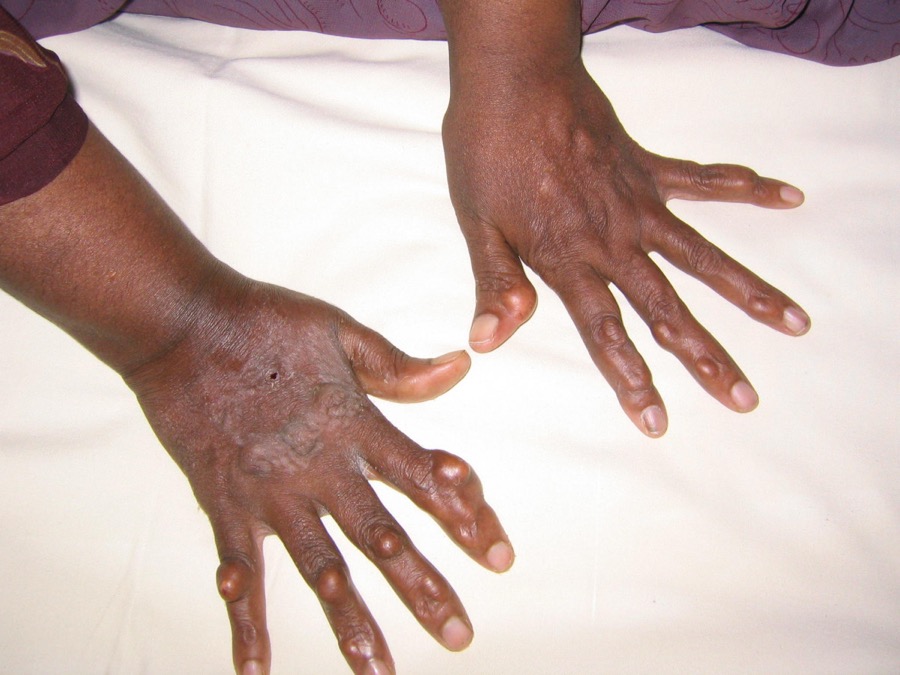
Physical findings. Tendon xanthomas, firm nodules of cholesterol-laden macrophages in the Achilles tendons and the extensor tendons of the hands, are nearly specific for FH (and for sitosterolemia and cerebrotendinous xanthomatosis) but are absent in many genetically confirmed patients. Corneal arcus before age 45 is suggestive. Xanthelasma is nonspecific and occurs in many people with normal lipids. Eruptive xanthomas indicate severe hypertriglyceridemia, and palmar crease xanthomas indicate dysbetalipoproteinemia.

Clinical diagnostic criteria. Three systems are used in adults. The Dutch Lipid Clinic Network (DLCN) score, endorsed by the European Atherosclerosis Society, sums the highest-scoring item in each of five groups (family history, personal history of premature vascular disease, physical findings, untreated LDL-C, and DNA analysis). The Simon Broome criteria from the United Kingdom and the US Make Early Diagnosis to Prevent Early Deaths (MEDPED) criteria are summarized below. The 2026 ACC/AHA guideline states that general-population risk equations should not be used in heterozygous FH (Class 3: Harm), because lifelong exposure confers a 2- to 4-fold higher ASCVD risk than estimated, and that a CAC score of zero does not justify deferral of statin therapy.
Dutch Lipid Clinic Network score
Familial hypercholesterolemia in adultsLDL-C points: 330 mg/dL (8.5 mmol/L) or higher, 8; 250–329 (6.5–8.4), 5; 190–249 (5.0–6.4), 3; 155–189 (4.0–4.9), 1. Premature means before age 55 in men and 60 in women. Only the highest item in each group counts. Score above 8, definite; 6–8, probable; 3–5, possible; below 3, unlikely. The score was developed with untreated LDL-C, and secondary causes are excluded first.
| System | Criteria in adults | Diagnosis |
|---|---|---|
| Simon Broome | (a) Total cholesterol >290 mg/dL (7.5 mmol/L) or LDL-C >190 mg/dL (4.9 mmol/L); (b) tendon xanthomas in the patient or a first- or second-degree relative; (c) a pathogenic variant in LDLR, APOB, or PCSK9; (d) myocardial infarction before 50 in a second-degree relative or before 60 in a first-degree relative; (e) total cholesterol >290 mg/dL in an adult first- or second-degree relative | Definite: (a) plus (b), or (c). Possible: (a) plus (d), or (a) plus (e) |
| MEDPED (US) | Total cholesterol above an age-specific cut point that is lower when FH is known in a relative. Age 40 or older: 290 mg/dL with an affected first-degree relative, 300 second-degree, 310 third-degree, 360 in the general population. Age 30–39: 270, 280, 290, and 340. Age 20–29: 240, 250, 260, and 290 | FH when total cholesterol exceeds the cut point |
| Genetic | Pathogenic or likely pathogenic variant in LDLR, APOB, or PCSK9 (heterozygous) or biallelic variants (homozygous) | Definitive; a negative test does not exclude clinical FH |
Simon Broome and MEDPED criteria for familial hypercholesterolemia in adults. MEDPED cut points apply to total cholesterol and were derived in families with known FH; the general-population column applies when no relative has a diagnosis.
Genetic testing. The JACC Scientific Expert Panel recommends offering FH genetic testing to patients with definite or probable clinical FH, and to adults with untreated LDL-C of 190 mg/dL or more without a secondary cause, with a family history of premature ASCVD or high LDL-C; the 2026 guideline finds panel-based genetic testing beneficial in possible, probable, or definite FH (Class 1), useful at LDL-C of 190 mg/dL or more without a secondary cause (Class 2a), and an option at LDL-C of 160 to 189 mg/dL (Class 2b). A pathogenic variant confirms the diagnosis, identifies a higher-risk patient at any LDL-C (variant carriers have greater risk than noncarriers with the same LDL-C, a consequence of lifelong exposure), supports insurance approval of nonstatin therapy, and enables precise cascade testing. A negative test does not exclude FH, because a substantial minority of patients with a strong clinical phenotype have polygenic hypercholesterolemia, a variant missed by the panel, or a variant in an undiscovered gene, and they are managed by phenotype.
Cascade screening. Each first-degree relative of a patient with heterozygous FH has a 50% probability of carrying the variant. Cascade testing, by targeted genetic testing when the family variant is known or by lipid measurement with age- and sex-specific cut points when it is not, is the most efficient way to find new cases and is recommended by the 2026 guideline. Children of an affected adult are also tested.
Treatment of heterozygous FH. Treatment begins with a high-intensity statin and usually requires ezetimibe early, with a PCSK9 monoclonal antibody, inclisiran, or bempedoic acid added when the goal is not met. At least 50% reduction from baseline is sought in every tier of the goals table. Women with FH plan pregnancy with their clinicians, because statin interruption during pregnancy and lactation leaves LDL-C untreated for long periods.
Treatment of homozygous FH. Management is led by a lipid specialist. Maximally tolerated statin, ezetimibe, and a PCSK9 antibody are used first, with response depending on residual receptor activity. Evinacumab, which lowers LDL-C through ANGPTL3 inhibition independently of the receptor, reduced LDL-C by 47.1% from a baseline of 255 mg/dL in ELIPSE HoFH (between-group difference 49.0 percentage points), including in patients with null-null variants. Lomitapide lowered LDL-C by 50% at 26 weeks in a single-arm phase 3 study and requires hepatic monitoring. The 2026 guideline finds evinacumab or lomitapide reasonable when LDL-C remains 100 mg/dL or higher on statin, ezetimibe, and a PCSK9 antibody. Weekly or biweekly lipoprotein apheresis removes apoB-containing particles, including Lp(a), and lowers LDL-C by more than half after each session. Liver transplantation is reserved for refractory cases. Aortic stenosis and supravalvular aortic disease are surveilled with echocardiography.
Hypertriglyceridemia: residual risk and pancreatitis prevention
Triglyceride-rich lipoproteins and their remnants carry apoB and cholesterol and contribute to atherosclerosis; very high triglycerides, carried mainly in chylomicrons, cause acute pancreatitis. These two consequences define two distinct treatment goals. Remnant cholesterol, the cholesterol in VLDL, IDL, and chylomicron remnants, is approximated as total cholesterol minus LDL-C minus HDL-C and is captured in non-HDL-C.
| Fasting triglycerides | Main concern | Management in the 2026 guideline |
|---|---|---|
| 150–499 mg/dL, persistent | ASCVD risk from remnants; risk-enhancing at 175 mg/dL or more nonfasting | Correction of secondary causes and lifestyle therapy; statin according to risk group; non-HDL-C or apoB used for decisions; intensified LDL lowering in ASCVD not at goal; icosapent ethyl may be reasonable in selected statin-treated patients |
| 500–999 mg/dL | Pancreatitis risk begins; ASCVD risk persists | Added sugar below 5% of calories, no alcohol, total fat about 20%–25% of calories; fibrate or prescription omega-3 fatty acids reasonable |
| 1,000 mg/dL or higher | Chylomicronemia and pancreatitis | Total fat 10%–15% of calories, no alcohol or added sugar; triglyceride-lowering drugs for pancreatitis prevention; evaluation for familial chylomicronemia syndrome; olezarsen recommended in FCS |
Management of hypertriglyceridemia by fasting triglyceride range, from the 2026 ACC/AHA guideline. With persistent triglycerides of 150 mg/dL or more, non-HDL-C or apoB is preferred over LDL-C for treatment decisions.
Secondary causes come first. Poorly controlled diabetes, alcohol, obesity, hypothyroidism, kidney disease, pregnancy, and drugs, particularly oral estrogen, glucocorticoids, retinoids, atypical antipsychotics, and some antiretrovirals, are corrected before or alongside drug therapy. Improved glycemic control and weight loss lower triglycerides substantially; glucagon-like peptide-1 (GLP-1) receptor agonists lower triglycerides through weight loss.
Icosapent ethyl. REDUCE-IT randomized 8,179 statin-treated patients with ASCVD or diabetes plus risk factors, triglycerides of 135 to 499 mg/dL, and LDL-C of 41 to 100 mg/dL to icosapent ethyl 2 g twice daily or a mineral oil placebo. The primary end point fell from 22.0% to 17.2% (HR 0.75) over a median of 4.9 years, with fewer cardiovascular deaths. Hospitalization for atrial fibrillation or flutter (3.1% versus 2.1%) and serious bleeding (2.7% versus 2.1%) were more frequent. The benefit exceeded what the modest triglyceride reduction predicts, and the mineral oil comparator raised LDL-C and C-reactive protein in the placebo group, which may have exaggerated the difference. In STRENGTH, a combined eicosapentaenoic and docosahexaenoic acid carboxylic acid preparation at 4 g daily, compared with corn oil, had no effect (12.0% versus 12.2%; HR 0.99). The benefit is therefore specific to icosapent ethyl and does not extend to over-the-counter fish oil. The 2026 guideline states that icosapent ethyl may be reasonable (Class 2b) in adults aged 50 years or older with clinical ASCVD, or with diabetes and at least one other ASCVD risk factor, on maximally tolerated statin therapy with persistent triglycerides of 150 to 499 mg/dL and LDL-C below 100 mg/dL.
Hypertriglyceridemia-induced pancreatitis. Acute pancreatitis with triglycerides above 1,000 mg/dL is managed with bowel rest, fluids, and correction of the cause. Intravenous insulin, with dextrose when glucose is not elevated, activates lipoprotein lipase and lowers triglycerides within days, particularly in diabetic ketoacidosis or uncontrolled diabetes. Therapeutic plasma exchange lowers triglycerides faster but has not been shown to improve outcomes and is used selectively. Long-term prevention depends on a very-low-fat diet, abstinence from alcohol, glycemic control, removal of offending drugs, and triglyceride-lowering therapy.
Fibrates. Fibrates activate peroxisome proliferator-activated receptor α, increase lipoprotein lipase activity, and lower triglycerides by 30% to 50%. Added to statins, they have not reduced cardiovascular events: fenofibrate in ACCORD Lipid had no effect on the primary end point in type 2 diabetes, with a possible benefit only in a subgroup with high triglycerides and low HDL-C, and pemafibrate in PROMINENT lowered triglycerides and remnant cholesterol but slightly raised apoB and did not reduce events. Fibrates are used for pancreatitis prevention in severe hypertriglyceridemia. Fenofibrate is the fibrate combined with statins; gemfibrozil is avoided because it inhibits statin glucuronidation and raises myopathy risk. Fenofibrate raises serum creatinine reversibly and is dose-reduced or avoided in advanced kidney disease.
Familial chylomicronemia syndrome and apoC-III–directed drugs. FCS presents with triglycerides often above 1,000 to 2,000 mg/dL from childhood, recurrent pancreatitis, eruptive xanthomas, lipemia retinalis, and little response to fibrates, because lipoprotein lipase activity is absent. Apolipoprotein C-III inhibits lipoprotein lipase and hepatic clearance of remnants, and lowering it reduces triglycerides even without lipase activity. In BALANCE, the antisense oligonucleotide olezarsen 80 mg monthly lowered triglycerides by 43.5 percentage points more than placebo at 6 months in 66 patients, with 1 pancreatitis episode in each olezarsen group versus 11 with placebo. Plozasiran, a GalNAc-conjugated small interfering RNA against apoC-III, was approved in the United States for adults with FCS. The 2026 guideline recommends olezarsen as an adjunct to diet in FCS with fasting triglycerides of 1,000 mg/dL or more (Class 1), and finds a fibrate or prescription omega-3 fatty acids reasonable for persistent triglycerides of 500 mg/dL or more (Class 2a). Both agents are being studied in severe multifactorial hypertriglyceridemia.
Lipoprotein(a): testing and management
Lp(a) is an LDL-like particle in which apoB-100 is covalently linked to apolipoprotein(a), a plasminogen-like protein. More than 90% of the variation in plasma Lp(a) is genetically determined by the LPA gene, the level reaches adult values in early childhood, and diet and exercise have little effect. Lp(a) promotes atherosclerosis through its LDL-like particle, inflammation through oxidized phospholipids carried on apo(a), and possibly thrombosis through interference with plasminogen. Elevated Lp(a) is a causal risk factor for myocardial infarction, ischemic stroke, peripheral artery disease, and calcific aortic stenosis. Median levels are higher in people of African ancestry, and about 1 in 5 people worldwide has a level of 125 nmol/L (about 50 mg/dL) or more.
Who is tested. The 2026 guideline recommends measuring Lp(a) at least once in all adults, a change from the selective testing of the 2018 guideline. Because the level is stable, repeat testing is generally unnecessary, though values can rise in menopause and kidney disease and fall in liver disease. Cascade testing of first-degree relatives is recommended when Lp(a) is elevated, in FH, and in premature ASCVD (Class 1), and isoform-insensitive assays traceable to reference materials are recommended (Class 1). The 2021 Canadian guideline and the 2024 NLA focused update had already recommended one-time measurement in every adult.
| Lp(a) | Interpretation | Management |
|---|---|---|
| Below 75 nmol/L (30 mg/dL) | Low risk (NLA) | No change |
| 75–124 nmol/L (30–49 mg/dL) | Intermediate (NLA) | Interpreted with other risk factors |
| 125 nmol/L (50 mg/dL) or higher | Risk-enhancing factor; about 1.4-fold ASCVD risk | Earlier and more intensive LDL-C lowering and control of every modifiable risk factor; cascade testing of relatives; in ASCVD not at goal on maximally tolerated statin, a PCSK9 monoclonal antibody |
| 250 nmol/L (100 mg/dL) or higher | About 2-fold or greater ASCVD risk | As above; lipoprotein apheresis for selected patients with progressive ASCVD |
Lp(a) thresholds in the 2026 ACC/AHA guideline and the 2024 NLA focused update. Risk rises continuously with level; the cut points are clinical conventions.
Current management. No therapy that specifically lowers Lp(a) has yet been shown to reduce events, so management centers on lowering LDL-C further and treating other risk factors. Statins do not lower Lp(a). PCSK9 monoclonal antibodies lower it by about 20% to 30%, and in ODYSSEY OUTCOMES and FOURIER the absolute benefit was greater in patients with high Lp(a); the 2026 guideline therefore recommends a PCSK9 antibody with proven cardiovascular benefit in clinical ASCVD with Lp(a) of 125 nmol/L (50 mg/dL) or more when goals are not met on a maximally tolerated statin (Class 1). Inclisiran lowers Lp(a) by a similar amount. Niacin lowers Lp(a) by about 20% to 30% but is not used because it did not reduce events. Observational analyses suggest that aspirin may benefit primary prevention patients with high Lp(a) or the corresponding genotype; aspirin is not recommended for elevated Lp(a) alone. Because measured LDL-C includes Lp(a) cholesterol, a patient with very high Lp(a) shows a blunted apparent statin response and may not reach an LDL-C goal despite adequate LDL-particle lowering.
Lipoprotein apheresis. Apheresis removes Lp(a) and LDL in each session. The FDA-approved indications for lipoprotein apheresis include heterozygous FH with documented coronary or peripheral artery disease and Lp(a) of 60 mg/dL (130 nmol/L) or more, heterozygous FH with documented coronary or peripheral artery disease and LDL-C of 70 mg/dL or more, heterozygous FH with LDL-C of 300 mg/dL or more, and homozygous FH with LDL-C above 500 mg/dL (2026 guideline, Table 16).
Lp(a)-lowering drugs in outcome trials. Pelacarsen, an antisense oligonucleotide, and the small interfering RNAs olpasiran, lepodisiran, and zerlasiran lower Lp(a) by roughly 70% to more than 95%; muvalaplin is an oral inhibitor of Lp(a) particle assembly. The outcome trials Lp(a)HORIZON (pelacarsen), OCEAN(a)-Outcomes (olpasiran), and ACCLAIM-Lp(a) (lepodisiran) will determine whether these reductions prevent events and which patients benefit.
HDL cholesterol is a risk marker, not a target. Low HDL-C is a marker of risk, most often of insulin resistance and elevated triglyceride-rich lipoproteins, and is an input to risk equations. It is not a treatment target. Mendelian randomization studies show that variants raising HDL-C alone do not lower coronary risk, and drugs that raise HDL-C (niacin, fibrates, and the CETP inhibitors dalcetrapib and evacetrapib) have not reduced events when added to statins. Very high HDL-C, above about 100 mg/dL, is not protective and in some cohorts is associated with higher mortality. Very low HDL-C below 20 mg/dL without severe hypertriglyceridemia raises the possibility of a monogenic disorder (apoA-I deficiency, Tangier disease, or lecithin-cholesterol acyltransferase deficiency) or of an assay interference, including anabolic steroid use.
Lipid management in diabetes, kidney disease, HIV, peripheral artery disease, and cancer
Diabetes. Adults aged 40 to 75 years with type 1 or type 2 diabetes receive LDL-lowering therapy irrespective of LDL-C. A moderate-intensity statin is appropriate for many, aiming for LDL-C below 100 mg/dL; high-intensity therapy and a goal below 70 mg/dL apply with a PREVENT-ASCVD risk of 10% or more, multiple ASCVD risk factors, or diabetes-specific risk modifiers: type 2 diabetes for 10 years or more, type 1 for 20 years or more, albuminuria of 30 mg/g creatinine or more, estimated glomerular filtration rate below 60 mL/min/1.73 m², retinopathy, neuropathy, or ankle-brachial index below 0.9. In adults aged 20 to 39 years, a moderate-intensity statin may be reasonable when these modifiers are present (Class 2b). Above 75 years with a life expectancy of at least 2.5 years, a moderate-intensity statin may be reasonable after discussion. Because diabetic dyslipidemia combines high triglycerides with small, cholesterol-depleted LDL particles, non-HDL-C and apoB identify residual risk when LDL-C appears controlled. In VESALIUS-CV, which enrolled many patients with diabetes and no prior event, evolocumab reduced first events.
Chronic kidney disease. Adults aged 40 to 75 with stage 3 or higher chronic kidney disease not on dialysis and LDL-C of 70 to 189 mg/dL receive a moderate-intensity statin or a moderate-intensity statin plus ezetimibe (Class 1). SHARP randomized 9,270 patients with chronic kidney disease, about one-third on dialysis, to simvastatin 20 mg plus ezetimibe 10 mg or placebo; major atherosclerotic events fell by 17% (11.3% versus 13.4%). With clinical ASCVD, the goal is LDL-C below 55 mg/dL with a high-intensity statin and ezetimibe or a PCSK9 antibody as required. Starting a statin in patients already on maintenance dialysis has not shown benefit in randomized trials (4D, AURORA), but continuing a statin begun before dialysis may be reasonable. Atorvastatin and fluvastatin need no renal dose adjustment; rosuvastatin is started at 5 mg and limited to 10 mg with creatinine clearance below 30 mL/min not on dialysis.
HIV infection. Adults aged 40 to 75 years with HIV on stable antiretroviral therapy receive a statin to reduce first ASCVD events. In REPRIEVE, 7,769 participants with low to moderate traditional risk and a median age of 50 were randomized to pitavastatin 4 mg or placebo; major adverse cardiovascular events fell from 7.32 to 4.81 per 1,000 person-years (HR 0.65), and the trial stopped early for efficacy. Muscle symptoms (2.3% versus 1.4%) and diabetes (5.3% versus 4.0%) were more frequent. Statin selection is governed by interactions: protease inhibitors boosted with ritonavir or cobicistat contraindicate simvastatin and lovastatin and limit atorvastatin and rosuvastatin doses, whereas pitavastatin and pravastatin have few interactions. The 2025 ESC/EAS update likewise recommends statins for primary prevention in people with HIV older than 40 years.
Stroke and peripheral artery disease. Ischemic stroke of atherosclerotic origin and symptomatic peripheral artery disease are major ASCVD events, so most affected patients meet the very-high-risk definition and the goal of LDL-C below 55 mg/dL. The 2024 ACC/AHA multisociety peripheral artery disease guideline recommends high-intensity statin therapy for all patients with peripheral artery disease (Class 1) and finds it reasonable to add a PCSK9 inhibitor and/or ezetimibe when LDL-C remains 70 mg/dL or higher on maximally tolerated statin (Class 2a). In FOURIER, patients with peripheral artery disease had large absolute reductions in major adverse limb events with evolocumab.
Cancer. The 2026 guideline recommends continuing statin therapy during active cancer unless a specific drug interaction or a life expectancy below 1 year intervenes, and treating cancer survivors with a life expectancy of at least 2 years like other adults (both Class 1), because cancer survivors, particularly after mediastinal radiation, anthracyclines, androgen deprivation, or some tyrosine kinase inhibitors, have accelerated ASCVD.
Lipids in older adults, women, and pregnancy
Older adults. Age alone does not determine treatment benefit. In the 2019 CTT individual-participant meta-analysis of 28 trials in older people, statins reduced major vascular events by 21% per 1.0 mmol/L LDL-C reduction overall, with a significant reduction in every age group and a trend to smaller proportional benefit above 75 years; direct evidence in primary prevention after 75 is limited. For adults older than 75 without ASCVD, the 2026 guideline weighs functional status, frailty, multimorbidity, polypharmacy, and life expectancy. With a life expectancy of at least 2.5 years, a moderate-intensity statin may be reasonable after discussion (Class 2b). When the decision is uncertain, CAC measurement may be reasonable, and a score of 0 to 10 supports withholding therapy (Class 2b). With a life expectancy below 1 year, discontinuation may be reasonable (Class 2b). PREVENT-ASCVD may be calculated up to age 79. In secondary prevention, age alone is not a reason to reduce effective therapy. The STAREE and PREVENTABLE trials are testing statins for primary prevention in older adults.
Women. Women with ASCVD are less often prescribed high-intensity statins and less often reach goal than men, a gap not explained by differences in benefit; CTT analyses show proportional reductions in events per mmol/L LDL-C reduction similar to those in men. Sex-specific risk enhancers in the 2026 guideline include premature menopause before age 45, preeclampsia, gestational hypertension, gestational diabetes, preterm delivery, and polycystic ovary syndrome. LDL-C rises by roughly 10% or more across the menopausal transition, and oral estrogen raises triglycerides.
Pregnancy and lactation. LDL-C and triglycerides rise physiologically during pregnancy, triglycerides most in the third trimester. The FDA removed the class-wide contraindication to statins in pregnancy in 2021, while retaining advice to stop them in most pregnant patients. The 2026 guideline defers most lipid-lowering therapy during conception, pregnancy, and lactation. Statins are stopped 1 to 2 months before planned conception or when pregnancy is recognized in patients without severe FH or ASCVD (Class 1). Continuation may be reasonable after individualized discussion in women with FH or established ASCVD (Class 2b), preferably with a hydrophilic statin such as pravastatin. Bile acid sequestrants, which are not absorbed, are the drug option during pregnancy, and lipoprotein apheresis is used for homozygous FH and selected patients with severe FH. Statins, ezetimibe, PCSK9 antibodies, and inclisiran are avoided during breastfeeding. With fasting triglycerides of 500 mg/dL or more in pregnancy, a fibrate after the first trimester or high-dose omega-3 ethyl esters is reasonable with dietary therapy to reduce pancreatitis risk (Class 2a); plasmapheresis is reserved for refractory cases.
Lifestyle, diet, and supplements in LDL lowering
A heart-healthy dietary pattern is a Class 1 recommendation in the 2026 guideline for every adult and is the foundation on which drug therapy is added. Replacing saturated fat with unsaturated fat, as in Mediterranean, Dietary Approaches to Stop Hypertension (DASH), and plant-forward patterns, lowers LDL-C by roughly 10% and reduces events; the PREDIMED trial, in its 2018 reanalysis, showed about 30% fewer major cardiovascular events with a Mediterranean diet supplemented with extra-virgin olive oil or nuts than with a reduced-fat control diet. Eliminating trans fat, adding 5 to 10 g/day of viscous soluble fiber (oats, barley, psyllium), and consuming about 2 g/day of plant sterols or stanols each lower LDL-C by a few percent to about 10%. Weight loss and reduced intake of refined carbohydrate, added sugar, and alcohol lower triglycerides more than LDL-C. Regular aerobic exercise lowers triglycerides and modestly raises HDL-C with little effect on LDL-C.
Dietary supplements are not recommended to lower LDL-C or triglycerides or to reduce ASCVD risk. Red yeast rice contains monacolin K, which is chemically identical to lovastatin, in unregulated and variable amounts, and some products contain the nephrotoxin citrinin; it offers no advantage over a generic statin. Over-the-counter fish oil, garlic, niacin supplements, coenzyme Q10, and policosanol have no proven cardiovascular benefit. Diet and drug therapy are complementary: a patient with LDL-C of 160 mg/dL can expect at most a 10% to 15% reduction from diet alone, whereas a high-intensity statin lowers it by half.
Monitoring response, adherence, and follow-up
A fasting or nonfasting lipid panel is repeated 4 to 12 weeks after a lipid-lowering drug is started or its dose changed, to assess adherence and both the percentage reduction and the achieved LDL-C and non-HDL-C, and then every 6 to 12 months once the regimen is stable. The 2025 ESC/EAS update recommends annual measurement once the goal is reached. Response is judged against the expected percentage: high-intensity statins lower LDL-C by 50% or more on average, so a reduction below about 30% raises the questions of adherence, secondary causes, a large Lp(a) contribution to measured LDL-C, and genetic hyporesponse.
Adherence and persistence. Persistence with statins falls substantially within the first year, and discontinuation after acute coronary syndrome is associated with higher mortality. Causes include perceived side effects, cost, pill burden, misinformation, and low perceived benefit. Measures that improve adherence include a single daily fixed-dose combination (statin with ezetimibe, or bempedoic acid with ezetimibe), less frequent administration (monthly PCSK9 antibody or twice-yearly inclisiran), reminder systems, pharmacist and nurse follow-up, and early follow-up visits that show the patient the measured LDL-C reduction.
Safety monitoring. Uric acid is checked in patients with gout who start bempedoic acid. Hepatic monitoring follows the labeling for lomitapide. Patients on fenofibrate have creatinine measured after starting therapy.
Common errors in lipid-lowering therapy
- Treating to a calculated Friedewald LDL-C near goal in a patient with triglycerides of 150 to 400 mg/dL: Friedewald underestimates LDL-C at low levels, and Martin-Hopkins, Sampson, non-HDL-C, or apoB gives the accurate picture.
- Applying a risk equation to a patient with FH or LDL-C of 190 mg/dL or more: these patients are treated without risk calculation, and a CAC score of zero does not justify deferral.
- Doubling the statin dose to close a gap above 10%: each doubling adds about 6% reduction, and ezetimibe or a PCSK9-directed agent closes larger gaps.
- Labeling a patient statin intolerant after one statin trial: the NLA definition requires at least two statins, one at the lowest dose, and most patients tolerate rechallenge or nondaily dosing.
- Prescribing gemfibrozil with a statin: gemfibrozil raises statin levels and myopathy risk; fenofibrate is the fibrate combined with statins.
- Substituting over-the-counter fish oil for icosapent ethyl: REDUCE-IT tested a specific prescription formulation, and mixed omega-3 preparations did not reduce events.
- Prescribing a fibrate or niacin to lower cardiovascular risk in a statin-treated patient: neither has reduced events added to statins.
- Ignoring Lp(a) in a patient with a poor apparent statin response: Lp(a) cholesterol is included in measured LDL-C and blunts the reported reduction.
- Stopping lipid-lowering therapy because LDL-C is "too low": achieved LDL-C below 30 mg/dL has not been associated with harm in outcome trials.
- Starting a bile acid sequestrant in a patient with triglycerides above 300 mg/dL: sequestrants raise triglycerides and can precipitate pancreatitis in severe hypertriglyceridemia.
European and Canadian guidance compared with the 2026 US guideline
The 2026 US guideline and the 2025 ESC/EAS focused update now agree on goal-based treatment and on the LDL-C goals of below 55 and below 70 mg/dL. They differ in how patients reach those categories and in several thresholds.
| Feature | 2026 ACC/AHA multisociety | 2025 ESC/EAS focused update | 2021 Canadian Cardiovascular Society guideline |
|---|---|---|---|
| Risk estimation | PREVENT-ASCVD, ages 30–79, 10- and 30-year risk | Systematic Coronary Risk Estimation 2 (SCORE2) below 70 years; SCORE2–Older Persons (SCORE2-OP) at 70–89 years | Framingham risk score or Cardiovascular Life Expectancy Model |
| Highest-risk LDL-C goal | <55 mg/dL for very-high-risk ASCVD (two major events, or one plus two high-risk conditions) | <55 mg/dL for all very-high-risk patients, including all clinical ASCVD; <40 mg/dL optional after a second event within 2 years | Intensification threshold LDL-C ≥1.8 mmol/L (70 mg/dL), non-HDL-C ≥2.4 mmol/L, or apoB ≥0.7 g/L in secondary prevention |
| Lower-risk goals | <70 mg/dL high risk; <100 mg/dL borderline or intermediate | <70 mg/dL high; <100 mg/dL moderate; <116 mg/dL low | At least 50% reduction in primary prevention |
| Lp(a) | Once in all adults; ≥125 nmol/L (50 mg/dL) risk-enhancing | At least once; >50 mg/dL (105 nmol/L) modifies risk | Once in all adults; ≥50 mg/dL (100 nmol/L) risk-modifying |
| Imaging | CAC reclassifies risk and sets the LDL-C goal | CAC or plaque on imaging modifies risk | CAC in selected intermediate-risk adults |
Selected differences among US, European, and Canadian dyslipidemia guidance.
The practical consequence of the European definition is that nearly every patient with established ASCVD in Europe is assigned the goal below 55 mg/dL, whereas the US guideline reserves it for the very-high-risk subset and offers it as an option in other patients with ASCVD. Ez-PAVE, which compared the two goals across a broad ASCVD population, favors the lower goal. The 2026 guideline itself notes that most patients with a history of ASCVD events will qualify for the goal below 55 mg/dL.
Self-assessment
A 44-year-old man has an untreated LDL-C of 238 mg/dL, thickened Achilles tendons, and a father with myocardial infarction at 51. He has no ASCVD, and his coronary artery calcium score is 0. On atorvastatin 80 mg and ezetimibe 10 mg, LDL-C is 118 mg/dL. What is his Dutch Lipid Clinic Network score, does the calcium score permit less intensive therapy, and what is the next step?
Cardiovascular Medicine Board ReviewReferences
- Blumenthal RS, Morris PB, Gaudino M, et al. 2026 ACC/AHA/AACVPR/ABC/ACPM/ADA/AGS/APhA/ASPC/NLA/PCNA guideline on the management of dyslipidemia: a report of the American College of Cardiology/American Heart Association Joint Committee on Clinical Practice Guidelines. J Am Coll Cardiol. 2026;87:2624–2757. doi:10.1016/j.jacc.2025.11.016 (also published in Circulation. 2026;153(17), doi:10.1161/CIR.0000000000001423)
- Grundy SM, Stone NJ, Bailey AL, et al. 2018 AHA/ACC/AACVPR/AAPA/ABC/ACPM/ADA/AGS/APhA/ASPC/NLA/PCNA guideline on the management of blood cholesterol. J Am Coll Cardiol. 2019;73:e285–e350. doi:10.1016/j.jacc.2018.11.003
- Lloyd-Jones DM, Morris PB, Ballantyne CM, et al. 2022 ACC expert consensus decision pathway on the role of nonstatin therapies for LDL-cholesterol lowering in the management of atherosclerotic cardiovascular disease risk. J Am Coll Cardiol. 2022;80:1366–1418. doi:10.1016/j.jacc.2022.07.006
- Mach F, Koskinas KC, Roeters van Lennep JE, et al. 2025 focused update of the 2019 ESC/EAS guidelines for the management of dyslipidaemias. Eur Heart J. 2025;46:4359–4378. doi:10.1093/eurheartj/ehaf190
- Pearson GJ, Thanassoulis G, Anderson TJ, et al. 2021 Canadian Cardiovascular Society guidelines for the management of dyslipidemia for the prevention of cardiovascular disease in adults. Can J Cardiol. 2021;37:1129–1150. doi:10.1016/j.cjca.2021.03.016
- Ference BA, Ginsberg HN, Graham I, et al. Low-density lipoproteins cause atherosclerotic cardiovascular disease. 1. Evidence from genetic, epidemiologic, and clinical studies. A consensus statement from the European Atherosclerosis Society Consensus Panel. Eur Heart J. 2017;38:2459–2472. doi:10.1093/eurheartj/ehx144
- Cholesterol Treatment Trialists' (CTT) Collaboration. Efficacy and safety of more intensive lowering of LDL cholesterol: a meta-analysis of data from 170,000 participants in 26 randomised trials. Lancet. 2010;376:1670–1681. doi:10.1016/S0140-6736(10)61350-5
- Law MR, Wald NJ, Rudnicka AR. Quantifying effect of statins on low density lipoprotein cholesterol, ischaemic heart disease, and stroke: systematic review and meta-analysis. BMJ. 2003;326:1423. doi:10.1136/bmj.326.7404.1423
- Martin SS, Blaha MJ, Elshazly MB, et al. Comparison of a novel method vs the Friedewald equation for estimating low-density lipoprotein cholesterol levels from the standard lipid profile. JAMA. 2013;310:2061–2068. doi:10.1001/jama.2013.280532
- Sampson M, Ling C, Sun Q, et al. A new equation for calculation of low-density lipoprotein cholesterol in patients with normolipidemia and/or hypertriglyceridemia. JAMA Cardiol. 2020;5:540–548. doi:10.1001/jamacardio.2020.0013
- Cannon CP, Braunwald E, McCabe CH, et al. Intensive versus moderate lipid lowering with statins after acute coronary syndromes (PROVE IT–TIMI 22 randomized trial). N Engl J Med. 2004;350:1495–1504. doi:10.1056/NEJMoa040583
- Ridker PM, Danielson E, Fonseca FAH, et al. Rosuvastatin to prevent vascular events in men and women with elevated C-reactive protein (JUPITER randomized trial). N Engl J Med. 2008;359:2195–2207. doi:10.1056/NEJMoa0807646
- Yusuf S, Bosch J, Dagenais G, et al. Cholesterol lowering in intermediate-risk persons without cardiovascular disease (HOPE-3 randomized trial). N Engl J Med. 2016;374:2021–2031. doi:10.1056/NEJMoa1600176
- Cannon CP, Blazing MA, Giugliano RP, et al. Ezetimibe added to statin therapy after acute coronary syndromes (IMPROVE-IT randomized trial). N Engl J Med. 2015;372:2387–2397. doi:10.1056/NEJMoa1410489
- Sabatine MS, Giugliano RP, Keech AC, et al. Evolocumab and clinical outcomes in patients with cardiovascular disease (FOURIER randomized trial). N Engl J Med. 2017;376:1713–1722. doi:10.1056/NEJMoa1615664
- Schwartz GG, Steg PG, Szarek M, et al. Alirocumab and cardiovascular outcomes after acute coronary syndrome (ODYSSEY OUTCOMES randomized trial). N Engl J Med. 2018;379:2097–2107. doi:10.1056/NEJMoa1801174
- Bohula EA, Marston NA, Bhatia AK, et al. Evolocumab in patients without a previous myocardial infarction or stroke (VESALIUS-CV randomized trial). N Engl J Med. 2026;394:117–127. doi:10.1056/NEJMoa2514428
- Lee YJ, Lee SJ, Kim JW, et al. Intensive LDL cholesterol targeting in atherosclerotic cardiovascular disease (Ez-PAVE randomized trial). N Engl J Med. 2026;394:1365–1375. doi:10.1056/NEJMoa2600283
- Ray KK, Wright RS, Kallend D, et al. Two phase 3 trials of inclisiran in patients with elevated LDL cholesterol (ORION-10 and ORION-11 randomized trials). N Engl J Med. 2020;382:1507–1519. doi:10.1056/NEJMoa1912387
- Nissen SE, Lincoff AM, Brennan D, et al. Bempedoic acid and cardiovascular outcomes in statin-intolerant patients (CLEAR Outcomes randomized trial). N Engl J Med. 2023;388:1353–1364. doi:10.1056/NEJMoa2215024
- Sun Y, Gao J. Enlicitide: the first oral PCSK9 inhibitor approved for treatment of hypercholesterolemia. Drug Discov Ther. 2026;20:354–356. doi:10.5582/ddt.2026.01051
- Nicholls SJ, Nelson AJ, Ditmarsch M, et al. Safety and efficacy of obicetrapib in patients at high cardiovascular risk (BROADWAY randomized trial). N Engl J Med. 2025;393:51–61. doi:10.1056/NEJMoa2415820
- Boden WE, Probstfield JL, Anderson T, et al. Niacin in patients with low HDL cholesterol levels receiving intensive statin therapy (AIM-HIGH randomized trial). N Engl J Med. 2011;365:2255–2267. doi:10.1056/NEJMoa1107579
- Koren MJ, Rodriguez F, East C, et al. An "inclisiran first" strategy vs usual care in patients with atherosclerotic cardiovascular disease (VICTORION-INITIATE randomized trial). J Am Coll Cardiol. 2024;83:1939–1952. doi:10.1016/j.jacc.2024.03.382
- Amarenco P, Kim JS, Labreuche J, et al. A comparison of two LDL cholesterol targets after ischemic stroke (Treat Stroke to Target randomized trial). N Engl J Med. 2020;382:9–19. doi:10.1056/NEJMoa1910355
- Cheeley MK, Saseen JJ, Agarwala A, et al. NLA scientific statement on statin intolerance: a new definition and key considerations for ASCVD risk reduction in the statin intolerant patient. J Clin Lipidol. 2022;16:361–375. doi:10.1016/j.jacl.2022.05.068
- Wood FA, Howard JP, Finegold JA, et al. N-of-1 trial of a statin, placebo, or no treatment to assess side effects (SAMSON randomized trial). N Engl J Med. 2020;383:2182–2184. doi:10.1056/NEJMc2031173
- Cholesterol Treatment Trialists' Collaboration. Effect of statin therapy on muscle symptoms: an individual participant data meta-analysis of large-scale, randomised, double-blind trials. Lancet. 2022;400:832–845. doi:10.1016/S0140-6736(22)01545-8
- Sattar N, Preiss D, Murray HM, et al. Statins and risk of incident diabetes: a collaborative meta-analysis of randomised statin trials. Lancet. 2010;375:735–742. doi:10.1016/S0140-6736(09)61965-6
- Nordestgaard BG, Chapman MJ, Humphries SE, et al. Familial hypercholesterolaemia is underdiagnosed and undertreated in the general population: guidance for clinicians to prevent coronary heart disease. Consensus statement of the European Atherosclerosis Society. Eur Heart J. 2013;34:3478–3490. doi:10.1093/eurheartj/eht273
- Sturm AC, Knowles JW, Gidding SS, et al. Clinical genetic testing for familial hypercholesterolemia: JACC Scientific Expert Panel (consensus recommendations). J Am Coll Cardiol. 2018;72:662–680. doi:10.1016/j.jacc.2018.05.044
- Raal FJ, Rosenson RS, Reeskamp LF, et al. Evinacumab for homozygous familial hypercholesterolemia (ELIPSE HoFH randomized trial). N Engl J Med. 2020;383:711–720. doi:10.1056/NEJMoa2004215
- Cuchel M, Meagher EA, du Toit Theron H, et al. Efficacy and safety of a microsomal triglyceride transfer protein inhibitor in patients with homozygous familial hypercholesterolaemia: a single-arm, open-label, phase 3 study (trial). Lancet. 2013;381:40–46. doi:10.1016/S0140-6736(12)61731-0
- Bhatt DL, Steg PG, Miller M, et al. Cardiovascular risk reduction with icosapent ethyl for hypertriglyceridemia (REDUCE-IT randomized trial). N Engl J Med. 2019;380:11–22. doi:10.1056/NEJMoa1812792
- Nicholls SJ, Lincoff AM, Garcia M, et al. Effect of high-dose omega-3 fatty acids vs corn oil on major adverse cardiovascular events in patients at high cardiovascular risk: the STRENGTH randomized clinical trial. JAMA. 2020;324:2268–2280. doi:10.1001/jama.2020.22258
- Das Pradhan A, Glynn RJ, Fruchart JC, et al. Triglyceride lowering with pemafibrate to reduce cardiovascular risk (PROMINENT randomized trial). N Engl J Med. 2022;387:1923–1934. doi:10.1056/NEJMoa2210645
- ACCORD Study Group; Ginsberg HN, Elam MB, Lovato LC, et al. Effects of combination lipid therapy in type 2 diabetes mellitus (ACCORD Lipid randomized trial). N Engl J Med. 2010;362:1563–1574. doi:10.1056/NEJMoa1001282
- Stroes ESG, Alexander VJ, Karwatowska-Prokopczuk E, et al. Olezarsen, acute pancreatitis, and familial chylomicronemia syndrome (BALANCE randomized trial). N Engl J Med. 2024;390:1781–1792. doi:10.1056/NEJMoa2400201
- Syed YY. Plozasiran: first approval. Drugs. 2026;86:753–758. doi:10.1007/s40265-026-02293-2
- Kronenberg F, Mora S, Stroes ESG, et al. Lipoprotein(a) in atherosclerotic cardiovascular disease and aortic stenosis: a European Atherosclerosis Society consensus statement. Eur Heart J. 2022;43:3925–3946. doi:10.1093/eurheartj/ehac361
- Koschinsky ML, Bajaj A, Boffa MB, et al. A focused update to the 2019 NLA scientific statement on use of lipoprotein(a) in clinical practice. J Clin Lipidol. 2024;18:e308–e319. doi:10.1016/j.jacl.2024.03.001
- Baigent C, Landray MJ, Reith C, et al. The effects of lowering LDL cholesterol with simvastatin plus ezetimibe in patients with chronic kidney disease (Study of Heart and Renal Protection): a randomised placebo-controlled trial. Lancet. 2011;377:2181–2192. doi:10.1016/S0140-6736(11)60739-3
- Grinspoon SK, Fitch KV, Zanni MV, et al. Pitavastatin to prevent cardiovascular disease in HIV infection (REPRIEVE randomized trial). N Engl J Med. 2023;389:687–699. doi:10.1056/NEJMoa2304146
- Cholesterol Treatment Trialists' Collaboration. Efficacy and safety of statin therapy in older people: a meta-analysis of individual participant data from 28 randomised controlled trials. Lancet. 2019;393:407–415. doi:10.1016/S0140-6736(18)31942-1
- Navar AM, Taylor B, Mulder H, et al. Association of prior authorization and out-of-pocket costs with patient access to PCSK9 inhibitor therapy. JAMA Cardiol. 2017;2:1217–1225. doi:10.1001/jamacardio.2017.3451
- Estruch R, Ros E, Salas-Salvadó J, et al. Primary prevention of cardiovascular disease with a Mediterranean diet supplemented with extra-virgin olive oil or nuts (PREDIMED randomized trial). N Engl J Med. 2018;378:e34. doi:10.1056/NEJMoa1800389
- Wanner C, Krane V, März W, et al. Atorvastatin in patients with type 2 diabetes mellitus undergoing hemodialysis (4D randomized trial). N Engl J Med. 2005;353:238–248. doi:10.1056/NEJMoa043545
- Fellström BC, Jardine AG, Schmieder RE, et al. Rosuvastatin and cardiovascular events in patients undergoing hemodialysis (AURORA randomized trial). N Engl J Med. 2009;360:1395–1407. doi:10.1056/NEJMoa0810177
- Lipid Research Clinics Program. The Lipid Research Clinics Coronary Primary Prevention Trial results. I. Reduction in incidence of coronary heart disease (LRC-CPPT randomized trial). JAMA. 1984;251:351–364. doi:10.1001/jama.1984.03340270029025
- Herrett E, Williamson E, Brack K, et al. Statin treatment and muscle symptoms: series of randomised, placebo controlled n-of-1 trials (StatinWISE). BMJ. 2021;372:n135. doi:10.1136/bmj.n135
- HPS2-THRIVE Collaborative Group; Landray MJ, Haynes R, Hopewell JC, et al. Effects of extended-release niacin with laropiprant in high-risk patients (HPS2-THRIVE randomized trial). N Engl J Med. 2014;371:203–212. doi:10.1056/NEJMoa1300955
- Navar AM, Mikhailova E, Catapano AL, et al. A placebo-controlled trial of the oral PCSK9 inhibitor enlicitide (CORALreef Lipids randomized trial). N Engl J Med. 2026;394:529–539. doi:10.1056/NEJMoa2511002
- Roberts WC. The rule of 5 and the rule of 7 in lipid-lowering by statin drugs. Am J Cardiol. 1997;80:106–107. doi:10.1016/S0002-9149(97)00298-1
- Gornik HL, Aronow HD, Goodney PP, et al. 2024 ACC/AHA/AACVPR/APMA/ABC/SCAI/SVM/SVN/SVS/SIR/VESS guideline for the management of lower extremity peripheral artery disease: a report of the American College of Cardiology/American Heart Association Joint Committee on Clinical Practice Guidelines. Circulation. 2024;149:e1313–e1410. doi:10.1161/CIR.0000000000001251